Storm damage doesn't stop at your shingles. The right storm roofers assess everything, work with your insurance company, and stick around long after the tarps come down.
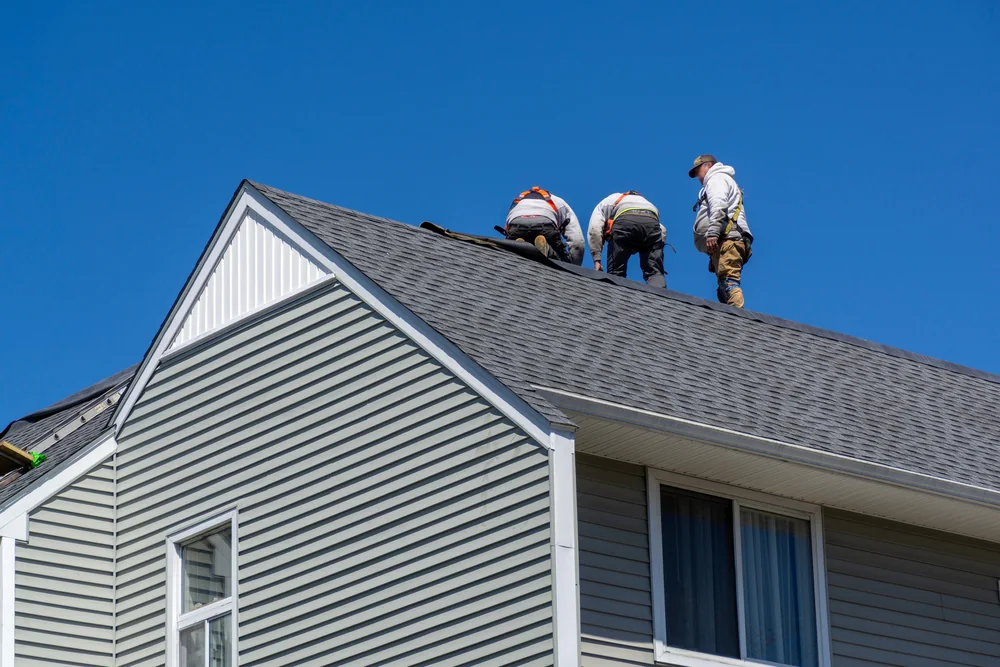
The storm’s over. Your roof might not be. You’ve got missing shingles in the yard, water stains forming on the ceiling, or neighbors mentioning they saw damage you can’t see from the ground. Now comes the hard part—figuring out who to trust with the fix.
Storm roofers aren’t all created equal. Some show up, patch the obvious problems, and move on to the next town. Others assess the full scope of damage, document everything for your insurance claim, and handle repairs that actually last. The difference matters more than you think. This guide breaks down what professional storm damage response looks like in Essex County, how to separate legitimate contractors from opportunistic chasers, and what timeline you should actually expect when your roof needs serious attention.
Emergency tarping stops the bleeding. It keeps rain out of your living room and buys you time to make smart decisions. But that’s where many so-called storm roofers stop—because they’re not actually equipped to handle what comes next.
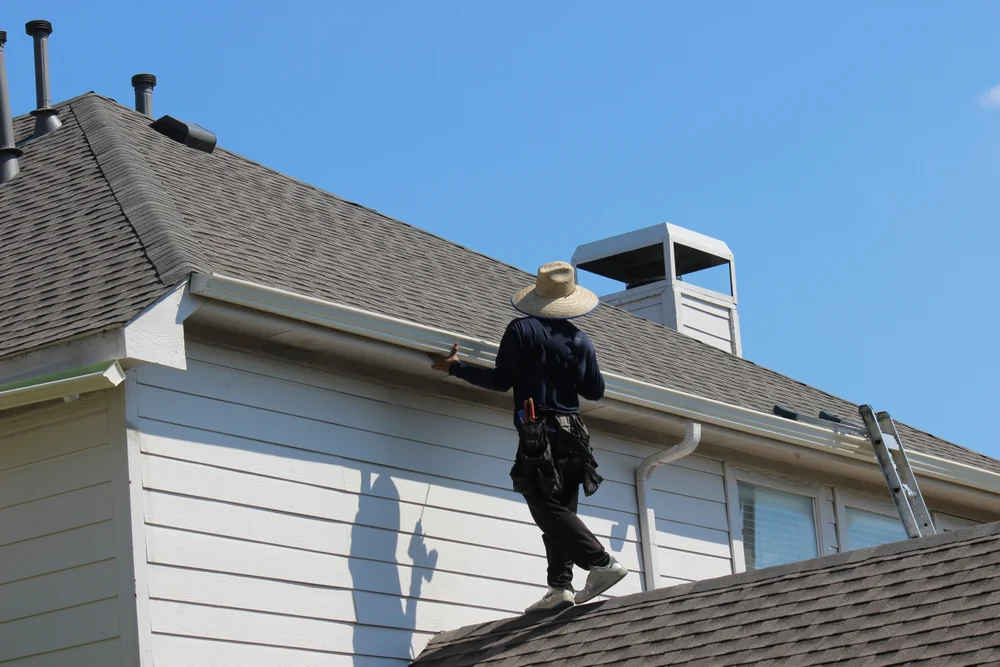
Real storm damage response starts with a comprehensive assessment. Wind doesn’t just lift shingles. It compromises flashing around chimneys and vents, damages gutters, tears siding, and sometimes affects structural components you can’t see from the ground. A qualified contractor documents all of it—with photos, measurements, and detailed notes that hold up when your insurance adjuster shows up.
Then comes the insurance piece. Massachusetts homeowners insurance typically covers wind and hail damage, but getting a fair payout requires proper documentation and someone who knows how to communicate with adjusters. The best storm roofers in Essex County have done this hundreds of times. They know what insurance companies look for, what gets missed in quick assessments, and how to present damage in a way that supports your claim without inflating it.
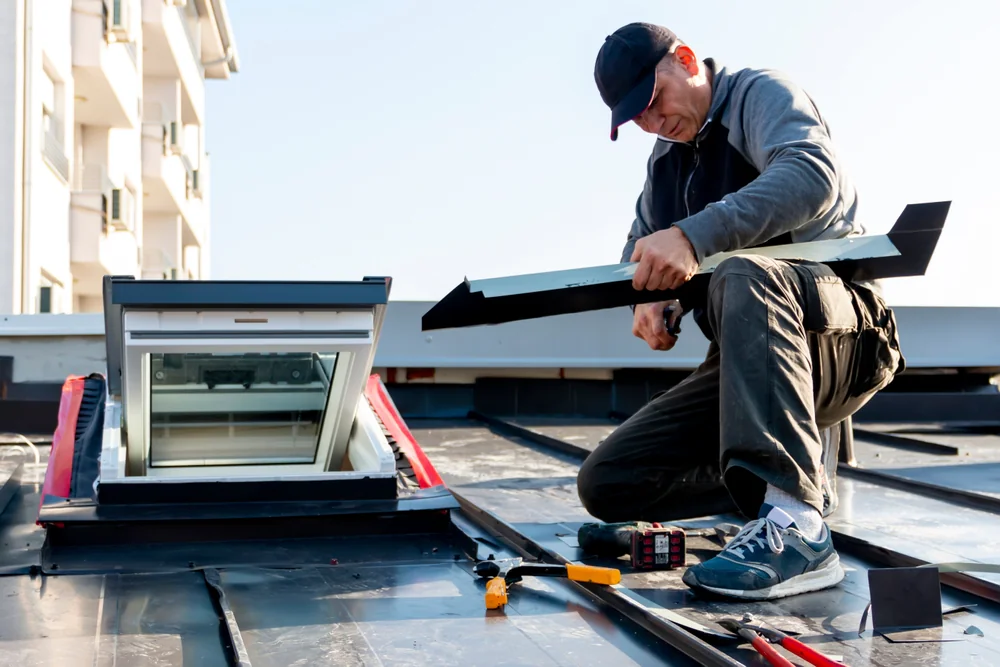
Hail damage looks different depending on your roofing material, the size of the hailstones, and how old your roof was before the storm hit. Asphalt shingles show bruising and granule loss. Metal roofs get dented. The impact isn’t always obvious from your driveway, which is exactly why hail damage roofing contractors need to know what they’re looking for.
Massachusetts doesn’t see golf ball-sized hail as often as some states, but it happens. More commonly, you get smaller hail mixed with high winds during severe thunderstorms or nor’easters. That combination does cumulative damage—weakening shingles, exposing underlayment, and creating entry points for water that won’t show up as leaks until months later.
Experienced hail damage roofing contractors in Essex County know how to spot the subtle signs. We check for granule displacement in gutters, examine shingle tabs for cracks that haven’t fully separated yet, and inspect flashing and vents where hail impact concentrates. We also understand how Massachusetts weather accelerates deterioration once hail compromises your roof’s protective layers.
The insurance piece gets tricky with hail damage because it’s not always immediately visible. Your roof might look fine from the ground, but an adjuster trained to spot hail impact will find it. That’s why getting your own assessment from qualified hail damage roofing companies before filing a claim makes sense. You know what you’re dealing with, you have documentation, and you’re not surprised when the adjuster’s report comes back.
After every major storm in Massachusetts, they show up. Trucks with out-of-state plates, door-to-door solicitation, and offers that sound too good to refuse. These aren’t storm roofers—they’re storm chasers, and they’ve perfected the art of taking advantage of stressed homeowners who just want their roof fixed.
The warning signs are consistent. They knock on your door uninvited, often within days of a storm. They pressure you to sign contracts immediately, claiming insurance deadlines or limited availability. They ask for large upfront payments or offer to “waive your deductible”—which is insurance fraud. They have no permanent local address, just a P.O. Box or contact information that’ll be disconnected in six months.
A legitimate storm damage roofing company operates differently. We have a verifiable business location in Massachusetts. We’re registered as Home Improvement Contractors with the state. We carry proper licensing and insurance—and we’ll prove it without hesitation. We give you time to review estimates, compare options, and make informed decisions. We don’t pressure you to sign anything before you’re ready.
The long-term difference shows up when something goes wrong. Storm chasers disappear. They’re already in the next state chasing the next storm. If your repair fails, if materials were substandard, if the work wasn’t done to code—you’re stuck. A local storm damage roofing company with an established presence in Essex County has to stand behind our work. Our reputation depends on it. We’ll be around to honor warranties, fix issues, and take responsibility for the quality of our repairs.
You can verify legitimacy quickly. Check the Massachusetts Secretary of State website for business registration. Look for reviews from local customers, not just testimonials on a website. Ask for references from recent storm damage projects in your area. Confirm the contractor has manufacturer certifications from companies like GAF or CertainTeed. A real contractor welcomes these questions. A storm chaser gets defensive or tries to rush past them.
Want live answers?
Connect with a Paradise Remodeling Inc. expert for fast, friendly support.
Filing an insurance claim for storm damage feels overwhelming if you’ve never done it. The good news is that most Massachusetts homeowners insurance policies cover wind and hail damage. The challenge is navigating the process in a way that gets you fair compensation without unnecessary delays.
It starts with documentation. Before you do anything else—even temporary repairs—photograph and video all visible damage from multiple angles. Document interior damage like water stains or ceiling leaks. Note the date and time of the storm. This evidence becomes crucial when you file your claim and when the insurance adjuster arrives.
Then you contact your insurance company and report the claim. They’ll assign you a claim number and explain their process. Most policies require timely notification, so don’t wait weeks to file. The insurance company will send an adjuster to assess the damage, usually within a few days to a week depending on how many claims they’re handling after a widespread storm event.
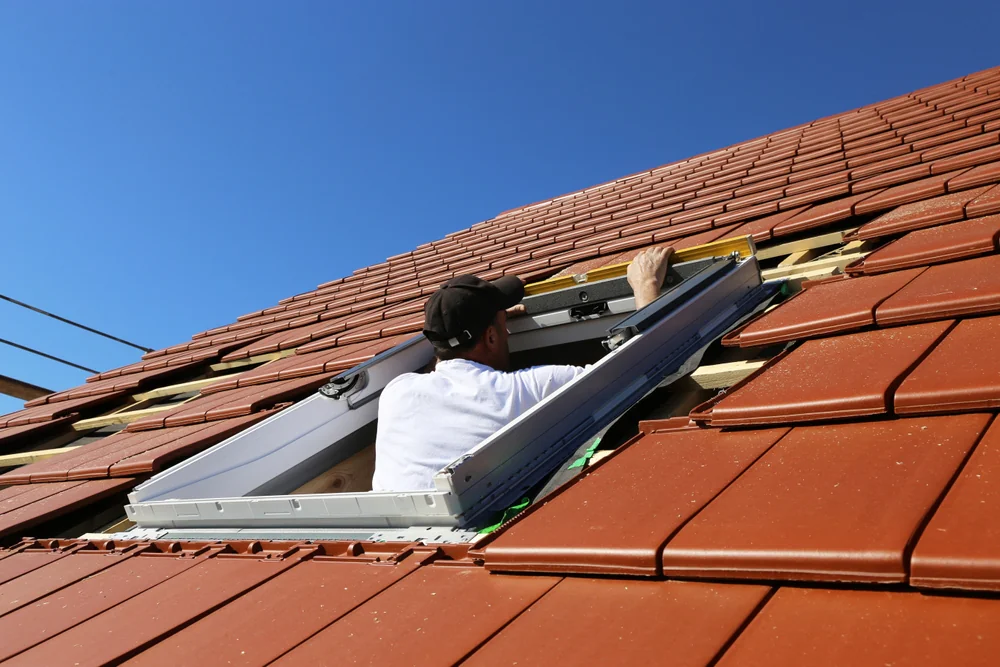
Here’s where having qualified storm roofers involved makes a real difference. Insurance adjusters are professionals, but they’re also working for the insurance company. Their job is to assess damage fairly—but they’re not incentivized to find every minor issue or recommend the most comprehensive repair approach.
A good storm damage roofing company will meet the adjuster at your property. We’ll walk the roof together, point out damage the adjuster might miss, and provide technical context about what repairs are actually necessary. This isn’t about inflating claims or creating problems that don’t exist. It’s about making sure nothing gets overlooked that could cause issues later.
The adjuster will create a report and an estimate. Your contractor should review it with you to make sure it covers everything that needs attention. Sometimes adjusters approve partial repairs when a full replacement is more appropriate—especially if your roof is older or if matching materials aren’t available. Sometimes they miss damage to flashing, gutters, or siding that occurred during the same storm event.
Understanding your policy matters too. Replacement Cost Value policies pay for full replacement without accounting for depreciation. Actual Cash Value policies only pay the depreciated value of your roof, which might not cover the full cost of repairs. Your storm roofers can help you understand what your policy type means for out-of-pocket costs, but we can’t change what your policy covers.
The timeline for insurance approval varies. Some claims get approved in a few days. Others take a week or two, especially after widespread storm events when insurance companies are handling hundreds of claims simultaneously. During this waiting period, temporary repairs like tarping are usually covered and prevent additional damage that could complicate your claim.
Realistic timelines help you plan and spot contractors making promises they can’t keep. For typical residential storm damage repairs in Essex County, you’re looking at one to three weeks from initial contact to completed work—assuming normal circumstances and insurance approval.
The breakdown looks like this. Initial inspection and damage assessment takes one to two days. Your contractor evaluates the damage, takes measurements and photos, and provides an estimate. Insurance approval adds three to ten days depending on your insurance company’s workload and how quickly they can schedule an adjuster visit. Material ordering takes another one to three days for standard roofing materials, longer if you need specialty products or if suppliers are backed up after a major storm.
The actual repair or replacement work typically takes one to three days for most residential roofs, depending on size and complexity. A simple shingle replacement on a ranch-style home might be done in a day. A full roof replacement on a larger two-story house with multiple valleys and penetrations takes longer.
But here’s what changes those timelines. After major storms that affect entire neighborhoods or regions, demand spikes dramatically. Every contractor in Essex County is suddenly booked solid. Material suppliers run low on popular shingles and components. Insurance adjusters are overwhelmed with claims. What normally takes two weeks might stretch to four or six weeks—not because anyone’s dragging their feet, but because the entire system is under strain.
Weather affects timelines too. You can’t install roofing in heavy rain, during severe cold snaps, or when snow and ice cover the roof. Massachusetts weather is unpredictable, and contractors working on your storm damage might face delays from additional storms during the repair period. Legitimate storm roofers build some buffer into their timelines for these realities. Contractors promising immediate starts and unrealistically fast completion are either overcommitted or cutting corners.
The complexity of your damage also matters. If storm damage affected your siding, gutters, and multiple roof components—not just shingles—you’re looking at a more involved project. This is where full-service exterior contractors have an advantage over roofing-only companies. We can handle everything in one coordinated project instead of you juggling multiple contractors for different repairs.
Storm damage is stressful enough without worrying whether your contractor will disappear before the work is done. The decisions you make in the days after a storm affect your home’s protection, your insurance payout, and your peace of mind for years to come.
Look for storm roofers with permanent local presence, proper licensing and insurance, and experience navigating Massachusetts weather and insurance claims. Ask questions. Verify credentials. Take time to make informed decisions even when you’re feeling pressure to act quickly. The right contractor won’t rush you—we’ll give you space to think clearly while also moving efficiently to prevent additional damage.
When you need comprehensive storm damage response in Essex County, Paradise Remodeling Inc brings full-service exterior contractor capabilities to the table. That means we assess and repair everything the storm affected—roofing, siding, gutters—with one experienced team that understands Massachusetts weather and stands behind our work long after the repairs are complete.
Summary:
Article details:
Share: