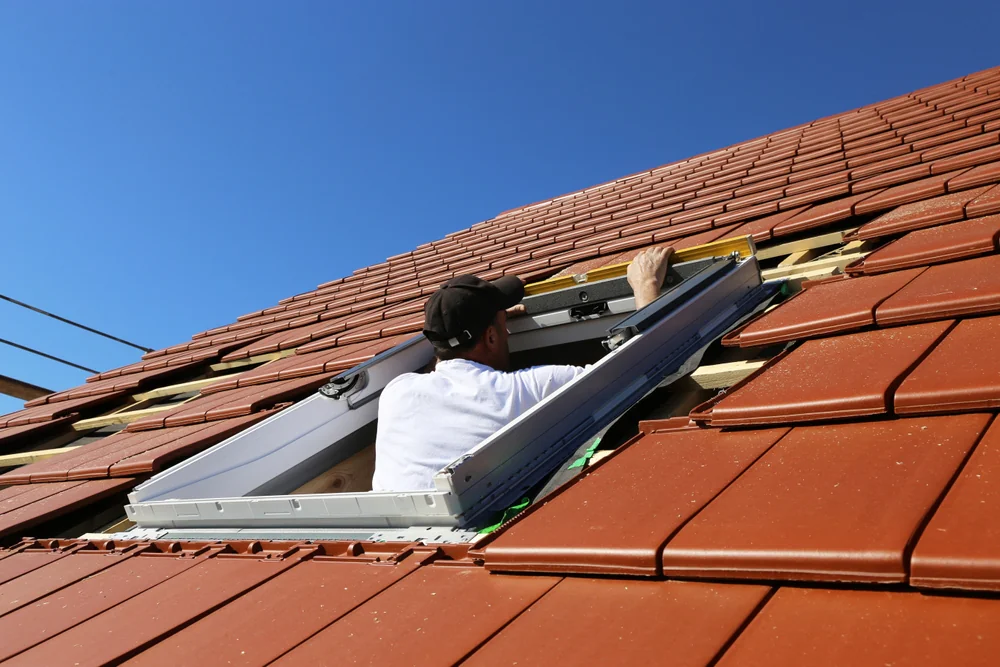
Tin roofing offers 40-70 year lifespan and superior weather resistance. Compare costs, installation requirements, and long-term value versus asphalt shingles for Massachusetts homes.
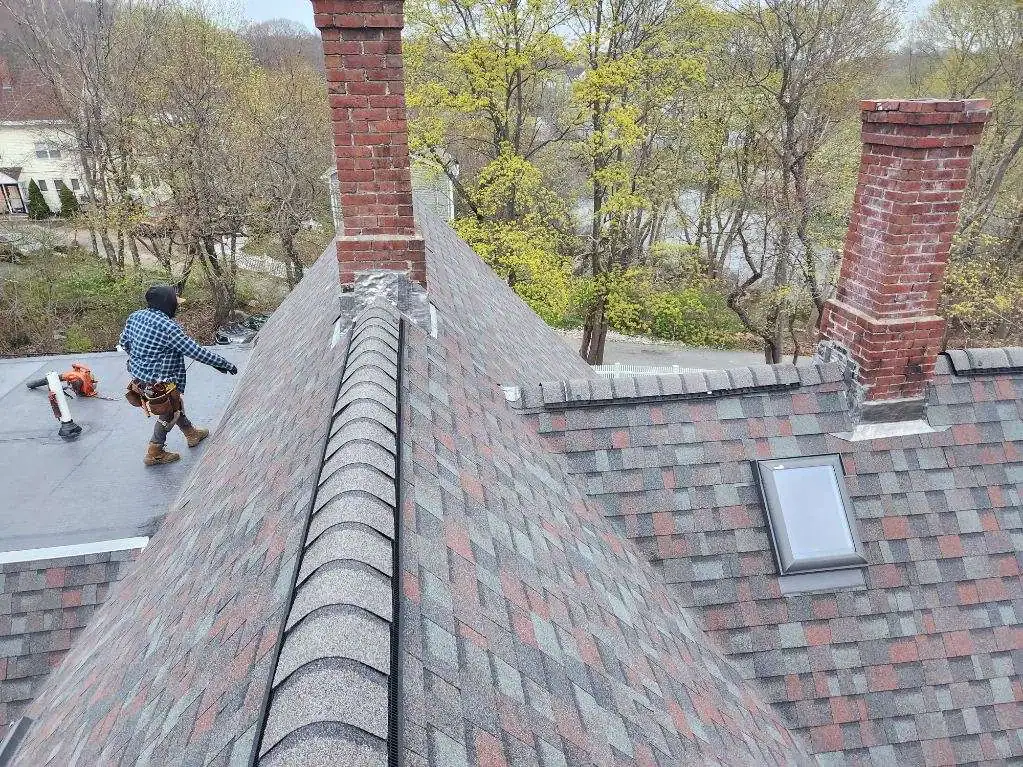
You’re looking at your roof and doing the math. Another replacement in 20 years, or invest more now and potentially never do this again? That’s the tin roofing question most Essex County homeowners face. Metal roofs cost roughly double what asphalt shingles do upfront, but they can last three times longer and handle New England winters without the constant ice dam headaches.
The real question isn’t just about price. It’s about whether a 50-year roof makes more sense than replacing asphalt shingles two or three times over the same period. Let’s break down what tin roofing actually costs in Massachusetts, how it performs through coastal storms and heavy snow, and what you need to know before choosing a contractor.
Tin roofing isn’t actually pure tin anymore. What most people call a tin roof today is steel or aluminum coated with a tin or zinc alloy for corrosion protection. The term stuck around from historical roofing, but modern metal roofing materials offer far better performance than the barn roofs your grandparents remember.
These systems come in three main styles. Standing seam features vertical panels with hidden fasteners and raised seams that interlock for a watertight seal. Corrugated or exposed fastener panels cost less but have fasteners driven through the metal, creating more potential leak points. Metal shingles mimic the look of traditional roofing while delivering metal’s durability. Each has different price points and performance characteristics that matter in Massachusetts weather.
The installation process requires specialized skills and equipment that separate this from standard shingle work. Panels need precise cutting and fitting. Fastening systems must accommodate thermal expansion and contraction. Flashing details around chimneys, valleys, and roof penetrations demand experience to prevent leaks. This is why contractor selection matters more with metal roofing than with asphalt.
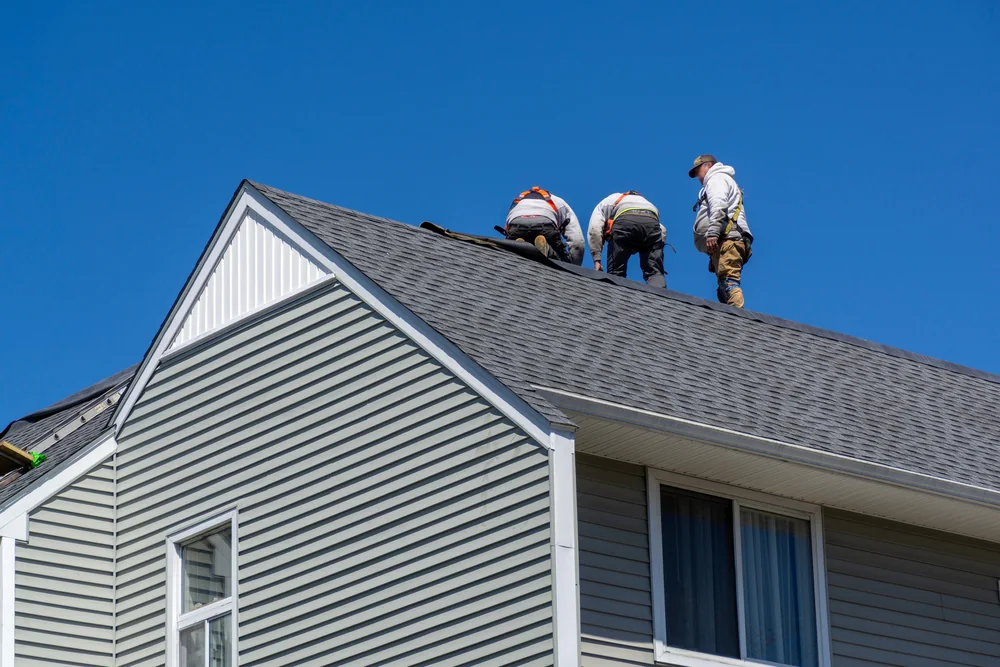
New England tests roofs harder than most climates. Heavy snow loads, ice dams from freeze-thaw cycles, coastal salt air, high winds, and dramatic temperature swings all take their toll. Metal roofing handles these conditions better than asphalt shingles in several specific ways.
Snow slides off metal surfaces naturally instead of accumulating. That smooth, slick surface that makes walking on a wet metal roof dangerous also prevents snow buildup that leads to ice dams and structural stress. When snow does melt, proper installation with adequate underlayment and ice barriers prevents water infiltration even during the worst nor’easters Essex County sees.
Ice dams form when heat escaping through your attic melts snow on the upper roof, which then refreezes at the colder eaves. Metal roofing doesn’t eliminate this issue entirely, but the snow-shedding properties reduce ice dam formation significantly compared to textured asphalt shingles that trap snow. Combined with proper attic insulation and ventilation, metal roofs minimize one of the biggest headaches facing Massachusetts homeowners each winter.
Wind resistance matters along the coast and during severe storms. Quality metal roofing systems are rated for winds up to 140-165 mph when properly installed. The interlocking panel design and secure fastening systems resist uplift forces that can tear asphalt shingles right off the roof. After major storms, you’ll notice metal roofs still intact while neighbors deal with missing shingles and tarp-covered damage.
Coastal conditions present another challenge. Salt air accelerates corrosion on many materials. For Essex County properties near the ocean, aluminum roofing resists saltwater corrosion better than steel options. Manufacturers typically won’t warranty steel roofs within certain distances from the coast, making material selection important based on your specific location.
Temperature extremes cause asphalt shingles to expand during hot days and contract during cold nights. Over years, this cycle creates cracking and curling that shortens roof lifespan. Metal roofing systems are engineered with fastening methods that accommodate thermal movement without degrading the material itself. Properly installed systems handle Massachusetts temperature swings from below zero to 90-plus degrees without the wear you see on asphalt.
A properly installed metal roof in Massachusetts should last 40 to 70 years. Some premium materials like copper or zinc can exceed 100 years with minimal maintenance. Compare that to asphalt shingles that typically need replacement every 15 to 30 years in New England’s climate, and the longevity advantage becomes clear.
The lifespan difference means most homeowners install one metal roof and never replace it again. If you’re 45 years old and install a metal roof today, there’s a good chance you’ll never pay for another roof on that house. With asphalt shingles, you’re likely looking at two or possibly three replacements over the same period.
Maintenance requirements are minimal but not zero. Annual inspections check for loose fasteners, damaged flashing, and debris accumulation in valleys. These inspections take less time and cost less than the regular shingle repairs, moss treatments, and algae cleaning that asphalt roofs require. Most metal roofing problems stem from installation errors rather than material failure, which is why contractor selection matters so much upfront.
Warranties typically separate into two categories. Material warranties from manufacturers cover paint fade and substrate corrosion for 30 to 50 years. Workmanship warranties from your contractor cover installation defects for 2 to 10 years depending on the company. Understanding what each warranty covers and doesn’t cover prevents surprises if issues develop.
The warranty often requires periodic inspections and maintenance documentation. Failing to clear debris, allowing moss growth, or making unauthorized modifications can void coverage. Read the fine print and keep records of any maintenance performed. Most homeowners find the maintenance requirements reasonable compared to the constant attention asphalt roofs demand.
One consideration is repair complexity. When asphalt shingles get damaged, you can replace individual shingles relatively easily. Metal panel systems, especially standing seam, require more specialized repair work. Finding contractors willing to repair metal roofs installed by others can be challenging. This makes choosing an established local contractor even more important since you want them available for warranty work and future repairs.
Want live answers?
Connect with a Paradise Remodeling Inc. expert for fast, friendly support.
Metal roofing costs in Massachusetts run $10 to $18 per square foot installed as of 2026. For a typical 2,000 square foot roof, expect $20,000 to $36,000 depending on material choice, roof complexity, and contractor rates. Standing seam systems hit the higher end at $14 to $18 per square foot. Corrugated or exposed fastener panels start around $7 to $12 per square foot. Metal shingles fall somewhere in between.
Asphalt shingles cost $3 to $7 per square foot installed in the same area. That’s roughly half to one-third the price of metal, which explains why sticker shock stops many homeowners from considering metal options. The upfront cost difference is real and significant.
The long-term calculation changes the picture. One metal roof lasting 50 years competes against two or three asphalt roofs over the same timeframe. If asphalt costs $12,000 today and you replace it twice more at inflating prices over 50 years, you’re likely spending $35,000 to $45,000 total. The $28,000 metal roof starts looking different when you frame it that way.
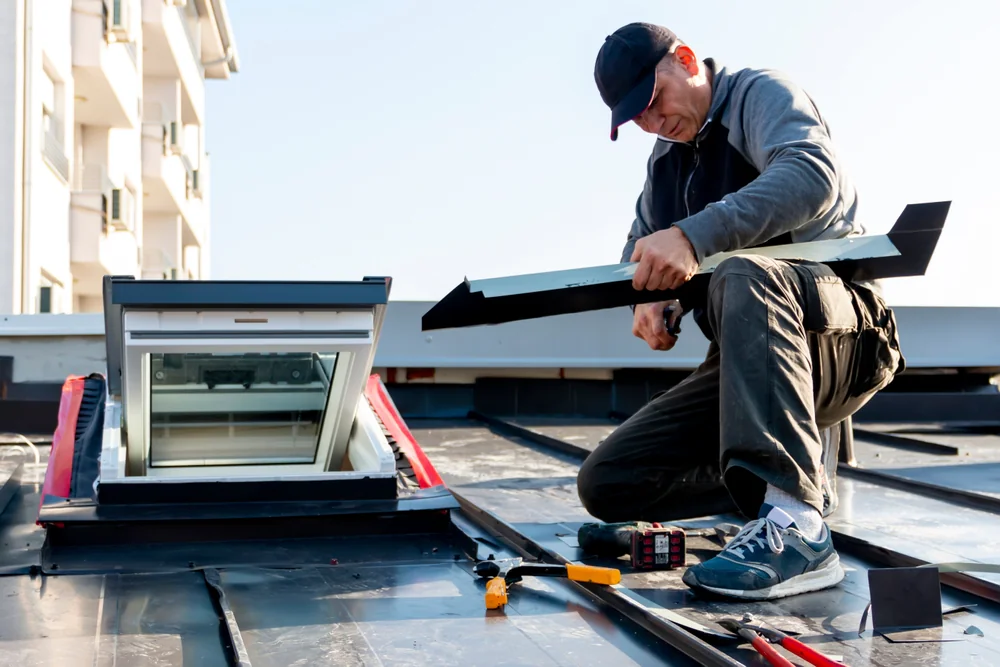
Several factors push metal roofing costs up or down beyond just material selection. Roof pitch matters significantly. Steeper roofs require more safety equipment, take longer to install, and need additional materials. Labor costs increase on steep pitches, sometimes adding several thousand dollars to the project.
Roof complexity drives costs more for metal than for asphalt. Multiple dormers, valleys, chimneys, skylights, and other penetrations require custom flashing and careful detail work. Each penetration point needs weathertight integration with the metal panel system. Simple gable roofs cost less per square foot than complex hip roofs with multiple features.
Tear-off and disposal add $1,000 to $7,000 depending on the existing roof condition and accessibility. Some homeowners ask about installing metal over existing shingles to save removal costs. While possible in some cases, complete tear-off is usually recommended. Removing old materials lets contractors inspect and repair roof decking, ensures proper underlayment installation, and prevents trapped moisture issues.
Underlayment quality matters in New England. Basic synthetic underlayment costs less than premium ice and water shield membranes. For Massachusetts installations, many contractors recommend ice and water shield extending at least six feet from the eaves, covering valleys, and protecting areas around chimneys and penetrations. This adds cost but prevents the water infiltration that causes expensive interior damage.
Additional features like snow guards, heating cables for ice dam prevention, or upgraded ventilation systems add to the total. These aren’t always necessary, but they solve specific problems on certain roofs. Snow guards prevent dangerous ice and snow slides near entryways. Heating cables keep critical areas clear during heavy winters. Proper ventilation prevents moisture buildup and extends roof life.
Permit fees in Essex County municipalities typically run $200 to $500. Your contractor should handle permits and inspections, but verify this is included in the quote. Building codes require specific installation methods, ice barriers, and wind ratings for this region. Inspections ensure compliance and protect you from substandard work.
Labor represents 40 to 60 percent of total metal roofing costs. Experienced metal roofing installers command higher rates than general roofers because the specialized skills matter. This isn’t where you want to cut costs. Poor installation voids warranties, creates leak points, and can require complete reinstallation to fix properly.
The value comparison goes beyond just counting roof replacements. Energy savings add up over decades. Metal roofing reflects solar heat rather than absorbing it, reducing cooling costs by 15 to 40 percent depending on color choice and coating. In Massachusetts, where air conditioning runs several months per year, this creates measurable savings.
Proper insulation underneath metal roofing also improves winter heating efficiency. The combination of reflective properties and quality underlayment creates better thermal performance year-round. While asphalt shingles absorb environmental heat and increase interior temperatures, metal roofing helps maintain more stable attic temperatures.
Maintenance costs differ significantly over time. Asphalt roofs require regular repairs after storms, periodic moss and algae treatments, gutter cleaning to prevent ice dams, and eventual replacement. These costs add up to $2,000 to $4,000 over 20 to 30 years before you even pay for replacement. Metal roofs need occasional inspections and minor fastener adjustments but avoid most repair expenses.
Home resale value gets a boost from metal roofing. Studies show metal roofs increase home value by 1 to 6 percent and provide 50 to 60 percent return on investment at resale. Buyers recognize metal roofing as a premium feature and appreciate not facing roof replacement for decades. In competitive real estate markets, a quality metal roof can differentiate your property from similar homes.
Insurance companies sometimes offer discounts for metal roofing due to superior fire resistance and wind performance. The discounts vary by insurer and location, but they can offset a portion of the higher upfront cost over the roof’s lifetime. Check with your insurance agent about potential savings before making your decision.
The environmental impact matters to some homeowners. Metal roofing is fully recyclable at end of life, unlike asphalt shingles that fill landfills. Many metal roofing products contain recycled content. If you replace asphalt shingles three times over 60 years, that’s three loads of waste material. One metal roof eliminates two of those disposal events entirely.
Running the actual numbers for your situation makes the decision clearer. Calculate total costs including installation, expected maintenance, energy savings, and eventual replacement over 40 to 50 years. Factor in your plans for the property. If you’re selling in five years, metal roofing might not make financial sense. If you plan to stay 20-plus years, the math usually favors metal.
The contractor you choose matters as much as the material decision. Metal roofing installation requires specialized knowledge that general roofers might not have. Look for contractors with at least three years of metal roofing experience specifically, not just general roofing work. Ask for references from metal roofing projects and verify they’re licensed, insured with both general liability and workers’ compensation, and willing to provide detailed written estimates.
Manufacturer certifications indicate a contractor has received training on specific products and installation methods. These certifications often come with enhanced warranty coverage. Check that your contractor can explain the differences between standing seam, corrugated, and metal shingle systems and recommend the right option for your roof design and budget.
Tin roofing represents a significant investment with payoff measured in decades rather than years. The higher upfront cost buys you superior weather resistance, minimal maintenance, energy efficiency, and a roof that can last longer than you’ll own the house. For Essex County homeowners tired of dealing with ice dams, frequent repairs, and the prospect of multiple roof replacements, metal roofing solves real problems.
We work with homeowners throughout Massachusetts and New Hampshire on exterior remodeling projects including metal roofing installation. Whether you’re comparing options, getting estimates, or ready to move forward with a metal roof, talking with experienced contractors who understand New England weather challenges helps you make the right decision for your property and budget.
Summary:
Article details:
Share: