Most homeowners don't lose money on roof insurance claims because of the storm. They lose it because of what happens after — and who they let handle it.
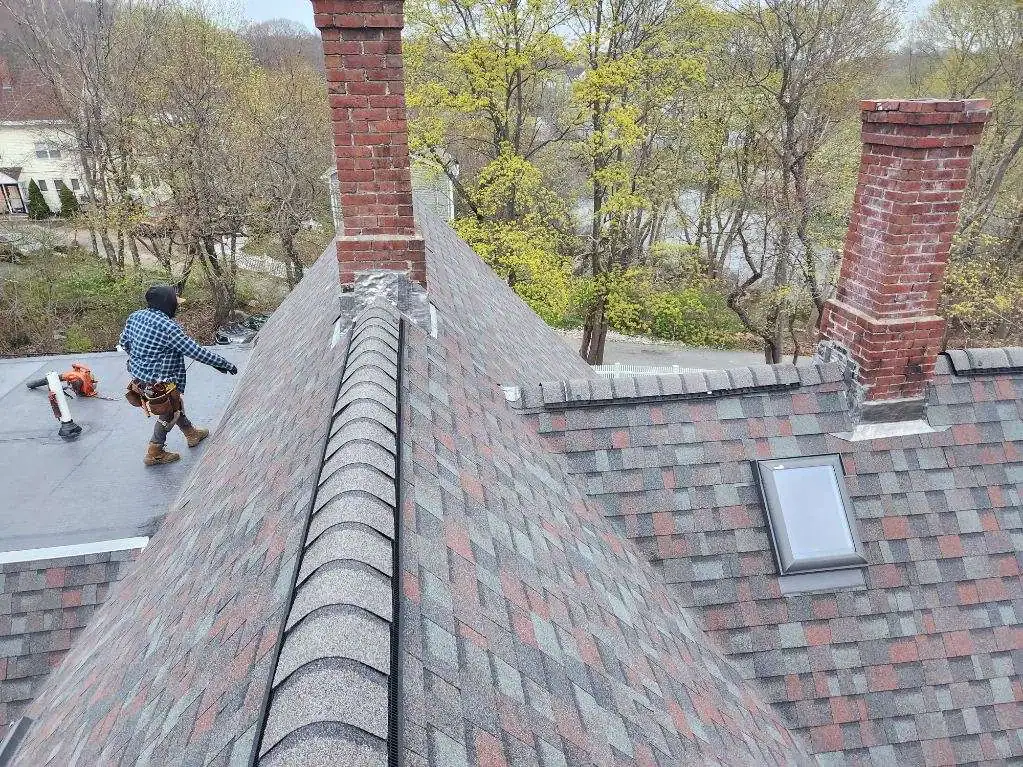
A storm rolls through Essex County. You find shingles in the yard, maybe a water stain on the ceiling. You call your insurance company, file a claim, and figure the hard part is over. It’s not. The hard part is what comes next — choosing the right contractor, understanding the adjuster’s report, and making sure the payout you’re entitled to actually covers the work that needs to be done.
Most homeowners don’t know where the process goes sideways until it already has. This post breaks down exactly where that happens, and what to watch for before you sign anything.
The basic sequence isn’t complicated. You file a claim, an adjuster comes out to assess the damage, they produce a report with a scope of work, and you use that report to get contractor estimates. Once the work is complete, your insurer pays out — sometimes in two installments, sometimes one, depending on your policy.
Where most homeowners run into trouble is in the gaps between those steps. The adjuster’s report is written in industry shorthand that’s hard to parse. The contractor you hire may not match their scope of work to that report. And the check that arrives after approval may be significantly less than what the repair actually costs — not because you were underpaid, but because of how replacement cost policies handle depreciation.
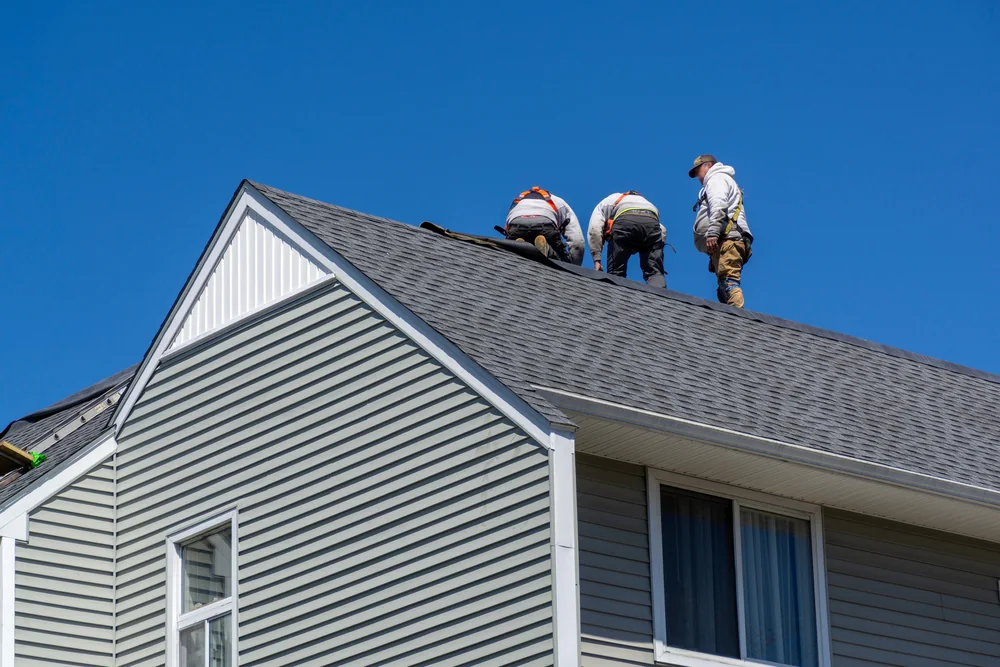
This is the step that costs homeowners the most money, and almost no one talks about it clearly. When an insurance adjuster approves your claim, they produce a line-item report — a detailed breakdown of what damage they found and what they’re authorizing payment for. That report is the financial blueprint for the roof repair.
The problem is that not every contractor reads it that way. Some contractors submit their own estimate without ever cross-referencing the adjuster’s report. If their scope is narrower than what the adjuster approved, you end up leaving covered money on the table — paying out of pocket for work the insurance company already agreed to fund. If their scope goes beyond what was approved without a documented reason, you’re looking at a billing dispute that can stall the entire job.
A legitimate contractor who handles insurance claims regularly will sit down with that adjuster’s report and go through it line by line. They’ll flag anything that was missed — a damaged ridge cap, compromised flashing, gutters that took a hit from the same storm — and file what’s called a supplemental claim to get those items added before work begins. That’s not upselling. That’s doing the job correctly.
Nor’easters rarely limit their damage to just the roof. A bad wind event in Haverhill, Lawrence, or Salem can strip shingles, bend gutters, and crack siding panels all in one pass. An adjuster who spends forty minutes on a ladder may not catch all of it. A contractor who’s worked these neighborhoods for years knows what to look for — and knows how to document it in a way the insurance company will accept.
The scope alignment step is where the difference between an experienced insurance claim roofer and a general contractor becomes most visible. It’s also where storm chasers — contractors who follow severe weather events from town to town — tend to cut corners fastest, because they’re moving on to the next job before the paperwork catches up with them.
If you have a Replacement Cost Value policy — which most homeowners in Massachusetts do — your insurance company will send you an initial payment that’s less than your contractor’s full estimate. This confuses a lot of people, and understandably so. You filed a claim for a roof replacement. The adjuster approved it. So why is the check short?
What’s happening is called depreciation holdback. Your insurer calculates what your roof is worth today, factoring in age and wear, and pays you that amount first. That’s the Actual Cash Value, or ACV. The remaining amount — the difference between what it costs to replace the roof at current prices and what the depreciated roof was worth — is held back until the work is completed and documented.
Once the job is done and you submit the final invoice and any required paperwork, your insurer releases the second payment. That second check is the depreciation release, and it’s money you’re entitled to under your policy. But you only get it if the work is completed, documented correctly, and submitted on time.
This is where predatory contractors cause real harm. Some will take the ACV check, do a partial job, and disappear before the depreciation release is ever filed. Others will pocket the difference, telling the homeowner the first check was the full settlement. Either way, the homeowner ends up with a half-finished repair and no recourse.
The fix is straightforward but requires the right contractor. You need someone who understands the ACV/RCV process, will walk you through both payments before work begins, and will handle the documentation required to unlock the depreciation release. If a contractor can’t explain this to you clearly before you sign anything, that’s a problem worth paying attention to.
Essex County’s older housing stock — a lot of which was built before 1980 — means depreciation holdbacks can be significant. A roof on a 40-year-old colonial in Andover or a Victorian in Salem, MA may have substantial age-related depreciation factored in. Understanding what you’re owed on the back end of the claim is just as important as getting the adjuster’s initial scope right.
Want live answers?
Connect with a Paradise Remodeling Inc. expert for fast, friendly support.
Within 24 to 72 hours of a significant hail or wind event, Essex County neighborhoods see a wave of door-to-door contractors. Some arrive in unmarked trucks. Some claim to have been sent by your insurance company — which is not something insurance companies do. Some offer to waive your deductible, which sounds like a good deal and is actually insurance fraud that can result in criminal charges for both the contractor and the homeowner.
After every major Nor’easter or summer storm, it’s a predictable pattern. And it targets homeowners at the worst possible moment — when they’re stressed, dealing with active damage, and under pressure to make a decision fast.
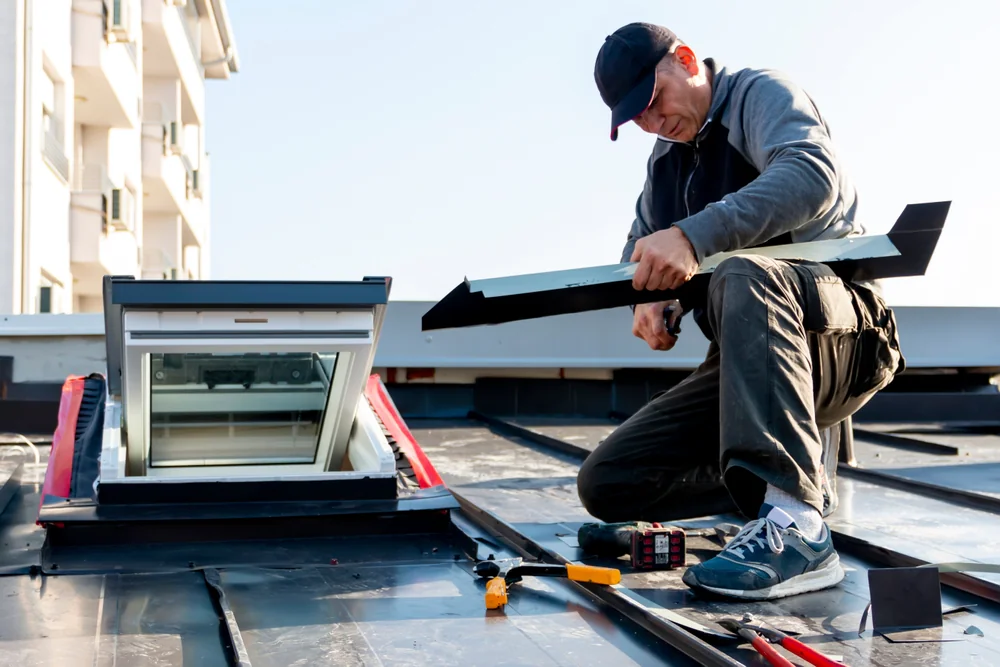
The unmarked truck is the fastest signal. A legitimate local contractor has company branding on their vehicle because they’re building a reputation in a community they plan to work in for years. A storm chaser has no such incentive — they’ll be in the next county by the time any problems surface.
Beyond that, look for a verifiable local address. Not a phone number. Not a website with a stock photo of a generic city skyline. An actual physical address you can look up and confirm. In Massachusetts, you can also verify a contractor’s Home Improvement Contractor registration — HIC registration is required by state law for any residential roofing work over $1,000, and it’s publicly searchable through the Office of Consumer Affairs and Business Regulation. If a contractor can’t give you their HIC registration number, you have no consumer protections and no recourse if the job goes wrong.
Ask whether they pull permits. In Massachusetts, a building permit is required for roof replacement in all 351 municipalities. It’s not optional. A contractor who skips the permit is cutting a corner that can come back on you — if your insurance company discovers unpermitted work during a future claim, they can deny coverage.
The deductible waiver offer is a hard stop. If a contractor tells you they’ll “take care of” your deductible, or that you won’t have to pay it, walk away. What they’re describing is insurance fraud — they inflate the invoice to cover the deductible, which constitutes misrepresentation to your insurer. You can be held legally responsible for participating in it, even if you didn’t initiate it.
A storm that hits Methuen, Lawrence, or Gloucester doesn’t care where the contractor is from. But you should. A company that’s been working Essex County for years has a local reputation to protect, a physical presence you can verify, and a track record of completed projects you can actually check.
The difference between a contractor who does insurance claim work well and one who doesn’t isn’t always visible from the outside. Here’s what to look for in practice.
A trustworthy contractor will meet your insurance adjuster on-site. This matters because adjusters are not always roofing experts. They’re trained to assess damage, but they may miss a compromised piece of flashing, a cracked ridge cap, or gutter damage that happened in the same storm. A contractor who walks the adjuster through the roof and points out what they’re seeing — without manufacturing or exaggerating damage — is protecting your payout.
They’ll provide a written, itemized estimate before any work starts. Not a ballpark. A line-item breakdown of materials, labor, and timeline that you can hold up against the adjuster’s report and compare. If the numbers don’t align, you want to know why before work begins, not after.
They’ll explain the full payment process — both checks, the depreciation release, what documentation is needed, and what your timeline looks like. If a contractor seems vague about how the insurance payment works, that vagueness will cost you money.
They’ll carry liability insurance and workers’ compensation. Both. And they’ll show you proof without you having to push for it.
Storm damage rarely stops at the roof. A bad Nor’easter can take out gutters in Beverly, damage siding in Newburyport, and compromise a skylight in Gloucester — all in the same event. Working with a contractor who can handle the full exterior scope under one contract means one estimate, one scope of work, one set of documentation for the insurance file, and one point of contact if anything needs to be addressed after the job is done. That simplicity matters a lot when you’re already navigating a claim.
We’re based in Methuen, MA — inside Essex County — and we’ve been working these communities through New England winters long enough to know what storm damage looks like here, what insurance adjusters look for, and how to make sure the process doesn’t go sideways on you. Our HIC License number is #195972, verifiable through OCABR. We’re an Owens Corning Preferred Contractor. We pull permits. We document everything. And we’ll walk you through both payments before we start a single shingle.
The insurance claim process isn’t designed to be confusing — but it has enough moving parts that the wrong contractor can cost you real money without you realizing it until it’s too late. The scope alignment step, the depreciation holdback, the adjuster meeting, the permit — each one is a place where an inexperienced or predatory contractor cuts a corner that lands on you.
What you’re looking for is a contractor who knows this process from the inside, has a verifiable presence in your community, and will be around to answer for the work after the check clears. That’s a short list in any market.
If you’re dealing with storm damage in Essex County and want a straight answer about what your claim should cover and what the repair actually involves, reach out to Paradise Remodeling Inc. We’ll take a look, give you an honest assessment, and walk you through the process from inspection to final walkthrough — no pressure, no runaround.
Summary:
Article details:
Share: