Not all flat roof materials handle New England winters the same way. Learn how EPDM rubber roofing and TPO membranes compare for durability, energy efficiency, and long-term value in Essex County, MA.
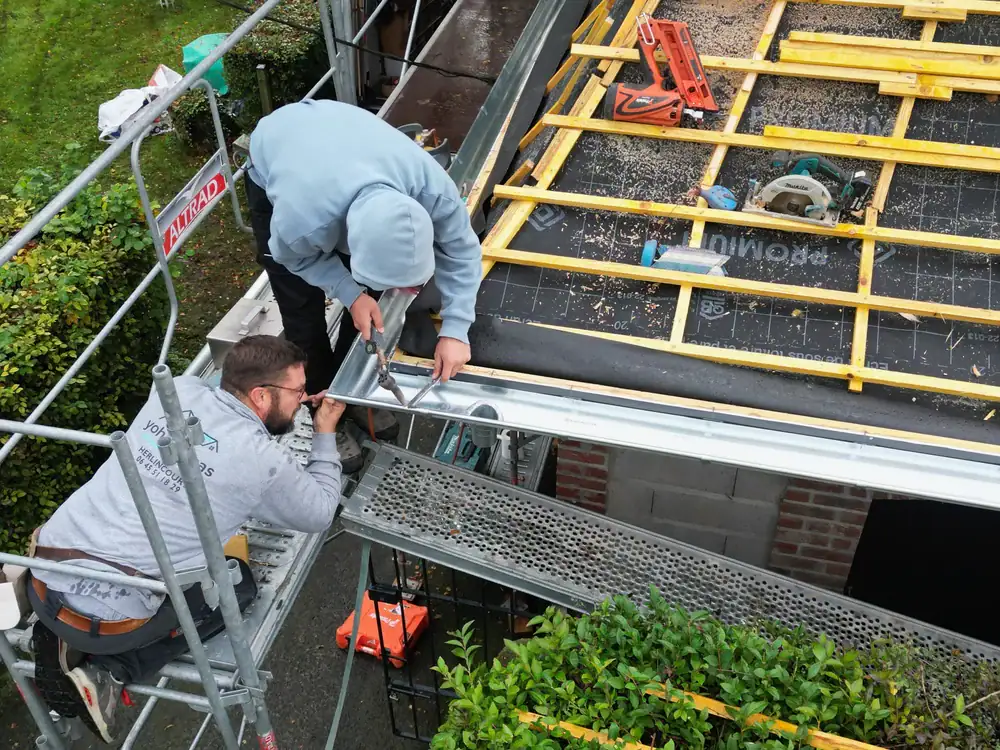
Your flat roof is showing wear. Maybe there’s ponding water after storms, or you’ve noticed the membrane pulling away at the edges. Now you’re hearing about EPDM and TPO, and everyone seems to have a different opinion on which one’s better. Here’s what actually matters: Massachusetts weather doesn’t care about marketing claims. Freeze-thaw cycles, snow loading, and coastal exposure will test whatever material you choose. This comparison cuts through the noise to show you how EPDM rubber roofing and TPO membranes really perform in Essex County’s climate—and when each one makes the most sense for your property.
Flat roofing systems rely on membrane materials that create a continuous, waterproof barrier across your roof. The two most common choices—EPDM and TPO—take fundamentally different approaches to that job.
EPDM is a synthetic rubber membrane, typically black, that’s been protecting commercial and residential flat roofs for over 60 years. TPO is a thermoplastic membrane, usually white, that combines plastic and rubber properties. Both are single-ply systems, meaning they create protection with one layer of material rather than the multiple layers of older built-up roofing.
The choice between them isn’t about which one is “better” overall. It’s about which one handles your specific situation—your building type, your budget, and especially the climate challenges your roof faces every winter in Massachusetts.
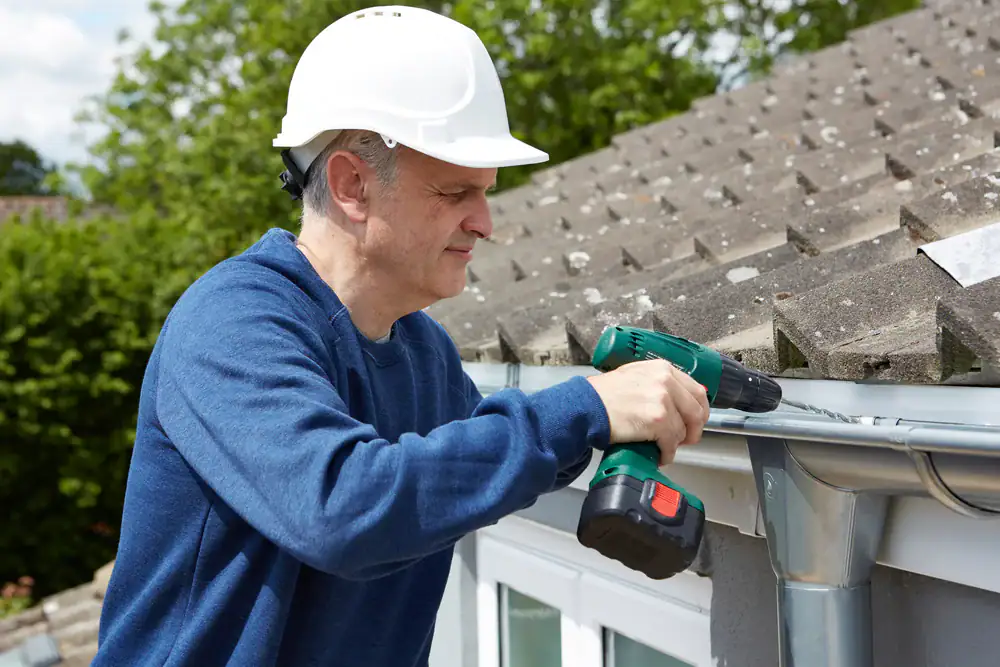
EPDM’s reputation in New England comes from one thing: it stays flexible when temperatures drop below freezing. That rubber-based material can stretch up to 300% in all directions and recover its original shape when the stress releases. When you’re dealing with freeze-thaw cycles that happen dozens of times each winter in Essex County, that flexibility prevents the cracking and splitting that end other roofing materials prematurely.
The black membrane absorbs heat during sunny winter days, which can help with ice and snow melt. But that same characteristic means EPDM roofs get hot in summer, potentially increasing cooling costs for the space below. If your flat roof sits over a bedroom, office, or temperature-controlled commercial space, that heat absorption becomes a real consideration.
Installation involves large rolls that minimize the number of seams on your roof. Fewer seams mean fewer potential leak points. Those seams that do exist get sealed with adhesive tapes or liquid adhesives rather than heat welding. When properly installed, EPDM systems can last 40 years or more—some installations from the 1960s are still performing today.
EPDM handles ponding water better than many alternatives. Water that sits on the roof for 48 hours or longer will eventually challenge any membrane, but EPDM’s resistance to standing water makes it more forgiving when drainage isn’t perfect. That matters in Massachusetts where heavy rains and rapid snowmelt can overwhelm roof drains.
The material is also more forgiving during installation. It doesn’t require the specialized heat-welding equipment that TPO needs, and repairs can often be completed with simple adhesives and patches. For property owners, that translates to potentially lower repair costs and more contractors capable of handling the work.
Cost-wise, EPDM typically runs $6 to $10 per square foot installed for commercial applications. Residential projects may vary depending on roof size and complexity. The lower upfront cost compared to some alternatives makes EPDM attractive when budget is a primary concern, especially if you’re willing to accept the trade-off in energy efficiency.
TPO’s white surface is its most visible difference from EPDM, but that color does more than look clean. On a 90-degree summer day, a white TPO roof can measure 50 degrees cooler than a black EPDM roof. That temperature difference translates directly to reduced air conditioning costs, which is why TPO has captured about 40% of the commercial flat roofing market.
The energy efficiency matters year-round. While EPDM absorbs heat, TPO reflects it. For buildings with occupied spaces directly below the roof—retail centers, office complexes, or modern residential designs—that reflective property can meaningfully reduce utility bills over the roof’s lifespan.
TPO installation creates seams by heat-welding the membrane edges together. Those heat-welded seams are nearly four times stronger than EPDM’s adhesive seams. The welding process literally melts the membrane edges together, creating a bond that becomes the strongest part of the entire roof system. Water can’t penetrate a properly welded seam.
But here’s the catch: 99% of TPO leaks stem from improper seam attachment. That statistic highlights why contractor experience matters more with TPO than with EPDM. The specialized equipment and technique required for heat welding means you need a contractor who’s done it hundreds of times, not someone learning on your roof.
TPO membranes typically last 20 to 30 years with proper installation and maintenance. That’s shorter than EPDM’s potential 40-plus-year lifespan, but the material is newer—it’s only been widely used for about 20 years. Some formulations have performed better than others, which is why working with established manufacturers matters.
The material handles Massachusetts weather reasonably well. It resists punctures better than EPDM, which matters when you’re dealing with falling branches or hail. The reinforced structure—usually a polyester mesh sandwiched between thermoplastic layers—adds strength without adding significant weight.
TPO also resists mold, algae, and dirt accumulation better than EPDM. That white surface stays cleaner longer, which matters if the roof is visible from upper-floor windows or neighboring buildings. The material doesn’t require pressure washing to maintain its appearance.
Installation costs run slightly higher than EPDM, typically $7 to $11 per square foot for commercial applications. You’re paying for the specialized labor and equipment required for heat welding. But when you factor in potential energy savings over 20 years, the total cost of ownership often favors TPO for climate-controlled buildings.
Want live answers?
Connect with a Paradise Remodeling Inc. expert for fast, friendly support.
Most flat roof problems start small. A seam that’s beginning to lift, a drain that’s partially clogged, a blister in the membrane that hasn’t ruptured yet. Caught early, these issues cost a few hundred dollars to fix. Left alone through a Massachusetts winter, they rarely stay small.
The question isn’t whether to address problems—it’s whether to repair what’s there, restore the entire system, or replace it completely. That decision comes down to the roof’s age, the extent of damage, and what you’re planning for the property. A roof that’s 15 years old with localized damage is a very different situation from one that’s 25 years old with widespread membrane deterioration.
Understanding your options helps you spend money where it actually solves the problem rather than just delaying the inevitable.
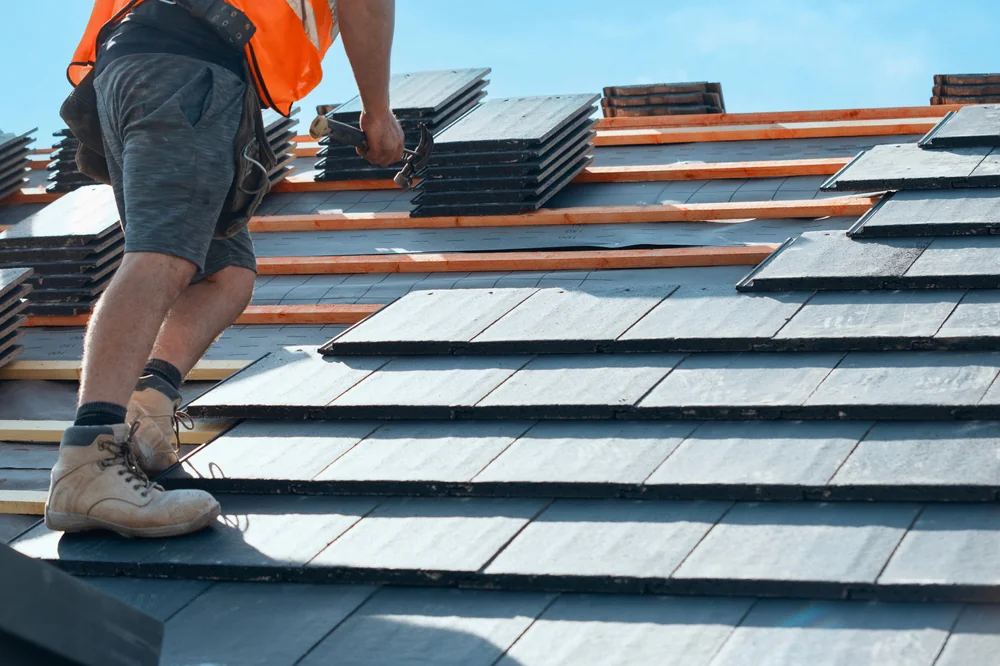
Ponding water is the issue that causes most other flat roof problems. When water sits on your roof for more than 48 hours after rainfall, it’s finding low spots that shouldn’t be there. Maybe the roof has settled, or the original installation didn’t create adequate slope toward the drains. Either way, that standing water breaks down membrane materials faster than anything else.
Fixing ponding water might mean installing additional drains, creating tapered insulation systems to improve slope, or addressing structural sagging. Sometimes it’s as simple as clearing clogged drains and keeping them maintained. A professional assessment tells you which situation you’re dealing with.
Membrane punctures happen. Foot traffic, falling branches, HVAC equipment installation—all of these can tear or puncture your roofing membrane. Small punctures in EPDM can often be patched with adhesive and matching membrane material. TPO punctures require heat welding a patch in place, which is why you need someone with the right equipment.
Seam separation is where EPDM and TPO differ most in their failure patterns. EPDM seams fail when the adhesive breaks down, usually from age, UV exposure, or water infiltration. You’ll see the membrane edges pulling apart. TPO seams fail when they weren’t welded properly in the first place—the heat wasn’t hot enough, the pressure wasn’t adequate, or the overlap wasn’t sufficient.
Repairing EPDM seams involves cleaning the area, applying new adhesive or seam tape, and ensuring proper overlap. TPO seam repairs require cutting out the failed section and heat-welding new material in place. Both repairs work when done correctly, but TPO repairs demand more specialized skill.
Flashing failures around roof penetrations—vents, skylights, HVAC units—cause a disproportionate number of leaks. These transitions between the flat membrane and vertical surfaces are where water finds its way in. Proper flashing installation uses compatible materials, adequate overlap, and appropriate sealants. When flashing fails, water doesn’t just leak—it often travels along the roof deck before showing up inside, making the source hard to locate.
Blistering occurs when air or moisture gets trapped under the membrane. Temperature changes cause that trapped air to expand and contract, creating bubbles in your roof. Small blisters that aren’t growing can sometimes be monitored. Once a blister cracks open, it needs repair before water gets underneath and causes deck damage.
The key with flat roof repair is addressing problems before they multiply. A $500 seam repair today prevents a $5,000 deck replacement next year. Regular inspections—ideally twice a year, in spring and fall—catch these issues when they’re still manageable.
Roof restoration sits between repair and replacement. Instead of fixing individual problems or tearing everything off, restoration rejuvenates your entire existing roof system. For flat roofs that are aging but structurally sound, restoration can add 10 to 15 years of life at 30 to 50 percent of replacement cost.
The restoration process starts with thorough cleaning to remove dirt, algae, and debris that have accumulated over years. Then we repair any damage—patching punctures, resealing seams, fixing flashing. Once the repairs are complete, we apply a protective coating system that creates a new waterproof layer over your existing membrane.
Both EPDM and TPO roofs can be restored using fluid-applied coating systems. These coatings are specifically formulated to adhere to the existing membrane, creating a seamless barrier that eliminates the weak points where traditional membranes join. The coating conforms to every detail of your roof—around penetrations, along edges, over fasteners.
Restoration makes the most sense when your roof is between 10 and 20 years old. Earlier than that, and the existing roof probably doesn’t need it yet. Later than that, and you’re likely looking at underlying issues that coating can’t solve. If your roof has widespread membrane shrinkage, multiple layers already in place, or structural damage to the deck, replacement becomes the better investment.
The cost difference is significant. A typical restoration might run $4,000 to $8,000 for a residential flat roof, while full replacement could cost $12,000 to $25,000 or more. For commercial applications, restoration costs roughly $3 to $6 per square foot compared to $7 to $12 per square foot for replacement.
Energy efficiency gets a boost with restoration, too. Most coating systems are white or light-colored, providing the same reflective benefits as TPO even if your underlying membrane is black EPDM. You get the durability of your existing EPDM with the energy efficiency of a reflective surface.
Restoration is also less disruptive than replacement. The work can often be completed in days rather than weeks, with no tear-off required. There’s no heavy debris removal, no exposure of your building interior to weather during the project, and significantly less waste going to landfills.
The warranties on quality restoration systems typically run 10 to 15 years, shorter than the warranties on new roofs but substantial enough to provide real protection. When applied by certified contractors, these warranties cover both materials and workmanship.
Timing matters with restoration. Spring and fall offer the best weather conditions in Massachusetts—temperatures in the range that coating materials cure properly, and lower chance of rain interrupting the application. Winter and mid-summer create challenges that can affect coating performance.
The choice between EPDM and TPO comes down to your priorities. If you value proven longevity, cold-weather flexibility, and lower upfront cost, EPDM delivers. If energy efficiency, seam strength, and a cleaner appearance matter more, TPO makes sense. Neither one is universally better—they’re built for different situations.
Massachusetts climate challenges both materials, but in different ways. EPDM handles freeze-thaw cycles and ponding water with time-tested resilience. TPO offers superior energy efficiency and stronger seams when properly installed. Your building type, budget, and long-term plans should drive the decision more than general preferences.
When you’re facing repair, restoration, or replacement decisions, the roof’s age and condition matter more than the calendar. A 15-year-old roof with localized issues might need targeted repairs. A 20-year-old roof showing widespread wear could be a perfect restoration candidate. A 30-year-old roof with structural problems likely needs replacement. We work with property owners throughout Essex County, MA to assess these situations honestly and recommend solutions that actually fit the circumstances—whether that’s EPDM, TPO, or another flat roofing system entirely.
Summary:
Article details:
Share: