Hiring multiple contractors for one project sounds simple — until something goes wrong. Here's what Essex County homeowners need to know before signing anything.
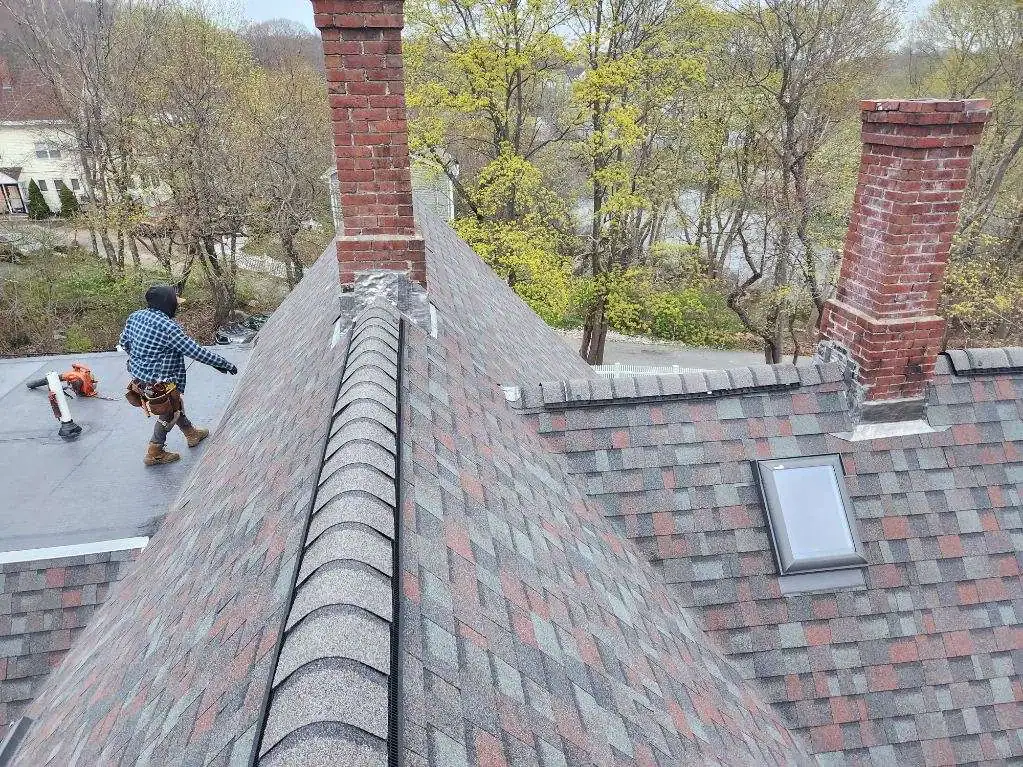
You’re planning a big exterior project — maybe a new roof, new siding, possibly windows too. You start getting quotes, and somewhere in the process, you realize you’re not entirely sure who’s actually responsible for what. Is the company you’re hiring doing the work, or are they handing it off to someone else? And if something goes wrong at the seam between the roof and the siding, who picks up the phone?
These aren’t paranoid questions. They’re the right ones to ask. Here’s a clear, honest look at how the general contractor vs. subcontractor relationship actually works — and what it means for your home in Essex County.
A general contractor is the company that holds the primary contract with you, the homeowner. We’re responsible for the whole project — getting permits, managing the schedule, coordinating trades, and standing behind the finished work. If something goes wrong, you call us.
A subcontractor is hired by the general contractor to perform a specific portion of the work. They have a contract with the GC, not with you. That distinction matters more than most people realize, especially when multiple trades are involved in the same project.
The general contractor is ultimately accountable for the quality of everything on the job — including work done by subcontractors. That’s the theory, at least. In practice, the accountability chain gets murkier when different companies are handling different systems on your home.
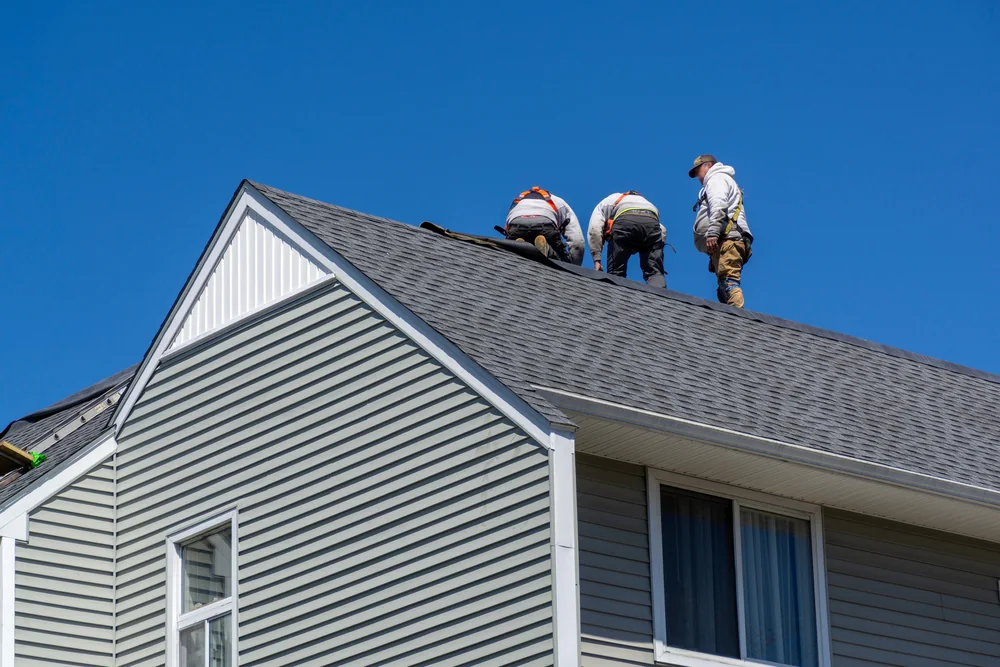
Here’s a scenario that plays out more often than it should in Essex County. A homeowner in Peabody or Beverly replaces their roof in the spring with one company, then hires a separate siding contractor that summer. Both jobs look fine at completion. Then, the following January, after a nor’easter rolls through and the temperature swings from 40 degrees to 12 overnight, a water stain appears on the ceiling near an exterior wall.
You call the roofer. They come out, look at the flashing, and tell you the siding wasn’t installed correctly against the drip edge. You call the siding contractor. They look at the same area and tell you the roofing flashing wasn’t extended far enough under the siding course. Both companies are technically pointing at the junction between their work — and neither one is accepting responsibility.
This is the flashing gap problem. The area where roofing meets siding is the single most common failure point in multi-contractor exterior projects. When two separate companies install two separate systems, each one installs to their own standard and assumes the other will handle the transition correctly. Sometimes that works out. Often, it doesn’t — and the homeowner is left holding the repair bill for a failure that lives in the space between two contracts.
In Essex County, this problem is amplified by the climate. Ice dams — a fixture of North Shore winters — damage both roofing and the top courses of siding at the same time. A heavy ice event doesn’t respect the boundary between one contractor’s scope and another’s. When meltwater backs up under shingles and pushes against the top of the siding, the damage crosses both systems simultaneously. If two different companies installed those systems, you’re navigating two separate warranty conversations for what is functionally one problem.
The fix isn’t complicated. It’s having one company install both systems, sequence the work correctly, and warrant the junction as a single unit. When the same crew handles the roof and the siding, there’s no finger-pointing. There’s one contact, one warranty, and one company that owns the outcome.
The honest answer is: it depends on the company, and you should ask directly before signing anything.
Some general contractors perform exterior work with their own trained crews. Others function more as project managers — they coordinate the job, pull the permits, and handle client communication, but the actual installation is done by subcontractors they bring in. Neither model is inherently wrong, but the second one creates a layer of separation between you and the people doing the work on your home.
In Massachusetts, both the general contractor and any subcontractors performing residential work are required to hold a Home Improvement Contractor (HIC) registration and the appropriate Construction Supervisor License (CSL) for the trades they perform. This applies to roofing, siding, windows, and doors. When you hire a GC who uses subcontractors, you’re trusting that the GC has verified those credentials for every trade they bring onto your job. That verification is the GC’s responsibility — but it’s worth confirming.
Massachusetts also requires workers’ compensation coverage for any contractor employing workers on a job site. If a subcontractor working under a GC doesn’t carry their own policy, the liability exposure can fall back on the homeowner in ways that are genuinely painful to untangle after the fact.
The practical takeaway for homeowners in Andover, Newburyport, Gloucester, or anywhere else in Essex County: ask your contractor whether they’re performing the work with their own crew or using subcontractors. Ask to see their HIC registration number — you can verify it directly through the Massachusetts Office of Consumer Affairs and Business Regulation. And ask whether any subcontractors they use carry their own insurance. A contractor who is bothered by these questions is telling you something important.
Want live answers?
Connect with a Paradise Remodeling Inc. expert for fast, friendly support.
The term “full service contractor” gets used loosely, so it’s worth being specific about what it actually means in the context of exterior remodeling. A true full-service exterior remodeling contractor handles roofing, siding, windows, doors, gutters, and related systems under one contract, with one crew, and one point of accountability. We don’t subcontract the roofing to one company and the siding to another — we do it all, and we sequence it correctly.
That sequencing matters. Exterior work should go top-down: roof first, then siding, then windows and doors, then gutters. When separate contractors handle each trade, enforcing that sequence becomes your job. When one company handles everything, it’s built into how we work.
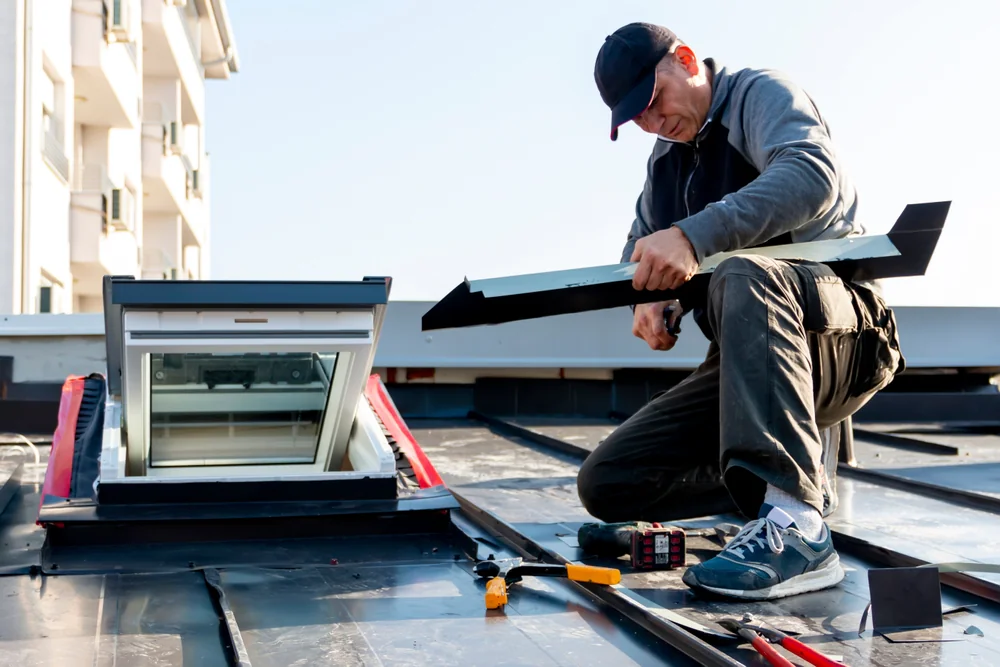
This is one of the most common questions homeowners ask, and the math is less straightforward than it seems.
On paper, hiring a roofing subcontractor and a siding subcontractor separately might look cheaper than hiring one exterior remodeling contractor to handle both. You’re cutting out the GC’s coordination overhead, the thinking goes. But that overhead doesn’t disappear — it just transfers to you.
When you self-manage multiple subcontractors, you become the project manager. You’re the one scheduling the roofer to finish before the siding crew shows up. You’re the one fielding calls when the siding crew shows up and the roofing isn’t done yet. You’re the one figuring out who damaged whose work when the roofer’s ladder leaves marks on the new siding. And you’re the one navigating two separate warranty conversations if a problem surfaces later.
For a combined exterior project on a typical Essex County home — where roofing, siding, and windows might all be reaching end-of-life at the same time — the coordination burden is real and time-consuming. Add in the flashing gap risk described earlier, and the “savings” of managing separate subcontractors can evaporate quickly when one repair bill lands at the junction of two scopes.
There’s also a warranty dimension that doesn’t get enough attention. Manufacturer certifications — like Owens Corning Preferred Contractor status — unlock extended warranty programs for homeowners that aren’t available through non-certified installers. The materials might look the same on a quote sheet, but the warranty coverage behind a certified installation is meaningfully different. That difference has real dollar value over a 15- or 20-year roof life, especially in a coastal Essex County environment where salt air and severe winters put exterior systems under constant stress.
Whether you’re replacing a roof in Salem, re-siding a home in Marblehead, or tackling a full exterior renovation in Haverhill, the vetting process is the same — and it doesn’t have to be complicated.
Start with licensure. In Massachusetts, any contractor performing residential exterior work on a project valued over $1,000 must hold an active HIC registration. For roofing and structural work, a Construction Supervisor License is also required. Both are public records. You can look them up on the OCABR website before you ever pick up the phone.
Next, ask about insurance. You want to see a certificate of workers’ compensation coverage and general liability insurance. Don’t take someone’s word for it — ask for the certificate directly. A contractor who hesitates here is a red flag.
Then look at third-party signals. BuildZoom scores, manufacturer certifications, and verified review profiles on platforms like HomeAdvisor or Thumbtack give you a picture of how a contractor has actually performed on real jobs in your area. These aren’t marketing claims — they’re independently verified data points.
Finally, ask about scope. Get a written proposal that defines exactly what is and isn’t included, who handles permits, what the sequencing plan is, and what the warranty covers. If you’re doing roofing and siding at the same time, make sure the proposal explicitly addresses the junction between the two systems. If a contractor’s proposal is vague on that point, ask them to clarify in writing before you sign.
For homeowners in Essex County dealing with historic homes in Newburyport or complex rooflines in Gloucester — the kind with dormers, multiple pitches, and intricate flashing requirements — scope clarity is especially important. These aren’t cookie-cutter installations, and the proposal should reflect that.
The general contractor vs. subcontractor question isn’t really about labels. It’s about accountability — who owns the outcome when the project is done, and who you call if something goes wrong six months later.
For a single-trade project, a qualified specialist can be the right call. But for combined exterior work — roofing and siding together, or roofing, siding, and windows all at once — the accountability gap in the multi-contractor model is a real risk, not a theoretical one. The flashing junction doesn’t care whose contract it falls under.
If you’re planning an exterior project in Essex County and want to talk through the scope, the sequencing, and what a single-contract approach would actually look like for your home, Paradise Remodeling Inc is happy to walk you through it. No pressure, no obligation — just a straight conversation about what the work involves and what it would take to do it right.
Summary:
Article details:
Share: