Hear from Our Customers
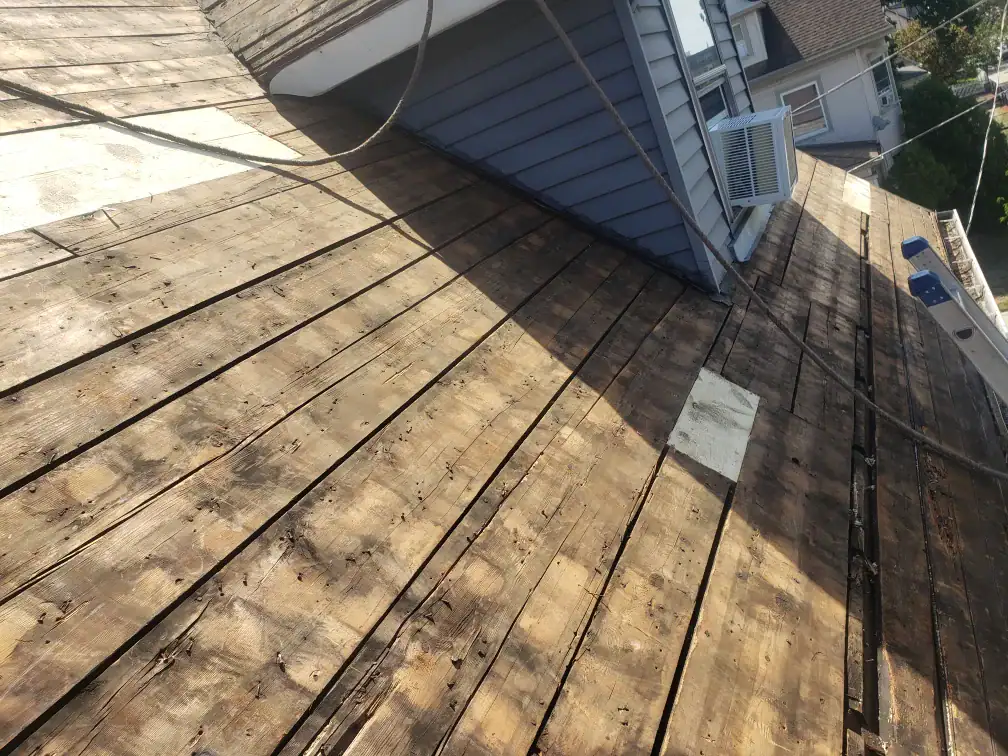
Your siding isn’t just sitting there looking pretty. It’s blocking moisture, insulating your home, and taking a beating from Massachusetts weather every single day.
When you skip maintenance, small problems turn into big ones. A little mold becomes structural rot. A crack lets water seep behind your walls. What could’ve been a simple cleaning turns into a five-figure replacement.
Regular siding maintenance in Billerica, MA means catching issues early. We’re talking about professional cleaning that removes mold and mildew without damaging your siding. Inspections that spot loose panels, failed caulking, or early signs of water intrusion. The kind of preventive work that adds years to your siding’s lifespan and keeps your energy bills from creeping up because your insulation is compromised.
Most homes here need attention once or twice a year. Properties with more shade or near trees? You’re looking at more frequent cleanings because algae loves those conditions. But that’s the whole point—we address what your specific home needs, not some one-size-fits-all schedule.
Paradise Remodeling Inc has spent over a decade working on homes throughout Billerica, MA and the surrounding areas. We know what Massachusetts weather does to siding—the humidity, the temperature swings, the way coastal air accelerates mold growth even this far inland.
We’re an Owens Corning Preferred Contractor, which means we’ve met strict standards for quality and service. But more importantly, we show up when we say we will, we explain what we’re doing and why, and we don’t try to sell you work you don’t need.
The homes in Billerica range from historic properties near the town center to newer construction in the northern neighborhoods. Each one has different siding materials, different exposure to the elements, different maintenance needs. We’ve worked on enough of them to know the difference.
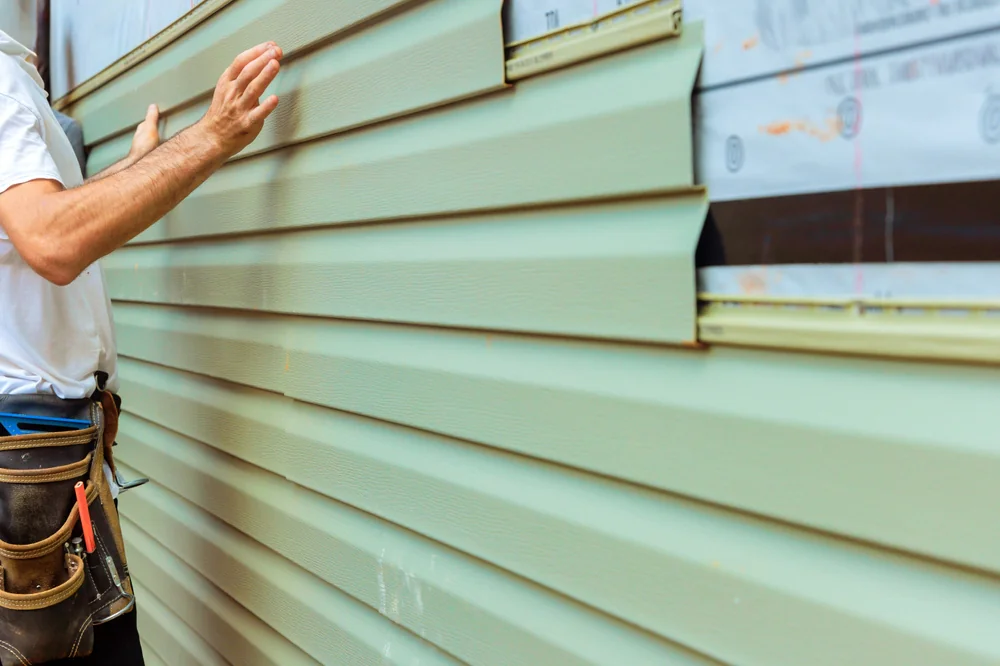
First, we inspect everything. We’re looking for cracks, warping, loose panels, failed caulking around windows and doors, and any signs that water is getting where it shouldn’t. This isn’t a quick walk-around—we’re checking seams, corners, and anywhere two different materials meet.
Then comes the cleaning. This is where most DIY attempts go wrong. Power washing vs. soft washing Billerica isn’t just a preference—it’s about not destroying your siding while trying to clean it. High pressure can force water behind your siding, strip paint, crack vinyl, and create the exact problems you’re trying to prevent.
We use soft washing for most applications. Low pressure, specialized cleaning solutions that actually kill mold and mildew removal Billerica instead of just blasting it off temporarily. It’s gentler on your siding and more effective at preventing regrowth.
After cleaning, we handle any repairs we found during inspection. Replacing damaged sections, resealing joints, fixing anything that could let moisture in. Then we give you a clear breakdown of what we did, what condition your siding is in, and when you should schedule your next maintenance visit.
Ready to get started?
Every maintenance visit includes a complete siding inspection checklist Billerica. We document current condition, identify problem areas, and catch small issues before they become expensive ones. You get a written report of what we found and what needs attention now versus what can wait.
The cleaning process is tailored to your siding type. Vinyl, fiber cement, wood, composite—each material needs a different approach. We’re not using the same method on every house because that’s lazy and ineffective. Cleaning vinyl siding Billerica requires different techniques than treating wood siding, and we adjust accordingly.
Billerica’s climate creates specific challenges. The humidity here, especially in summer, creates perfect conditions for mold and algae growth. Properties near Nuttings Lake or along the Concord River see even more moisture-related issues. We factor in your property’s specific exposure—shade coverage, proximity to water, prevailing wind direction—because those details matter.
Mold and mildew removal Billerica isn’t just about aesthetics. Left unchecked, organic growth breaks down siding materials, traps moisture against your home, and creates health concerns for anyone with respiratory sensitivities. We treat the root cause, not just the visible symptoms.
Most homes in Billerica benefit from professional maintenance once or twice a year. If your property has significant shade coverage, mature trees nearby, or sits in a particularly humid microclimate, you’re probably looking at twice a year minimum.
Spring maintenance catches any damage from winter weather—ice, wind, temperature fluctuations that cause expansion and contraction. Fall maintenance prepares your siding for the cold months ahead and removes the summer buildup of mold and organic growth.
Here’s the thing: waiting until you see visible problems means you’re already behind. Mold you can see from the street has been growing for a while. A crack you notice from your driveway has probably already let some water in. Regular maintenance catches issues when they’re still small and cheap to fix.
Power washing uses high-pressure water to blast away dirt and grime. Soft washing uses low pressure combined with specialized cleaning solutions to break down and remove organic growth. The pressure difference is significant—power washing can hit 3000+ PSI while soft washing stays under 500 PSI.
High pressure seems effective because you see immediate results. But it can also force water behind your siding, strip paint, crack vinyl, damage wood grain, and void manufacturer warranties. We’ve seen plenty of siding that needed premature replacement because someone went too aggressive with a pressure washer.
Soft washing actually kills mold, mildew, and algae at the root instead of just blasting it off the surface. It’s gentler on your siding materials and more effective at preventing regrowth. The cleaning solutions do the work, not the water pressure. For most siding types in Billerica, soft washing is the smarter choice—it protects your investment while still getting everything clean.
You can handle basic maintenance like hosing off surface dirt or wiping down accessible areas with a soft brush and mild soap. But there are good reasons to bring in professionals for thorough cleaning and inspection.
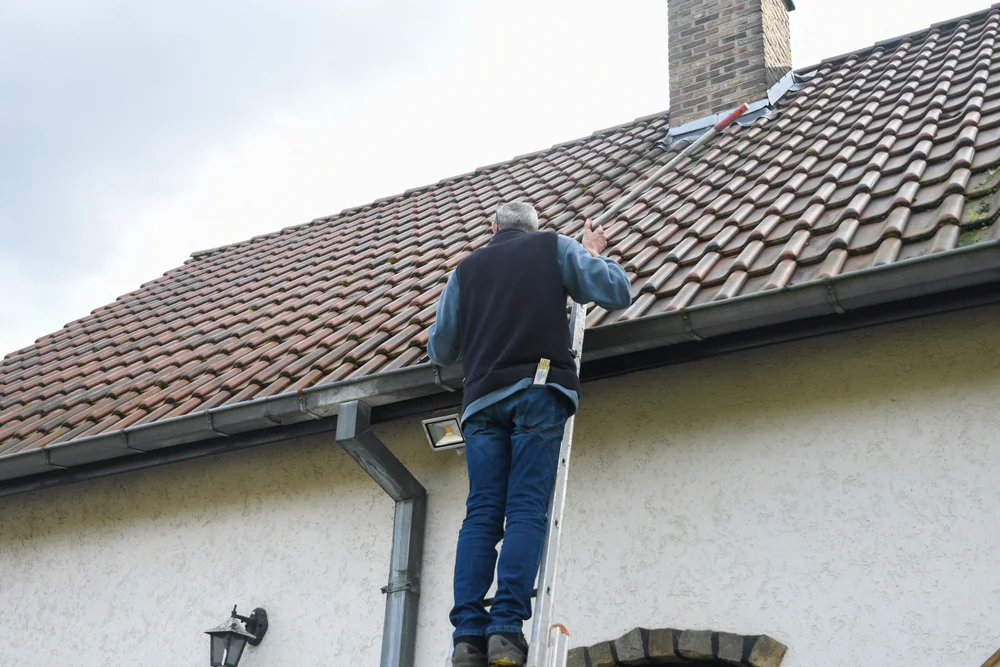
Safety is the obvious one. Getting to second-story siding, working on ladders, reaching under eaves—these aren’t risk-free activities. One slip can mean serious injury and medical bills that make our service fee look like pocket change.
The bigger issue is knowing what you’re looking at. We spot early signs of water damage, failed caulking, loose panels, and ventilation problems that most homeowners miss until they become obvious. By then, you’re often looking at repairs instead of simple maintenance.
Equipment matters too. The right cleaning solutions, proper pressure settings, understanding which techniques work for which siding materials—this isn’t stuff you figure out from a YouTube video. We’ve seen plenty of DIY attempts that caused more damage than they prevented. If your home has multiple stories, hard-to-reach areas, or you’re not comfortable on ladders, call someone who does this every day.
We start with the right cleaning solution for your specific siding material and the type of growth we’re dealing with. Different molds and algae respond to different treatments, and what’s safe for vinyl might damage wood or fade certain paint finishes.
The application happens at low pressure—we’re treating the surface, not attacking it. The cleaning solution needs time to break down the organic growth at a molecular level. Rushing this step is where most people go wrong. They blast away with high pressure because they want immediate results, but that just spreads spores around and forces water into places it shouldn’t go.
After the solution has done its work, we rinse thoroughly at appropriate pressure. The mold and mildew wash away because they’ve been killed and loosened, not because we’re sandblasting your siding. This approach is more effective at preventing regrowth because we’ve actually eliminated the organisms instead of just temporarily removing visible growth.
For stubborn areas or heavy buildup, we might need multiple treatments or some careful manual scrubbing with soft brushes. But the goal is always the same: completely remove the growth without damaging your siding or forcing moisture behind it.
Start with the obvious: cracks, holes, warping, or any panels that look loose or out of place. Check caulking around windows, doors, corners, and anywhere two different materials meet. If it’s cracked, missing, or pulling away, water is getting in.
Look for discoloration or staining that might indicate water damage behind the siding. Bubbling or blistering paint is a red flag. So is any area where the siding feels soft or spongy when you press on it—that usually means moisture has compromised the material or the sheathing behind it.
Don’t ignore the small stuff. A tiny crack in one panel might seem insignificant, but water finds its way into small openings and causes big problems. Loose or missing pieces of trim might just look cosmetic, but they often expose vulnerable areas to weather.
Check your attic and basement for signs of moisture or mold—sometimes siding problems show up inside before they’re obvious outside. And pay attention after heavy rain. If you see water stains, drips where there shouldn’t be any, or damp spots on interior walls, your siding isn’t doing its job anymore.
Vinyl siding typically lasts 20 to 40 years when properly maintained. Fiber cement can go 30 to 50 years or more. Wood siding is more variable—maybe 10 to 15 years if it’s not maintained well, but 30+ years if you stay on top of cleaning, sealing, and repainting.
The “properly maintained” part is doing a lot of work in those estimates. Siding that never gets cleaned, never gets inspected, and only gets attention when something is visibly broken? You’re looking at the low end of those ranges, maybe even premature failure.
Regular maintenance adds years to your siding’s lifespan because you’re preventing the accelerated wear that comes from neglect. Mold and mildew literally eat away at siding materials. Water intrusion causes rot, rust, and structural damage. Small cracks become big cracks. Loose panels let wind get behind them and tear off entire sections.
Here’s the math that matters: spending a few hundred dollars on annual maintenance is a lot cheaper than spending tens of thousands on premature replacement. Most homeowners in Billerica who stay on top of basic maintenance get close to the maximum lifespan from their siding. The ones who don’t usually end up replacing it years earlier than necessary.