Hear from Our Customers
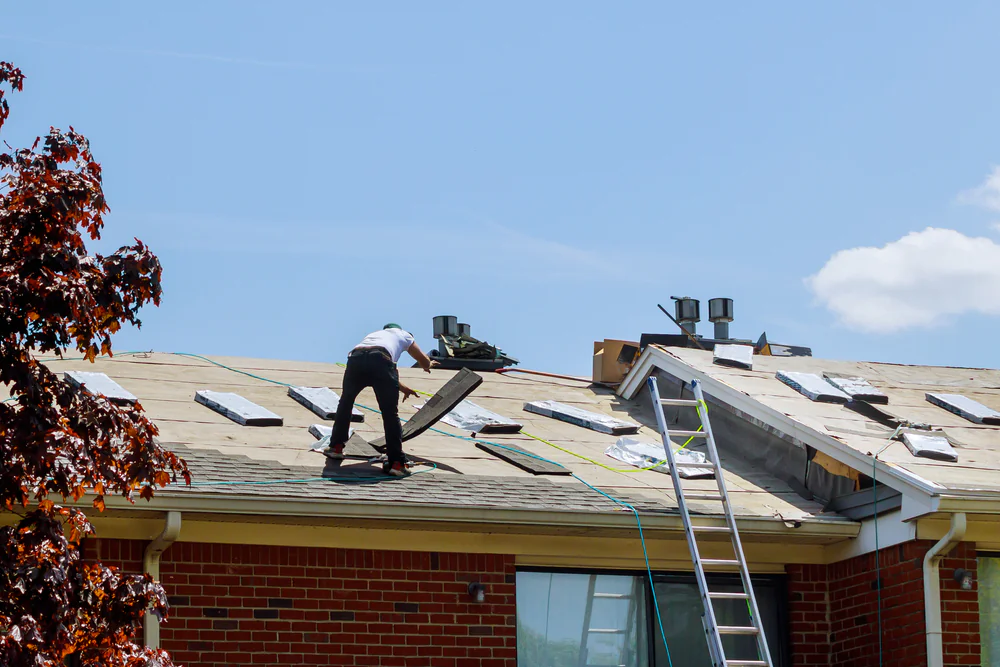
You’ve seen the water stains. You’ve noticed the missing shingles after the last nor’easter. Maybe you’ve already put a bucket in the attic. Whatever brought you here, you’re dealing with something that won’t fix itself.
A solid roof repair means you’re not scrambling during the next heavy rain. It means your ceilings stay dry, your insulation stays intact, and you’re not watching the weather forecast with dread. When the work is done right, you get back to forgetting your roof exists—which is exactly how it should be.
New England weather doesn’t mess around. Between winter ice dams, spring downpours, and summer humidity, your roof takes a beating year after year. The repairs that hold up here aren’t the same ones that work in milder climates. You need someone who knows how to build for what’s coming, not just patch what’s broken.
We work throughout Billerica and the Methuen area, handling everything from emergency roof repair to full replacements. We’re an Owens Corning Preferred Contractor, which means we’ve met strict standards for quality and reliability—not something every roofing contractor can claim.
We’re licensed, insured, and locally operated. That matters when you’re trusting someone to work on your biggest investment. You’re not getting a crew that disappears after the deposit clears or a contractor who doesn’t return calls when problems show up.
Billerica homes face unique challenges—older neighborhoods with specific architectural styles, weather that swings from humid summers to brutal winters, and homeowners who expect work done right the first time. We’ve been handling those challenges long enough to know what works and what doesn’t.

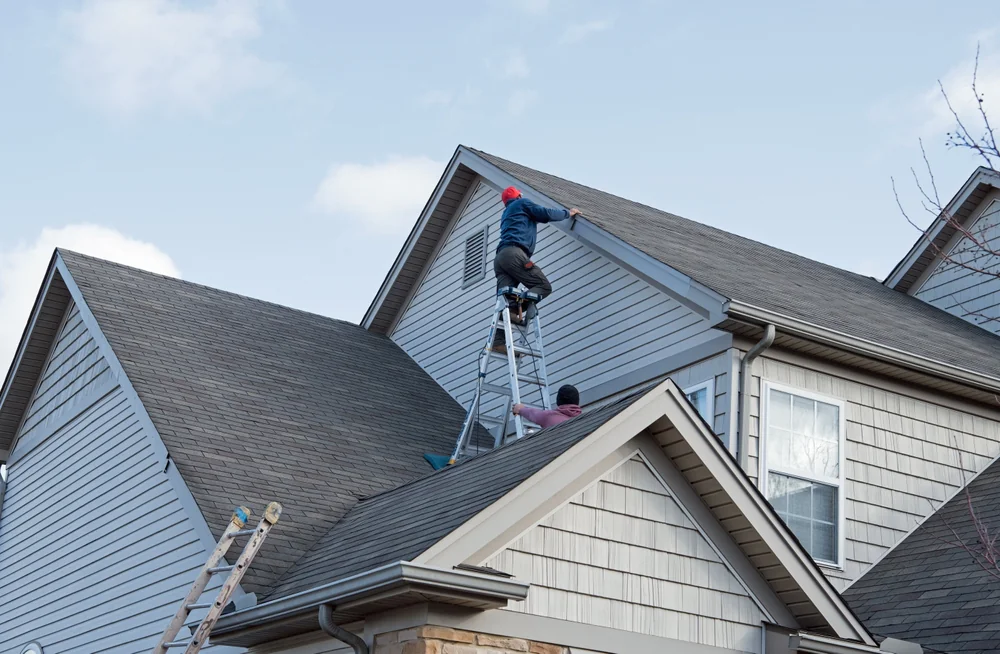
First, we come out and actually look at your roof. Not a quick glance from the driveway—a real inspection where we’re checking shingles, flashing, gutters, and any spots where water might be getting in. We’ll tell you what needs fixing now and what can wait.
Then you get a clear estimate. No hidden fees, no vague “we’ll see when we get up there” pricing. You’ll know what the repair costs, what materials we’re using, and how long it takes. If we find something unexpected once we start, we talk to you before doing extra work.
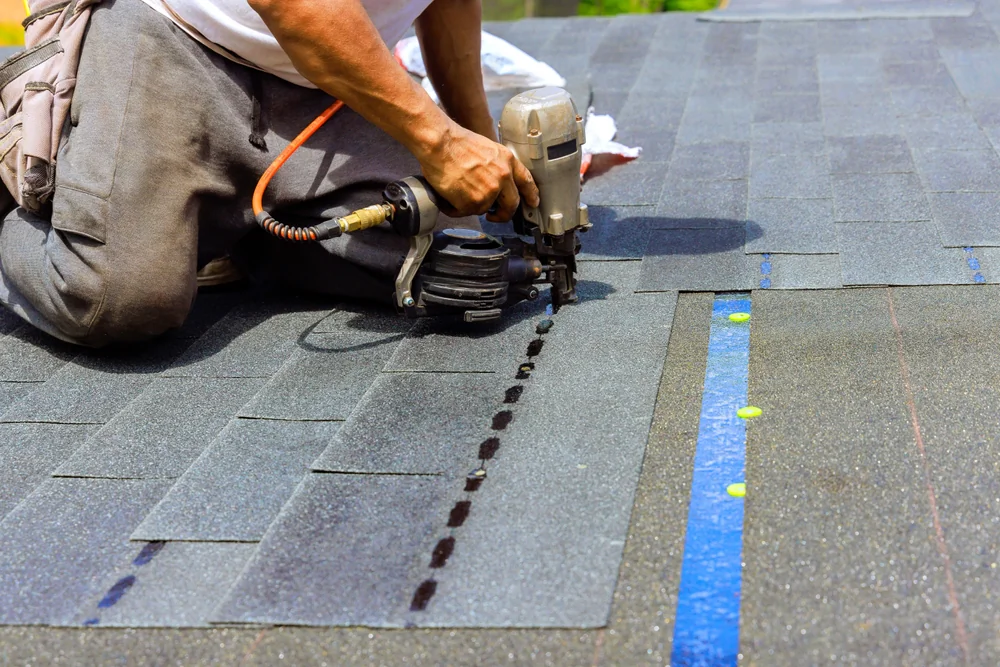
The actual repair depends on what your roof needs. Maybe it’s replacing damaged shingles and sealing around vents. Maybe it’s fixing flashing around your chimney or addressing an ice dam issue. Either way, we’re using materials built for Massachusetts weather—products from Owens Corning and Mule Hide that hold up when cheaper options fail.
After the work’s done, we clean up and walk you through what we fixed. You’re not left guessing whether the problem’s actually solved. And if something doesn’t look right or you have questions later, we’re still here.
Ready to get started?
You’re getting a licensed contractor who shows up when scheduled and finishes when promised. That’s not a given in this industry, but it should be.
The materials we use matter. Owens Corning shingles are designed for durability and weather resistance. Mule Hide products offer longevity and versatility for different roof types. When we’re repairing your roof, we’re not grabbing whatever’s cheapest at the supply house. We’re using what actually lasts in Billerica’s climate.
In Billerica, the average roof replacement costs around $10,550, but most repairs run between $380 and $1,800 depending on the damage. If you’re dealing with a few missing shingles or a small leak, you’re looking at the lower end. Extensive storm damage or structural issues cost more. We’ll tell you upfront where your situation falls.
You also get someone who understands local building codes and the specific challenges of homes in this area. Billerica has plenty of older homes with architectural details that require careful attention. We’ve worked on enough roofs here to know what those homes need and how to maintain their character while making them weatherproof.

If your roof is under 15 years old and the damage is localized—missing shingles in one area, a leak around the chimney, storm damage to a section—repair usually makes sense. You’re fixing the problem without replacing what’s still working fine.
Once your roof hits 20-25 years, or if you’re seeing widespread issues like curling shingles across multiple areas, granules filling your gutters, or multiple leaks, replacement becomes the better investment. At that point, you’re not just fixing one problem. You’re buying time before the next issue pops up.
During the inspection, we’ll tell you honestly where your roof stands. If repairs get you another 5-10 solid years, that’s what we’ll recommend. If you’re throwing money at a roof that’s fundamentally done, we’ll tell you that too. The goal is making the right call for your situation, not upselling you into work you don’t need yet.
Ice dams are a big one. When snow melts and refreezes at your roof’s edge, it creates a barrier that forces water under your shingles. That’s a New England-specific problem that doesn’t happen in warmer climates. Proper attic insulation and ventilation help prevent it, but older homes often lack both.
Flashing failures around chimneys, vents, and skylights cause plenty of leaks too. Flashing is the metal that seals the gaps where your roof meets something else. When it corrodes, pulls away, or wasn’t installed correctly in the first place, water finds its way in. You might not see the leak right away—it can travel along rafters before showing up as a ceiling stain.
Aging shingles lose their protective granules and start cracking or curling. Once that happens, they’re not keeping water out anymore. Wind-driven rain during storms can get under compromised shingles and into your roof deck. The longer damaged shingles stay on your roof, the more water damage you’re risking underneath.
Minor repairs—replacing a section of damaged shingles, fixing flashing around a vent, sealing a small leak—usually take a few hours to a full day. We’re not tearing off your entire roof, just addressing the problem area. Weather permitting, we can often handle these repairs quickly without disrupting your whole week.
Larger repairs involving multiple areas, structural damage, or extensive storm damage might take two to three days. If we’re replacing damaged decking underneath the shingles or addressing ice dam damage that affected your roof structure, that adds time. We need to make sure everything underneath is solid before putting new materials on top.
Emergency repairs happen faster. If you’ve got a tarp-worthy situation after a storm, we prioritize getting your roof weathertight. That might mean a temporary fix to stop active leaking, followed by a permanent repair once conditions allow. The goal is protecting your home from further damage while we line up the full repair.
Yes. When a storm tears shingles off or a tree branch punches through your roof, you can’t wait three weeks for someone to fit you into their schedule. Emergency roof repair means we’re getting your home protected from further water damage as quickly as possible.
We’ll assess the damage, tarp or temporarily seal the affected area to stop water intrusion, and then schedule the permanent repair. Sometimes the emergency fix and permanent repair happen the same day if the damage is straightforward and weather cooperates. Other times, we need to order materials or wait for conditions to improve before completing the work.
The key is stopping the immediate problem. Water damage spreads fast—what starts as a leak in your attic becomes ceiling damage, insulation damage, and potential mold issues if left unchecked. Getting someone out there quickly saves you money and headaches down the line. That’s why emergency calls get priority, especially after major storms when half the neighborhood is dealing with roof damage.
Architectural shingles from Owens Corning hold up well here. They’re thicker and more durable than basic three-tab shingles, which matters when you’re dealing with freeze-thaw cycles, heavy snow loads, and the occasional high-wind event. They’re also designed to resist algae growth, which is important in our humid summers.
For flat or low-slope roofs, Mule Hide’s single-ply roofing systems and modified bitumen products handle New England weather reliably. These aren’t the cheap rolled roofing products that fail after a few years. They’re commercial-grade materials that work for residential applications where traditional shingles don’t make sense.
The specific product depends on your roof type, pitch, and what’s already there. But the common thread is durability. Cheaper materials might save money upfront, but they don’t last as long in this climate. You end up replacing or repairing them sooner, which costs more over time. We use what actually holds up because that’s what makes sense for your investment.
Yes. We hold an active Home Improvement Contractor license in Massachusetts and carry full insurance coverage. That protects you if something goes wrong during the project—whether it’s property damage or an injury on your property.
Plenty of roofing contractors work without proper licensing or insurance. That’s a problem when issues arise. If an unlicensed contractor damages your property or gets hurt on your roof, you could be liable. If they do substandard work, you have limited recourse. It’s not worth the risk, even if their estimate is lower.
Our BuildZoom score ranks in the top 8% of Massachusetts contractors, which reflects our licensing status, insurance coverage, and track record. We’re also an Owens Corning Preferred Contractor, which requires meeting strict standards for business practices and quality. These aren’t just credentials to list on a website—they’re verification that we’re operating legitimately and standing behind our work.