Hear from Our Customers
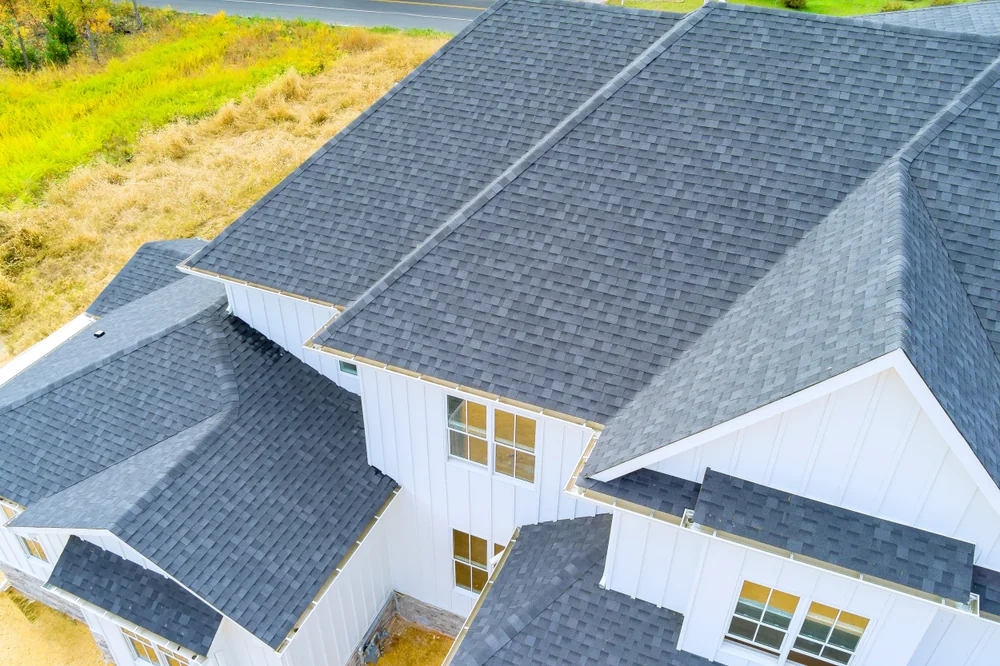
You’re not replacing siding for fun. You’re doing it because drafts are driving up heating costs, or because those warped panels are letting moisture creep behind your walls, or because your home looks tired next to the rest of the neighborhood.
Good siding services in Billerica, MA fix all three. Properly installed vinyl or fiber cement siding creates a weather barrier that keeps conditioned air inside and moisture outside. That means your HVAC isn’t working overtime, and you’re not repainting every few years.
In a market where homes are selling for $675,000 and appreciation has hit 92% over the last decade, your exterior matters. Fresh siding doesn’t just protect your investment—it makes your home the one buyers notice first.
And if your current siding is showing cracks, holes, or peeling paint? You’re already past the point of touch-ups. What you need is a full replacement done by people who understand how New England freeze-thaw cycles affect material performance.
We work throughout Billerica and the surrounding Massachusetts area, and we’ve seen what happens when siding isn’t installed with local weather in mind. Buckling in summer heat. Ice damage in January. Rot by spring.
We’re an Owens Corning Preferred Contractor, which means we’ve met strict standards for installation quality and customer service. That’s not marketing language—it’s a certification you can verify.
Billerica’s housing stock includes thousands of homes built between 1970 and 1999, and many are hitting the age where original siding starts failing. If your home falls into that range, you’re likely dealing with materials that weren’t designed to last 40+ years. Our exterior home remodeling in Billerica, MA starts with an honest assessment of what’s failing and why, so you’re not guessing about what needs to be done.
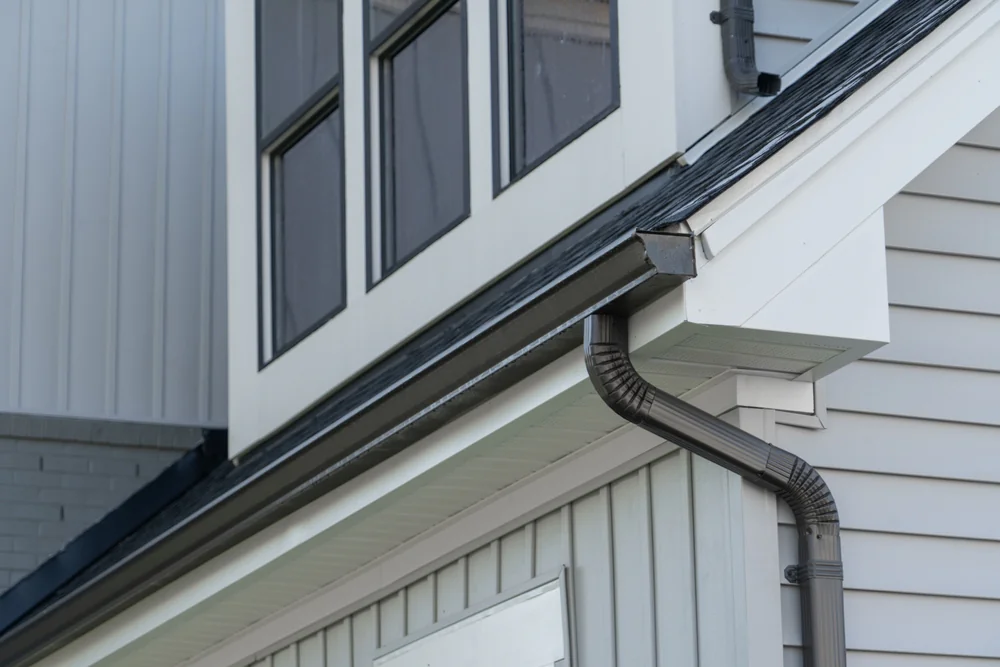
First, we inspect your current siding to identify damage you can see and damage you can’t—like moisture infiltration behind panels or failing house wrap. You’ll get a free siding estimate in Billerica, MA that breaks down material options, labor, and timeline.
Once you approve the scope, we remove old siding carefully to avoid damaging sheathing or trim. If we find rot or structural issues underneath, we address them before new material goes up. Skipping that step is how contractors create bigger problems down the road.
Installation follows manufacturer specs exactly. That means proper fastening, correct overlap, and adequate expansion gaps so your siding can handle temperature swings without warping. We use premium materials like vinyl, fiber cement, or insulated siding depending on your goals for energy efficiency and maintenance.
Final inspection covers flashing around windows and doors, trim work, and cleanup. You shouldn’t have to pick up after your contractor or worry about whether corners were cut when you weren’t looking.
Ready to get started?
A complete residential siding service in Billerica, MA covers more than slapping up new panels. You’re getting removal of old material, repair of any underlying damage, installation of weather-resistant barriers, and proper flashing to keep water out of vulnerable areas.
Material choice matters more than most homeowners realize. Vinyl siding lasts up to 40 years with minimal maintenance—just occasional cleaning that costs $50 to $100 annually. Fiber cement offers superior durability and fire resistance but requires professional installation to perform correctly. Insulated siding adds an extra layer of energy efficiency, which pays off during Billerica’s cold winters when heating costs spike.
We also handle commercial siding projects in Billerica, MA for business owners who need durable, low-maintenance exteriors that can handle high traffic and weather exposure. Commercial projects require different materials and installation techniques than residential work, and we adjust our approach accordingly.
Massachusetts homeowners have access to Mass Save energy efficiency programs that can offset costs for upgrades that reduce energy usage. If your project qualifies, we’ll walk you through how to apply so you’re not leaving money on the table.

Most residential siding replacements take one to two weeks depending on home size and weather conditions. A typical single-family home in Billerica runs about 2,000 to 2,500 square feet, which usually means 7 to 10 days of active work.
That timeline includes removal of old siding, any necessary repairs to sheathing or framing, installation of house wrap and new siding, and trim work. Weather delays can add time—we’re not installing siding in heavy rain or freezing temperatures because moisture and extreme cold affect material performance and adhesion.
If we uncover unexpected damage like extensive rot or structural issues, that adds time to the project. We’ll let you know immediately if we find something that changes the scope, and we’ll explain what needs to be fixed and why before moving forward.
Vinyl and fiber cement both perform well in Massachusetts if they’re installed correctly. Vinyl handles freeze-thaw cycles without cracking, resists moisture, and doesn’t need repainting. It expands and contracts with temperature changes, which is why proper installation with correct fastening and expansion gaps matters so much.
Fiber cement is more rigid and offers better impact resistance and fire protection. It holds paint longer than wood and won’t rot, but it’s heavier and requires more precise installation. If you’re in an area with strict fire codes or you want a material that mimics the look of wood without the maintenance, fiber cement makes sense.
Insulated siding adds a foam backing that improves energy efficiency. It won’t transform your home’s thermal performance on its own, but combined with proper insulation and air sealing, it reduces heat loss and can lower energy bills. For Billerica homes built in the 70s, 80s, and 90s, that upgrade often pays for itself over time through reduced heating and cooling costs.
New siding reduces energy costs if your current siding is damaged or poorly installed. Gaps, cracks, and warped panels let conditioned air escape, which forces your HVAC system to work harder. Replacing failed siding with properly installed material creates a better thermal envelope.
Insulated siding offers the biggest energy efficiency gains because it adds an R-value of 2 to 4 on top of your wall’s existing insulation. That’s not a massive jump, but in a home with minimal wall insulation—common in older Billerica houses—it makes a noticeable difference during winter heating season and summer cooling.
The real savings come from eliminating air leaks and moisture infiltration. When your siding and house wrap are installed correctly, you’re not losing heat through gaps around windows, doors, and seams. Massachusetts homeowners who combine siding replacement with other energy upgrades like air sealing and insulation often see 15% to 25% reductions in annual energy costs.
Siding replacement costs vary based on material, home size, and complexity of the job. Vinyl siding typically runs $8,000 to $15,000 for an average-sized home in Billerica. Fiber cement costs more—usually $12,000 to $25,000—because the material is more expensive and installation is more labor-intensive.
Those ranges include removal of old siding, installation of house wrap, new siding and trim, and cleanup. If we find rot or structural damage during removal, repair costs get added to the base price. We’ll give you a detailed estimate upfront so you know exactly what you’re paying for.
Financing options and Mass Save rebates can reduce out-of-pocket costs. If your project includes energy efficiency improvements, you may qualify for incentives that offset part of the expense. We’ll help you understand what programs apply to your situation so you’re not paying more than necessary.
Homeowners insurance typically covers siding damage from sudden events like storms, hail, or fire. If a tree falls on your house during a nor’easter or high winds tear off panels, your policy should cover repairs minus your deductible.
Gradual damage from age, wear, or poor maintenance usually isn’t covered. If your siding is failing because it’s 30 years old and hasn’t been maintained, that’s considered normal wear and tear. Insurance companies won’t pay to replace siding that’s simply reached the end of its lifespan.
If you’re filing a claim, document the damage with photos before making temporary repairs. Your insurance adjuster will need to see the extent of the damage to approve the claim. We can work with your insurance company to provide estimates and documentation that support your claim, but the final decision on coverage comes from your insurer.
Visible cracks, holes, warping, or buckling panels mean your siding is failing. If you’re seeing those issues, moisture is likely getting behind the material and damaging your sheathing or framing. Peeling paint or fading color on older siding also signals that the material is breaking down and no longer protecting your home effectively.
Interior signs matter too. Peeling wallpaper, water stains on walls, or mold growth inside your home can indicate siding failure that’s allowing moisture infiltration. Higher energy bills without an obvious cause often point to air leaks around damaged siding that’s letting conditioned air escape.
If your siding is over 20 years old and showing any of these symptoms, replacement makes more sense than repairs. Patching a few panels might buy you a year or two, but you’ll end up replacing everything eventually. Getting ahead of major damage saves you from dealing with rot, mold, and structural repairs that cost far more than new siding.