Not sure if you need siding repair or full replacement? Learn the signs, costs, and what actually protects your home from water damage and rot.
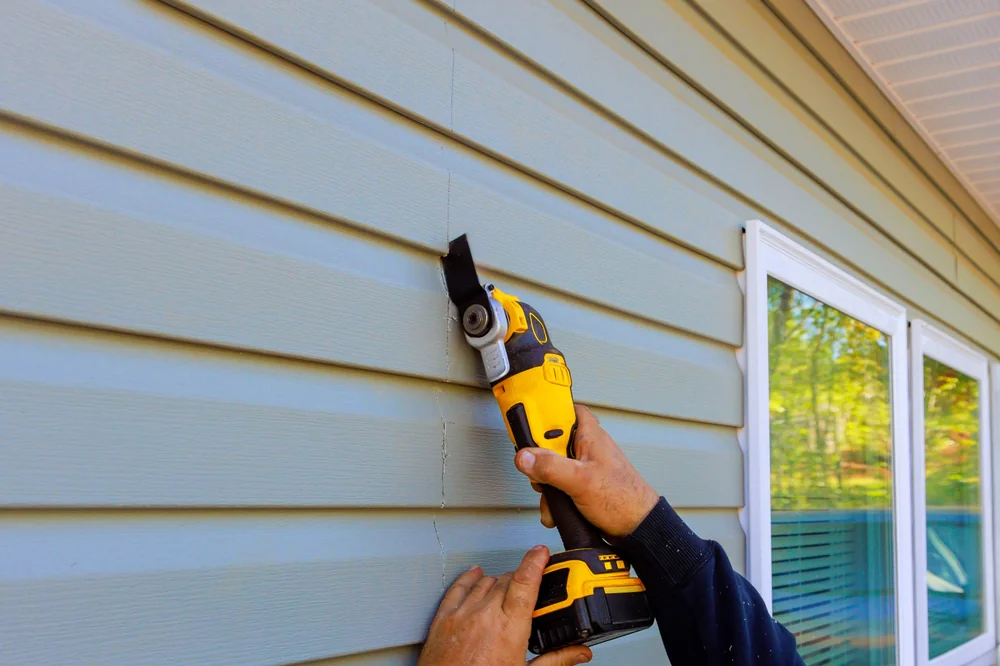
Siding repair isn’t about slapping a Band-Aid on your house and calling it good. It’s about addressing localized damage before it spreads. If you’ve got a few cracked panels from a storm, a small section that got dinged by lawn equipment, or some loose pieces that need reattachment, repair can absolutely work.
The key word there is “localized.” When damage is contained to a small area and the rest of your siding is still in solid shape, replacing those specific sections makes sense. You’re not throwing money at a temporary fix—you’re solving an actual, isolated problem.
But here’s where it gets tricky. If you’re constantly patching different spots, or if the damage keeps showing up in new places, you’re not dealing with isolated issues anymore. You’re dealing with siding that’s reached the end of its useful life.
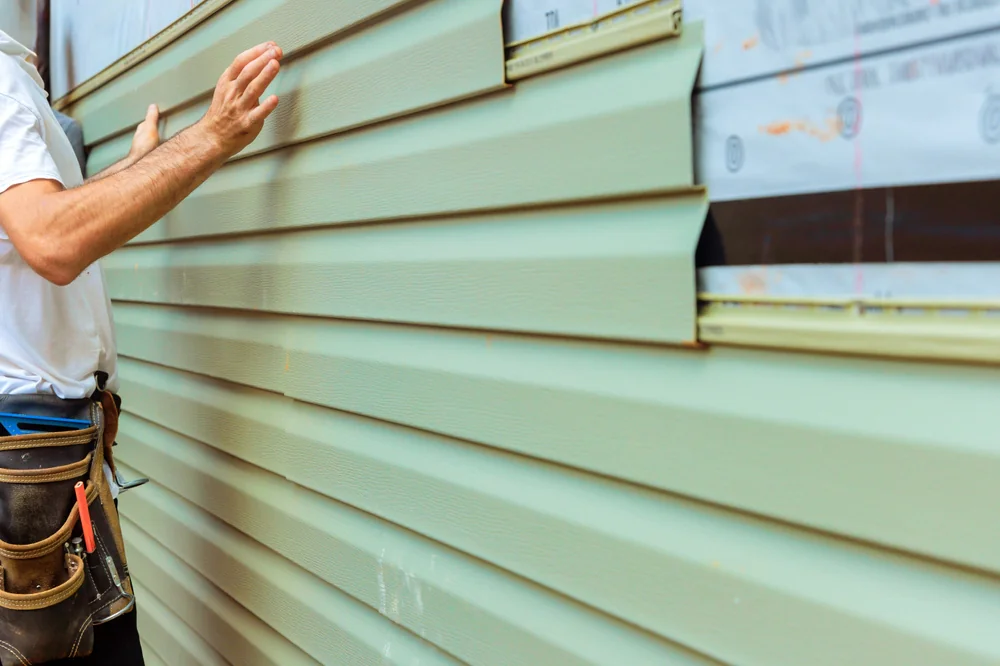
Let’s get specific. Siding repair works when the damage is recent, visible, and limited. Think storm damage that cracked a few panels on one side of your house. Or impact damage from something that hit the exterior. These are situations where the rest of your siding is still doing its job, and you’re just fixing what broke.
Newer siding—especially if it’s less than 10 or 15 years old—is usually a good candidate for repair. The material hasn’t degraded yet. It’s not faded, brittle, or showing signs of wear across the whole house. You’re just addressing an incident, not a pattern.
Another factor: if you can still find matching materials. Vinyl siding installation from 20 years ago might not be easy to match today. Colors fade, product lines change, and even if you find something close, it might not blend. If your siding is relatively new and you can get an exact or near-exact match, repair becomes more practical.
Cost matters too. If the repair is genuinely affordable and you’re not going to be back in the same spot six months from now, it’s worth doing. But if you’re spending a few hundred dollars every year on different sections, you’re not saving money—you’re delaying a bigger project that’s going to cost you more in the long run.
Here’s what repair doesn’t fix: widespread issues. If multiple walls are showing damage, if you’re seeing warping or buckling in different areas, or if there’s evidence of water getting behind the siding, repair isn’t going to cut it. That’s when you need to start thinking bigger.
Water damage is the silent killer of siding. You don’t always see it right away. By the time it’s obvious on the outside, there’s usually a lot more going on behind the scenes.
Here’s what to look for: warping or buckling panels that weren’t like that before. When water gets trapped behind siding, it puts pressure on the material. That pressure causes the siding to bulge, warp, or pull away from the house. If you’re seeing that, water’s already in there.
Soft spots are another red flag. Walk around your house and gently press on the siding in different areas. If it feels spongy or gives way, that’s not normal. That’s rot. And rot doesn’t stay contained—it spreads to the sheathing, insulation, and eventually the framing if you don’t deal with it.
Mold and mildew on the exterior are clear indicators too. If you’re seeing dark streaks, greenish-black patches, or fuzzy growth near seams and edges, that’s moisture feeding fungal growth from within. Cleaning the surface might make it look better temporarily, but if the mold keeps coming back, the moisture source is still there.
Inside your home, pay attention to peeling paint or bubbling wallpaper on exterior walls. That’s water making its way through. You might also notice a musty smell near certain walls, especially in basements or rooms on exterior-facing sides. That smell is mold growing where you can’t see it.
Caulking is supposed to seal the joints around windows, doors, and between siding panels. If that caulking is cracked, shrinking, or missing, water has an open path. Check it at least twice a year. If it’s failing, reseal it immediately. But if you’re resealing the same spots over and over, the problem isn’t the caulk—it’s what’s happening behind the siding.
Energy bills can tell you something too. If your heating or cooling costs have gone up without an obvious reason, damaged siding could be letting conditioned air out and outside air in. That’s not just uncomfortable—it’s expensive.
Want live answers?
Connect with a Paradise Remodeling Inc. expert for fast, friendly support.
Replacement isn’t about upgrading for the sake of it. It’s about recognizing when repair is just kicking the can down the road. If your siding is old, showing widespread damage, or constantly needing attention, replacement is the smarter financial decision.
Age is a big factor. Vinyl siding typically lasts 20 to 40 years depending on quality and maintenance. Fiber cement can go 50 years or more. If your siding is pushing the upper end of its expected lifespan, even minor repairs are temporary. The material is degrading. It’s not going to suddenly get better.
Widespread damage is another clear sign. If you’re seeing issues on multiple walls, if the damage isn’t isolated to one area, or if you’re constantly finding new problems, the siding has failed. Patching it up might look better for a while, but it’s not solving the underlying issue.
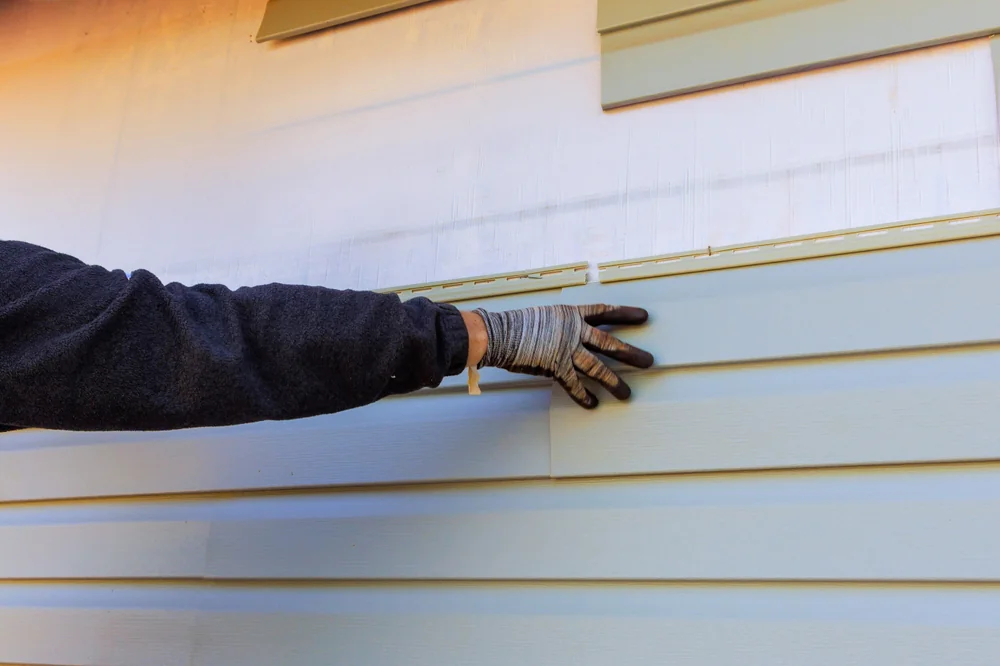
When you’re replacing siding, you’ve got choices. The two most common options in Massachusetts and New Hampshire are vinyl and fiber cement. Both work. Both protect your home. But they’re different in ways that matter.
Vinyl siding is the most popular choice for a reason. It’s affordable, low-maintenance, and comes in a huge range of colors and styles. You don’t have to paint it. You don’t have to seal it. A wash with a hose once a year is pretty much it. It holds up well in moderate climates and can last 20 to 40 years with proper installation.
The downside? Vinyl can crack in extreme cold and warp in extreme heat. New England’s temperature swings can be tough on it. It’s also not as impact-resistant as other materials. A strong hailstorm or flying debris can crack it. And while modern vinyl resists fading better than older versions, it still fades over time, especially darker colors.
Fiber cement is the more durable option. It’s made from cement, sand, and cellulose fibers, which makes it incredibly tough. It doesn’t warp, rot, or crack like vinyl. It’s fire-resistant, which is a big deal in some areas. It can last 50 years or more, and it holds paint exceptionally well, so you’re not dealing with fading the same way you do with vinyl.
The tradeoff is cost and maintenance. Fiber cement is more expensive upfront—both for materials and installation. It’s heavier, which means more labor. And while it doesn’t need frequent maintenance, it does need to be repainted every 10 to 20 years to maintain its protective coating.
Energy efficiency is another consideration. Both materials can improve insulation when installed with proper backing and sealing. Insulated vinyl siding adds a foam layer that boosts thermal resistance. Fiber cement naturally provides better insulation due to its density. Either way, proper installation is what makes the difference.
If you’re in a coastal area or somewhere with high humidity, fiber cement handles moisture better. It doesn’t trap water the way vinyl can if installation isn’t perfect. But vinyl, when installed correctly with proper flashing and sealing, performs just fine in most conditions.
The decision usually comes down to budget, how long you plan to stay in the house, and how much maintenance you’re willing to do. If you want low upkeep and a lower price tag, vinyl makes sense. If you’re thinking long-term and want maximum durability, fiber cement is worth the investment.
Energy efficient siding isn’t just marketing talk. It actually reduces how much money you spend heating and cooling your home. But it’s not the siding alone that does it—it’s the system behind it.
Siding acts as a barrier between your home’s interior and the outside elements. When it’s installed with proper insulation, weatherproofing, and sealing, it prevents drafts, maintains indoor temperature, and keeps your HVAC system from working overtime. That’s where the savings come from.
Insulated vinyl siding includes a foam backing that adds an extra layer of thermal resistance. It fills gaps, reduces air infiltration, and helps keep conditioned air inside. In Massachusetts, where you’re running heat for months in winter and AC during humid summers, that makes a noticeable difference. Homeowners report lower energy bills after upgrading to insulated siding, and the ROI can be significant over time.
Fiber cement provides natural insulation due to its density. It doesn’t have the same built-in foam backing, but its composition creates a more solid barrier than standard vinyl. When combined with proper house wrap, moisture barriers, and careful sealing around windows and doors, it performs exceptionally well.
The key is installation. Even the best siding won’t improve energy efficiency if it’s installed poorly. Gaps around windows, loose panels, or missing flashing all create paths for air and moisture to get through. That’s why hiring experienced siding contractors in Massachusetts who understand local climate challenges is critical.
Another factor is ventilation. Proper siding installation includes ventilation that allows moisture to escape without letting water in. This prevents condensation buildup, which can lead to mold and rot. It also helps regulate temperature, reducing the load on your heating and cooling systems.
If your energy bills have been creeping up and you haven’t changed your usage, your siding might be the culprit. Damaged, old, or poorly installed siding lets heat escape in winter and lets hot air in during summer. Replacing it with modern, energy-efficient materials can cut those costs significantly.
Massachusetts residents already pay about 45% more than the national average on electricity. Upgrading your siding is one of the most effective ways to bring those costs down while also protecting your home from weather damage.
Here’s the bottom line: if the damage is small, recent, and isolated, siding repair can work. If the damage is widespread, your siding is old, or you’re constantly dealing with new issues, replacement is the smarter move. The goal isn’t to spend money—it’s to protect your home and avoid bigger, more expensive problems down the road.
Water damage doesn’t wait. Rot doesn’t stop spreading. The longer you put off addressing siding issues, the more it’s going to cost to fix. Whether you need a quick repair or a full replacement, getting it done right the first time matters.
If you’re dealing with cracked, warped, or damaged siding in Essex County, Middlesex County, or anywhere across Massachusetts and New Hampshire, we can help you figure out what you actually need. No upselling. No guesswork. Just honest answers and quality work that protects your home.
Summary:
Article details:
Share: