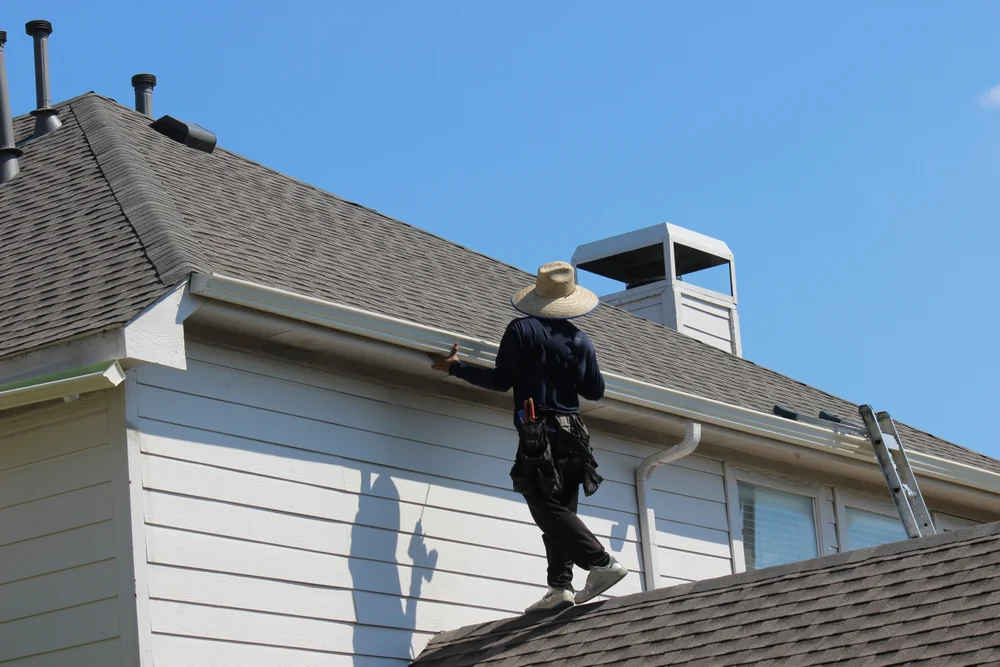
Drafty windows are costing Northeast homeowners hundreds extra every winter. Professional window installation with energy-efficient double-pane glass and proper sealing can cut your heating and cooling bills by 30%.
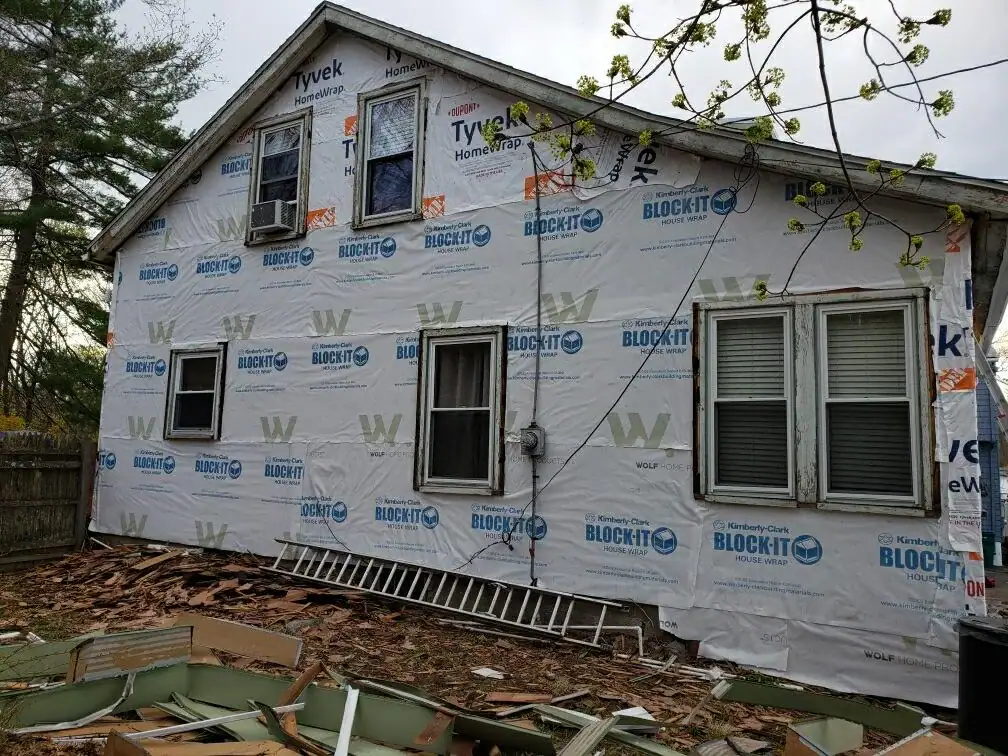
Windows aren’t just glass in a frame. They’re one of the biggest sources of energy loss in your home. In fact, heat gain and loss through windows can account for up to 30% of your home’s heating and cooling energy use. That’s a massive chunk of your monthly bill disappearing through gaps, drafts, and outdated glass.
In the Northeast—from Essex County, MA to Hillsborough County, NH—temperatures swing hard in both directions. Inefficient windows force your HVAC system to work overtime. Cold air seeps in during winter. Hot air pushes in during summer. Your furnace and AC are constantly playing catch-up, burning through energy and driving up costs.
Professional window installation with energy-efficient products changes that equation. Double-pane windows with proper seals create a thermal barrier that keeps conditioned air inside where it belongs. Massachusetts homeowners who upgrade from single-pane to ENERGY STAR Most Efficient windows save between $101 and $583 per year. New Hampshire residents see similar results. Over time, those savings add up to thousands of dollars—and a home that’s actually comfortable to live in.
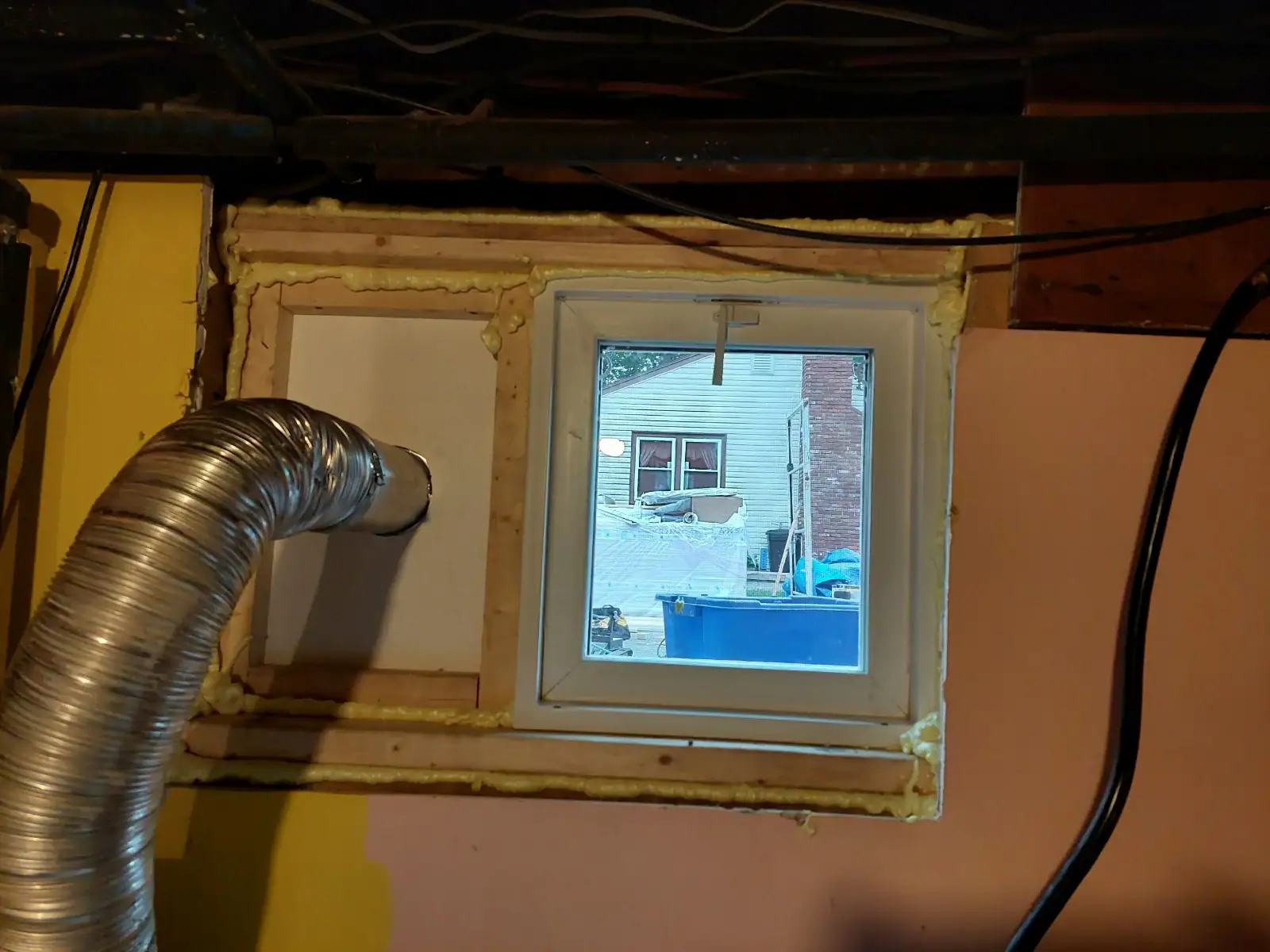
Let’s talk numbers. The average cost for professional window installation runs just over $1,000 per window, including both the window unit and the labor. Materials typically make up about 85% of that cost—around $897 per window—while labor accounts for the remaining 15%, or about $149 per window.
That might sound steep at first. But here’s the context: replacing single-pane windows with double-pane units can save you $126 to $465 per year per window in energy costs alone. For a whole-house replacement, total savings can hit $2,500 to $9,300 over the life of the windows. Most homeowners see payback within 5 to 8 years through energy savings, and premium installations deliver superior comfort and longer service life even if payback takes 7 to 10 years.
Cost also varies based on window type, frame material, and installation complexity. Double-hung windows are the most common and typically run $429 to $915 per window installed. Casement windows, which offer excellent ventilation and clear views, cost $597 to $1,273 per window. Sliding windows, popular in modern and ranch-style homes, range from $775 to $1,652.
And don’t forget about available rebates. Massachusetts residents can save $75 per window through Mass Save when replacing single-pane windows with ENERGY STAR Most Efficient certified models. You may also qualify for 0% HEAT Loan financing up to $25,000, which can offset upfront costs and make the project more manageable. These programs exist because the state knows energy-efficient windows work—and they want more homeowners to benefit.
The bottom line: professional window installation isn’t cheap, but it’s one of the top five home improvement projects for return on investment. You’re not just buying new windows. You’re buying lower bills, better comfort, and long-term value.
Not all windows are created equal. Energy efficiency comes down to a few key features, and understanding them helps you make a smarter choice when it’s time to replace your windows.
First, there’s the glass itself. Double-pane windows—two layers of glass with a sealed space between them—are the baseline for energy efficiency. That space is often filled with argon or krypton gas, which provides better insulation than plain air. The result is a thermal barrier that slows heat transfer in both directions. In winter, warm air stays inside. In summer, hot air stays out. Homes with double-pane windows can cut energy bills by up to 30% compared to single-pane windows. In the winter months alone, double-pane windows can reduce energy usage by up to 24%, and in summer by up to 18%.
Then there’s Low-E glass. Low-emissivity coatings are invisible layers applied to the glass that reflect infrared heat while still letting natural light through. In cold climates like Massachusetts and New Hampshire, Low-E coatings help retain interior heat, reducing heating costs. In warmer months, they reflect solar heat, keeping your home cooler and reducing the load on your air conditioning. Adding Low-E coatings to double-pane windows can increase total energy savings to 30% to 50% compared to single-pane windows.
Frame material matters too. Vinyl, fiberglass, and aluminum frames are durable, low-maintenance, and offer good thermal performance. Wood frames provide classic aesthetics but require more upkeep. The right frame depends on your home’s style, your budget, and how much maintenance you’re willing to do.
Finally, proper installation and sealing are non-negotiable. Even the most advanced window won’t perform if it’s not installed correctly. Gaps, poor sealing, and improper fitting all lead to air leaks, moisture problems, and energy loss. That’s why working with a licensed window contractor who understands New England’s climate and building codes is essential. Accurate installation ensures your windows are balanced, sealed, and performing at their maximum potential from day one.
Want live answers?
Connect with a Paradise Remodeling Inc. expert for fast, friendly support.
If you’re still running single-pane windows in Middlesex County, MA or Rockingham County, NH, you’re leaving money on the table. Double-pane windows aren’t a nice-to-have in this region—they’re a must-have. The benefits go beyond just energy savings, though that’s a big part of it.
Double-pane windows create a buffer between your home’s interior and the outdoor temperature. That buffer reduces drafts and cold spots near windows, which makes your home more comfortable year-round. No more sitting on the couch with a blanket in January because the cold radiates through the glass. No more cranking the AC in July because the sun is turning your living room into a sauna.
Noise reduction is another major benefit. The dual layers of glass and the insulating gas between them dampen sound transmission. Studies show that double-pane windows can reduce noise levels by up to 50%. If you live near a busy street, highway, or noisy neighborhood, that difference is immediately noticeable. Your home becomes a quieter, more peaceful place to live.
Double-pane windows also protect your belongings. Energy-efficient windows block harmful UV rays that fade floors, carpets, and furniture. That means your hardwood floors, area rugs, and upholstery last longer and look better. It’s a small detail, but it adds up over time—especially if you’ve invested in quality furnishings.
Let’s get specific about how double-pane windows actually save you money. It comes down to insulation and heat transfer.
Single-pane windows have an R-value—a measure of insulation—of about 1. Double-pane windows have an R-value of 2 to 3, meaning they provide twice the insulation. That extra layer of glass, combined with the insulating gas fill, slows the movement of heat. In winter, it keeps warm air from escaping. In summer, it keeps hot air from pushing in.
Homeowners who upgrade from single-pane to standard double-pane windows typically see a 20% to 30% reduction in heating and cooling costs. If you add Low-E coatings, total savings can reach 30% to 50%. For a Massachusetts household spending $883 per winter on natural gas heating, that’s $176 to $441 in annual savings. For a New Hampshire household spending $1,103 on heating oil, savings range from $220 to $551 per year.
Nearly 67% of homeowners who installed new windows reported saving $25 to $100 per month on energy bills. Over a year, that’s $300 to $1,200 back in your pocket. Over a decade, it’s $3,000 to $12,000. And that’s just energy savings—it doesn’t account for the improved comfort, reduced wear on your HVAC system, or the increased home value.
The payback period is real and measurable. Most single-to-double pane window upgrades achieve payback through energy savings within 5 to 8 years. Premium installations may take 7 to 10 years, but they deliver superior comfort and longer service life. Either way, you’re making a smart financial move that pays for itself and then keeps paying.
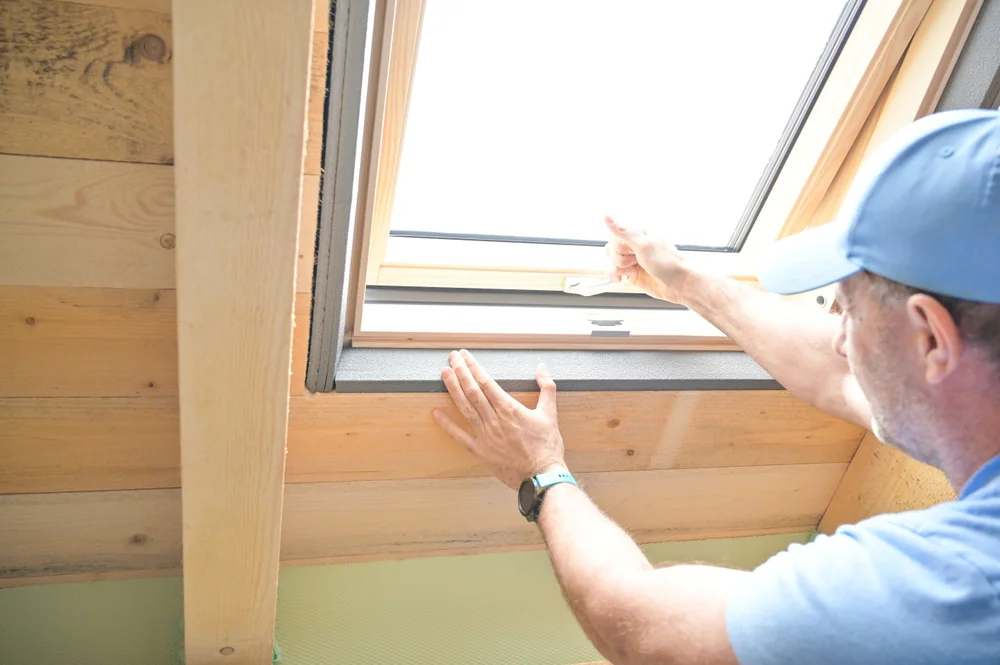
You might be tempted to save a few bucks by installing windows yourself. Don’t. Professional window installation isn’t just about putting glass in a frame—it’s about precision, sealing, and long-term performance. Get it wrong, and you’ll lose all the energy efficiency benefits you paid for.
Accurate installation is critical for today’s replacement windows to perform at their full potential. Windows need to be measured precisely, fitted correctly, and sealed thoroughly. Even small gaps or misalignments lead to air leaks, moisture infiltration, and energy loss. That’s why windows should be installed by experienced, factory-trained crews who know how to ensure a perfect fit and proper balance.
Licensed window contractors in Massachusetts are required to hold both a Home Improvement Contractor’s license and a Construction Supervisor’s license. In New Hampshire, while there’s no statewide general contractor license, reputable contractors carry proper insurance, including liability and workers’ compensation coverage. These credentials matter because they show the contractor has met professional standards and is accountable for their work.
Professional installers also understand local building codes and climate-specific requirements. New England’s harsh winters and humid summers demand high-performance windows and installation techniques that account for thermal expansion, moisture management, and air sealing. A contractor who knows the region—whether working in Essex County, MA or Hillsborough County, NH—will use the right materials, follow the right processes, and deliver results that last.
Finally, professional installation comes with warranties. Most manufacturers require professional installation to honor their product warranties. If something goes wrong with a DIY install, you’re on your own. With a licensed contractor, you have recourse and protection. That peace of mind is worth the investment.
High heating bills don’t have to be a fact of life in Massachusetts and New Hampshire. Energy-efficient window installation with double-pane glass, proper sealing, and professional expertise can cut your costs by up to 30%, improve your comfort, and add long-term value to your home.
The key is working with a licensed window contractor who understands the region, uses manufacturer-certified products, and installs windows correctly the first time. Regular window maintenance tips—like inspecting seals annually and recaulking every three to five years—keep your windows performing at their best for decades.
If you’re ready to stop overpaying for heat and start enjoying a more comfortable home, we can help. At Paradise Remodeling Inc, we bring deep expertise in window installation across Essex County, MA, Hillsborough County, NH, Rockingham County, NH, and Middlesex County, MA. We deliver quality workmanship, certified products, and results that last.
Summary:
Article details:
Share: