Your roof, deck, windows, and gutters need attention at different times throughout the year. Miss those windows, and small problems turn into expensive emergencies.
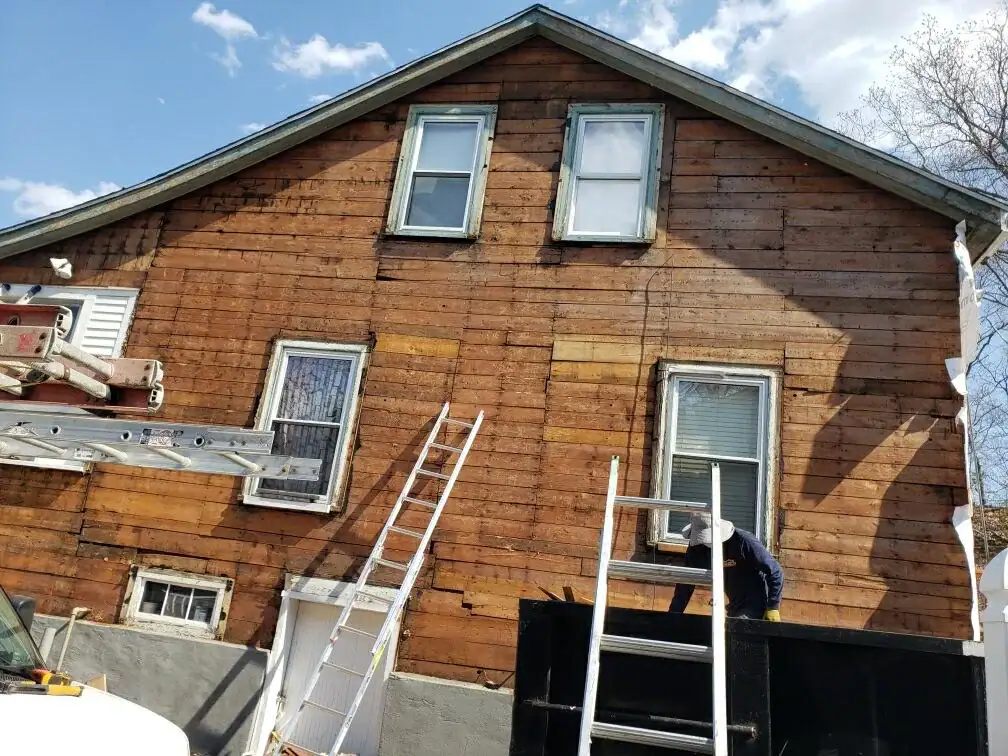
You know your home needs maintenance. You’ve been meaning to check the gutters, inspect that deck, take a closer look at the roof after last winter. But between work, family, and everything else demanding your attention, it’s easy to let months slip by. Then one day you notice water stains on the ceiling, or a soft spot on the deck, or your basement flooding after a heavy rain. What started as a simple maintenance task is now an emergency repair with a price tag that makes you wince. The truth is, your home’s exterior systems need attention on specific timelines. Miss those windows, and minor issues compound into major failures. Let’s talk about when to check what—and why it matters more than you think.
Preventative maintenance sounds like something contractors say to drum up business. But here’s what actually happens when you skip it.
A clogged gutter doesn’t just overflow. Water backs up under your roof shingles, soaks into fascia boards, and eventually finds its way into your walls. By the time you see the damage inside, you’re looking at roof repairs, siding replacement, and possibly mold remediation. That’s not a $300 problem anymore—it’s $3,000 or more.
Same with your deck. A small crack in the sealant lets moisture into the wood. New England’s freeze-thaw cycles expand that moisture. The wood splits, rot sets in, and suddenly you’re replacing entire sections instead of applying a coat of sealer. The difference between a $400 maintenance task and a $2,500 repair often comes down to timing.
Most homeowners clean their gutters when they remember, which usually means when they’re already overflowing. That’s too late.
Your gutters need cleaning at least twice a year—late spring after trees finish blooming and late fall after leaves drop. If you have oak, pine, or maple trees near your house, you’re looking at three or four times annually. Pine needles and oak tassels don’t wait for convenient timing. Homes in Essex County, MA and Rockingham County, NH with heavy tree coverage face this reality every season.
Here’s what happens when you don’t. Debris builds up and traps moisture. That moisture sits against your roof edge and fascia boards. In winter, it freezes and creates ice dams. Those ice dams force water under your shingles and into your home. Insurance companies see this pattern constantly—homeowners who skip gutter cleaning end up filing water damage claims that could have been prevented with a $150-$375 cleaning.
The cleaning itself isn’t complicated, but it needs to happen on schedule. Remove debris, flush downspouts, check for proper drainage away from your foundation. If water pools within 24 hours of a rainstorm, you’ve got a grading problem that’s sending water toward your foundation instead of away from it.
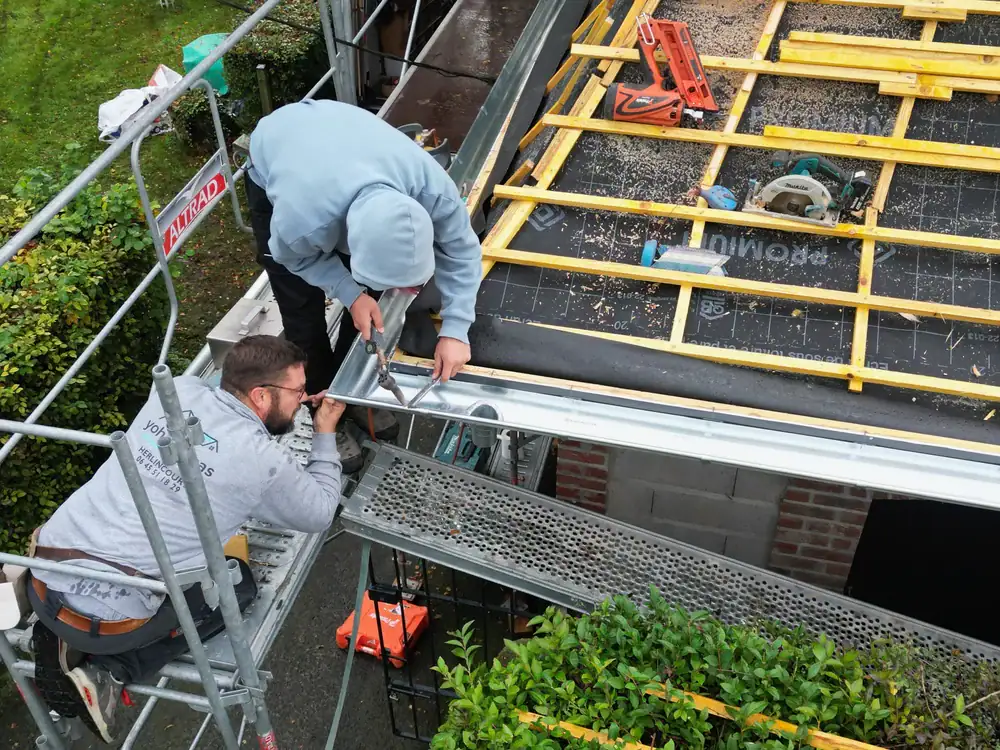
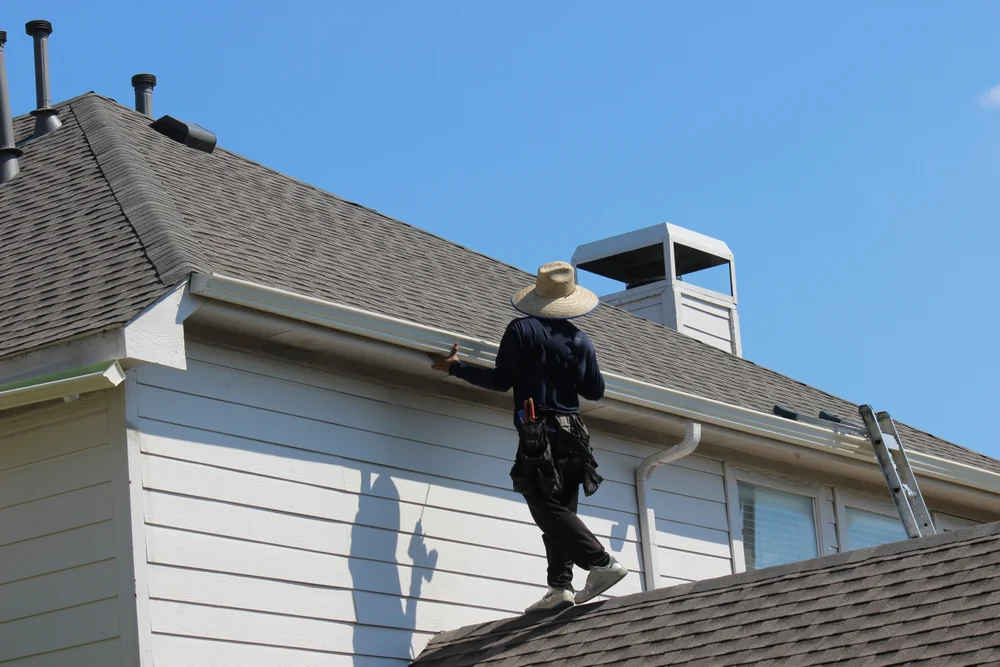
Gutters also need inspection while you’re up there. Look for rust, sagging sections, loose hangers, and leaks at seams. These small issues are quick fixes now. Left alone, they turn into full gutter replacement projects.
The twice-yearly schedule isn’t arbitrary. It aligns with the seasons that cause the most problems. Spring cleaning removes winter debris and checks for ice dam damage. Fall cleaning happens after leaves drop but before winter freeze. Stick to that timeline and your gutters do their job—channeling thousands of gallons of water away from your home’s foundation, walls, and basement.
Your roof takes a beating. Heavy snow, ice, wind, temperature swings from -10°F to 90°F, and UV exposure that breaks down materials over time. Most asphalt shingle roofs last about 20 years, but that assumes proper maintenance. Skip the maintenance and you’re looking at replacement in 15 years or less.
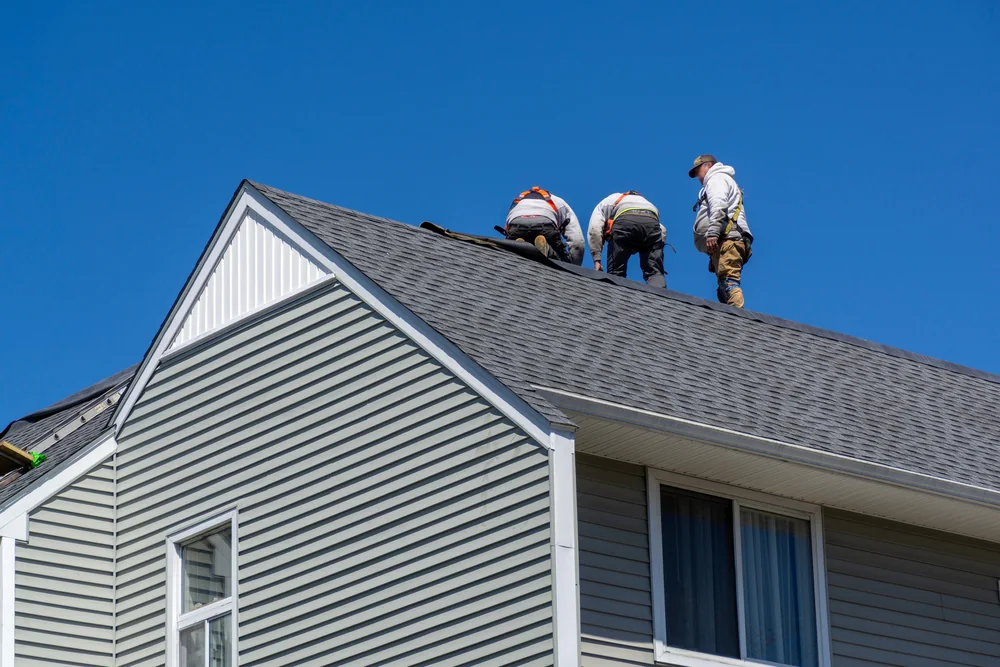
Annual roof inspections catch problems before they become leaks. You’re looking for missing or damaged shingles, loose flashing around chimneys and vents, granules collecting in gutters (sign your shingles are deteriorating), and any soft or spongy spots that indicate underlying damage. Spring is ideal timing—you’re checking for winter damage before summer storms arrive.
The national average for roof repairs runs about $1,150, with minor fixes under $1,000. But here’s the thing: most homeowners don’t know they need a repair until water is coming through the ceiling. At that point, you’re not just fixing shingles. You’re dealing with damaged decking, soaked insulation, and possibly interior ceiling and wall repairs. A $400 shingle repair becomes a $3,000+ project because the problem went undetected.
Professional roof maintenance costs $120-$400 annually depending on roof size and complexity. That inspection identifies issues like small leaks, damaged flashing, or deteriorating seals before they cause interior damage. It’s also when you catch things like moss growth, which holds moisture against your shingles and accelerates deterioration.
New England winters are particularly hard on roofs. Ice dams form when heat escapes through your roof, melts snow, and that water refreezes at the roof edge. The ice builds up and forces water under shingles. Proper attic insulation and ventilation prevent this, but you won’t know there’s a problem until someone checks.
Keep your gutters clean and your roof inspected annually. Those two home repair services alone prevent the majority of roof-related water damage. Add in prompt repair of any issues found during inspection, and you’re extending your roof’s lifespan by years while avoiding the emergency repairs that cost thousands.
Want live answers?
Connect with a Paradise Remodeling Inc. expert for fast, friendly support.
Decks and windows operate on different timelines than roofs and gutters, which is exactly why they get neglected. You remember to clean gutters because overflowing water is obvious. Deck deterioration and window seal failure happen slowly, until suddenly you’re dealing with rot or condensation between panes.
Wood decks need annual inspection and cleaning at minimum. You’re checking for loose boards, rusted fasteners, soft spots that indicate rot, and proper drainage. But the big maintenance task is sealing, and that’s where most homeowners fall behind.
Deck sealant protects wood from moisture, UV damage, and temperature extremes. How often you reseal depends on sun exposure, foot traffic, and climate. The water test tells you when it’s time—pour a cup of water on your deck. If it beads up and rolls off, your seal is good. If it soaks into the wood, you need to reseal. For most decks in Middlesex County, MA and Hillsborough County, NH, that’s every 1-3 years.
Unsealed wood absorbs moisture. In summer, that means warping and splitting as the wood expands and contracts. In winter, absorbed moisture freezes, expands, and cracks the wood from the inside. That’s how small surface cracks become structural problems.
The average deck costs $4,000-$10,500 to build. Regular deck maintenance extends its life from 10 years to 25+ years. Skip the maintenance and you’re looking at major repairs or replacement in less than a decade. Wood deck maintenance over a 10-year period costs about $4,000 if you stay on schedule. That includes annual cleaning and sealing every 1-3 years. Compare that to a $7,000 deck replacement because rot spread through the structure.
Deck inspections should happen in spring before heavy use season. You’re looking at the surface boards, but also checking underneath. Joists, beams, and posts need inspection for moisture damage, especially where they contact the ground. Ledger boards—where the deck attaches to your house—are critical. Failure here causes deck collapse.
Composite decks need less maintenance than wood, but they’re not maintenance-free. Annual cleaning and inspection still matter. You’re checking for mold, mildew, fading, and structural issues with the frame underneath. Even composite boards can crack or warp if the substructure fails.
The maintenance timeline for decks is straightforward: inspect annually in spring, clean thoroughly twice a year (spring and fall), and seal wood decks every 1-3 years based on the water test. Stay on that schedule and your deck remains safe and functional for decades. Professional deck maintenance catches the issues homeowners miss—soft spots in joists, deteriorating fasteners, and moisture problems before they require expensive repairs.
Windows need attention twice a year—spring and fall. You’re not just cleaning glass. You’re inspecting seals, checking weatherstripping, looking for condensation between panes, and making sure windows open and close properly.
Failed window seals show up as condensation or fog between double or triple panes. That means the insulating gas has leaked out and your window is no longer energy efficient. You’re losing heat in winter and cool air in summer, which shows up on your utility bills. Seal failure doesn’t get better—the window needs replacement or repair.
Weatherstripping and caulking deteriorate over time. Gaps around windows let in drafts, moisture, and pests. Check for cracks in caulking, worn weatherstripping, and any gaps you can feel air moving through. These are quick fixes that prevent energy loss and water infiltration.
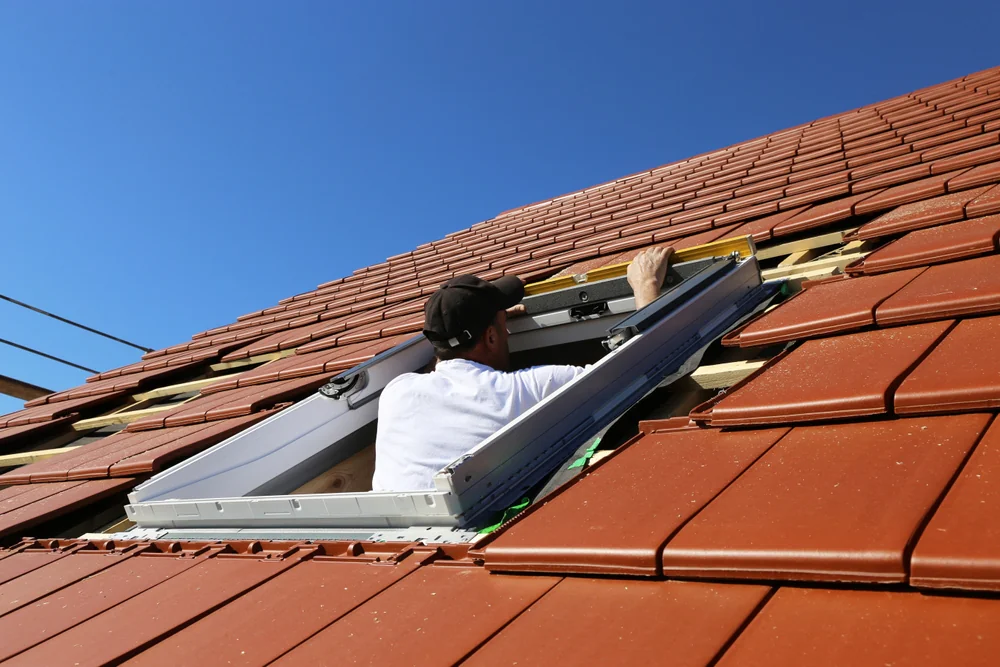
Spring window maintenance focuses on cleaning, checking for winter damage, and ensuring proper operation. Clean both interior and exterior glass, vacuum or wipe down tracks and sills, and inspect frames for damage. Wood frames can warp or rot if moisture gets in. Vinyl and aluminum frames can crack in extreme cold.
Fall maintenance prepares windows for winter. Check seals and weatherstripping, apply new caulk where needed, and consider adding thermal curtains or window film for extra insulation. Test all locks and latches—proper sealing matters for both security and energy efficiency.
The maintenance itself takes minimal time, but the impact is significant. Drafty windows can increase heating costs by 10-25%. Water infiltration around windows leads to wall damage, mold growth, and structural issues. Regular window maintenance catches these problems when they’re still cheap to fix.
New England’s freeze-thaw cycles are particularly hard on windows. Temperature swings cause expansion and contraction that stresses seals and frames. Ice buildup can damage sills and trim. The twice-yearly inspection schedule aligns with these seasonal challenges—checking for winter damage in spring and preparing for winter in fall.
You now know the timelines: gutter maintenance twice a year, roof inspection annually, deck inspection and cleaning annually with sealing every 1-3 years, window maintenance twice a year. The question is whether it actually happens.
Most homeowners have good intentions and busy lives. Maintenance gets pushed to next weekend, then next month, then forgotten until something breaks. The solution isn’t trying harder to remember—it’s setting up a system that doesn’t rely on memory.
Mark your calendar for specific dates. First weekend in May for spring maintenance (gutters, roof, windows, deck). First weekend in October for fall maintenance (gutters, windows, winterization). Add deck sealing to your spring schedule every 2-3 years based on the water test. That’s it. Two weekends a year, or hire it done and free up your time entirely.
We handle all of these home repair services—roofing, gutters, decks, windows, and the coordinated maintenance schedule that keeps everything functioning. One call, one company, one less thing to manage while your home’s exterior stays protected year-round.
Summary:
Article details:
Share: