
Hear from Our Customers
You’re not just cleaning dirt off your house. You’re stopping moisture from working its way behind your siding where it causes mold growth and structural damage. You’re catching cracks and gaps before winter freezes turn them into major problems. You’re removing the algae and mildew that make your home look neglected and actually shorten your siding’s lifespan.
Somerville homes face nor’easters, salt air from the coast, and temperature swings that go from below freezing to humid summers. That’s a lot of expansion, contraction, and moisture exposure. Your siding is the only thing standing between all of that and the inside of your walls.
Regular maintenance means you’re not repainting every few years. You’re not replacing rotted trim. You’re not dealing with mold inside your walls because water got in through a crack you didn’t see. The homes that look great after 15 years aren’t lucky—they’re maintained.
We’ve spent nearly two decades working on homes throughout Somerville, MA. We know what happens to Victorians and Triple Deckers when maintenance gets skipped. We’ve seen what one bad winter does to siding that wasn’t properly inspected in the fall.
Somerville’s housing density means your home is probably close to your neighbors. Water damage doesn’t stay contained. Mold doesn’t wait. We’ve worked in every neighborhood here, and we understand the specific challenges your home faces based on sun exposure, tree coverage, and proximity to the coast.
You’re not getting a national franchise that trains people in a week. You’re getting a local crew that’s been doing this work in your city for almost 20 years.
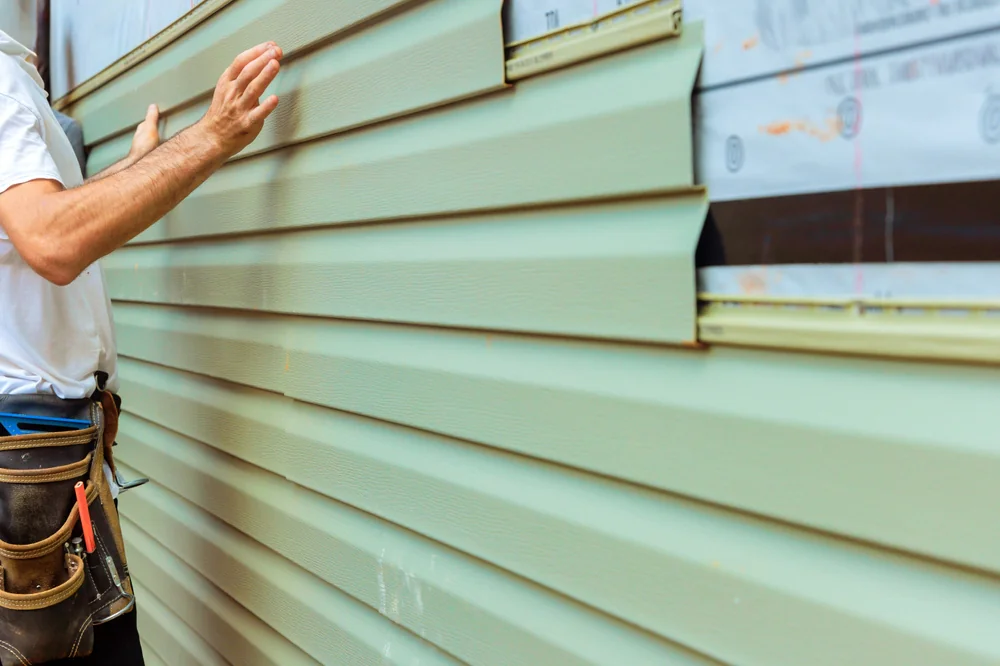
We start with a full siding inspection checklist. That means checking for cracks, gaps, loose panels, and any signs of moisture damage or mold growth. We’re looking at caulking, seams, and anywhere water could get behind your siding. This isn’t a quick walk-around—it’s a methodical check of your entire exterior.
Next comes cleaning. For most homes in Somerville, MA, we use soft washing instead of high-pressure power washing. Soft washing uses low-pressure water with specialized cleaning solutions that kill mold and mildew at the root without forcing water into your walls or stripping paint. Power washing has its place, but soft washing is safer for most siding materials and more effective at preventing regrowth.
If we find damage during inspection, we’ll show you exactly what needs repair and why. Small fixes now prevent big problems later. After cleaning and any necessary repairs, your siding is protected, your home looks sharp, and you’ve added years to your exterior’s lifespan. Most importantly, you know exactly what condition your siding is in.
Ready to get started?
You get a complete exterior inspection that covers every panel, seam, and transition point on your home. We document problem areas and explain what’s urgent versus what can wait. This matters in Somerville, MA because your home is constantly exposed to moisture—from humidity in summer, rain in spring and fall, and snow and ice in winter.
Mold and mildew removal is a major part of what we do. The shaded sides of homes here grow algae and mildew fast, especially if you have trees nearby. We don’t just spray it off—we treat it with solutions that kill the growth and slow it from coming back. That’s the difference between cleaning that lasts six months and cleaning that lasts a season or two.
We also handle minor repairs during maintenance visits. Loose panels get secured. Failed caulking gets replaced. Small cracks get sealed before they become big cracks. The goal is to leave your home weather-tight and protected, not just clean. Somerville’s freeze-thaw cycles are brutal on any weak points in your siding, so catching them early saves you real money.
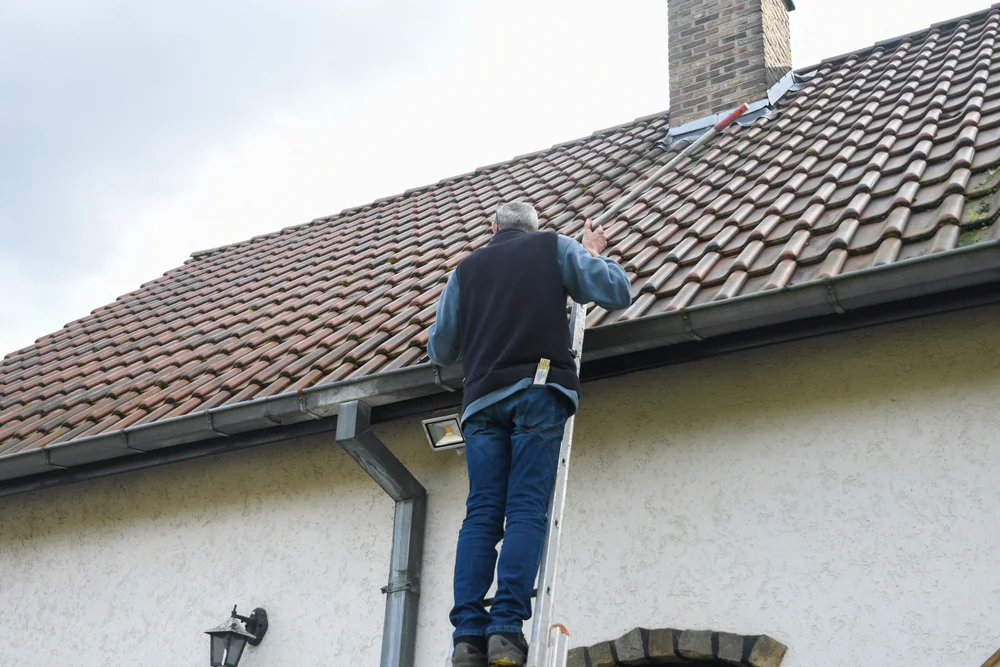
Most Somerville homes should have siding inspected and cleaned once a year, ideally in spring or early fall. Spring maintenance catches any damage from winter—ice, snow weight, freeze-thaw cycles. Fall maintenance prepares your home for the next winter and removes any mold or mildew that built up over the humid summer months.
If your home is heavily shaded, surrounded by trees, or on the north side of a hill where it stays damp, you might need cleaning twice a year. Mold and mildew grow faster in those conditions. Homes in full sun with good airflow can sometimes go longer between cleanings, but annual inspections are still smart because damage doesn’t wait for you to notice it.
The key is consistency. Waiting three or four years between cleanings means you’re letting mold dig in, letting small cracks become big ones, and letting your siding age faster than it should. Annual maintenance is cheaper than emergency repairs.
Power washing uses high-pressure water to blast away dirt, mold, and stains. It works fast and handles tough buildup, but the pressure can damage siding, strip paint, force water behind panels, or crack caulking if it’s not done carefully. Soft washing uses low-pressure water combined with biodegradable cleaning solutions that actually kill mold, mildew, and algae instead of just knocking it off the surface.
Soft washing is safer for most siding types and more effective at preventing regrowth because it treats the problem, not just the symptom. The cleaning solutions do the work, not the pressure. That means less risk of damage and longer-lasting results. For vinyl siding, fiber cement, and painted wood, soft washing is usually the better choice.
Power washing still has a place—concrete, brick, and some heavily stained surfaces respond well to it. But for regular siding maintenance in Somerville, MA, soft washing protects your home while getting it clean. We choose the method based on your siding material and condition, not what’s fastest for us.
You can rent a pressure washer and try it yourself, but most homeowners either damage their siding or don’t get it truly clean. The biggest risk is using too much pressure and forcing water behind your siding, which leads to mold growth inside your walls. The second biggest risk is injury—pressure washers are powerful enough to cut skin, and working on ladders adds fall risk.
Even if you avoid damage, DIY cleaning usually doesn’t kill mold and mildew at the root. You’re rinsing it off, not treating it, so it comes back faster. Professional equipment and cleaning solutions are more effective and safer for your siding. We also catch problems during cleaning that you might miss—small cracks, loose panels, failed caulking—before they become expensive repairs.
If your siding just needs a light rinse and you’re comfortable on a ladder, a garden hose with a spray nozzle might be fine for spot cleaning. But for real maintenance that protects your investment, professional service pays for itself by extending your siding’s life and preventing damage.
Mold and mildew usually show up as black, green, or dark brown streaks and spots, especially on north-facing walls or shaded areas. Dirt tends to be more uniform and lighter in color—gray or tan dust that covers everything evenly. Mold grows in patches and spreads over time. If you see dark spots that seem to be getting bigger or spreading to nearby panels, that’s likely mold.
You can test it: spray the area with water. If it darkens and looks slimy or doesn’t rinse off easily, it’s probably mold or mildew. Dirt usually rinses away with water pressure. Mold needs treatment with cleaning solutions to actually kill it. Another sign is smell—if you get close and notice a musty, earthy odor, that’s mold.
Somerville’s humidity and tree coverage make mold growth common, especially on vinyl siding. It’s not just cosmetic—mold can work its way behind siding and cause real damage to your home’s structure. If you’re seeing dark growth on your siding, get it inspected and treated before it spreads.
Start by walking around your home and looking for visible cracks, holes, or loose panels. Check the caulking around windows, doors, and corners—if it’s cracked or pulling away, water can get in. Look for any panels that seem warped, buckled, or not sitting flat against the house. Those are signs of moisture damage or improper installation.
Pay attention to areas where different materials meet—where siding connects to trim, where it meets your foundation, or around vents and fixtures. These transition points are common failure spots. Check for mold, mildew, or algae growth, especially on shaded walls. Look at the condition of your paint if you have wood siding—peeling or bubbling paint means moisture is getting in.
Inside your home, check for water stains on walls or ceilings near exterior walls, especially after heavy rain. That’s a sign your siding isn’t doing its job. In Somerville, MA, you should inspect your siding in spring after winter damage and in fall before the next winter. If you’re not sure what you’re looking at, a professional inspection gives you a clear picture of your siding’s condition and what needs attention.
Yes, but not in the way most people think. Clean siding doesn’t directly insulate your home better, but proper maintenance prevents air leaks and moisture infiltration that kill your energy efficiency. When your siding has cracks, gaps, or failed caulking, outside air gets into your wall cavities. That makes your heating and cooling systems work harder and drives up your energy bills.
Moisture is even worse. If water gets behind your siding and soaks your insulation, that insulation loses most of its R-value. Wet insulation doesn’t work. Regular maintenance catches these problems early—we seal gaps, replace failed caulking, and make sure your siding is tight against your home’s structure. That keeps conditioned air inside and outside air where it belongs.
Dark stains from mold and algae can also affect your home’s temperature. Dirty, dark siding absorbs more heat in summer, making your air conditioning work harder. Clean, light-colored siding reflects more heat. In Somerville, MA, where you’re heating in winter and cooling in summer, these small differences add up over time. Proper siding maintenance won’t transform your energy bills overnight, but it’s part of keeping your home efficient and comfortable year-round.