Hear from Our Customers

You stop worrying about water getting behind your walls. That’s the first thing most homeowners in Somerville notice after a proper siding installation—no more wondering if the next storm is going to cause hidden damage you won’t see until it’s expensive.
Your energy bills drop because your home isn’t bleeding heat through cracks and gaps anymore. Insulated vinyl siding installation in Somerville creates a thermal barrier that keeps warm air inside during those freezing February nights and cool air in when July hits. Most homes see their heating and cooling costs drop between 15-20% once the new siding is sealed properly with house wrapping underneath.
Your home looks updated, sure. But more than that, it looks maintained. That matters in Somerville’s competitive real estate market, especially with the Green Line Extension pushing property values higher. Fiber cement siding cost might run more upfront than basic vinyl, but you’re looking at returns over 150% in this area when you eventually sell. And until then, you’re living in a house that doesn’t need constant touch-ups or repainting every few years.
Paradise Remodeling Inc has spent nearly two decades working on homes across the North Shore and surrounding areas. We’re an Owens Corning Preferred Contractor, which means we’ve met strict standards for quality and customer service that most companies don’t bother with.
Somerville presents specific challenges—tight lot lines, triple-deckers, narrow streets that make scaffolding access tricky. We’ve handled those situations hundreds of times. Our crews know how to work efficiently on multi-story buildings without cutting corners on the details that actually matter, like proper flashing and moisture barriers.
You’ll work directly with our team from estimate through final walkthrough. We’re fully insured, locally based, and we don’t disappear after the job. If you have questions six months later, you’ll get a response.
We start with an on-site assessment of your current siding. We’re looking for water damage, checking what’s underneath those existing panels, measuring everything, and talking through what you actually need versus what someone might try to upsell you on. You’ll get a detailed estimate that breaks down materials, labor, and timeline.
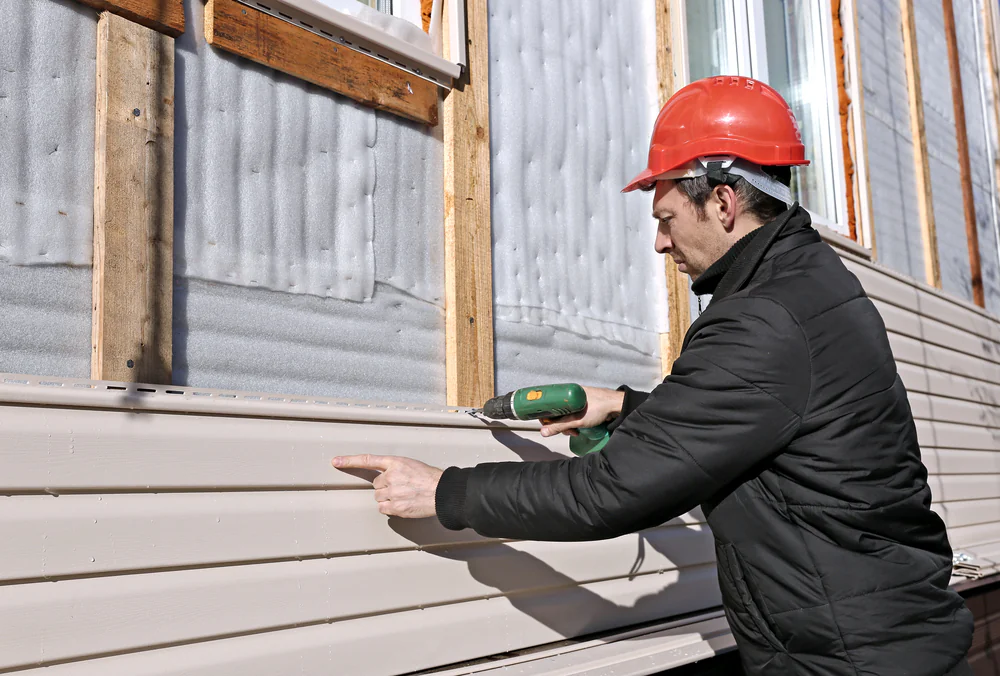
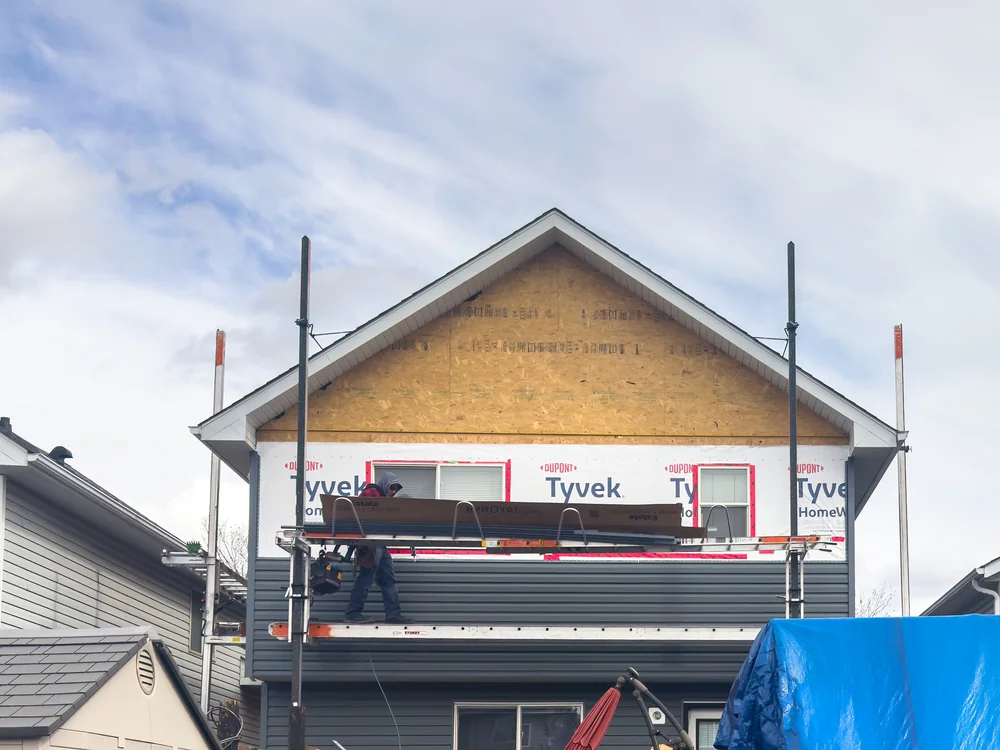
Once you’re ready to move forward, we schedule the work around your life—not ours. Our crew removes your old siding carefully, inspects the sheathing underneath for any rot or damage that needs addressing, then installs house wrapping as a continuous moisture barrier. This step matters more than most homeowners realize. It’s what prevents water infiltration and air leaks that drive up energy costs.
Then we install your new siding—whether that’s vinyl, James Hardie fiber cement, or another material you’ve chosen. Every seam gets sealed properly. Flashing goes around windows and doors. Ventilation stays intact. We’re not rushing to get to the next job. When we’re done, we walk the property with you, answer any questions, and remove all debris. You’re left with siding that’s installed correctly the first time.
Ready to get started?
Vinyl siding installation in Somerville is the most common choice because it’s cost-effective and holds up well in New England weather. Quality vinyl doesn’t crack in cold temperatures, doesn’t fade quickly, and requires almost zero maintenance beyond occasional cleaning. You’re looking at a 20-30 year lifespan with good installation. It comes in dozens of colors and styles, so matching your home’s character isn’t an issue.
Fiber cement siding—especially James Hardie—costs more upfront but delivers better fire resistance, impact resistance, and longevity. It’s 90% sand and cement, so pests won’t touch it and it won’t rot. We know this material performs exceptionally well through freeze-thaw cycles that destroy lesser products. If you’re planning to stay in your home long-term or you’re in a high-value neighborhood, the fiber cement siding cost pays off in durability and resale value.
Both options include proper insulation and house wrapping as part of our installation process. That’s not an add-on. It’s standard because it’s necessary. Somerville’s older housing stock—those beautiful Victorians and triple-deckers—often has multiple layers of old siding over original clapboards. We remove what needs removing, address what’s underneath, and install new siding that actually protects your investment for decades.
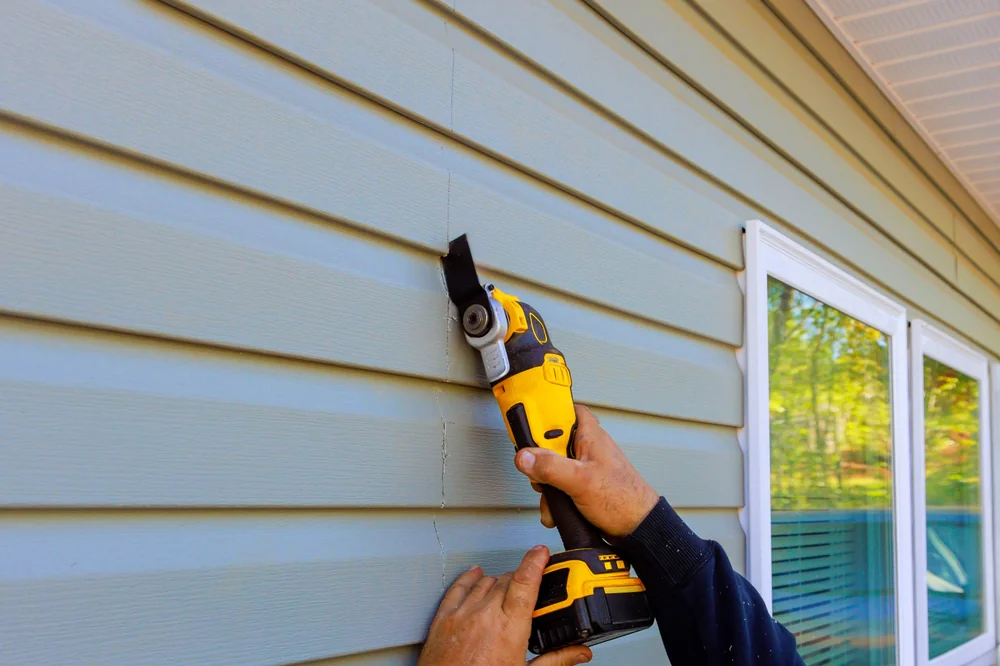
Most siding installation projects in Somerville, MA run between $12,000 and $28,000 depending on your home’s size, the material you choose, and how much prep work is needed. A standard two-story home with vinyl siding usually falls in the $15,000-$18,000 range. Fiber cement siding cost runs higher—typically $20,000-$28,000 for the same house—because the material itself costs more and installation takes longer.
Triple-deckers and larger Victorians cost more because of the square footage and the scaffolding access required on Somerville’s narrow streets. If we find rot or water damage when we remove your old siding, that adds to the cost because it has to be fixed before new siding goes up. We’ll never hide that from you. You’ll know exactly what you’re paying for before we start.
The return on investment in this area is strong. Vinyl siding recoups about 116% in Massachusetts compared to the 80% national average. Fiber cement does even better in high-value markets like Somerville, especially with property values climbing near the Green Line Extension.
Fiber cement and quality vinyl both handle New England weather well, but they do it differently. James Hardie fiber cement is engineered specifically for this climate with their HZ5 product line. It won’t warp in humidity, won’t crack when temperatures drop below zero, and it resists the expansion and contraction that destroys cheaper materials over time.
Vinyl siding installation in Somerville works great if you choose a product rated for cold weather performance. Cheap vinyl gets brittle and cracks in freezing temperatures. Quality vinyl—like CertainTeed or similar—stays flexible and holds its shape through temperature swings from -10°F to 95°F. It also resists moisture better than wood-based products, which matters during our wet springs and when ice dams form in winter.
Both materials need proper installation to perform correctly. That means house wrapping underneath to manage moisture, proper flashing around openings, and correct fastening that allows for thermal movement. The material matters, but installation quality matters more. Bad installation ruins even the best siding. Good installation makes quality materials last 30+ years without major issues.
Most siding installation projects in Somerville take between one and three weeks from start to finish. A typical single-family home usually takes 5-7 working days. Larger homes, triple-deckers, or projects that involve significant rot repair can stretch to two or three weeks.
Weather affects the timeline because we can’t install siding in heavy rain or extreme cold. We also can’t leave your home exposed overnight if there’s rain in the forecast, so sometimes we have to pause and resume when conditions improve. We’ll give you a realistic timeline upfront and keep you updated if anything changes.
The actual installation moves faster than most homeowners expect. Removal of old siding typically takes 1-2 days. Repairs and house wrapping take another 1-2 days. New siding installation takes 2-4 days depending on your home’s size and complexity. The rest of the time accounts for trim work, cleanup, and final details. You can stay in your home throughout the entire process. It’s disruptive, but it’s manageable.
House wrapping isn’t optional. It’s the moisture barrier that keeps water from getting into your wall cavities when wind-driven rain gets behind your siding—which it will. Somerville gets nor’easters that push water into every seam and gap. Without proper house wrapping, that water soaks into your sheathing and insulation, leading to mold and rot you won’t see until it’s a major problem.
Quality house wrapping also improves energy efficiency by reducing air infiltration. Studies show homes with properly installed house wrapping see 8-10% reductions in heating costs because they’re not losing warm air through tiny gaps in the building envelope. That adds up over a New England winter.
We include house wrapping as part of every siding installation because it’s necessary for the siding to do its job. Some contractors skip it or use cheap products to keep their bids low. That’s a mistake that costs you more in the long run. Proper installation means Tyvek or similar quality wrap, sealed seams, proper flashing integration, and attention to detail around windows and doors. It takes more time upfront, but it’s what separates a 15-year siding job from a 30-year one.
Yes, but how much depends on what you’re replacing and how well the installation is done. If your current siding has gaps, cracks, or missing pieces, you’re losing conditioned air constantly. Your furnace and AC are working harder to maintain temperature, which shows up in your energy bills every month.
Insulated vinyl siding installation in Somerville typically reduces heating and cooling costs by 15-20% compared to old, damaged siding. The insulation adds thermal resistance, and proper house wrapping eliminates drafts. Some homeowners see even better results—up to 30% reductions—if their old siding was really compromised or if they’re upgrading from single-layer wood siding with no insulation underneath.
The Department of Energy tracked homes that upgraded to insulated siding and found an average 8% reduction in BTU usage for heating. That’s measurable, real savings. You’ll notice it most in winter when heating costs are highest. Rooms that used to feel drafty stay comfortable. Your furnace doesn’t cycle on and off as frequently. Over the 20-30 year lifespan of quality siding, those energy savings add up to thousands of dollars—enough to offset a significant portion of your initial investment.
It comes down to budget, how long you’re staying in the home, and what matters most to you. Vinyl siding installation in Somerville costs less upfront—usually $15,000-$18,000 for an average home. It requires almost no maintenance, comes in lots of colors, and lasts 20-30 years with proper installation. For most homeowners, quality vinyl is the smart choice.
James Hardie fiber cement costs more—typically $20,000-$28,000 for the same home—but it’s more durable, fire-resistant, and holds value better. It won’t melt if your grill gets too close. Woodpeckers and insects won’t damage it. It holds paint longer if you ever want to change colors. If you’re in a high-value neighborhood or planning to stay in your home for decades, the fiber cement siding cost makes sense because you’re not replacing it again in your lifetime.
Both materials perform well in New England weather when installed correctly. Both improve energy efficiency with proper insulation and house wrapping. The difference is mostly about longevity and maintenance. Vinyl might need replacement in 25 years. Fiber cement will still look good in 50. Think about your timeline and your budget, and we’ll help you make the choice that fits your situation.