Hear from Our Customers
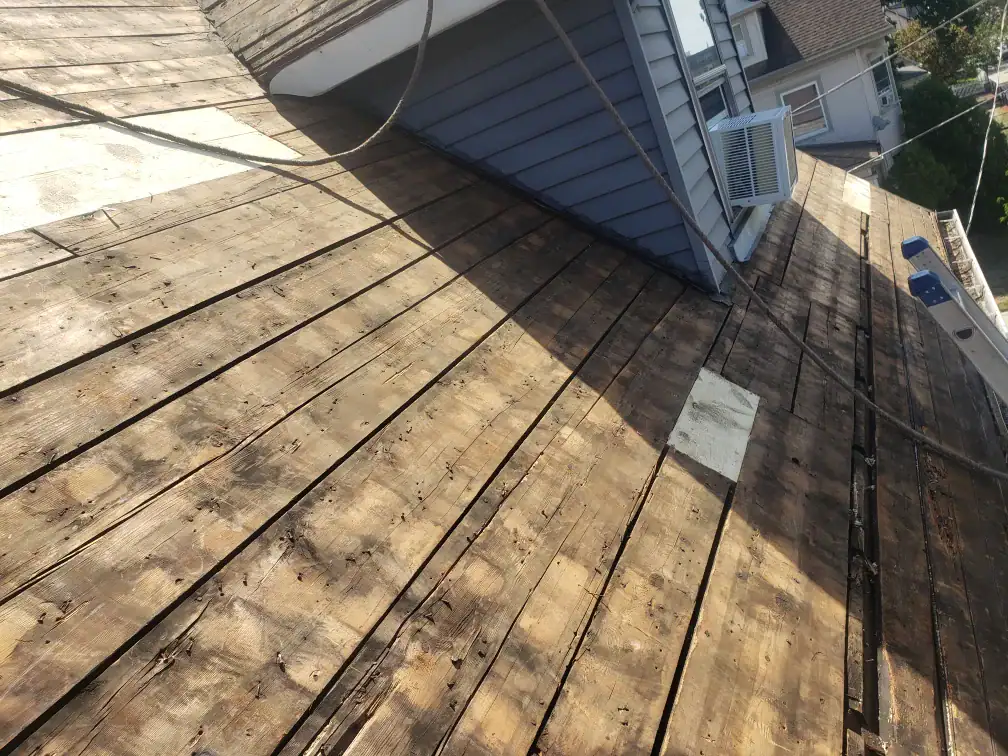
Your siding takes a beating. Newton’s harsh winters, humid summers, and UV exposure don’t just fade the color—they create the perfect conditions for mold, mildew, and moisture intrusion that can work their way behind your panels.
Regular maintenance stops that cycle. You’re not just washing dirt off the surface. You’re removing organic growth that holds moisture against your home, checking for cracks or warping before they become leaks, and catching small issues while they’re still cheap to fix.
When siding is properly maintained, it lasts longer, performs better, and saves you from emergency repair bills. Your home stays protected from the elements, your energy bills don’t spike from failing insulation, and your curb appeal doesn’t tank because half your siding is covered in green streaks. That’s what maintenance is supposed to do—keep things working so you’re not scrambling later.
We’ve been serving Massachusetts homeowners since 2006, and we’ve seen what happens when siding maintenance gets ignored. We’ve also seen what proper care can do—homes that look great 15 years later because someone took the time to clean and inspect them regularly.
We’re an Owens Corning Preferred Contractor, which means we meet strict standards for quality and reliability. Our BuildZoom score ranks in the top 8% of licensed contractors in Massachusetts. We’re locally owned, and we work in Newton because we know the area—the weather patterns, the common issues with older homes, and what it takes to keep siding in good shape here.
You’re not getting a sales pitch. You’re getting straight answers from people who’ve been maintaining and replacing siding for nearly two decades.
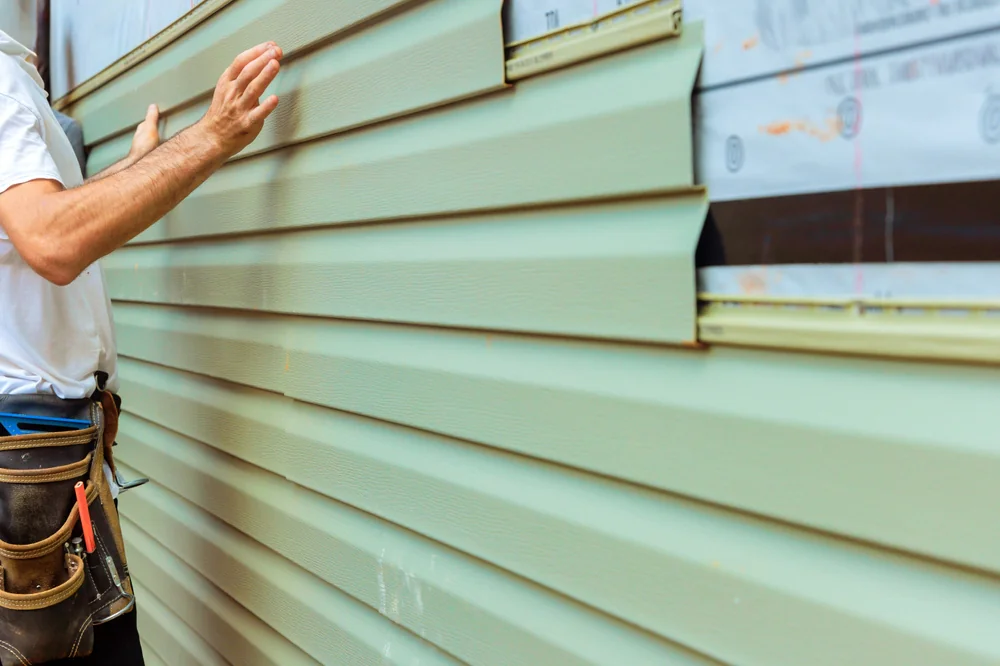
We start with a full inspection. That means checking for cracks, warping, loose panels, signs of moisture intrusion, and any areas where mold or mildew have taken hold. You need to know what you’re dealing with before you start cleaning.
Next comes the actual cleaning. We use soft washing for most siding types in Newton, MA—not high-pressure power washing that can force water behind your panels or strip paint. Soft washing uses low pressure (around 60-150 PSI) and specialized cleaning solutions that kill mold, mildew, and algae at the source. It’s thorough, it’s safe, and it doesn’t damage your siding.
After cleaning, we do a final walkthrough. We’ll point out anything that needs attention—a cracked panel, a spot where caulking has failed, areas where you might see problems down the road. You’ll know exactly what’s going on with your siding and what, if anything, needs to be addressed. No surprises, no upselling—just the facts.
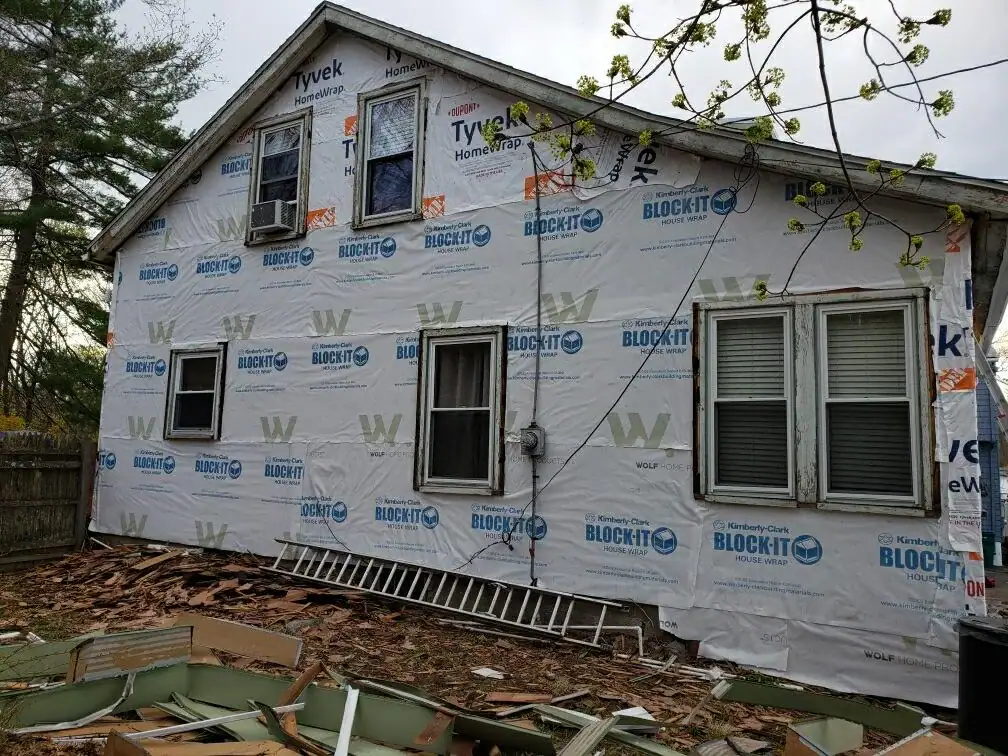
Ready to get started?
You’re getting a complete siding inspection checklist that covers the critical points: cracks, warping, rot, loose or missing panels, and any signs of moisture damage or pest intrusion. We check caulking around windows and doors, look at how your siding meets the roofline, and inspect areas where water tends to collect.
The cleaning process removes dirt, organic growth, and buildup that traps moisture against your home. For Newton homes, that’s especially important—mold and mildew thrive in our humid summers, and if they’re not removed properly, they’ll keep coming back. Our soft washing method uses cleaning solutions designed to kill growth at the root, not just rinse it off temporarily.
We also look at how your siding is performing overall. Is it still providing good insulation? Are there spots where energy is escaping? Newton’s cold winters mean your heating bills will spike if your siding isn’t doing its job. Maintenance isn’t just about appearance—it’s about making sure your home stays protected and efficient year-round.
Power washing uses high pressure—often 1,500 to 3,000 PSI—which can strip paint, dent vinyl or aluminum siding, and force water behind your panels. That trapped water creates the exact moisture problems you’re trying to avoid: mold, mildew, rot, and structural damage.
Soft washing uses much lower pressure, usually between 60 and 150 PSI, combined with cleaning solutions that do the actual work. The detergent kills mold, mildew, and algae at the source, so they don’t grow back as quickly. The low pressure means your siding stays intact—no dents, no stripped paint, no water seeping into places it shouldn’t be.
For most siding types in Newton, MA, soft washing is the smarter choice. It’s safer, it lasts longer, and it doesn’t create new problems while solving old ones.
Most Newton homes benefit from siding maintenance twice a year—once in spring after winter weather has done its damage, and once in fall before the cold sets in. That schedule keeps mold and mildew from building up during humid summer months and catches any issues before they get worse over winter.
If your home is surrounded by trees, sits in a shaded area, or has had mold problems in the past, you might need more frequent cleaning. Organic growth loves moisture and shade, and once it takes hold, it spreads quickly.
The inspection part should happen at least annually, even if you’re cleaning more often. You’re looking for structural issues—cracks, warping, loose panels—that won’t show up until they’re serious if you’re not checking regularly. Catching them early saves you money.
Yes, but only if it’s done correctly. Mold and mildew aren’t just surface stains—they’re living organisms that grow into your siding material if left alone. Just spraying them with water won’t kill them. They’ll come back, often within weeks.
Professional mold and mildew removal in Newton, MA uses cleaning solutions specifically designed to kill growth at the root. Soft washing applies these treatments at low pressure, giving them time to work without damaging your siding. Once the mold and mildew are dead, they’re rinsed away, and your siding stays cleaner for much longer.
If you’ve got persistent mold or mildew, that’s also a sign of a bigger issue—poor drainage, a leak, or an area where moisture is getting trapped. We’ll identify what’s causing the growth so you can fix the root problem, not just treat the symptoms.
Dirt and organic growth don’t just sit on the surface—they trap moisture against your siding. Over time, that moisture works its way into seams, behind panels, and into the structure of your home. You’ll start seeing mold, mildew, and eventually rot in the sheathing or framing behind your siding.
UV damage gets worse when your siding is dirty. Grime and algae hold heat and accelerate fading, especially on the south-facing side of your home. You’ll end up with uneven color that makes your house look older and poorly maintained, which tanks your curb appeal and property value.
Skipping maintenance also means you’re missing early warning signs. A small crack or a loose panel is a quick fix now. Left alone, it becomes water damage, mold intrusion, or a full panel replacement. Regular cleaning vinyl siding in Newton isn’t just about appearance—it’s about catching problems while they’re still manageable.
For most Newton homes, professional siding cleaning and inspection runs between $300 and $600, depending on the size of your home, the condition of your siding, and how much buildup needs to be removed. If you’ve got heavy mold or mildew, or if your siding hasn’t been cleaned in years, expect to be on the higher end of that range.
That cost covers a full inspection, soft washing with professional-grade cleaning solutions, and a walkthrough where we’ll point out anything that needs attention. You’re not just paying for someone to spray your house—you’re getting an expert assessment of your siding’s condition and a cleaning method that won’t cause damage.
Compare that to the cost of replacing rotted sheathing, fixing moisture damage, or dealing with mold remediation inside your walls. Regular maintenance is cheap insurance. It keeps your siding working, extends its lifespan, and saves you from expensive emergency repairs down the road.
If your siding is damaged, warped, or allowing air infiltration, yes—proper maintenance and repairs can reduce your energy costs by 10% to 20%. That adds up fast during Newton’s long, cold winters when your heating system is running constantly.
Maintenance itself won’t directly lower your bills, but it helps you catch issues that are costing you money. Cracked panels, failed caulking, and gaps around windows let conditioned air escape and outside air seep in. When we inspect your siding, we’re looking for those problems so you can fix them before your next heating bill arrives.
Clean siding also performs better. Mold, mildew, and buildup can interfere with your siding’s ability to insulate properly. Keeping it clean and well-maintained ensures it’s doing the job it was designed to do—protecting your home and keeping your energy costs in check.