Hear from Our Customers
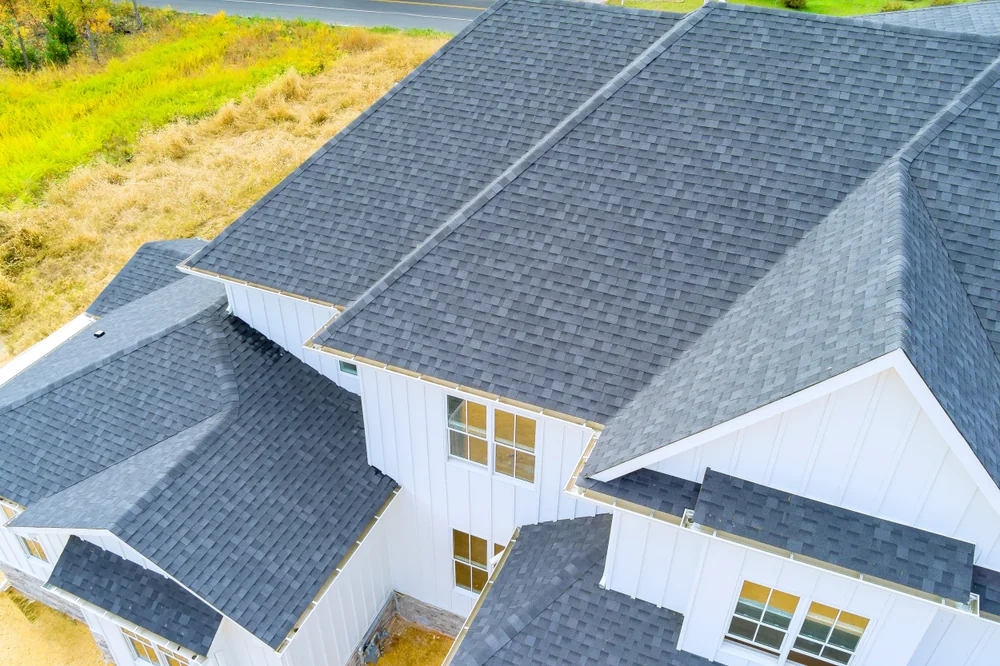
You’re tired of watching your heating costs climb every winter. Drafts around windows, cold spots near exterior walls, moisture creeping in where it shouldn’t. That’s what happens when siding stops doing its job.
New siding changes that. You get a thermal barrier that actually works, cutting heat loss when temperatures drop and keeping your home cooler when summer hits. No more constant repainting, no more rotting boards, no more sections that need replacing every few years.
The right siding installation means you stop throwing money at temporary fixes. Vinyl and fiber cement options require nothing more than an annual rinse. Wood siding alternatives give you the look of traditional Newton homes without the maintenance burden. Your exterior stays protected, your energy bills drop, and you’re done worrying about what the next storm might damage.
We’ve handled siding projects across Newton for over a decade. We’re licensed, insured, and ranked in the top 8% of Massachusetts contractors for a reason—we don’t cut corners, and we don’t leave until you’re satisfied.
Newton homes present specific challenges. Historic properties need period-appropriate materials that meet preservation requirements. Modern homes need energy-efficient solutions that handle coastal weather patterns. We’ve worked on both, and everything in between.
You’re working with an Owens Corning Preferred Contractor, which means we’ve met strict standards for quality and service. Our crew shows up every day until your project is complete, handles the details you don’t want to think about, and responds when you need adjustments. That’s how we’ve built our reputation in Newton.
First, we come to your property and assess what you’re dealing with. Storm damage, rot, warping, energy loss—we identify the actual problems, not just surface issues. You get a thorough proposal that’s fair and detailed, no surprises later.
Once you approve, we handle the prep work. Old siding comes off carefully, especially on historic Newton homes where underlying structure matters. We inspect sheathing and insulation, replace anything compromised, and make sure you have a solid foundation before new materials go up.
Installation happens in stages. We work section by section, ensuring proper overlap, weatherproofing, and alignment. Fiber cement, vinyl, or wood—each material has specific requirements, and we follow them exactly. You’ll see progress every day, and we clean up as we go.
Final walkthrough happens when everything’s complete. We show you the finished work, answer remaining questions, and make sure you’re completely satisfied before we consider the job done.
Ready to get started?
You’re getting more than just new siding panels. Every project includes complete removal of existing materials, inspection and repair of underlying structure, professional-grade installation, and thorough cleanup. We handle both residential and commercial properties throughout Newton.
Material options matter for this area. Fiber cement works well for Newton’s climate—it resists moisture, doesn’t warp in temperature swings, and holds up against nor’easters. Vinyl offers lower maintenance and solid insulation value. For historic properties, we source wood materials that match original clapboard while meeting current building codes.
Newton’s average fiber cement installation runs around $8,800, though your actual cost depends on home size, material choice, and existing damage. We provide free siding estimates that break down exactly what you’re paying for. No hidden fees, no vague line items.
Energy efficiency improvements come standard. Modern siding materials offer better insulation than what’s probably on your home now, reducing heat loss in winter and keeping interiors cooler in summer. You’ll notice the difference in your utility bills within the first few months.

Most residential siding projects in Newton take one to two weeks, depending on your home’s size and the extent of underlying repairs needed. Weather can extend timelines—we won’t install in heavy rain or extreme cold because it compromises the quality of the work.
Historic homes sometimes take longer. If you’re in a historic district, material approval and careful removal of original siding adds time. We’ve worked with Newton’s preservation requirements before, so we know what’s needed to keep projects moving without cutting corners.
Commercial properties vary more widely. A small office building might take two weeks, while larger commercial structures can run a month or more. We’ll give you a realistic timeline during the estimate, and we stick to it unless we discover hidden damage that needs addressing.
Fiber cement handles Newton’s climate exceptionally well. It doesn’t warp when temperatures swing from winter lows to summer highs, resists moisture from nor’easters and coastal humidity, and won’t rot or attract pests. It’s the most durable option for this area.
Vinyl siding offers solid performance at a lower price point. It won’t crack in cold weather like older vinyl formulations did, requires almost zero maintenance, and provides good insulation value. For homeowners who want reliable protection without premium pricing, it’s a smart choice.
Wood siding works if you’re willing to maintain it or if historic preservation requires it. Modern wood treatments resist moisture better than traditional options, but you’re still looking at periodic painting or staining. Some Newton homeowners prefer the authentic look despite the upkeep.
Yes, but the amount depends on what you’re replacing. If your current siding has gaps, missing sections, or no insulation backing, you’ll see significant savings. Modern siding creates a continuous thermal barrier that older installations don’t provide.
Insulated vinyl and fiber cement options add an extra layer of protection. They reduce thermal bridging—where heat escapes through wall studs—and minimize air infiltration around windows and doors. Newton homeowners typically see 10-20% reductions in heating and cooling costs after quality siding replacement.
The savings compound over time. Lower energy bills, eliminated maintenance costs, and avoided repair expenses add up. Most homeowners recoup their siding investment within 7-10 years through these combined savings, and the materials last 30-50 years depending on type.
Yes, Newton requires building permits for siding replacement. We handle the permit process as part of our service—you don’t need to deal with the paperwork or inspections yourself.
Historic district properties have additional requirements. If your home is in a designated historic area, you’ll need approval from the Newton Historical Commission before work begins. We’re familiar with their standards and can guide you through material selection that meets preservation guidelines while providing modern performance.
The permit process typically takes one to two weeks. We submit plans, wait for approval, and schedule inspections at required stages. This protects you—it ensures the work meets Massachusetts building codes and gives you documentation if you ever sell the property.
If you’re seeing widespread issues—multiple cracked panels, warping across large sections, or visible water damage in several areas—replacement makes more sense than patching. Repairs work for isolated damage, but when problems cover more than 30% of your exterior, you’re better off replacing everything.
Energy bill increases signal siding failure even when damage isn’t obvious. If your heating costs have climbed without explanation, your siding probably isn’t insulating properly anymore. Moisture inside walls, mold growth, or persistent drafts near exterior walls all indicate siding that’s stopped protecting your home.
Age matters too. Vinyl siding lasts 20-30 years, fiber cement goes 30-50 years, and wood needs replacement every 15-25 years depending on maintenance. If your siding is approaching the end of its expected lifespan and showing any problems, replacement prevents bigger issues down the road.
Our free estimates include a complete exterior assessment, detailed material recommendations based on your home’s specific needs, and itemized pricing for labor, materials, and any necessary repairs. You’ll know exactly what you’re paying for before any work begins.
We measure your entire exterior, check for underlying damage that needs addressing, and discuss your priorities—whether that’s energy efficiency, low maintenance, historic accuracy, or budget constraints. The estimate reflects your actual situation, not a generic quote.
You’ll also get timeline expectations, material options with pros and cons of each, and answers to any questions about the process. We don’t pressure you to decide immediately. Take the estimate, compare it with others if you want, and reach out when you’re ready to move forward.