Hear from Our Customers
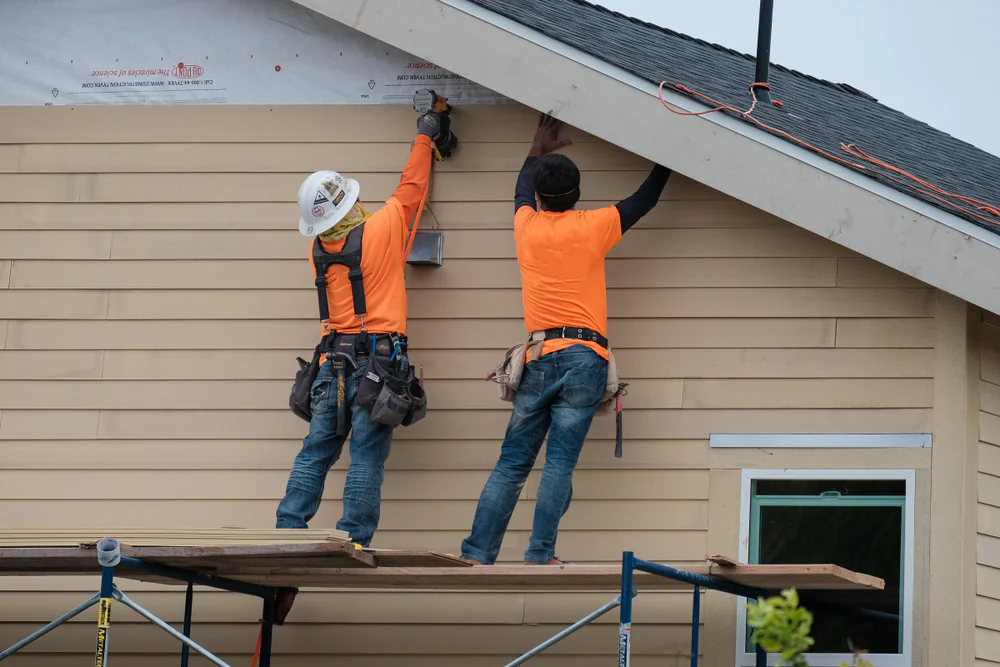
That crack in your siding isn’t just ugly. It’s letting moisture seep behind your walls right now, and every rainstorm makes it worse.
Fixing cracked vinyl siding in Newton, MA means stopping rot before it spreads to your sheathing and insulation. It means your heating bill doesn’t spike because cold air isn’t pouring through gaps. It means you’re not scrambling to find a contractor after the next nor’easter rips off loose panels.
When we repair warped siding or replace storm-damaged sections, we’re not just making your house look better. We’re protecting the structure underneath and giving you one less thing to worry about when the weather turns. You get matched colors, clean work, and siding that holds up to what Newton winters throw at it.
We’ve spent over a decade working on homes throughout Newton, MA and the Greater Boston area. We know what coastal weather does to siding because we’ve seen it hundreds of times—hail damage from summer storms, ice expansion cracks from freeze-thaw cycles, and salt air deterioration that speeds up aging.
You’re not getting a crew that just learned about fiber cement last month. You’re getting licensed, insured contractors who’ve matched old siding colors on Victorian homes and handled insurance claims for storm damage siding repair in Newton, MA more times than we can count.
We show up when we say we will, we document everything your insurance company needs to see, and we clean up like we were never there. That’s why Newton homeowners keep calling us back.
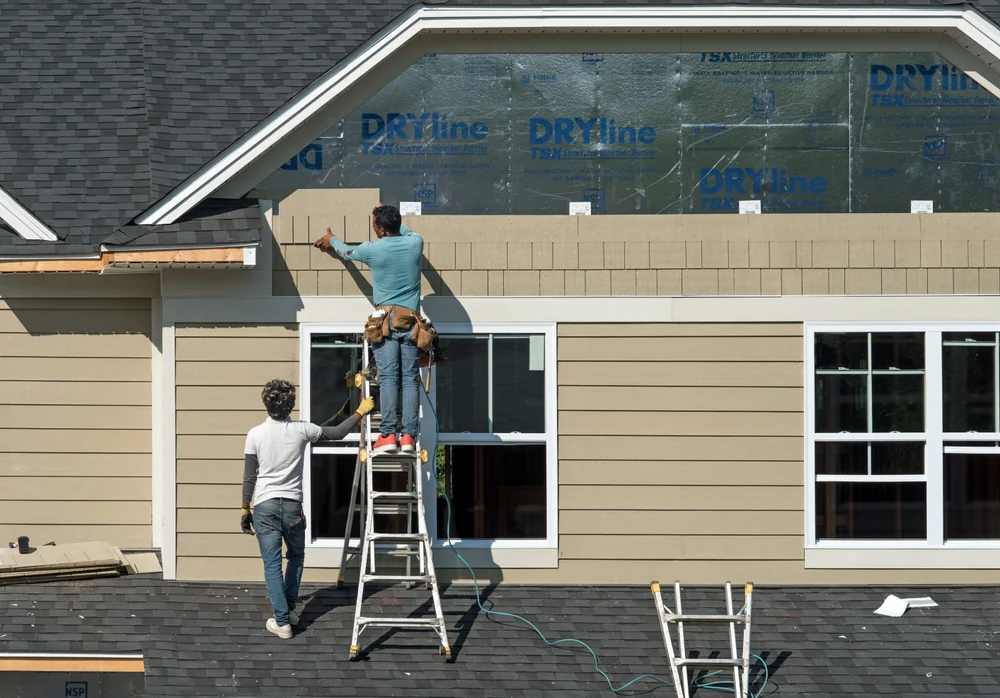
First, we come out and actually look at your siding—not just the obvious damage, but what’s happening around it. We check for moisture intrusion, look at how your existing panels are holding up, and figure out if you need a small patch or something more extensive.
Then we give you a written estimate with photos. If you’re filing an insurance claim for hail damage siding or storm damage, we document everything the adjuster needs to see. No surprises, no vague “we’ll figure it out later” pricing.
Once you approve the work, we source materials that match your existing siding. Color matching matters, and we don’t just grab whatever’s close enough. For vinyl siding repair in Newton, MA, we track down the right profile and finish so the repair blends in.
The actual repair happens fast. We remove damaged sections, check the underlying structure, make any necessary fixes to sheathing or moisture barriers, then install new siding. You get a final walkthrough, complete cleanup, and documentation for your records.
Ready to get started?
Siding repair cost in Newton, MA depends on what’s damaged and what’s hiding underneath. Small vinyl repairs typically run $200 to $800. Fiber cement or wood siding repair usually costs $500 to $2,000 because the materials cost more and take longer to work with.
But here’s what matters more than the price range: you’re paying for someone who knows the difference between surface damage and structural problems. Newton homes deal with nor’easters that can dump heavy wet snow, ice that expands in every crack, and temperature swings that warp cheaper materials. Your repair needs to account for that.
You’re also paying for proper moisture barriers, matched materials that don’t stand out like a bad patch job, and cleanup that doesn’t leave your landscaping destroyed. When we repair warped siding in Newton, MA, we’re fixing the cause—not just slapping new panels over a problem that’ll come back next winter.
The cost includes documentation for insurance claims, same-day estimates when you need emergency repairs, and work that actually lasts. You’re not paying for the cheapest fix. You’re paying to not deal with this again in six months.
Insurance companies care a lot about this distinction, and so should you. Storm damage from hail shows up as dents, cracks, or punctures that happen suddenly across multiple areas of your home. You’ll often see the same damage pattern on your roof, gutters, or garage door.
Normal wear looks different. It’s gradual fading from UV exposure, small cracks that develop over years, or warping that happens slowly as materials age. If only the south-facing side of your house shows damage and it’s been there a while, that’s probably sun and weather deterioration.
Here’s the test: if you can point to a specific storm date and the damage appeared right after, document it immediately with photos and dates. For hail damage siding in Newton, MA, check your neighbors’ homes too—storm damage usually hits multiple houses in the same area. If you’re the only one with issues and they’ve been developing over time, insurance probably won’t cover it. But either way, the damage still needs fixing before water gets behind your siding and causes real problems.
Matching old siding colors is tricky, but it’s not impossible. Your existing siding has faded from UV exposure, and that fading isn’t even across your whole house—south and west-facing walls always fade faster than north-facing ones.
We start by identifying your exact siding product and original color. Then we look at samples in different lighting conditions next to your actual house. Sometimes we can find new stock that’s close enough, especially if the repair area is small or in a less visible spot. Other times, we’re sourcing discontinued colors from specialty suppliers who stock older inventory.
The reality is this: a perfect invisible match on 15-year-old faded siding is rare. But a close match that doesn’t stand out from 10 feet away? That’s doable most of the time. If your siding is so faded that nothing matches anymore, we’ll tell you straight up—and talk through your options for either replacing a full wall section so the seams are less obvious, or considering a larger replacement that actually makes sense. We’re not going to charge you for a repair that looks terrible just because you asked for one.
Small repairs—a few cracked panels, a section damaged by a fallen branch, fixing warped siding in one area—usually take half a day to a full day once we start. That includes removal, any sheathing repairs if we find moisture damage underneath, installation of new siding, and cleanup.
Larger storm damage siding repair in Newton, MA can take two to three days, especially if we’re dealing with multiple walls or need to special-order materials for color matching. Insurance claims sometimes slow things down too, because we need approval before we start certain work.
Weather affects timing. We can’t install some siding materials in freezing temperatures, and we won’t do repairs in heavy rain because we need to protect the exposed sheathing. Newton’s weather can be unpredictable, so we build in some flexibility. Emergency repairs after storm damage get priority—if your siding is actively letting water into your walls, we’ll get a temporary weather barrier up fast and schedule the permanent fix as soon as conditions allow. You won’t be left with an open wall for weeks.
Repair makes sense when the damage is localized and your existing siding is still in decent shape overall. If a storm cracked three panels on one wall and everything else is solid, we replace those panels. You save money and your house is protected again.
Replacement makes sense when the damage is widespread, your siding is old enough that more failures are coming, or when repair costs start approaching replacement costs. If we’re fixing cracked vinyl siding in Newton, MA and find that 40% of your siding is brittle and failing, repairing just the visible damage is throwing money away. You’ll be calling us back in a year for the next section that fails.
Here’s how we decide: during the estimate, we check the condition of siding that isn’t obviously damaged. We look for brittleness, fading, warping, and signs that the material is at the end of its lifespan. Then we give you honest numbers for both options. Sometimes repair is the smart move. Sometimes it’s not, and we’ll explain exactly why. We’re not trying to upsell you on a full replacement if a $600 repair actually solves your problem—but we’re also not going to let you waste money on repairs that won’t last.
It depends on what caused the damage. Insurance typically covers sudden events like hail damage, wind that rips off panels, or a tree that falls on your house. They don’t cover gradual deterioration, normal aging, or damage from lack of maintenance.
The key is documentation. When you file a claim for storm damage siding repair, the insurance adjuster needs proof that a covered event caused the damage—not that your siding was already failing and finally gave out. We provide detailed photo documentation, written damage assessments, and estimates formatted the way insurance companies expect to see them.
Here’s where homeowners mess up: they wait too long to file, or they don’t document the storm date and conditions. If you notice damage after a major storm, take photos immediately and note the date. Call your insurance company within a few days, not a few months. We work with adjusters regularly and know what they’re looking for. We’ll walk you through the process, provide the documentation they need, and handle the scope of work discussions. But we can’t make a claim succeed if the damage clearly happened over years of neglect—insurance companies are pretty good at spotting that.
We stop, document it, and call you before doing anything else. Hidden damage happens more often than homeowners expect—especially with moisture issues that aren’t visible until we remove the damaged siding and see what’s underneath.
If we find rotted sheathing, compromised moisture barriers, or structural issues behind your siding, you need to know about it before we proceed. We’ll take photos, explain what we found and why it matters, and give you a price for fixing it properly. You decide whether to move forward, and nothing happens without your approval.
This is why detailed initial inspections matter, but they can’t catch everything. Some damage is only visible once siding comes off. The difference between a good contractor and a bad one is what happens next. Bad contractors either ignore the problem and cover it back up, or they fix it without telling you and surprise you with a bigger bill. We do neither. You get a call, clear photos, an explanation of what failed and why, and a straightforward price to fix it right. Then you make an informed decision about your home.