Hear from Our Customers
You stop worrying about what’s growing on your house. The green streaks, black spots, and dingy film that make your home look older than it is—they’re gone.
Your energy bills drop because your siding actually insulates again. When dirt, mold, and mildew build up, they trap moisture against your home and compromise the thermal barrier you’re paying to maintain.
You avoid the call nobody wants to make—the one where a contractor tells you the damage went too deep and now you’re looking at replacement instead of repair. Regular cleaning vinyl siding in Littleton, MA isn’t about vanity. It’s about catching rot, cracks, and moisture intrusion before they cost you thousands.
Your home value holds. Buyers notice curb appeal, and they notice maintenance records even more. A well-maintained exterior signals that everything else was probably taken care of too.
We’ve been working on homes in Littleton, MA and across Massachusetts for over a decade. We’re an Owens Corning Preferred Contractor, which means we meet standards most companies don’t even attempt.
We’ve seen what happens when homeowners try DIY pressure washing. We’ve repaired the damage from fly-by-night crews who used too much pressure or the wrong chemicals. We’ve also worked with plenty of people who just wanted it done right the first time.
Littleton’s climate—humid summers, freezing winters, plenty of rain—creates the perfect environment for mold and mildew growth on siding. We know how to clean it without damaging your material, voiding your warranty, or forcing water behind your walls. That’s not something you learn from a YouTube video.
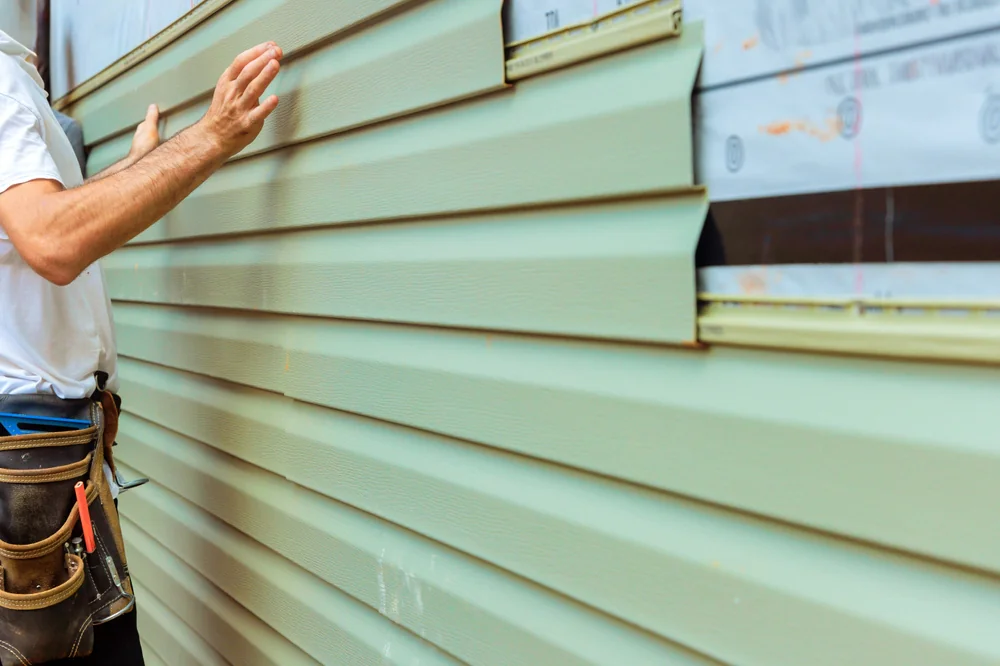
We start with a full siding inspection checklist in Littleton, MA. That means walking your property and looking for cracks, warping, loose panels, gaps around windows, and any signs of moisture damage or pest intrusion. You need to know what you’re dealing with before you start cleaning.
Then comes the cleaning itself. We use soft washing, not high-pressure blasting. Soft washing relies on low-pressure water—no stronger than your garden hose—and specialized cleaning solutions that kill mold, mildew, and algae at the root. This is the difference between power washing vs soft washing: one strips your siding and voids warranties, the other actually cleans without causing damage.
We treat problem areas with mold and mildew removal solutions in Littleton, MA that are designed for your specific siding type—vinyl, wood, fiber cement, or composite. Each material has different tolerances. We adjust our approach accordingly.
After cleaning, we do a second inspection. We check for any issues the dirt was hiding, seal minor cracks if needed, and give you a clear picture of what your siding needs going forward. No surprises six months later.
Ready to get started?
You get a complete visual inspection of all siding surfaces, seams, corners, and trim. We document any damage, note areas of concern, and explain what needs attention now versus what you can monitor.
You get professional-grade soft washing that removes organic growth without harming your siding or voiding manufacturer warranties. We’re not showing up with a rental pressure washer and a prayer. We use equipment and solutions designed specifically for exterior cleaning.
You get mold and mildew removal in Littleton, MA that actually works. We’re treating the spores, not just rinsing off the surface stains. That means your siding stays cleaner longer and you’re not calling us back in three months.
You get honest feedback. If your siding is near the end of its lifespan, we’ll tell you. If a small repair now will save you a big one later, we’ll tell you that too. Littleton homes face harsh winters and humid summers—conditions that accelerate wear if you’re not staying ahead of it. We help you stay ahead of it.
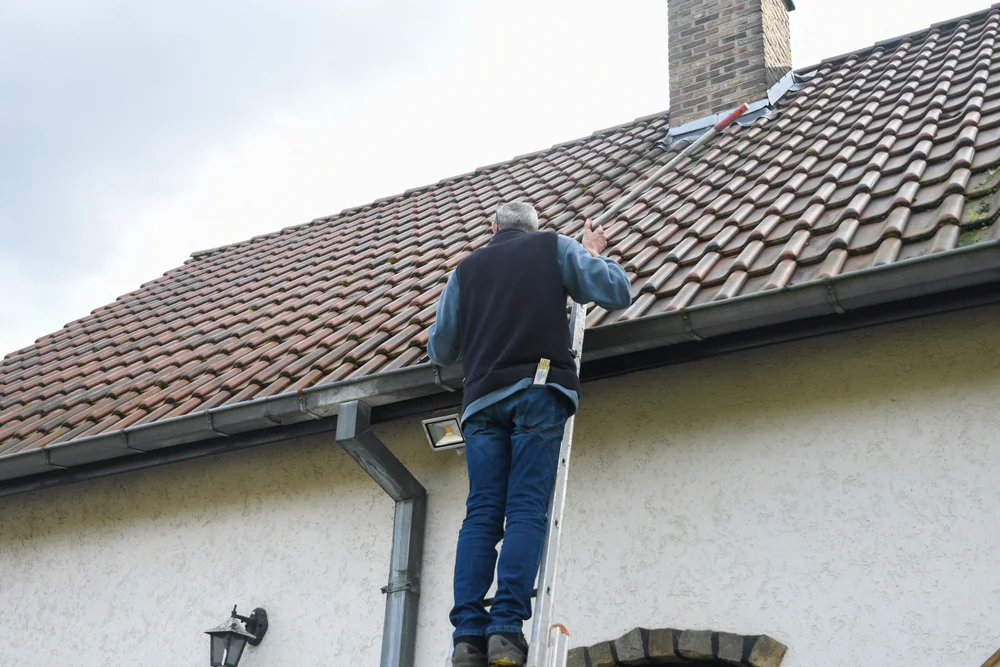
Twice a year is the standard recommendation—once in spring and once in fall. Spring maintenance addresses whatever winter left behind: ice damage, moisture intrusion, mold growth from snowmelt. Fall maintenance prepares your siding for the cold months ahead and clears off summer’s buildup of pollen, algae, and humidity-driven mildew.
If your home is surrounded by trees, sits in a shaded area, or you’ve noticed green or black streaks, you might need more frequent attention. Organic growth accelerates in damp, shaded conditions, and Littleton’s climate gives mold and mildew plenty of opportunities.
The cost of cleaning twice a year is a fraction of what you’ll pay for siding repair or replacement. Most homeowners spend around $870 on repairs when they catch problems early. Wait too long, and you’re looking at $16,000 or more for full replacement.
Power washing uses high-pressure water to blast dirt off surfaces. Soft washing uses low-pressure water combined with cleaning solutions that do the actual work. The pressure difference matters more than most people realize.
High-pressure washing can crack vinyl, strip paint, force water behind your siding, damage window seals, and void manufacturer warranties. It’s fast, but it’s destructive. A lot of DIY disasters start with a rented pressure washer and good intentions.
Soft washing is slower, but it’s safer and more effective. The cleaning solution kills mold, mildew, and algae at the source, so your siding stays clean longer. You’re not just moving the problem around—you’re eliminating it. For vinyl, wood, and fiber cement siding in Littleton, MA, soft washing is the only method we use.
You can clean your own siding if you know what you’re doing, have the right equipment, and understand the risks. Most homeowners don’t check all three boxes, and that’s when things go wrong.
The biggest mistake is using too much pressure. Vinyl siding, in particular, is easy to damage—you can crack it, create holes, or force water into your walls where it causes rot and mold you won’t see until it’s expensive. Wood siding is even less forgiving.
The second mistake is using the wrong cleaning solution. Bleach, harsh detergents, and generic cleaners can discolor siding, kill plants, and fail to actually kill mold spores. You end up with a temporary clean and the same problem a few weeks later.
If you’re comfortable on a ladder, understand how to apply cleaning solutions safely, and know the difference between various siding materials, you might be fine doing basic maintenance yourself. But if you’re unsure, or if you’ve already got visible mold and mildew growth, hiring us in Littleton, MA is the smarter move. We’ve fixed a lot of DIY attempts.
Yes, but probably not in the way you’re thinking. Clean siding doesn’t directly insulate better, but it does allow your home’s existing insulation system to work the way it’s supposed to.
When dirt, mold, and organic material build up on siding, they trap moisture against your home’s exterior. That moisture reduces the effectiveness of insulation, creates thermal bridging, and makes your HVAC system work harder to maintain temperature. You’re losing energy through your walls because the barrier isn’t performing.
Regular siding maintenance in Littleton, MA also gives you the chance to spot gaps, cracks, and areas where air is leaking. Those are the real energy killers. A small crack around a window or a warped panel near a corner can let conditioned air escape and outdoor air seep in. Fixing those issues during routine maintenance keeps your heating and cooling costs down.
Clean, well-maintained siding also reflects heat better in summer and retains warmth better in winter, especially if you’ve got lighter-colored vinyl or fiber cement. It’s a small gain, but it adds up over the course of a year.
Mold is usually green, black, or brown, and it has a fuzzy or slimy texture. Dirt is gray or tan and comes off easily when you wipe it with a damp cloth. Mold doesn’t.
If you spray a small area with water and the discoloration doesn’t rinse away, it’s likely mold or mildew. If it smudges or streaks but stays put, that’s organic growth, not just surface dirt. Algae tends to be green and appears in streaks, especially on north-facing walls or shaded areas.
Littleton’s humid climate makes mold and mildew growth common, especially in summer. If you’ve got trees near your house, poor drainage, or areas that don’t get much sun, you’re even more likely to see it. The good news is that mold on siding is a surface issue—it’s not the same as mold inside your walls, which is a much bigger problem.
That said, if mold is growing on your siding, it’s feeding on organic material, and over time that can break down the surface and create entry points for moisture. That’s why mold and mildew removal in Littleton, MA should happen sooner rather than later. It’s not just cosmetic.
You’ll probably get away with it for a while. Then you won’t. Siding is designed to protect your home from weather, moisture, and pests, but it needs upkeep to do that job.
Skip maintenance, and mold, mildew, and algae build up. That growth traps moisture, which leads to rot in wood siding or warping in vinyl. Cracks that could’ve been sealed become gaps. Gaps become leaks. Leaks become interior water damage, insulation problems, and structural issues that cost exponentially more to fix.
You’ll also lose curb appeal, which matters if you ever plan to sell. Buyers notice dirty, stained, or damaged siding immediately, and it makes them wonder what else wasn’t maintained. A home with clean, well-kept siding signals that the owner took care of the property. A home with streaked, moldy siding signals the opposite.
In Littleton, MA, where winters are tough and summers are humid, neglecting your siding accelerates wear. You might stretch five years without major problems, but you’re also shortening the lifespan of your siding and increasing the likelihood of expensive repairs. Regular maintenance extends that lifespan and keeps small problems small.