Hear from Our Customers

Old siding costs you roughly 25% of your home’s energy every year. That’s money leaving through your walls while you’re paying to heat and cool the house.
New siding installation in Littleton fixes that. Properly installed fiber cement siding or vinyl creates a real moisture barrier that keeps water out and warmth in. You’re not repainting every few years or scraping off rot.
We know the climate here demands more than basic materials. Freeze-thaw cycles crack weak siding. High humidity breeds mold behind improper installations. You need house wrapping done right and materials engineered for HZ5 climate zones like ours.
The result? Your heating bill drops. Your exterior looks sharp for decades. And you’re not calling contractors every spring to fix winter damage.
Paradise Remodeling Inc has spent nearly two decades installing siding across Massachusetts. We’re Owens Corning Preferred Contractors, which means we meet strict standards most companies can’t.
Littleton homes face specific challenges. The town sits in Middlesex County where winter temperatures regularly drop below freezing and summer humidity climbs. Your siding needs to handle both without warping, cracking, or letting moisture through.
We don’t cut corners on house wrapping or flashing. We don’t rush installations to move to the next job. You get fiber cement siding cost estimates that include everything—no surprise charges when we’re halfway done.
First, we inspect your current siding and sheathing. If there’s rot or structural damage underneath, you need to know before new materials go up. We document everything and explain what needs fixing.
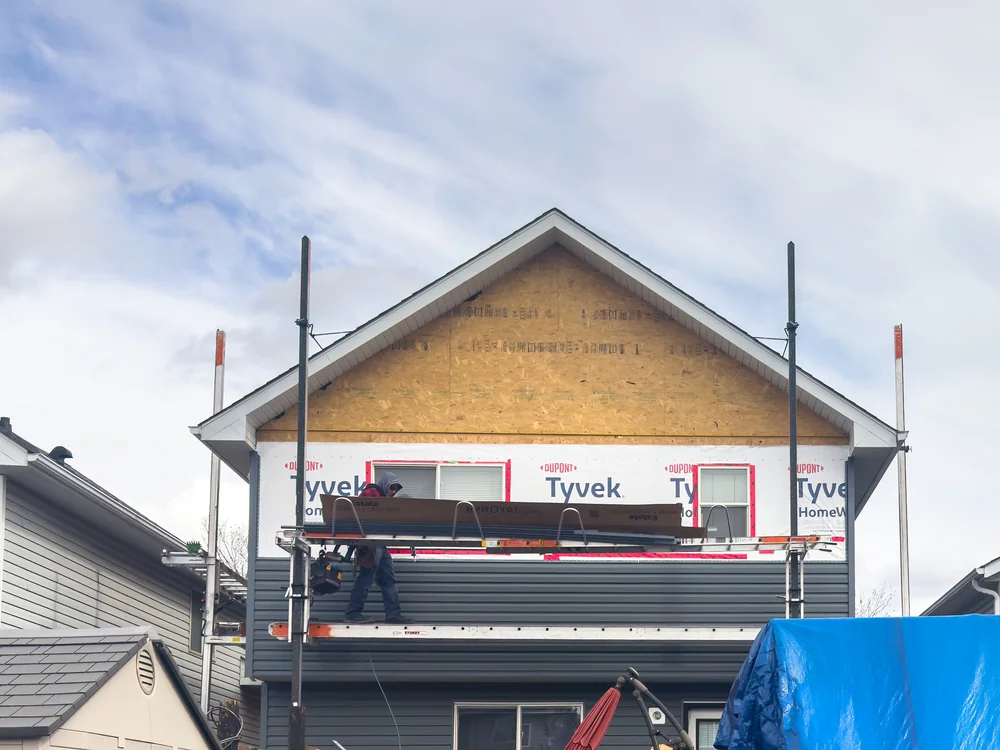
Next comes removal of old siding and installation of proper house wrapping. This step matters more than most homeowners realize. House wrap prevents water penetration and maintains a dry building structure—critical in Littleton’s wet springs and snowy winters.
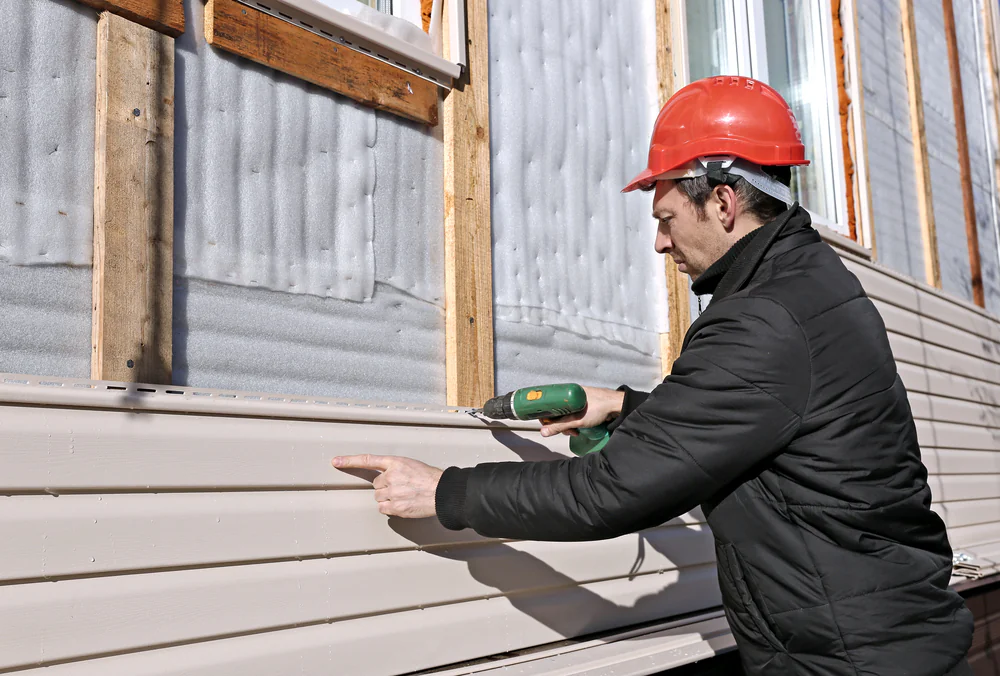
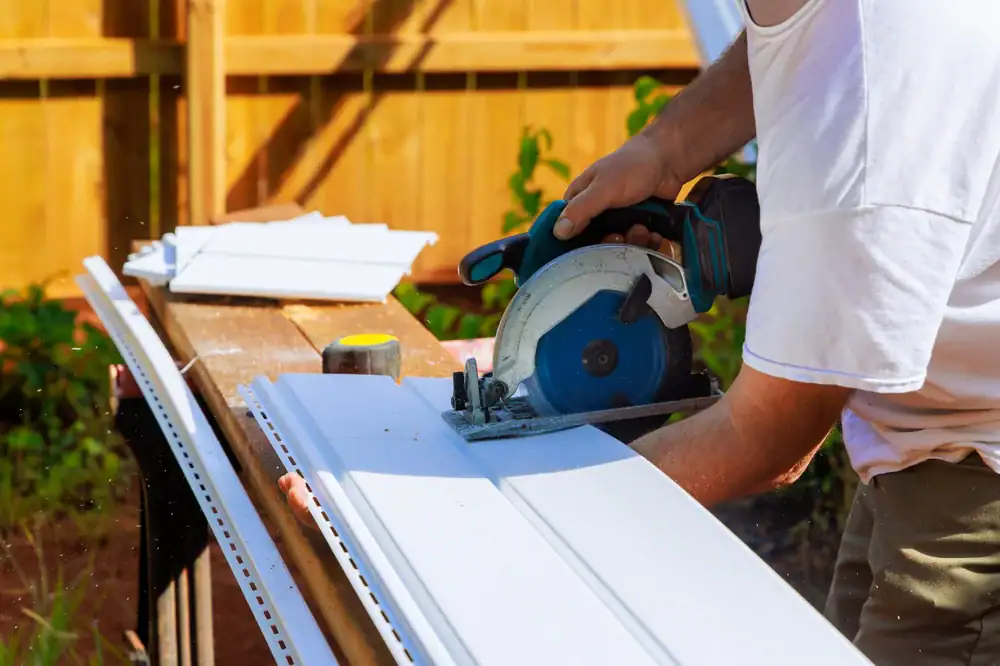
Then we install your chosen material. Vinyl siding installation in Littleton requires precise measurements and proper fastening to handle wind loads. James Hardie fiber cement needs specific clearances and flashing details. We follow manufacturer specs exactly because that’s what protects your warranty.
Final step is trim work, caulking, and a full walkthrough. You see what we did, why we did it, and how to maintain it. We leave extra materials with you and provide detailed documentation of the work.
Ready to get started?
Fiber cement siding cost in Littleton runs higher than vinyl—usually $12 to $20+ per square foot installed. But you’re getting materials five times thicker than vinyl with the life expectancy of brick. James Hardie products resist 140mph winds and won’t melt, burn, or crack in extreme temperatures.
Vinyl siding installation offers a different value. Lower upfront cost, excellent moisture resistance, and virtually zero maintenance. Modern vinyl doesn’t fade like it did 20 years ago, and it handles Littleton’s freeze-thaw cycles without the brittleness older products had.
Both options dramatically improve energy efficiency compared to old siding. Massachusetts homes lose significant heat through exterior walls. Proper installation with house wrapping creates an envelope that keeps conditioned air inside where it belongs.
The return on investment is real. Siding replacement offers a 121% ROI in New England when you sell. Even if you’re staying put, you’re looking at lower energy bills, no painting costs, and protection from the moisture damage that destroys wood framing and creates mold problems.
Most single-family homes in Littleton run between $12,000 and $28,000 for complete siding installation. That’s a wide range because your actual cost depends on material choice, home size, and current condition.
Vinyl siding installation in Littleton typically costs $6 to $15 per square foot installed. Fiber cement siding cost runs $12 to $20+ per square foot. A standard two-story home averages around 2,000 square feet of siding area, putting you in that $12K-$28K range for most projects.
Labor accounts for 40-50% of total cost in Massachusetts. That’s not padding—it’s what proper installation requires. Cutting corners on labor means improper house wrapping, missed flashing details, and moisture problems down the road. You’re better off paying for experienced siding contractors in Littleton who do it right the first time.
James Hardie fiber cement is engineered specifically for our climate zone. It’s rated HZ5, which means it’s built to handle the freeze-thaw cycles, high humidity, and temperature swings we get in Littleton.
Fiber cement won’t crack in cold weather or warp in summer heat. It’s 90% sand and cement, so it’s non-combustible and won’t support mold growth. The material is pest-resistant and rot-proof, which matters when you’re dealing with Massachusetts moisture levels.
Quality vinyl siding also performs well here if it’s properly installed. Modern vinyl formulations resist impact damage in cold weather better than older products. The key is proper installation with complete house wrapping underneath. That moisture barrier is what actually protects your home—the siding is your second line of defense.
Most homes in Littleton take 5 to 10 days for complete siding installation. Smaller ranches might finish in a week. Larger two-story colonials with complex trim details can run two weeks.
Weather affects the timeline. We can’t install in heavy rain or when temperatures drop too low for proper adhesive curing. Spring and fall offer the most predictable conditions in Massachusetts. Summer works fine but you’re competing with everyone else’s schedule.
The actual installation moves quickly once it starts. Removal of old siding takes a day or two. House wrapping and prep work takes another day. Then the new siding goes up section by section. Trim and detail work happens at the end. We don’t leave your house exposed overnight—everything gets properly covered if work extends multiple days.
Yes. House wrapping provides your primary defense against moisture penetration. Siding keeps out bulk water from rain and snow, but wind-driven moisture gets past any siding material. That’s where house wrap matters.
Proper house wrapping in Littleton installations creates a drainage plane behind your siding. Water that gets past the siding hits the house wrap and drains down and out instead of soaking into your sheathing. This prevents the rot, mold, and structural damage that happens when walls stay wet.
Some contractors skip this step or use cheap materials to save money. That’s a mistake. Quality house wrap costs a fraction of your total project but provides protection that lasts decades. It’s also required by building code in Massachusetts for good reason—our climate demands that moisture barrier.
Yes, but the savings depend on what you’re replacing and how well the installation is done. Old siding with gaps, cracks, or missing sections can account for 25% of your home’s energy loss.
New siding installation in Littleton with proper house wrapping creates a continuous air and moisture barrier. Your heating system isn’t working as hard to replace warm air that’s escaping through your walls. Same goes for air conditioning in summer.
The actual dollar savings vary by home size and your current heating costs. Most homeowners in Massachusetts see noticeable drops in their utility bills within the first winter. Fiber cement siding with quality installation typically provides better insulation value than vinyl, but both are massive improvements over old, failing siding. The energy efficiency gains are one reason siding replacement offers such strong ROI when you eventually sell.
It comes down to budget, maintenance preference, and how long you plan to stay in the house. Vinyl siding installation costs less upfront and requires virtually zero maintenance. You’re never painting it. Modern vinyl resists fading and handles temperature swings well.
Fiber cement costs more initially but lasts longer and provides better fire protection. James Hardie products are non-combustible, which matters for insurance and safety. The material is also more impact-resistant—hail and flying debris that would dent vinyl won’t damage fiber cement.
Both materials perform well in Littleton’s climate when properly installed. If you’re planning to sell within 10 years, vinyl gives you excellent ROI at lower cost. If this is your long-term home and you want maximum durability and fire safety, fiber cement makes sense. Either way, the installation quality matters more than the material choice. Poor installation ruins even the best siding products.