Hear from Our Customers
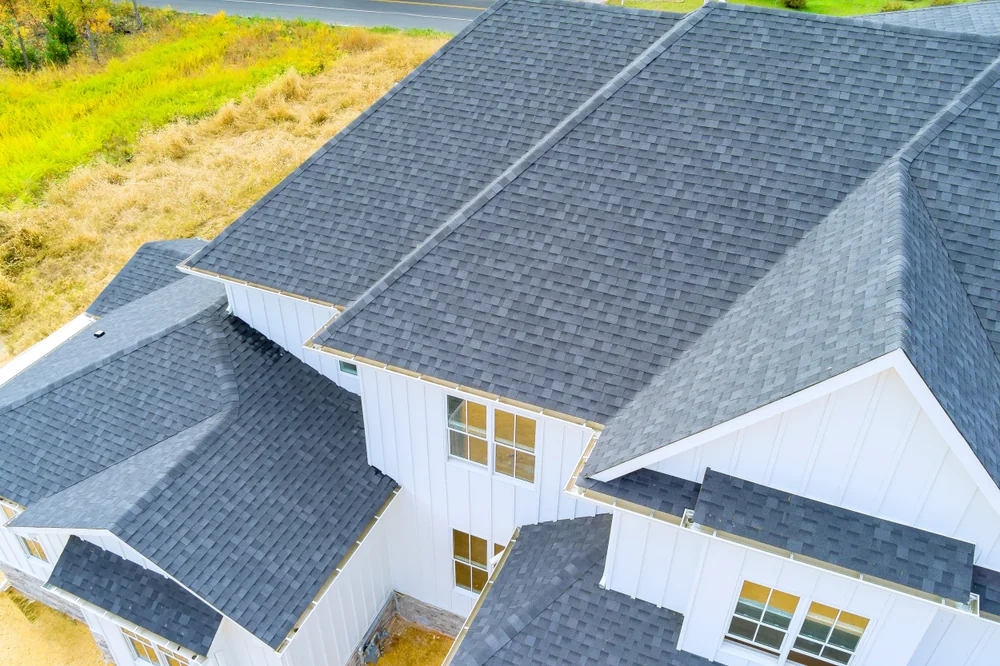
Your heating bill stops climbing every winter because your walls aren’t leaking air through cracked, warped panels. You stop worrying about water damage every time it rains because your exterior is sealed tight and doing its job.
That’s what proper siding does. It keeps the weather outside where it belongs, cuts down on energy waste, and makes your home look like something you’re proud to own instead of something you keep meaning to fix.
When you invest in quality exterior home remodeling in Littleton, MA, you’re not just covering up old problems. You’re eliminating them. New siding means no more peeling paint every few years, no more soft spots in your walls from moisture intrusion, and no more wondering if that last storm did damage you can’t see yet. It means protection that lasts decades, not seasons.
Paradise Remodeling Inc has spent nearly two decades working on homes across Massachusetts, and we’ve seen what happens when siding gets installed right versus when it gets rushed. We started as a remodeling contractor in 2012, and we’ve built our reputation on not cutting corners—even when it would be easier or more profitable to do so.
Littleton homes face serious weather. The temperature swings, the moisture, the ice—it all takes a toll. We know which materials hold up here and which ones fail in five years. That’s why we work with products like James Hardie fiber cement and premium vinyl options that are actually engineered for New England conditions.
You’re not getting a sales pitch from us. You’re getting straight answers about what your home needs, what it’ll cost, and how long it’ll last. We’ve been serving homeowners in Littleton and the surrounding area long enough to know that doing the job right the first time saves everyone time and money.
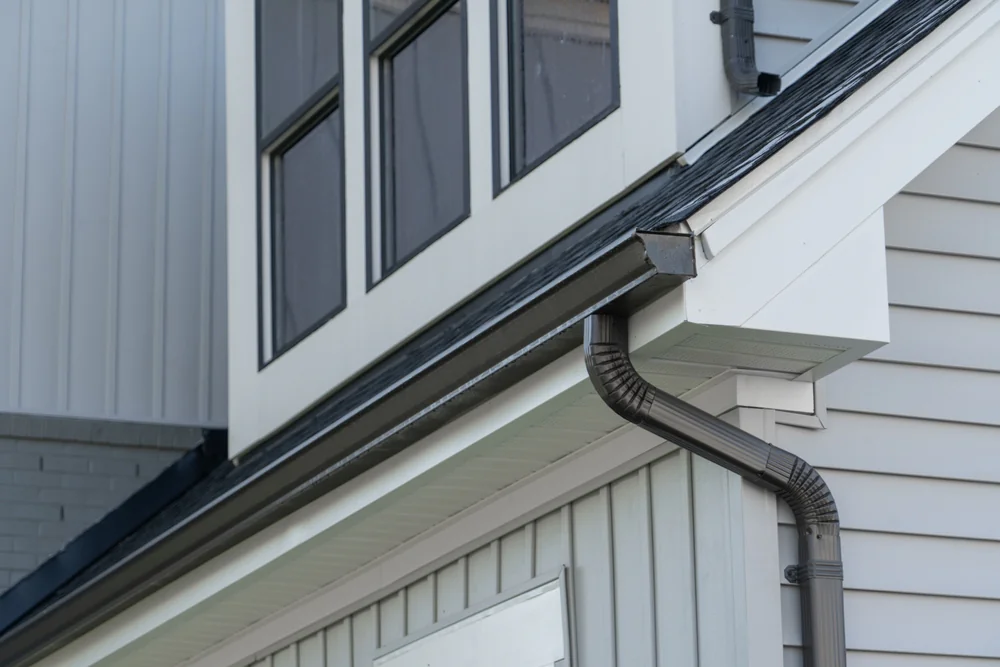
First, we come out and actually look at your home. Not a quick glance—a real inspection where we check for underlying damage, moisture issues, or structural concerns that need addressing before new siding goes up. If your sheathing is rotted or your insulation is shot, you need to know that before you spend money on materials.
Next, we walk you through material options that make sense for your home and your budget. Vinyl, fiber cement, composite—each has pros and cons depending on your priorities. We’ll explain what works best for Littleton’s climate, what requires the least maintenance, and what gives you the best return on investment if you’re planning to sell.
Once you choose your materials and colors, we handle the installation with attention to the details that most homeowners never see but that determine whether your siding lasts 15 years or 40. Proper flashing around windows, correct overlap on panels, adequate ventilation behind the siding—these aren’t extras. They’re requirements if you want the job done right.
After installation, we clean up completely and walk you through maintenance recommendations. Most modern siding needs very little upkeep, but knowing what to watch for can help you catch small issues before they become expensive problems.
Ready to get started?
You get a full assessment of your current siding condition, including moisture testing and inspection for hidden damage that could compromise your new installation. We remove old siding carefully, repair any underlying issues with sheathing or framing, and install proper moisture barriers and insulation before the new siding goes up.
Material options include vinyl siding that never needs painting, fiber cement that resists fire and insects, and composite materials that combine durability with low maintenance. All installations come with manufacturer warranties—James Hardie offers 30-year non-prorated coverage, which is among the best in the industry. We also handle all trim work, soffit and fascia installation, and any necessary carpentry repairs.
For Littleton homeowners, energy efficiency matters. Massachusetts winters are expensive enough without paying to heat the outdoors through poorly insulated walls. We install insulated siding options that can significantly reduce your heating costs, and we make sure every seam, corner, and transition point is sealed properly to prevent air leakage.
As commercial siding contractors in Littleton, MA, we understand building codes, insurance requirements, and durability standards that go beyond residential work. We handle both, and we know what’s required to pass inspection the first time. Whether it’s a single-family home or a multi-unit property, the process is thorough, and the results last.

Most residential siding projects take between one and three weeks depending on the size of your home, the material you choose, and whether we find underlying damage that needs repair. A standard single-family home with no complications usually takes about a week to ten days from start to finish.
Weather can extend timelines, especially during New England winters when temperature requirements for certain materials become a factor. Fiber cement, for example, needs to be installed in specific temperature ranges to cure properly. We won’t rush a job just to meet a deadline if conditions aren’t right—that’s how you end up with failed installations and callbacks.
If we discover rotted sheathing, structural issues, or extensive water damage during the tear-off phase, that adds time. But it’s time well spent. Installing new siding over damaged substrate is like putting a new roof on a house with a cracked foundation—it looks good temporarily, but the problem gets worse underneath. We address those issues before they compromise your investment.
Fiber cement and insulated vinyl are your best options for handling Massachusetts weather extremes. Fiber cement, particularly James Hardie products designed for the HardieZone that includes New England, resists moisture, won’t rot, and handles freeze-thaw cycles without cracking or warping. It’s also fire-resistant and holds up against high winds.
Insulated vinyl offers excellent energy efficiency at a lower price point than fiber cement. Modern vinyl siding isn’t the flimsy material from decades ago—premium options are engineered to resist impact, won’t fade in UV exposure, and require almost no maintenance. The insulation backing helps reduce energy costs, which matters when you’re heating a home through January in Littleton.
Wood siding looks great but requires ongoing maintenance in this climate. You’re repainting or restaining every few years, and moisture is always a concern. Composite materials split the difference—they offer the look of wood with better durability, but they cost more upfront. Your choice depends on your priorities: lowest maintenance, best energy efficiency, or specific aesthetic goals. We’ll walk through the trade-offs based on what matters most to you.
Expect to pay between $8,000 and $25,000 for a complete siding replacement on a typical Littleton home, with most projects landing in the $12,000 to $18,000 range. The wide variance comes down to material choice, home size, architectural complexity, and the condition of what’s underneath your current siding.
Vinyl siding is the most affordable option, usually running $4 to $8 per square foot installed. Fiber cement costs more—typically $8 to $12 per square foot—but lasts longer and requires less maintenance over its lifespan. If we need to replace sheathing, add insulation, or repair structural damage, those costs are additional but necessary to do the job right.
Free siding estimates in Littleton, MA should include a detailed breakdown of materials, labor, and any anticipated repairs. Be wary of quotes that seem too good to be true—they usually are. Low bids often mean shortcuts: thinner materials, improper installation techniques, or skipped steps like moisture barriers and proper flashing. You’ll pay for those shortcuts later in energy bills, premature failure, and water damage. We price our work to reflect the quality and longevity you’re actually getting.
Yes, if your current siding is old, damaged, or poorly insulated. New siding with proper insulation and air sealing can reduce heating and cooling costs by 15% to 25%, which adds up quickly in Massachusetts where energy prices stay high year-round.
The biggest energy gains come from eliminating air leakage around windows, doors, and seams where old siding has pulled away from the house. Even small gaps let conditioned air escape and outdoor air infiltrate, forcing your HVAC system to work harder. Insulated vinyl siding adds an R-value of around 2 to 4, which doesn’t sound like much but makes a noticeable difference in comfort and cost when applied to your entire exterior.
Fiber cement itself isn’t highly insulating, but when installed over proper house wrap and foam board insulation, it creates an effective thermal barrier. The key is the installation quality—siding that’s installed with gaps, improper overlap, or missing flashing won’t deliver energy savings no matter what the material specifications promise. That’s why installation matters as much as the product you choose.
If the damage is localized to one area—maybe a few cracked panels from a storm or impact damage near your driveway—repair makes sense. But if you’re seeing widespread issues like warping, multiple cracks, fading across large sections, or soft spots that indicate water intrusion, replacement is the smarter investment.
Here’s what we look for during inspections: bubbling or peeling paint on interior walls near exterior walls signals moisture getting through the siding. Mold or mildew inside your home, especially in corners or along outside walls, means water is penetrating your exterior envelope. Visible rot, holes, or panels pulling away from the house are obvious red flags. Higher energy bills without explanation often point to failing insulation or air leakage through compromised siding.
Age matters too. Vinyl siding typically lasts 20 to 40 years depending on quality and installation. If yours is approaching that range and showing signs of wear, replacement prevents the bigger problems that come with complete failure—water damage, mold, structural rot. We’ll give you an honest assessment. If repair makes sense, we’ll tell you. If you’re throwing money at a failing system, we’ll tell you that too.
Yes. We come out, inspect your current siding, measure your home, and provide a detailed written estimate at no cost and no obligation. The estimate includes material options, labor costs, timeline expectations, and any additional work we identify during the inspection—like repairs to sheathing or trim that needs replacement.
During the estimate appointment, we’ll explain what we’re seeing, what your options are, and what we recommend based on your home’s specific needs and your priorities. If you want the lowest-maintenance option, we’ll steer you that direction. If energy efficiency is your main concern, we’ll focus on insulated materials and proper sealing techniques. If you’re planning to sell soon and want the best ROI, we’ll talk about which materials and colors appeal most to buyers in the Littleton market.
There’s no pressure. You’ll get the information you need to make a decision, and you can take as much time as you want to think it over, get other quotes, or check references. We’ve been doing this long enough that we don’t need to push anyone into anything. Good work speaks for itself, and most of our business comes from referrals from previous customers who were happy with the results.