Hear from Our Customers

You stop worrying about what winter’s doing to your house. The drafts disappear, your heating bills drop, and you’re not repainting every few years because the material can’t handle the weather.
That’s what proper siding installation in Stoneham, MA gets you. Not just better curb appeal—though that’s part of it. You get real protection from nor’easters, ice dams, and the kind of temperature swings that crack inferior materials by February.
Fiber cement siding and quality vinyl siding installation in Stoneham hold up where cheaper options fail. They keep moisture out of your walls. They don’t warp when it’s 95 degrees or crack when it hits single digits. And if you go with James Hardie installers in Stoneham who know what they’re doing, you’re looking at 30 to 50 years of performance with almost no maintenance.
We’ve been handling siding projects across the North Shore since 2012. We’re licensed, insured, and ranked in the top 8% of Massachusetts contractors—not because we’re the cheapest, but because we show up, do the work right, and don’t cut corners on house wrapping or flashing details that matter in this climate.
Stoneham homes deal with coastal weather patterns, salt air, and freeze-thaw cycles that most siding wasn’t designed for. We’ve seen what fails here and what lasts. That’s why we work with materials like James Hardie fiber cement and premium vinyl—they’re built for New England, not just marketed to it.
You’ll get a free estimate, straight answers about what your house actually needs, and installation that’s backed by real warranties. No pressure, no runaround.
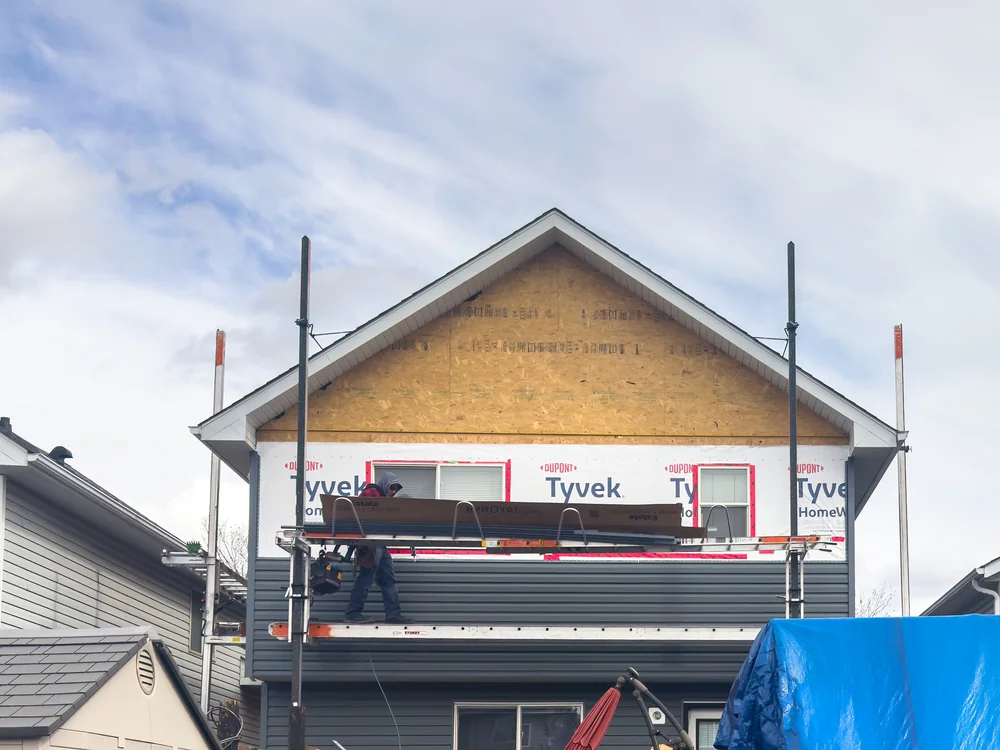
First, we come out and look at your house. Not just the siding—the sheathing, the trim, any rot or water damage that needs addressing before new material goes up. If your house wrapping is compromised or your flashing is missing, we’ll tell you. That’s not upselling, that’s keeping water out of your walls.
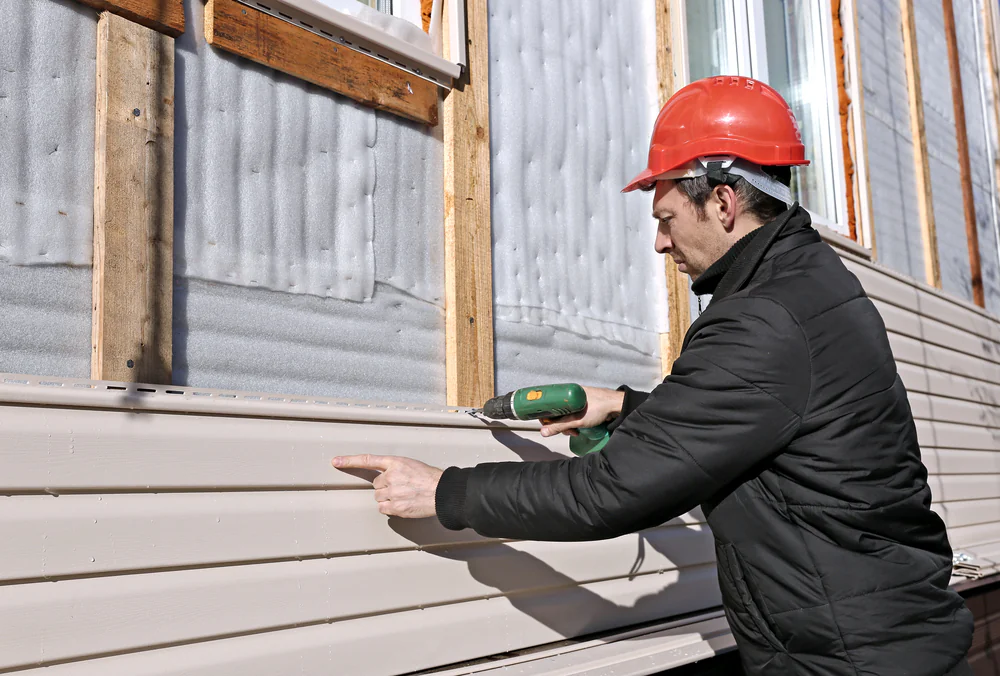
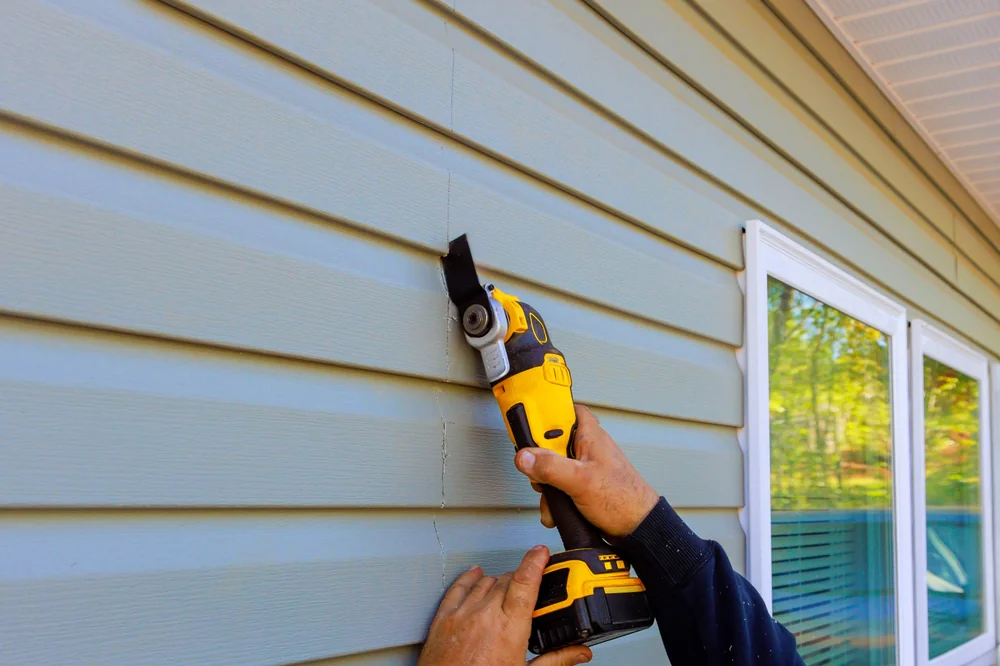
Once you approve the estimate, we order materials and schedule the work around weather. Installation starts with proper prep: removing old siding carefully, inspecting and repairing the substrate, installing weather barriers correctly. Then the new siding goes up with the right fastening, the right overlap, and the right clearances. Corners, windows, doors—every transition gets sealed and flashed properly.
Most vinyl siding installation in Stoneham takes one to two weeks depending on the size of your home. Fiber cement siding takes a bit longer because it’s heavier and requires more precise cutting. When we’re done, you get a walkthrough, warranty paperwork, and maintenance guidelines. Then we clean up and you’re set for decades.
Ready to get started?
You’ve got two main options worth considering for Stoneham: fiber cement and vinyl. Both handle New England weather, but they do it differently.
Fiber cement—especially James Hardie—is the most durable siding you can install. It won’t burn, won’t rot, won’t get eaten by insects, and it holds paint for 15+ years. It’s five times thicker than vinyl, which means it takes hail, wind, and impacts without denting. The fiber cement siding cost in Stoneham runs higher upfront, typically $12 to $18 per square foot installed, but you’re looking at 50 years of life and an ROI above 75% when you sell. It also helps with energy efficiency because it doesn’t expand and contract like vinyl, so your seals stay tight.
Vinyl siding installation in Stoneham is more affordable—usually $6 to $10 per square foot—and it still performs well if it’s quality material installed correctly. Modern insulated vinyl helps with energy costs, and you’ll never paint it. The ROI in the Boston area sits between 82% and 86%, which is exceptional. It’s lighter, faster to install, and holds up to moisture and temperature swings better than wood ever will.
Both options beat the maintenance nightmare of wood siding. You’re not repainting every three years or replacing rotted boards. A hose-down once a year is all you need.
For a typical single-family home in Stoneham, you’re looking at $12,000 to $28,000 depending on material, square footage, and how much trim or repair work is involved. Vinyl siding installation in Stoneham usually runs $6 to $10 per square foot installed. Fiber cement siding costs more—$12 to $18 per square foot—but lasts twice as long and needs almost no maintenance.
Those numbers include labor, materials, house wrapping, flashing, and trim. If we find rot or structural issues when the old siding comes off, that’s extra, but we’ll tell you before we proceed. The price also depends on your home’s complexity—lots of corners, windows, or architectural details take more time and material.
Most homeowners recover 75% to 86% of the cost when they sell, which makes siding one of the better home improvement investments you can make. And if your current siding is failing, you’re already losing money on heating and cooling costs.
Vinyl is lighter, less expensive, and faster to install. It handles moisture well, never needs painting, and modern insulated vinyl actually helps with energy efficiency. It expands and contracts with temperature changes, which is fine if it’s installed with the right clearances. Quality vinyl lasts 25 to 30 years in Massachusetts.
Fiber cement—like James Hardie—is heavier, more durable, and more expensive. It’s made from cement, sand, and cellulose fibers, so it won’t burn, rot, or get damaged by insects. It holds up to hail and wind better than vinyl, doesn’t expand or contract as much, and can last 50+ years. It does require repainting eventually, but you’re talking 15 to 20 years between coats.
For Stoneham homes, both work. Vinyl makes sense if you want lower upfront cost and zero maintenance. Fiber cement makes sense if you want maximum durability, fire resistance, and the best long-term value. We install both, and we’ll tell you honestly which fits your budget and goals.
Most homes take one to two weeks from start to finish. Smaller homes or simple ranch styles might be done in a week. Larger colonials or homes with complex trim and architectural details can take closer to three weeks.
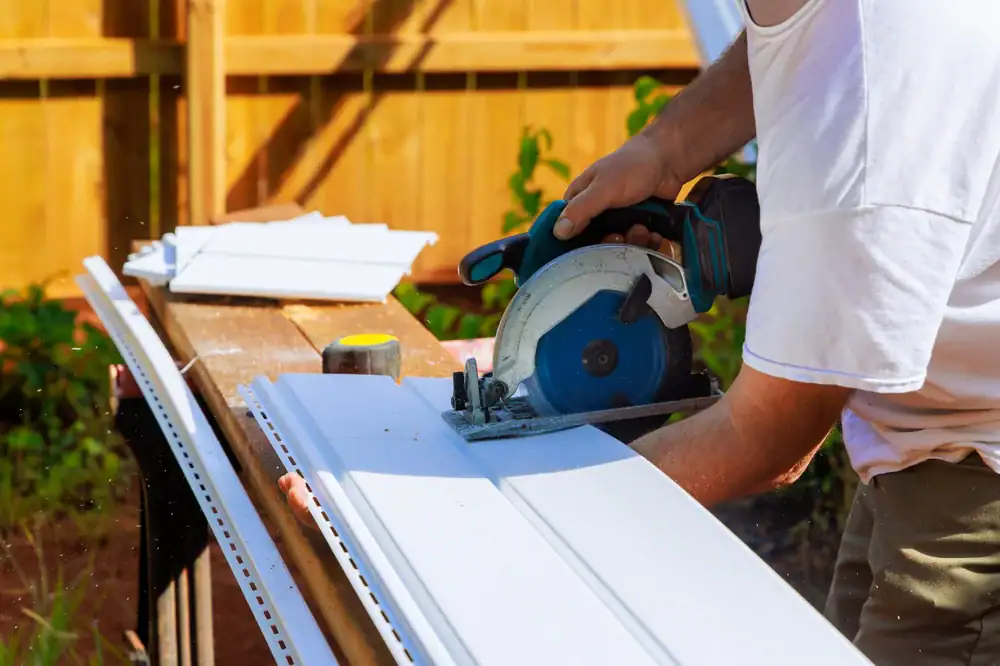
Vinyl siding installation in Stoneham goes faster because the material is lighter and easier to cut. Fiber cement takes longer—it’s heavier, requires more precise cutting, and needs more careful handling. Weather also plays a role. We don’t install vinyl in freezing temperatures because it can crack during cutting, and we won’t install any siding in heavy rain or high winds.
The timeline includes removing your old siding, inspecting and repairing the substrate, installing house wrapping and flashing, hanging the new siding, and finishing all the trim. We’ll give you a specific schedule when we do your estimate, and we’ll let you know immediately if anything changes.
Yes. House wrapping—also called weather-resistant barrier—is what keeps water from getting into your walls when wind drives rain behind your siding. And in Stoneham, with nor’easters and coastal weather, that happens more than you’d think.
Proper house wrapping goes over your sheathing before the siding goes up. It sheds water downward and outward while still letting water vapor escape from inside your walls. Without it, you’re relying entirely on your siding to be watertight, and no siding is completely watertight at every seam and penetration.
If your home was built before the 1990s, there’s a good chance you don’t have house wrapping—or what’s there has deteriorated. When we remove old siding, we inspect what’s underneath and replace or add weather barriers where needed. It’s not optional if you want your new siding to actually protect your house. Skipping it to save a few hundred dollars is how you end up with mold and rot inside your walls five years later.
Yes, but how much depends on what you’re replacing and what you’re installing. If your current siding is damaged, poorly installed, or you have no house wrapping underneath, you’re losing heat through your walls. New siding with proper weather barriers and insulated options can cut those losses significantly.
Insulated vinyl siding adds a foam backing that increases your wall’s R-value—basically, its resistance to heat flow. That means your furnace doesn’t work as hard in winter and your AC doesn’t run as much in summer. Fiber cement siding doesn’t have built-in insulation, but it’s denser than vinyl and creates a tighter seal when installed correctly, which also helps with energy efficiency.
The bigger impact comes from eliminating air leaks and moisture infiltration. When we install new siding in Stoneham, we’re sealing up all the gaps, cracks, and failed seams that let cold air in. Homeowners typically see a noticeable difference in comfort first—fewer drafts, more consistent temperatures—and then they see it in lower heating bills. Exact savings vary, but 10% to 15% reductions in energy costs are common after a full siding replacement with proper installation.
Because it’s the most durable siding material you can put on a house, and it’s specifically engineered for climates like ours. James Hardie fiber cement won’t burn—it’s 90% sand and cement, so it’s non-combustible. It won’t rot, even if it stays wet. Insects won’t touch it. And it’s thick enough to handle hail, wind up to 140 mph, and impacts that would dent or crack vinyl.
In Stoneham, where you’re dealing with freeze-thaw cycles, coastal moisture, and temperature swings from below zero to above 90, that durability matters. James Hardie doesn’t expand and contract like vinyl, so your seams stay tight and your paint lasts longer—15 to 20 years between coats versus 5 to 7 for wood.
It also comes with real warranties: 30 years on the product, 15 years on the trim, and it’s the only siding with the Good Housekeeping Seal. When we install it in Stoneham, you’re looking at 50+ years of performance. The fiber cement siding cost is higher upfront—usually $12 to $18 per square foot installed—but you recoup 75% to 85% of that at resale, and you’re done dealing with siding for the life of your ownership.