Hear from Our Customers
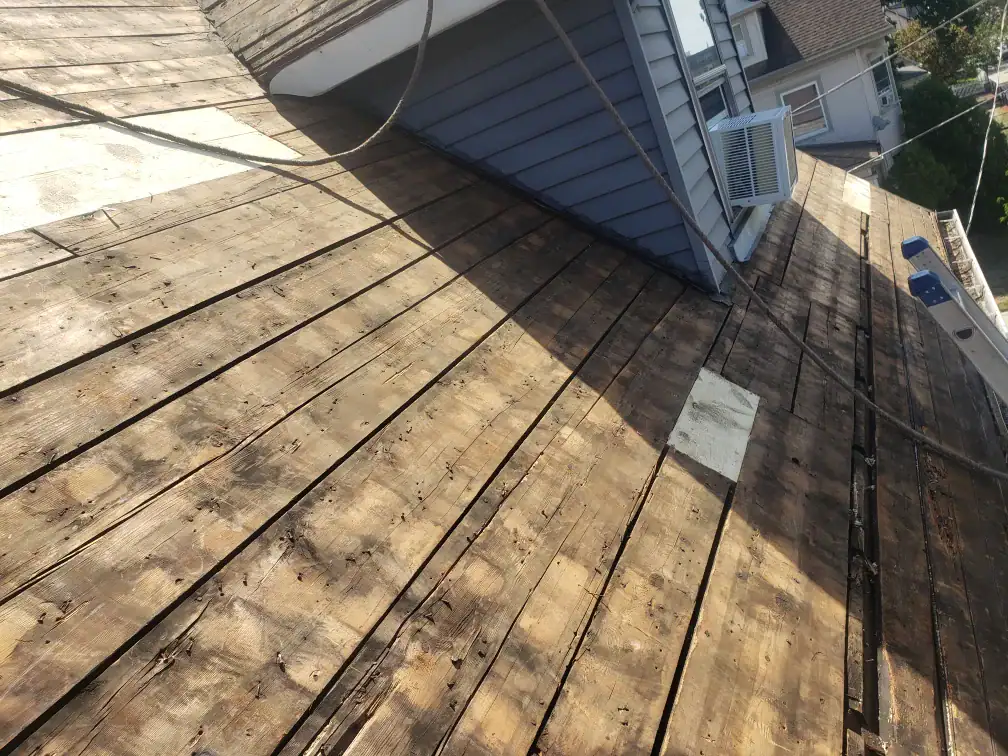
Your siding faces coastal salt air, road salt splatter all winter, and algae growth that most homeowners in Stoneham deal with year after year. Left alone, that buildup doesn’t just look bad—it eats away at your siding, creates entry points for moisture, and turns a $400 cleaning into a $20,000 replacement.
Regular siding maintenance in Stoneham catches cracks before water gets behind your walls. It removes mold and mildew before they spread to your roof line or foundation. And it keeps your home looking sharp without you spending weekends on a ladder with a pressure washer you’re not sure how to use.
You get longer-lasting siding, lower energy bills from better insulation, and fewer emergency calls when storms roll through. Most importantly, you avoid the kind of structural damage that happens slowly, then all at once—the kind most people don’t see until it’s already cost them.
We’ve spent over a decade handling the specific challenges that Stoneham homes face. We’re an Owens Corning Preferred Contractor, which means we meet strict standards that most companies don’t qualify for. Our BuildZoom score puts us in the top 8% of licensed contractors across Massachusetts.
We know what winter does to fiber cement in this area. We know where moisture hides on vinyl siding after a nor’easter. And we know the difference between surface dirt and the early signs of real damage—the kind that costs you if it’s missed during a basic cleaning.
You’re not getting a national chain that rotates crews every season. You’re getting a local team that’s seen what happens when siding maintenance gets skipped in Stoneham, and we’d rather prevent that than profit from it later.
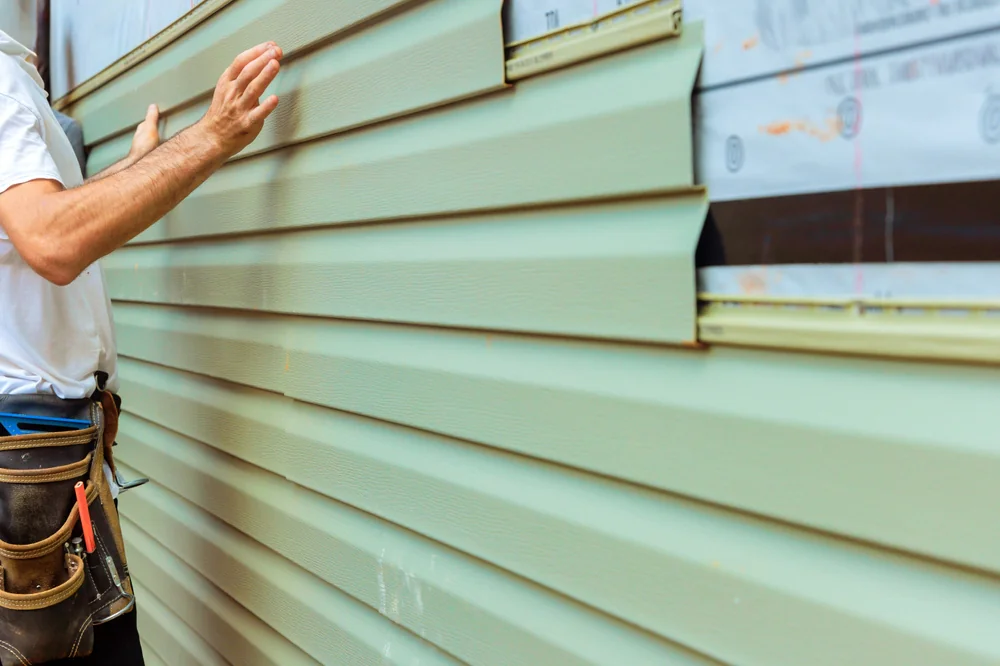
We start with a full siding inspection checklist—looking for cracks, gaps, loose panels, and early signs of moisture intrusion that most people miss. This isn’t a walk-around with a clipboard. We’re checking seams, caulking, flashing, and anywhere water could be getting in without obvious damage on the surface.
Then we clean using soft washing, not high-pressure blasting. Soft washing uses low-pressure water under 500 PSI combined with biodegradable solutions that kill mold, mildew, and algae at the root. It’s gentler on your siding and lasts four to six times longer than power washing because we’re treating the problem, not just rinsing it off.
After cleaning, we handle any repairs—sealing cracks, replacing damaged panels, re-caulking seams. If we find something bigger, we’ll walk you through it with photos and explain what happens if you wait versus if you handle it now. Then you decide.
The whole process takes a few hours for most homes. You don’t need to be there. And when we’re done, your siding is clean, sealed, and ready for whatever weather Stoneham throws at it next.
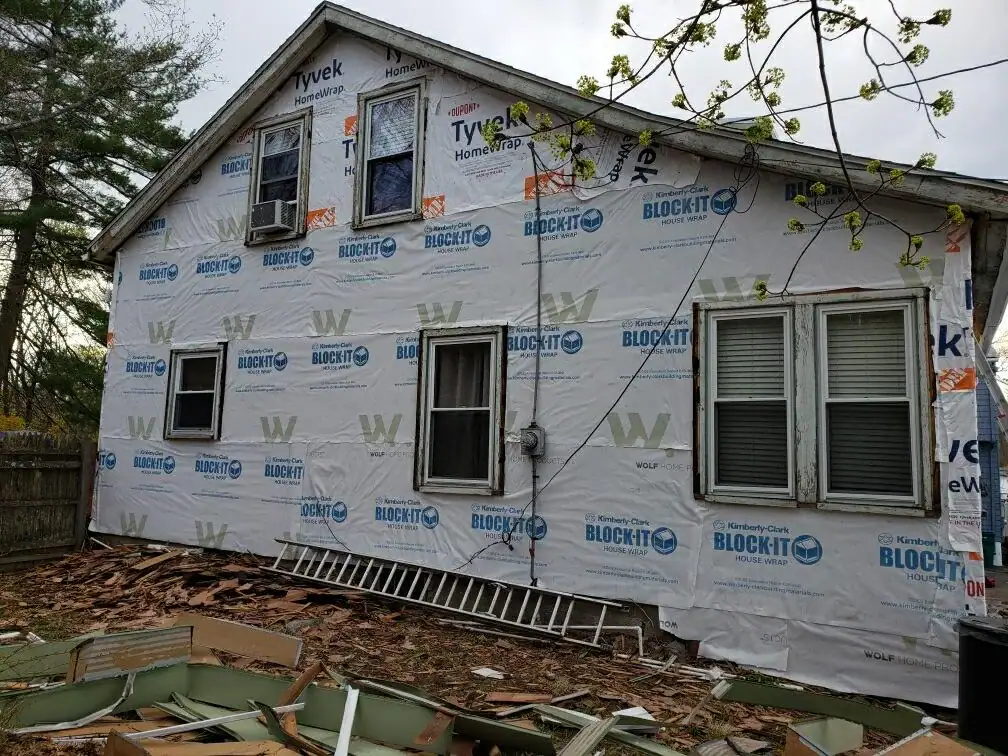
Ready to get started?
You get soft washing that protects your siding instead of damaging it. High-pressure power washing can crack vinyl, strip paint, and force water behind your walls—we’ve repaired plenty of homes where that happened. Soft washing costs slightly more upfront but saves you money by avoiding damage and lasting longer between cleanings.
We remove mold and mildew from siding in Stoneham using solutions designed for Massachusetts coastal conditions. That means treating algae growth, black streaks, and green patches that come back faster here than in drier climates. We’re also checking for the fungus growth near seams that signals water penetration—something a basic cleaning crew won’t catch.
You get caulking and sealing where it’s needed, minor repairs handled on the spot, and a clear explanation of anything bigger we find. We’re not upselling you on a full replacement when a repair will do. But we’re also not going to tell you everything’s fine when it’s not.
Most Stoneham homeowners pay between $400 and $600 for professional siding maintenance. That’s a fraction of what new siding costs, and it extends the life of what you already have by years. You’re also getting the peace of mind that comes from knowing your home is protected before the next winter hits.
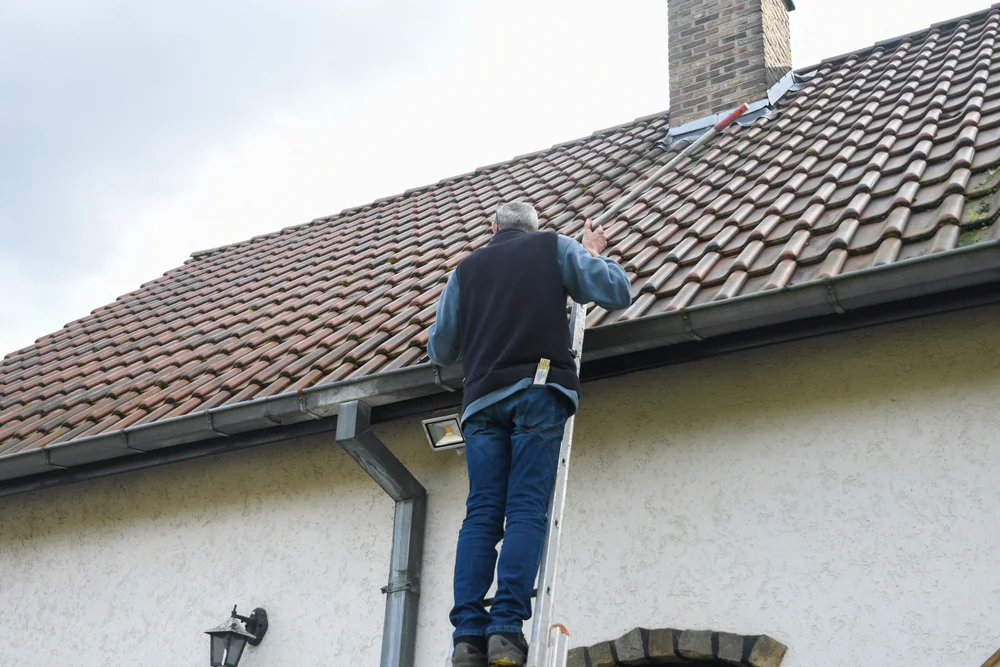
Most Stoneham homes need professional siding maintenance once a year, ideally in the fall. Cleaning in fall instead of spring saves you money, gets you better availability, and protects your siding before winter weather causes damage.
If your home is near main roads where road salt spray hits your siding all winter, or if you’re in a shaded area where algae grows faster, you might need service twice a year. Homes with fiber cement generally need less frequent cleaning than vinyl, but they need more careful inspections for cracks since moisture damage happens differently.
The real answer depends on what we find during your first inspection. Some homes have drainage issues or overhanging trees that create conditions where mold comes back faster. We’ll tell you what makes sense for your specific situation—not just sell you a schedule that works for us.
Power washing uses high pressure—often 2,000 to 3,000 PSI—to blast dirt off surfaces. It works fast, but it can crack vinyl siding, strip paint, force water behind your walls, and damage window seals. Most DIY pressure washers and cheaper services use this method because it’s quicker and requires less training.
Soft washing uses low pressure under 500 PSI combined with specialized cleaning solutions. The solutions do the actual cleaning by killing mold, mildew, and algae at the root level, while the low pressure rinses everything away without damaging your siding. It costs about 10 to 20 percent more than power washing, but it lasts four to six times longer and doesn’t risk the kind of damage we regularly get called to repair.
For Stoneham homes dealing with coastal algae and mold growth, soft washing is the only method that makes sense. You’re treating the problem instead of temporarily hiding it, and you’re not gambling with expensive repairs from pressure damage.
You can clean your own siding, but most homeowners underestimate what’s involved. Equipment rental runs about $90 per day, and consumer-grade washers often lack the power to do the job right, meaning you’ll need multiple rental days. Add cleaning solutions and you’re at $100 to $300 before you start—and that’s assuming you don’t damage anything.
The bigger issue is knowing what pressure to use, what cleaning solutions work for your siding type, and how to spot early damage during cleaning. Incorrect pressure settings can crack siding or force water into your walls. Missing early signs of moisture damage means small problems become structural issues.
Professional teams complete most homes in two to four hours. The same job typically takes homeowners six to twelve hours, often with inferior results because you’re learning as you go. We’re not saying you can’t do it—we’re saying the cost difference is smaller than most people think, and the risk of costly mistakes is real.
Dirt washes off easily with a garden hose and comes back slowly. Mold and mildew look like black streaks, dark patches, or green discoloration that doesn’t rinse away with plain water. If you see growth concentrated on north-facing walls or shaded areas, that’s almost always mold or algae.
Mildew often appears powdery and sits on the surface, while mold can look slimy or fuzzy and may indicate moisture problems behind your siding. If you see fungus growth near seams or around windows, that’s a red flag for water penetration that needs immediate attention.
The health concern is real—mold spores become airborne during cleaning and can enter your lungs, especially if you’re power washing without proper equipment. Professional mold and mildew removal for siding in Stoneham uses solutions that kill growth at the root and proper safety measures to contain spores during treatment. If you’re seeing significant mold growth, it’s worth having someone who knows what they’re looking at check for underlying moisture issues.
Start with cracks and gaps, especially around windows, doors, and corner boards. Even small cracks let moisture seep in, leading to mold growth and structural damage over time. Check your caulking—if it’s cracked, missing, or pulling away from seams, water is getting behind your siding.
Look for warping, buckling, or panels that seem loose or out of alignment. This often means moisture has already caused damage behind the siding, or installation wasn’t done correctly. Soft spots when you press on siding panels indicate rot underneath that needs immediate attention.
Check for discoloration, especially dark streaks near seams or around fasteners. This can signal water intrusion or rust from nails bleeding through. Also look at your siding after heavy rain—if you see water stains or notice certain areas stay wet longer than others, you’ve got drainage or moisture problems that a basic cleaning won’t fix. A proper siding inspection checklist in Stoneham should cover all of these points plus check flashing, trim, and anywhere different materials meet.
Yes, but not in the way most people think. Clean siding doesn’t directly insulate better, but maintained siding without cracks and gaps prevents air leaks that make your heating and cooling work harder. When we seal cracks and replace damaged sections during maintenance, we’re closing off entry points where conditioned air escapes and outside air gets in.
Mold and mildew growth can also indicate moisture problems that affect your home’s overall envelope. If moisture is getting behind your siding, it’s likely compromising your insulation’s effectiveness. Wet insulation loses most of its R-value, meaning your furnace runs longer in winter and your AC works harder in summer.
Most Stoneham homeowners won’t see dramatic energy bill drops from siding maintenance alone, but you’ll notice a difference if your siding had significant damage or air leaks. The bigger financial benefit is avoiding the major expense of replacing siding prematurely or dealing with structural damage from long-term moisture intrusion. Regular maintenance keeps everything working as designed, which includes maintaining your home’s energy efficiency over time.