Hear from Our Customers

Your heating bills drop because air isn’t leaking through cracked panels anymore. You stop worrying about water getting behind the siding and rotting out your sheathing. Your home looks updated, and you’re not spending weekends scraping, caulking, or repainting.
That’s what happens when vinyl siding installation in Hancock or fiber cement siding gets done right. You get weather protection that holds up through actual New Hampshire winters, not just the mild ones. The materials we install are engineered for this region’s freeze-thaw cycles and temperature swings.
James Hardie fiber cement is built specifically for HardieZone 5, which includes all of New Hampshire. That means it’s designed to expand and contract with our weather without cracking. Insulated vinyl siding adds a thermal barrier that cuts heat transfer and lowers your energy costs. Both options give you decades of performance if they’re installed correctly, which is where most contractors fall short.
We’re an Owens Corning Preferred Contractor and a certified James Hardie installer serving Hancock, NH and the surrounding area. That certification isn’t automatic. It requires meeting strict installation standards, maintaining customer satisfaction scores, and proving we know how to handle the materials correctly.
We’ve been doing this long enough to know what fails in New Hampshire’s climate. House wrapping has to be done right, or moisture gets trapped. Flashing around windows and doors can’t be an afterthought. Expansion gaps matter when temperatures swing 100+ degrees between summer and winter.
Hancock homes deal with tough conditions year-round. Your siding is the first line of defense, and if it’s installed poorly, you’ll pay for it in energy loss, water damage, and early replacement. We don’t cut corners to save time or underbid a job. We do it right the first time.
We start with an on-site assessment of your home. We’re looking at the current siding condition, checking for water damage or rot underneath, and measuring everything. You’ll get a detailed quote that breaks down materials, labor, and timeline—no surprises later.
Once you approve the quote, we schedule the work and order materials. As James Hardie installers in Hancock, NH, that means getting the right HardieZone product for our climate. For vinyl, we’re using insulated options with a foam core thermal barrier that actually makes a difference in energy performance.
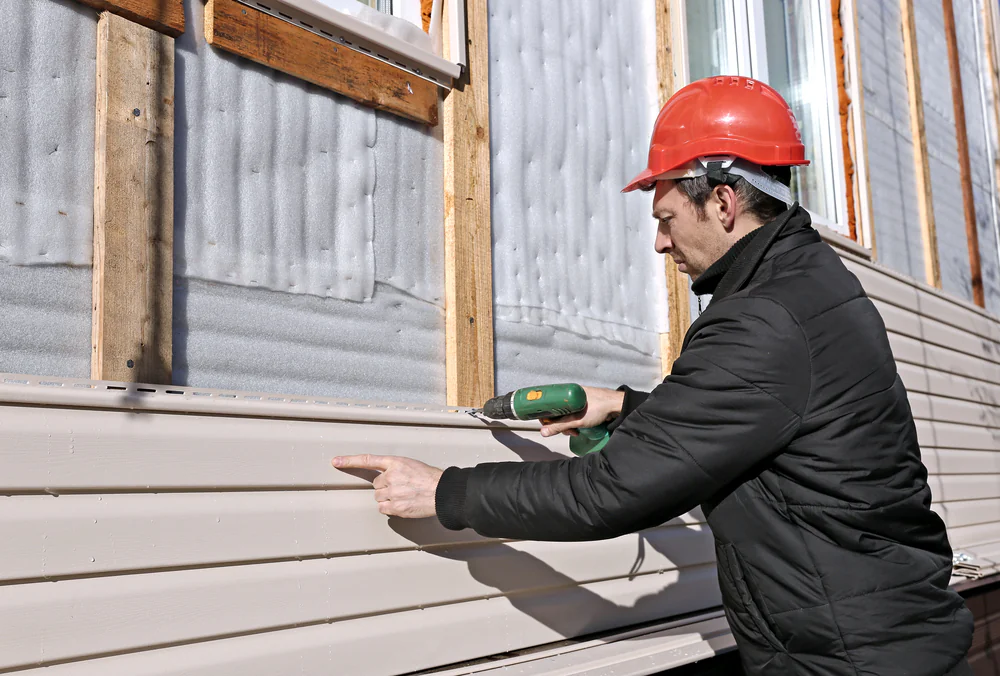
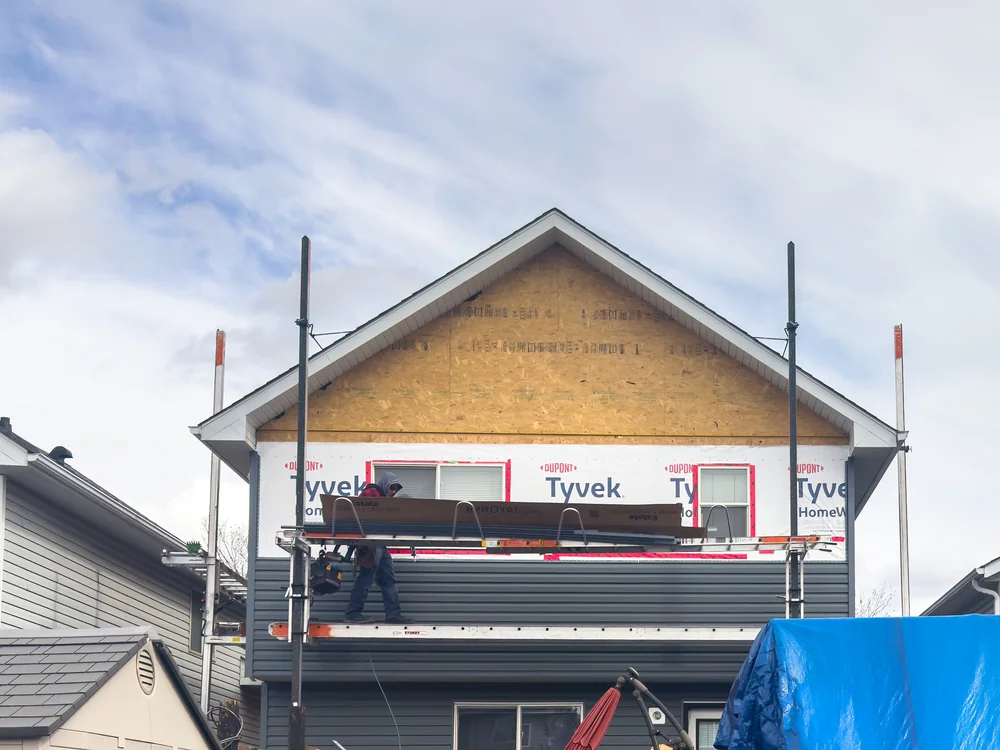
Demo comes first. We remove old siding carefully to avoid damaging your sheathing or structure. Then we inspect the underlayment and replace any damaged sections. House wrapping in Hancock, NH is critical—it’s your moisture barrier, and it has to be installed with proper overlaps and sealed correctly.
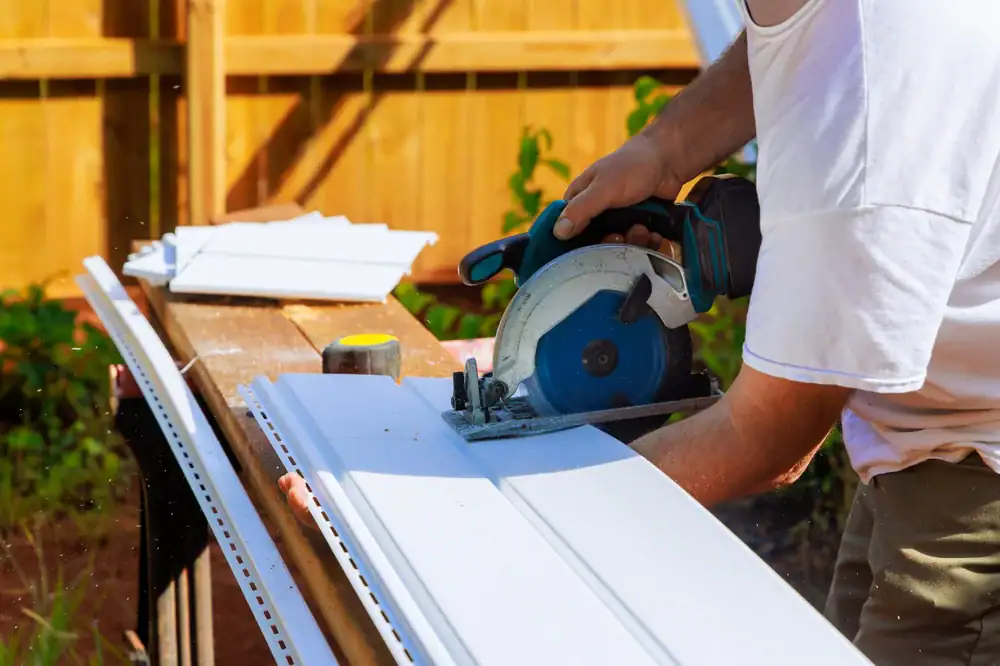
Next, we install the new siding. Every panel gets fastened according to manufacturer specs, with proper spacing for expansion. Trim, corners, and J-channels get flashed and sealed. We’re not rushing through this part because it’s where most problems start. When we’re done, you get a walkthrough, warranty documentation, and care instructions.
Ready to get started?
Fiber cement siding cost in Hancock, NH typically runs higher than vinyl upfront, but the return on investment is better. James Hardie consistently ranks #1 in the Remodeling Cost vs. Value Report for siding projects. You’re looking at a 30-year non-prorated warranty on materials and a 15-year finish warranty. That’s real protection, not the prorated coverage that drops to almost nothing after a few years.
The new siding benefits go beyond just appearance. Insulated vinyl siding can save you up to $5,000 over 15 years in lower paint maintenance compared to wood. Homeowner insurance premiums average 14% lower with fiber cement versus vinyl because it’s fire-resistant and holds up better in storms. Wind and hail account for over 40% of property damage claims in our region, and your siding choice matters when those storms hit.
Hancock’s weather includes freeze-thaw cycles, high humidity in summer, and temperature extremes. Fiber cement doesn’t warp, crack, or rot like wood. Vinyl won’t need repainting every few years. Both options resist moisture intrusion when installed with proper house wrapping and flashing. You’re investing in protection that lasts, not just a cosmetic update that looks good for five years and then starts failing.
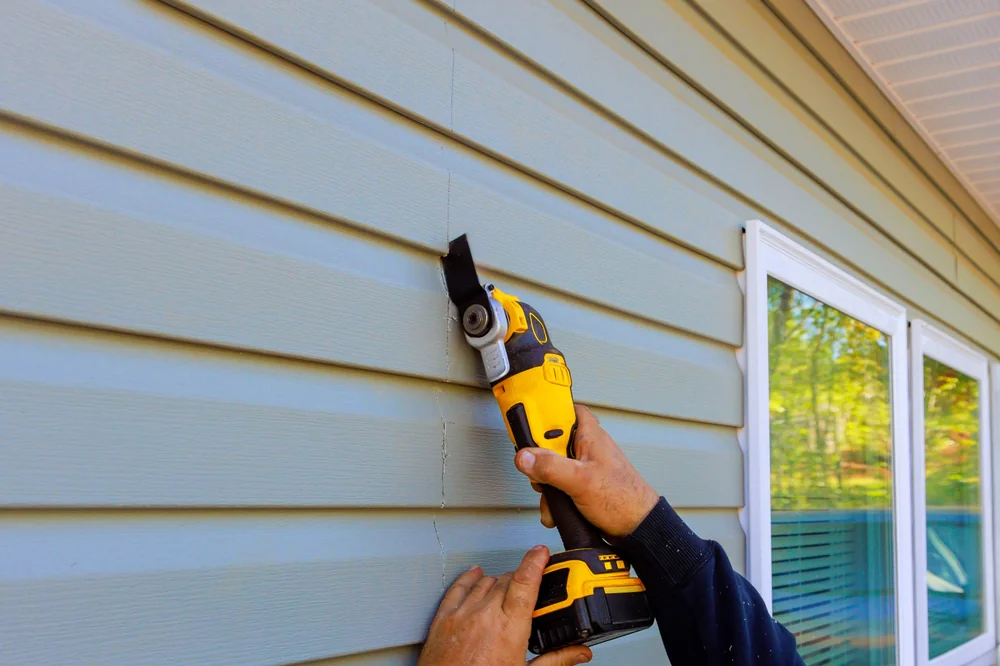
Most single-family homes in Hancock take between 5 and 10 days for complete siding installation, depending on size and complexity. A straightforward ranch with minimal trim work might be done in a week. A two-story colonial with lots of corners, windows, and architectural details will take longer.
Weather affects the timeline too. We don’t install in heavy rain or when temperatures drop below manufacturer minimums, which matters during New Hampshire’s shoulder seasons. If we find rot or water damage during demo, that adds time for repairs before new siding goes up.
We give you a realistic timeline upfront and keep you updated if anything changes. Rushing through a siding job to hit an arbitrary deadline is how you end up with problems later. We’d rather take an extra day to do it right than cut corners and leave you with issues.
Fiber cement handles freeze-thaw cycles better because it doesn’t expand and contract as much as vinyl. James Hardie’s HardieZone 5 product is specifically engineered for our climate with formulations that resist cracking in cold weather. It’s also fire-resistant, impact-resistant, and won’t melt or warp in summer heat.
Vinyl siding installation in Hancock costs less upfront and still performs well if you choose insulated options with a foam backing. Modern vinyl is much better than the thin stuff from 20 years ago. It won’t rot, it doesn’t need painting, and quality products come with solid warranties.
The trade-off is durability and longevity. Fiber cement lasts longer, holds paint better if you ever want to change colors, and adds more to resale value. Vinyl is a good choice if budget is tight and you want low maintenance. Both work in New Hampshire if they’re installed correctly with proper underlayment and flashing.
If your existing house wrapping in Hancock, NH is damaged, deteriorated, or wasn’t installed correctly in the first place, yes—it needs replacement. House wrap is your moisture barrier. It lets water vapor escape from inside your walls while keeping liquid water from getting in. When it fails, you get mold, rot, and structural damage.
We inspect the underlayment during demo. If we see tears, gaps, improper overlaps, or water staining on the sheathing, we’re replacing it. Trying to save a few hundred dollars by reusing bad house wrap will cost you thousands later in repairs.
New construction-grade house wrap isn’t expensive compared to the protection it provides. We use products designed for New England’s climate with proper installation—overlapped seams, sealed penetrations, and correct fastening. It’s not optional if you want your siding installation to last.
Fiber cement siding cost in Hancock, NH typically runs $12 to $18 per square foot installed, while quality insulated vinyl ranges from $8 to $12 per square foot. On an average 2,000-square-foot home, you’re looking at roughly $24,000 to $36,000 for James Hardie versus $16,000 to $24,000 for vinyl.
That price difference buys you longer warranties, better fire and impact resistance, and higher resale value. James Hardie also holds paint longer—15 years on the factory finish versus repainting vinyl if you ever want to change colors. Insurance companies often give discounts for fiber cement because it’s more durable in storms.
The right choice depends on your budget and how long you plan to stay in the home. If you’re here for the long haul, fiber cement pays off. If you need a solid upgrade at a lower price point, insulated vinyl is a smart option. Both are infinitely better than trying to patch failing siding for another few years.
Yes, but there are temperature limits. Most vinyl manufacturers require installation above 40°F because the material gets brittle in cold weather and can crack during cutting or fastening. Fiber cement can be installed in colder temperatures, but adhesives and caulks have their own minimum temperature requirements—usually around 40°F as well.
We can work through late fall and early spring when you get those warmer days between cold snaps. Winter installation is possible during mild stretches, but we’re not going to rush a job in 25-degree weather just to get it done. That’s how panels crack, caulk fails, and you end up with problems come spring.
The best time for siding installation in Hancock is late spring through early fall when temperatures are consistently above 50°F and rain is less frequent. You’ll get better material performance, faster installation, and fewer weather delays. If you need winter work done, we’ll tell you honestly whether conditions are right or if you should wait a few weeks.
Vinyl siding needs an annual wash to remove dirt, pollen, and mildew. Use a garden hose or soft brush with mild detergent—no pressure washing above 1,500 PSI or you’ll damage the surface. Check caulk around windows and doors every couple of years and reseal if you see gaps. That’s about it.
Fiber cement requires a bit more attention. The factory finish lasts 15 years, but after that, you’ll need to repaint. Inspect caulk and trim annually, especially on the north side of your home where moisture lingers. Touch up any chips or scratches to prevent water intrusion. James Hardie is durable, but it’s not maintenance-free forever.
Both materials benefit from keeping gutters clean and trimming back vegetation. Branches scraping against siding cause damage over time. Standing water from clogged gutters leads to rot and mold. The new siding benefits you get from professional installation last longer when you do basic upkeep. It’s not complicated, but it’s not optional either if you want decades of performance.