Hear from Our Customers
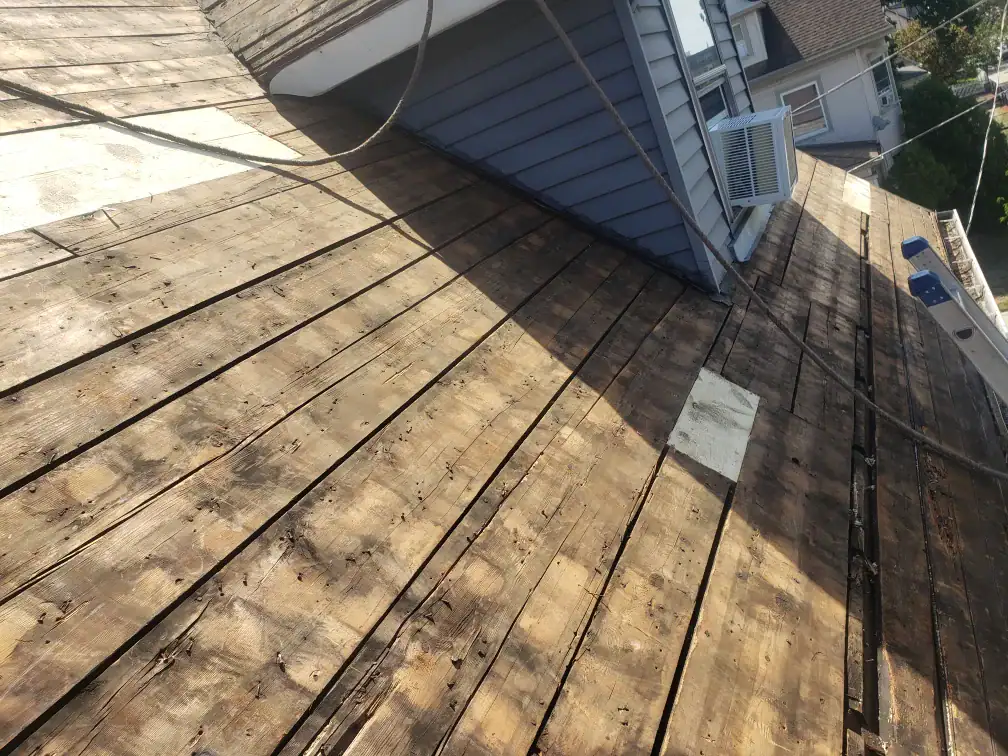
Your siding takes a beating. Snow piles up against it all winter. Spring thaw brings mud splatter. Summer humidity feeds mold growth. Fall winds drive debris into every seam.
Regular maintenance stops small problems before they become expensive ones. Mold and mildew removal prevents those black streaks from eating into your siding material. A proper siding inspection checklist catches loose panels, cracks, or water intrusion early—when fixes are still simple.
Clean siding also means your home holds its value. When neighbors are selling, the house with stained, grimy siding sits longer. Yours doesn’t have to be that house.
The difference between power washing vs soft washing matters more than most people realize. Soft washing uses low pressure with specialized cleaning solutions that kill organic growth at the source. It’s safer for your siding and the results last longer because you’re not just blasting dirt off—you’re eliminating what makes it grow back.
We work exclusively in this region because New Hampshire homes need different care than homes elsewhere. Your siding faces freeze-thaw cycles that crack seals. Ice dams that force water behind panels. Humidity that turns into mold colonies by July.
We’re an Owens Corning Preferred Contractor, which means we’ve met strict standards for quality and reliability. Our BuildZoom score ranks in the top 8% of Massachusetts licensed contractors. We’re licensed, insured, and we’ve been keeping homes in Hancock, NH looking good and staying protected for years.
You’re not hiring a national chain that doesn’t understand your climate. You’re hiring people who live here and work here.
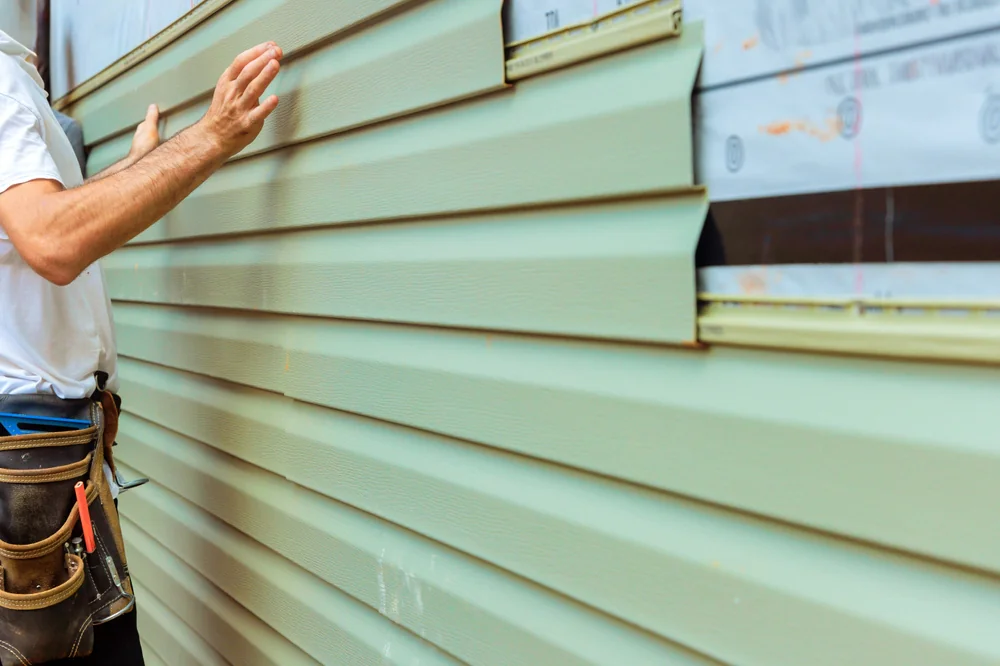
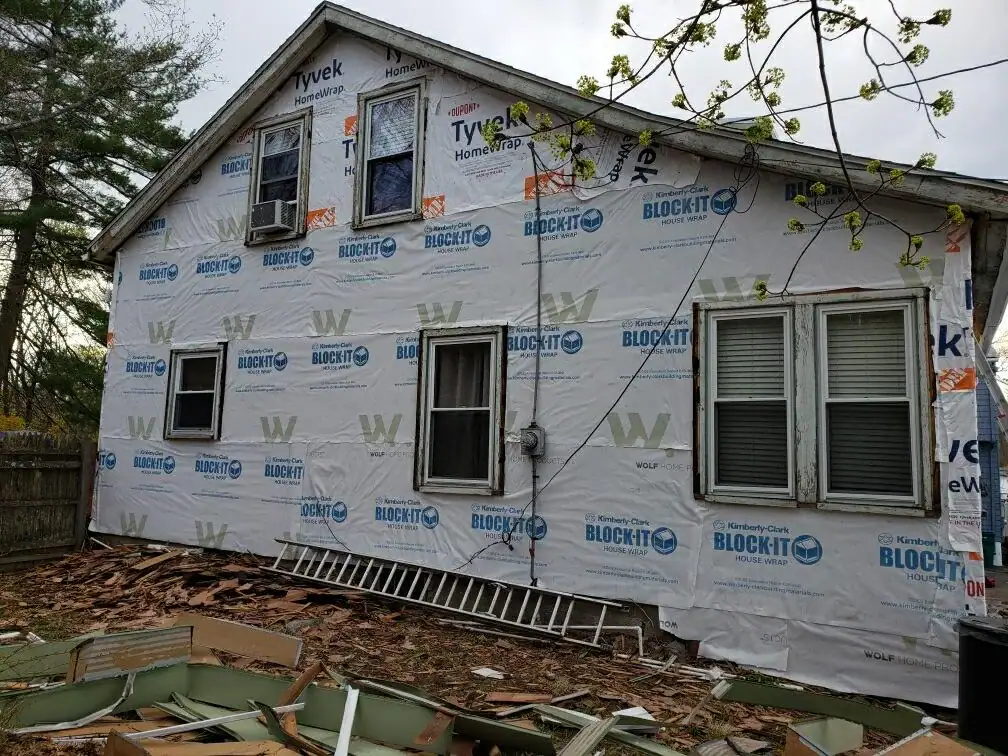
First, we inspect. Every panel, every seam, every corner. We’re looking for damage, loose sections, cracks, or signs that water’s getting where it shouldn’t. This siding inspection checklist catches problems you might not see from the ground.
Then we clean using soft washing—not high-pressure blasting. We apply a specialized cleaning solution that breaks down mold, mildew, algae, and dirt. The low-pressure rinse removes everything without forcing water behind your siding or damaging the surface. This is how to wash house siding without creating new problems.
If we found damage during inspection, we’ll walk you through what needs attention. Sometimes it’s a quick fix. Sometimes it’s a sign of a bigger issue. Either way, you’ll know exactly what you’re dealing with.
After cleaning, your siding looks newer and it’s actually protected. The cleaning solution we use doesn’t just remove growth—it kills it at the root, so you stay cleaner longer.
Ready to get started?
Most Hancock, NH homes have vinyl siding, and it’s popular for good reason—it holds up well in our climate when it’s maintained. But “low maintenance” doesn’t mean “no maintenance.” Cleaning vinyl siding at least once a year is what keeps it looking good and functioning properly.
Our service includes a full exterior inspection, soft washing with biodegradable solutions, mold and mildew removal, and a post-cleaning assessment. We check your gutters, downspouts, and trim while we’re at it because water management affects your siding’s lifespan.
Hancock sits in a humid zone with heavy winter weather. That combination creates perfect conditions for organic growth. Black streaks on north-facing walls aren’t just ugly—they’re algae colonies that hold moisture against your siding. Left alone, that moisture works its way into seams and causes rot or panel failure.
We also handle wood and fiber cement siding. Each material needs different care. Wood requires gentler cleaning and closer inspection for rot. Fiber cement is tougher but still vulnerable to mold growth in shaded areas. We adjust our approach based on what your home actually has, not a one-size-fits-all method.
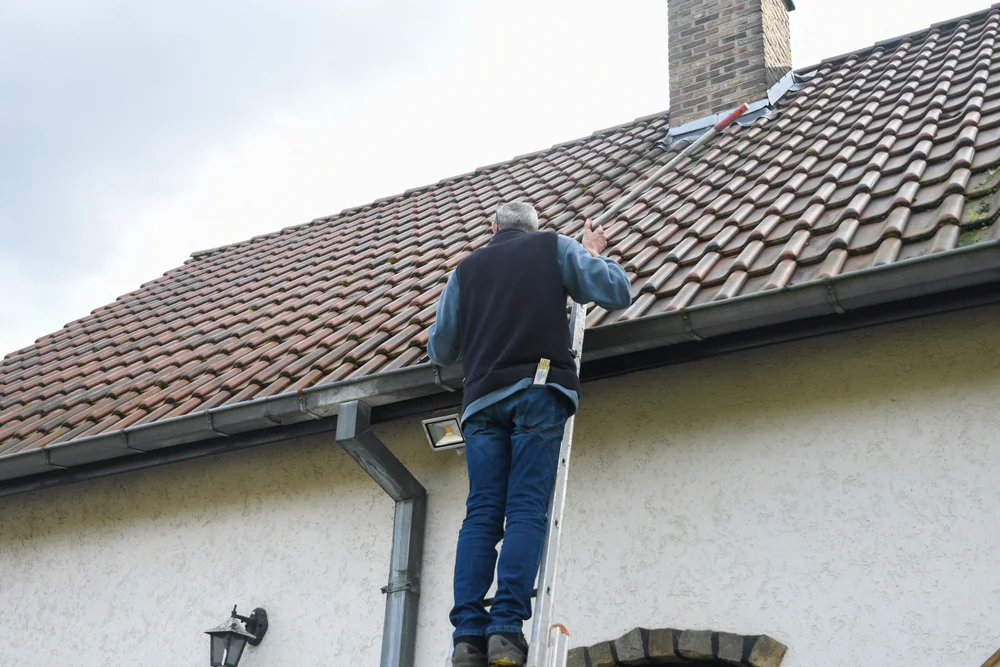
Once a year is the baseline for most homes. If your property has heavy tree cover, sits in a shaded area, or you’ve noticed mold growth in the past, twice a year makes more sense—once in late spring after winter damage and once in early fall before snow season.
Timing matters in New Hampshire. Spring cleaning after the thaw lets you address any damage from ice and snow before it gets worse. Fall cleaning removes organic buildup before it sits under snow all winter, where it breaks down your siding slowly.
If you’re seeing black streaks, green algae, or white chalky residue, don’t wait for your annual schedule. Those are signs of active growth that’s holding moisture against your siding right now.
Power washing uses high pressure to blast dirt off. Soft washing uses low pressure with cleaning solutions that actually kill what’s growing on your siding. The difference matters because high pressure can force water behind panels, crack seals, strip paint, or scar softer materials like wood or older vinyl.
Soft washing is safer and the results last longer. When you just blast mold off with high pressure, you’re removing the visible part but leaving the roots. It grows back within weeks. Soft washing kills it at the source, so your siding stays clean for months instead of weeks.
For vinyl siding in Hancock, NH, soft washing is the smarter choice. Your siding has seams, overlaps, and edges where high pressure can cause real damage. We use pressure below 1500 PSI and let the cleaning solution do the work, not the force of the water.
You can clean your own siding if you have the right equipment, know how to use it safely, and understand what cleaning solutions work for your siding type. Most homeowners don’t have all three, which is where problems start.
The biggest risk is using too much pressure or the wrong angle. Water forced behind siding causes rot, mold inside your walls, and expensive repairs. The second biggest risk is using the wrong cleaning solution—some products damage vinyl or strip protective coatings.
If you’re going to DIY, use a garden hose with a soft brush attachment and a cleaner specifically made for your siding type. Work from bottom to top when applying cleaner, top to bottom when rinsing. Never aim water upward under panel edges.
That said, professional cleaning costs less than fixing damage from improper DIY work. We have the right equipment, the right solutions, and insurance if something does go wrong. For most Hancock, NH homeowners, it’s worth having it done right the first time.
Permanent removal isn’t realistic because mold spores are always in the air—but you can eliminate current growth and prevent it from coming back quickly. The key is killing it at the root level, not just wiping it off the surface.
We use cleaning solutions designed specifically for mold and mildew removal. These solutions break down the organic matter and kill the growth completely. After cleaning, we can apply an anti-mold treatment that creates a protective barrier. This doesn’t make your siding mold-proof forever, but it significantly extends the time before you see growth again.
If mold keeps coming back in the same spots, that’s usually a sign of a moisture problem—poor drainage, a gutter issue, or inadequate ventilation. We’ll identify what’s causing recurring growth during our inspection. Sometimes the fix is simple, like redirecting a downspout. Sometimes it points to a bigger issue that needs attention before it causes structural damage.
Start with the obvious: cracks, holes, loose panels, or sections that look warped or buckled. Those are immediate problems. Then look for subtler signs—fading that’s uneven, chalky residue, or areas where the siding feels soft when you press on it.
Check around windows, doors, and corners where water tends to collect. Look at the bottom edge of your siding near the foundation—that’s where water damage and rot usually start. If you see gaps between panels or sections that don’t sit flush anymore, water’s probably getting behind them.
A proper siding inspection checklist also includes your trim, caulking, gutters, and downspouts because they all affect how your siding performs. Clogged gutters overflow onto siding. Failed caulk lets water into seams. Loose trim creates gaps where moisture enters.
When we inspect, we’re looking at the whole system—not just the siding itself. Most homeowners miss the early warning signs because they don’t know what to look for. By the time damage is obvious, repairs are more extensive and more expensive.
Clean siding doesn’t add square footage or upgrade your kitchen, but it absolutely affects what buyers are willing to pay. Curb appeal drives first impressions, and dirty, stained siding kills buyer interest before they even walk inside.
Real estate data shows that exterior projects have some of the highest ROI in home improvement—four of the top five ROI projects are exterior work, most returning over 90% of cost. Clean, well-maintained siding signals that the home has been cared for. Stained, moldy siding suggests neglect and makes buyers wonder what else has been ignored.
Even if you’re not selling soon, regular maintenance prevents the kind of damage that becomes expensive later. Replacing rotted sections or dealing with water intrusion behind your siding costs thousands. Annual cleaning costs hundreds. The math is simple—prevention is cheaper than repair, and your home looks better while you’re living in it.