Hear from Our Customers
You’re probably noticing higher heating costs, drafts near windows, or visible damage on your exterior walls. That’s your siding failing to do its job.
When siding works right, you stop worrying about moisture getting behind your walls. You’re not repainting every few years or dealing with warped panels after a hard winter. Your HVAC system isn’t working overtime to keep rooms comfortable.
Proper siding installation in Somerville, MA means choosing materials engineered for coastal weather patterns and temperature swings. Vinyl and fiber cement options can cut your heating and cooling costs by 5-30%, depending on your current setup. That’s real money back in your pocket, plus protection against the rot and mold that come from water infiltration.
You also get curb appeal that doesn’t fade after one season. Whether you own a triple-decker, a Victorian, or a commercial building, the right exterior upgrade makes your property look maintained and increases resale value significantly.
We’ve been handling exterior home remodeling in Somerville, MA since 2006. We’re licensed, insured, and ranked in the top 8% of Massachusetts contractors by BuildZoom.
We’ve worked on enough triple-deckers and multi-family buildings in this area to know what holds up and what doesn’t. Somerville’s weather is tough—salt air, ice dams, temperature swings from single digits to 90-plus in the same year. Your siding needs to handle all of it.
We’re an Owens Corning Preferred Contractor, which means we meet strict standards for installation quality and customer service. Our 5-star rating across 34+ reviews reflects how we operate: clear communication, no surprises, and work that lasts.
First, we come out and assess your current siding. We’re looking for visible damage, checking for moisture behind panels, and measuring energy loss. You’ll get a free siding estimate in Somerville, MA with a breakdown of material options, costs, and timelines.
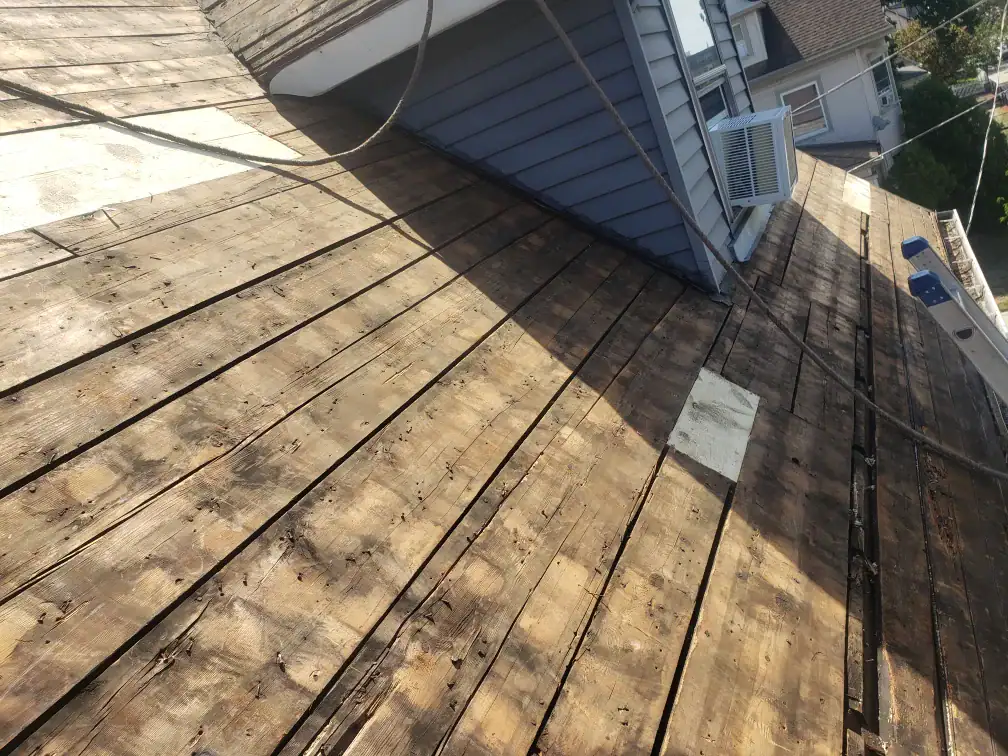
Once you’re ready to move forward, we handle permits and prep work. That includes removing old siding, inspecting sheathing for rot or damage, and making any necessary repairs before new material goes up. If we find issues, you’ll know before we proceed.
Installation starts with proper moisture barriers and insulation upgrades where needed. Panels go up with attention to expansion gaps, flashing around windows and doors, and secure fastening that won’t pull loose in high winds. We clean up daily and keep you updated on progress.
After completion, you get warranty information for both materials and labor. We’re responsive if anything comes up, even years later. Most customers don’t need us again, but when they do, we’re here.
Ready to get started?
You’re getting more than new panels on your walls. Every residential siding service in Somerville, MA includes a full inspection of your current exterior, removal and disposal of old materials, and any structural repairs needed before installation.
We use Premium Pointe and CertainTeed products designed for Massachusetts climate conditions. These materials don’t need painting or staining, they resist moisture and insect damage, and they’re manufactured with recycled content and low emissions. Fiber cement options like James Hardie HZ5 are specifically engineered for freeze-thaw cycles and coastal exposure.
For commercial properties, we coordinate around your business hours and tenants. Multi-family buildings get phased installations so residents aren’t disrupted all at once. You’ll also get updated flashing, trim work, and caulking around windows and doors to prevent air leaks.
Somerville homes built in the 60s through 80s often have multiple layers of old siding over original clapboards. We strip it down to sheathing, address any underlying issues, and install a single, properly ventilated system. That’s how you avoid callbacks and problems down the road.

Most full siding replacements in Somerville run between $8,000 and $24,000, depending on your home’s size, material choice, and how much prep work is needed. Vinyl siding is the most affordable option and delivers around 95% ROI. In Massachusetts, that ROI can hit 116% because of our climate demands and buyer expectations.
Fiber cement costs more upfront but lasts longer and handles fire, moisture, and impact better than vinyl. If your home has rot or structural damage under the old siding, you’ll need to budget for sheathing repairs before new material goes up.
We give you a detailed estimate after inspecting your property. No surprises, no upselling. You’ll know exactly what you’re paying for and why it matters.
Fiber cement and vinyl are your best options in Somerville, MA. Fiber cement like James Hardie HZ5 is engineered specifically for freeze-thaw cycles, coastal humidity, and temperature extremes. It won’t warp, crack, or rot, and it’s tough against fire and wind-driven rain.
Vinyl siding is lighter, less expensive, and requires zero maintenance. Modern vinyl products are UV-resistant and designed to expand and contract without buckling. If installed correctly with proper fastening and expansion gaps, vinyl holds up well through nor’easters and ice storms.
Wood siding looks great but demands regular maintenance in Massachusetts weather. You’re repainting or staining every few years to prevent moisture damage and insect problems. Most Somerville homeowners skip wood unless they’re restoring a historic property.
Most residential projects take one to two weeks, depending on the size of your home and weather conditions. We’re not working through heavy rain or freezing temperatures because moisture and extreme cold affect installation quality.
Prep work—removing old siding, repairing sheathing, installing moisture barriers—takes the most time. Rushing this part leads to problems later. Once prep is done, panel installation moves quickly.
For commercial projects in Somerville, MA, timelines depend on building size and whether we’re working around tenants or business hours. We’ll give you a realistic schedule upfront and keep you updated if anything changes.
Yes, if your current siding is old, damaged, or poorly insulated. Proper siding installation with updated insulation and moisture barriers can reduce heating and cooling costs by 5-30%. The exact savings depend on your home’s current condition and the materials you choose.
Air leaks around windows, doors, and panel seams make your HVAC system work harder. Drafts mean you’re paying to heat or cool the outdoors. New siding with proper flashing, caulking, and insulated backing stops those leaks.
Energy efficiency matters more in Massachusetts than in most states because of our temperature extremes. Buyers expect energy disclosures, and homes with updated siding and insulation sell faster and for more money. You’re investing in comfort now and resale value later.
If you’re seeing cracks, holes, warping, or peeling paint on more than 30% of your exterior, replacement makes more sense than patching. Isolated damage from a fallen branch or impact can be repaired, but widespread issues mean the material has reached the end of its lifespan.
Check for soft spots or rot behind panels. If moisture has gotten into your sheathing or framing, you need to address that before it spreads. Higher energy bills and drafts are also signs that your siding isn’t sealing your home properly.
We’ll assess your situation during the free estimate and tell you honestly whether repair or replacement is the smarter move. Sometimes a section can be fixed. Other times, you’re throwing money at a problem that’s only going to get worse.
Yes. We come out, inspect your property, and give you a detailed estimate at no cost. You’ll see material options, labor costs, timeline, and what’s included in the work. No pressure, no gimmicks.
During the estimate, we check for visible damage, measure your exterior, and ask about any specific concerns you have—drafts, moisture, curb appeal, energy costs. That helps us recommend the right materials and approach for your situation.
If you’re comparing contractors, make sure you’re comparing the same scope of work. Some estimates skip prep work, moisture barriers, or proper flashing. Cheap quotes often mean shortcuts that cost you more in repairs within a few years.