Hear from Our Customers
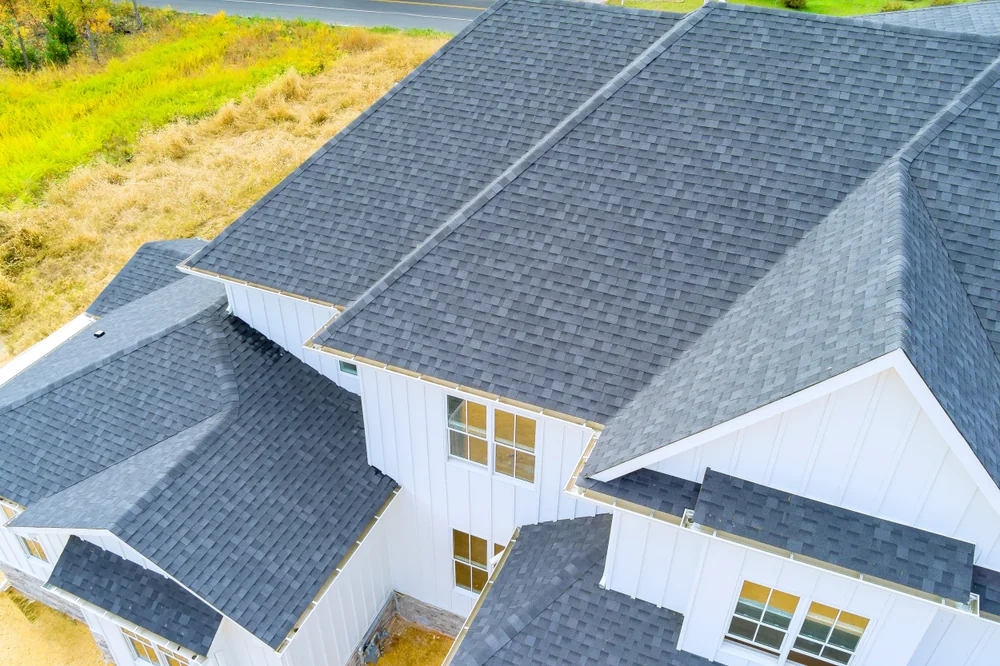
Your heating bill drops because cold air stops sneaking through gaps in old panels. Those ice dams that destroyed your deck railing last winter don’t form when insulated siding blankets your walls and stops heat from escaping through the studs.
You stop repainting every few years. Fiber cement and premium vinyl hold their color through sun, snow, and everything between. The curb appeal you’ve been putting off finally happens without the maintenance burden you’re dreading.
Storm damage gets handled before water soaks your interior walls. When wind rips panels loose or hail cracks the surface, you need someone who shows up, assesses the real damage, and replaces what’s compromised. Not next month. Now.
Your home value climbs enough to recoup about 80% of the project cost when you sell. But more immediately, you get a house that looks updated and performs like it should have from the start.
Paradise Remodeling Inc has spent seven years installing exterior home remodeling projects across New Hampshire. We’re licensed in Massachusetts (HIC #195972) and hold Owens Corning Preferred Contractor status, which means we meet requirements most contractors don’t bother with.
Hancock homeowners deal with specific weather patterns that demand specific solutions. Those three winter storms that dumped over a foot of snow across the I-95 corridor? Your siding either handled that moisture and freeze-thaw cycle, or it didn’t. We install materials that do.
Quality matters more than speed here. If proper installation means the job takes longer or costs a bit more, that’s what happens. You’re not paying for the cheapest option. You’re investing in fewer callbacks, fewer leaks, and siding that still looks right in ten years.
You schedule a free siding estimate in Hancock, NH. We show up on time, examine your current exterior, and identify what’s failing and why. If storm damage caused the problem, we document everything for insurance purposes.
We walk you through material options based on your actual needs, not our inventory. Vinyl works great if you want low maintenance and energy efficiency. Fiber cement handles impact better and holds up in high-wind areas. Wood gives you the aesthetic but requires more upkeep. We explain the real differences so you can decide what makes sense for your budget and timeline.
Once you approve the quote, we order materials and schedule installation. Our crew removes damaged or outdated panels, checks the underlying structure for moisture damage or rot, and repairs what’s needed before new siding goes up. Every panel gets aligned and sealed properly. No gaps. No shortcuts.
After installation, we clean up completely and walk you through maintenance recommendations. You get documentation of materials used, warranty information, and a contact for any questions down the road. If something doesn’t look right, we fix it before we leave.
Ready to get started?
You get a full exterior assessment that identifies weak points before they become expensive problems. We check for moisture intrusion, structural issues behind old siding, and insulation gaps that spike your energy bills. In Hancock, where winter temperatures regularly drop below freezing and summer humidity climbs, thermal bridging through wall studs can account for 25% of your heat loss. Insulated siding stops that.
Material selection covers vinyl, fiber cement, wood, and composite options in multiple colors and textures. We source from manufacturers who’ve increased recycled content by 33% and engineer products that don’t need painting or staining. If you’re upgrading for energy efficiency, we explain how insulation matters more than siding type, but both together deliver the best results.
Installation includes removal of old materials, structural repairs, proper sealing, and alignment that actually looks professional. We handle residential siding services and commercial siding projects with the same attention to detail. Storm damage repair happens fast because waiting just lets water do more damage.
You also get access to financing options, extended warranties, and maintenance packages that keep your investment protected. New Hampshire homeowners can apply for rebates up to $6,000 for energy-efficient improvements, and we help you navigate that process if your project qualifies.

Vinyl siding typically lasts 20 to 40 years in New Hampshire, but that range depends entirely on installation quality and material grade. Cheap vinyl installed poorly might crack within a decade when temperatures swing from summer heat to subzero winters. Premium vinyl with proper insulation backing handles freeze-thaw cycles without warping or splitting.
The real lifespan comes down to how well the siding resists moisture intrusion and UV exposure. New Hampshire gets both. Quality vinyl siding acts as a barrier against rain, snow, and sun damage while maintaining its color and structural integrity. If panels start fading, cracking, or pulling loose before 20 years, either the material was low-grade or the installation was rushed.
We install vinyl that’s engineered for durability in climates like Hancock’s. That means impact resistance for hail, flexibility for temperature changes, and fade resistance for long-term curb appeal. You shouldn’t need to replace siding every 15 years if it’s done right the first time.
Siding alone won’t dramatically cut your heating costs, but insulated siding combined with proper wall insulation absolutely will. The issue isn’t the siding material itself. It’s the thermal bridging that happens when heat escapes through wall studs, which can represent up to 25% of your exterior wall surface. Standard siding does nothing to stop that.
Insulated siding blankets the outside of your walls and limits energy loss through those studs. Homeowners in Hancock who upgraded from old, uninsulated siding to insulated vinyl or fiber cement report noticeable improvements in comfort and heating efficiency. One customer mentioned they no longer get 8 to 10-foot icicles on their back roof because heat isn’t escaping and melting snow that refreezes into massive ice dams.
If you want real energy savings, focus on insulation first, then add quality siding that seals properly. Gaps around windows, doors, and panel seams let cold air infiltrate even if your insulation is perfect. We make sure everything fits tight and performs together. That’s when you see the difference in your energy bills.
Fiber cement handles impact and fire resistance better than vinyl, but it costs more and requires occasional repainting. Vinyl offers lower maintenance, better moisture resistance, and easier installation, but it can crack in extreme cold if it’s low-quality material. Both work in Hancock’s climate if installed correctly.
Fiber cement like James Hardie siding is dense, durable, and holds up against hail, wind-driven debris, and woodpecker damage that vinyl might not withstand. It also resists rot and pests better than wood siding. The tradeoff is weight and cost. Fiber cement is heavier, requires more labor to install, and needs repainting every 10 to 15 years to maintain appearance.
Vinyl siding dominates the market with a 46% preference because it’s affordable, low-maintenance, and performs well in freeze-thaw cycles when properly installed. Premium vinyl doesn’t need painting, resists moisture without rotting, and comes in colors and textures that mimic wood or smooth finishes. For most Hancock homeowners, insulated vinyl delivers the best balance of performance, cost, and longevity. If you’re in a high-wind area or want maximum impact resistance, fiber cement makes more sense.
We typically assess storm damage within 24 to 48 hours and start repairs within a week, depending on material availability and the extent of damage. When severe weather hits Hancock, multiple homes need help at once, so response time depends on how many projects are ahead of you. But we don’t make you wait weeks while water soaks into your walls.
Storm damage repair starts with documentation for insurance claims if needed. We photograph the damage, identify what caused it (wind, hail, falling branches), and provide a detailed estimate that your insurance adjuster can review. Once approved, we order matching materials or upgrades if your current siding is discontinued.
Emergency repairs happen faster if panels are actively leaking or exposing your interior to weather. We’ll temporarily seal the area, then schedule full replacement when materials arrive. The goal is stopping further damage immediately, then restoring your exterior properly. Hancock’s weather doesn’t wait, and neither should your repairs.
Yes. We provide free in-home siding estimates in Hancock, NH with no obligation to move forward. The estimate includes a full exterior inspection, material recommendations based on your home’s specific needs, and a detailed quote that breaks down labor and materials separately if you prefer that transparency.
During the estimate, we identify existing problems like moisture damage, insulation gaps, or structural issues that need addressing before new siding goes up. If your current siding is just outdated but still functional, we’ll tell you that too. You’re not getting a sales pitch designed to create urgency. You’re getting an honest assessment of what your home needs and what it’ll cost.
We also explain warranty coverage, financing options, and realistic timelines so you can plan accordingly. Some contractors give vague estimates and adjust pricing later. We don’t. The quote you receive is what you’ll pay unless you change the scope of work or discover hidden damage once old siding comes off. That’s rare, but it happens, and we document everything if it does.
Vinyl and fiber cement siding need occasional cleaning to remove dirt, mildew, and pollen buildup, but that’s about it if installation was done right. Wood siding requires more attention with regular inspections for rot, repainting every few years, and sealing gaps that develop as the material expands and contracts.
For vinyl, you’re looking at an annual rinse with a garden hose or pressure washer on low setting to keep it looking clean. Check caulking around windows and doors every couple of years and reseal if gaps appear. Inspect for cracks or loose panels after major storms, especially if you had high winds or hail. Most quality vinyl siding handles New Hampshire weather without needing repairs for decades.
Fiber cement needs repainting every 10 to 15 years depending on sun exposure and color fade. Inspect for cracks annually and recaulk joints where moisture might penetrate. Wood siding demands the most maintenance with yearly inspections for rot, insect damage, and paint failure. If you’re not interested in ongoing upkeep, vinyl or composite materials make more sense for Hancock’s climate. We offer maintenance packages if you’d rather have professionals handle inspections and minor repairs instead of doing it yourself.