Hear from Our Customers
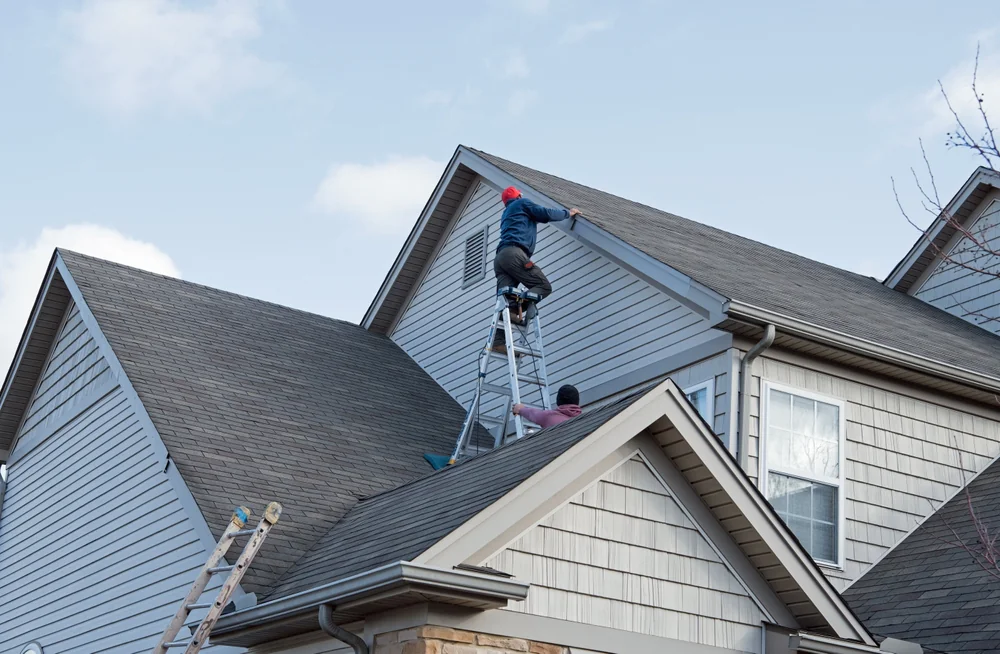
You’re not looking for a temporary fix. You need a roof that holds up through Massachusetts winters—the ice, the wind, the heavy snow that sits there for weeks.
When your roof starts leaking or showing wear, it’s not just about shingles. It’s about protecting everything underneath: your ceilings, your insulation, your family’s comfort. A small leak today becomes water damage, mold, and expensive interior repairs tomorrow.
We handle roof repairs the way they should be done: thorough inspections, honest assessments, and work that lasts. Whether it’s storm damage, worn flashing, or aging shingles that need attention, you get a repair that extends your roof’s life instead of just buying you a few months. No shortcuts. No “we’ll see how it holds up.” Just solid work that keeps your home dry.
We’ve spent 18 years working on homes across Wakefield and the North Shore. We’re not new to this area, and we’re not learning on your roof.
We’re an Owens Corning Preferred Contractor, which means we meet strict standards for quality and service. That certification isn’t handed out—it’s earned through consistent work and customer satisfaction. We’ve built our reputation on being responsive, transparent about pricing, and finishing jobs when we say we will.
Wakefield homeowners deal with tough weather. The freeze-thaw cycles, the nor’easters, the ice dams that form when temperatures drop—we’ve seen it all and know exactly how to address it. You’re working with a local contractor who understands what your roof is up against.

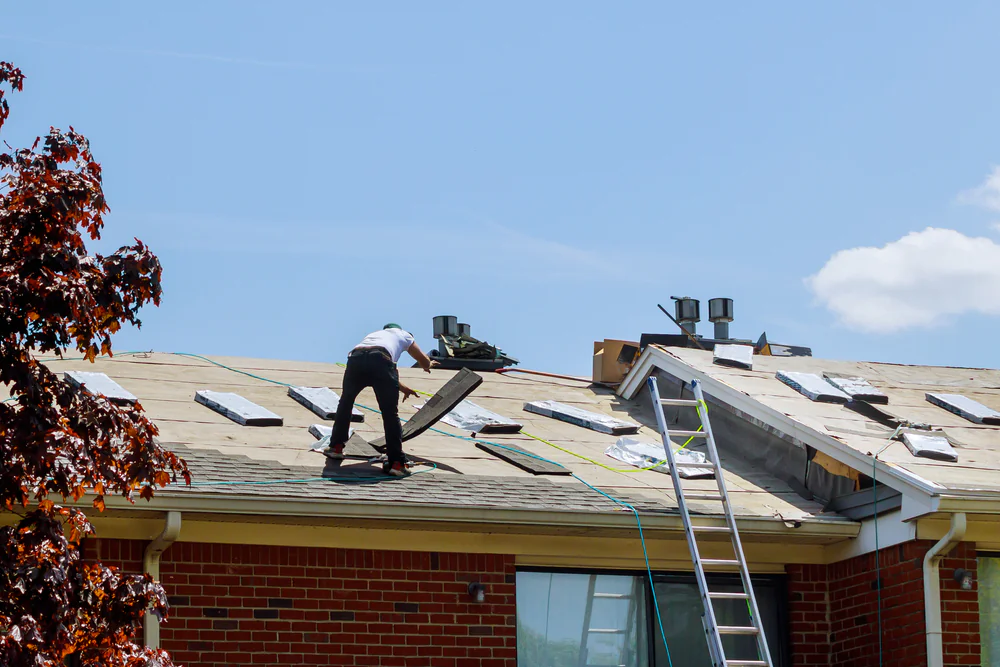
First, we come out and inspect your roof. Not a quick glance from the ground—an actual inspection where we check shingles, flashing, valleys, and any spots that typically fail first. We look for current damage and potential problems that could cause issues down the line.
Then we give you a clear explanation of what’s wrong and what it’ll take to fix it. You get a straightforward quote with no hidden fees or surprise additions later. If you’ve got options—repair vs. replace, different material choices—we walk through those so you can make an informed decision.
Once you approve the work, we schedule it and show up on time. We complete the repair efficiently, clean up the site completely, and make sure everything’s sealed and secure. You’re not left wondering if it’s done right—we walk you through what we did and answer any questions before we leave.
Ready to get started?
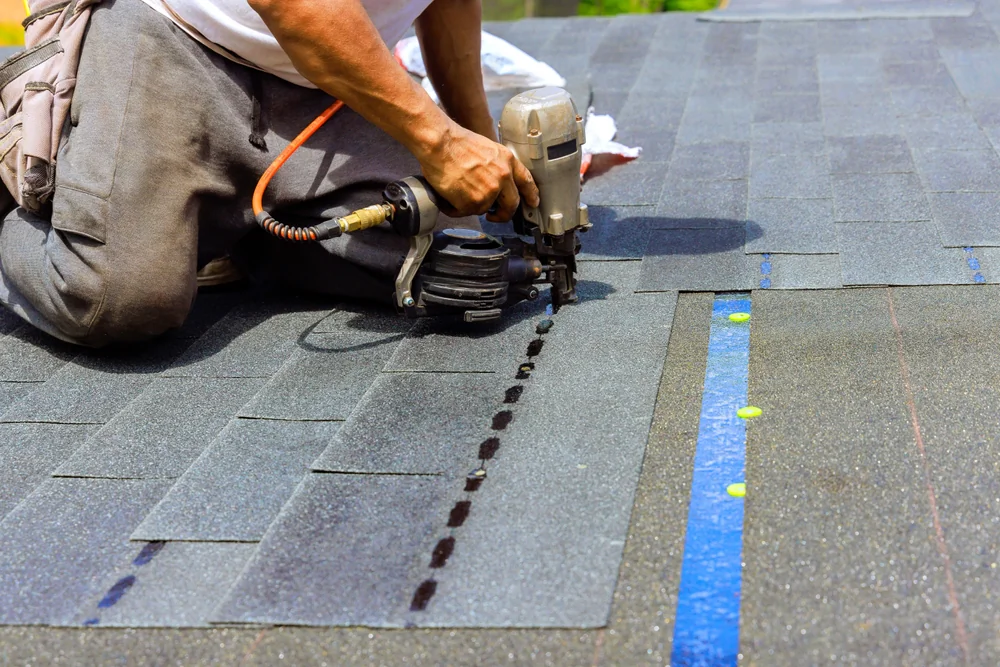
We handle everything from minor leak repairs to major storm damage restoration. That includes shingle replacement, flashing repairs, valley work, and addressing any structural issues we find during inspection. If your roof needs carpentry work or deck repairs underneath, we handle that too—no need to coordinate multiple contractors.
Wakefield sees its share of weather damage. Heavy snow loads can stress older roofs, and ice dams are a constant winter threat. We’re equipped to handle emergency repairs when storms hit, and we know how to prevent recurring problems that come from our local climate.
We use quality materials—Owens Corning Duration Shingles, Mule Hide products—that hold up in New England weather. You’re not getting builder-grade materials that’ll need attention again in two years. We also take on small jobs that other contractors turn down, so if you just need a few shingles replaced or a flashing issue fixed, we’ll do it right.

It comes down to the extent of damage and your roof’s age. If you’re dealing with localized damage—a few missing shingles, a leak in one area, damaged flashing—repair usually makes sense and can add years to your roof’s life.
If your roof is over 20 years old, has widespread shingle deterioration, multiple leak points, or sagging areas, replacement is typically the better investment. Continuing to patch an aging roof often means throwing money at a problem that’s only going to get worse.
We’ll inspect your roof and give you an honest assessment. If repair will genuinely solve the problem and give you several more years, we’ll tell you that. If you’re better off replacing it now rather than spending money on repairs that won’t last, we’ll tell you that too. You’ll get the information you need to make the right call for your situation and budget.
For active leaks, we prioritize getting someone out fast—usually within 24 to 48 hours, depending on weather and our current schedule. We understand that a leaking roof isn’t something you can wait on while water damages your home.
When we arrive, we’ll assess the damage and determine if we can complete the repair immediately or if we need to do temporary weatherproofing while we order materials. Many repairs can be completed in a day once we’re on site, especially if it’s shingle replacement or flashing work.
Weather does affect timing, particularly in winter. We can’t safely work on roofs during ice storms or when conditions are dangerous, but we’ll communicate clearly about timing and do everything possible to minimize your wait. Emergency situations get bumped to the front of the line because we know you can’t afford to let water keep coming in.
Ice dams are the biggest culprit in this area. When heat escapes through your roof, it melts snow that then refreezes at the roof’s edge, creating a dam that forces water under your shingles. Poor attic insulation and ventilation make this worse, which is why we often address those issues during repairs.
Storm damage from high winds and heavy snow is another common problem. Nor’easters can rip off shingles or damage flashing, and the weight of wet snow can stress older roof structures. We also see a lot of wear around chimneys, skylights, and valleys where water naturally concentrates.
Age and normal wear matter too. Asphalt shingles typically last 20 to 25 years in New England, but sun exposure, temperature swings, and weather gradually break them down. If your roof is approaching that age and you’re starting to see granule loss, curling, or cracking, it’s time to have it inspected before small issues become big ones.
It varies widely based on the scope of damage and what needs fixing. A minor repair—replacing a few shingles or fixing a small flashing issue—might run a few hundred dollars. More extensive repairs involving multiple areas, structural work, or significant storm damage can run into the thousands.
We provide transparent quotes before starting any work, so you know exactly what you’re paying for. There are no hidden fees or surprise charges when the job’s done. The quote includes materials, labor, and any additional work we identify during inspection that’s necessary to properly fix the problem.
Keep in mind that delaying repairs almost always costs more in the long run. A small leak that damages insulation, drywall, and framing turns a simple repair into a major restoration project. Getting it fixed quickly when you first notice a problem is always the most cost-effective approach. We’re happy to walk through your options and help you understand what makes sense for your budget and your roof’s condition.
Yes, we work with homeowners on insurance claims regularly. We can document the damage, provide detailed estimates, and communicate with your insurance adjuster to make sure everything’s properly assessed.
After a major storm, we’ll inspect your roof and provide photos and documentation of all damage. This gives you what you need to file your claim accurately. If the adjuster wants to meet on site, we can be there to walk through the damage and explain what repairs are necessary.
We don’t handle the claim filing itself—that’s between you and your insurance company—but we make the process easier by providing professional assessments and clear repair plans. Once your claim is approved, we complete the work according to the agreed scope and make sure everything meets both insurance requirements and building codes. We’ve done this enough times to know how to navigate the process smoothly.
Ice dam prevention involves more than just roof repair—it requires addressing ventilation and insulation issues that cause the problem in the first place. When we repair your roof, we can identify these underlying causes and recommend solutions that actually work.
Proper attic ventilation keeps your roof deck cold in winter, which prevents snow from melting and refreezing at the edges. We can install or improve ridge vents, soffit vents, and baffles that create consistent airflow. Better insulation in your attic also stops heat from escaping through the roof, which is often the root cause of ice dam formation.
During repairs, we can also install ice and water shield in vulnerable areas—valleys, eaves, and around penetrations—that provides an extra layer of protection if ice dams do form. This won’t stop ice dams entirely if ventilation and insulation aren’t addressed, but it prevents water from getting under your shingles when ice builds up. We’ll give you a complete picture of what’s causing the problem and what it takes to fix it long-term.