Hear from Our Customers

Your heating bills drop because modern siding materials actually insulate instead of letting cold air seep through every gap. You stop worrying about water damage behind your walls when it rains. The constant repainting, scraping, and patching becomes someone else’s problem.
Fiber cement siding installation gives you decades of protection without the upkeep wood demands. Vinyl siding installation costs less upfront and still delivers serious durability against New England winters. Either way, you’re looking at better curb appeal, lower maintenance, and real protection for your investment.
This matters in Wakefield, where those Victorian-era homes and worker cottages weren’t built with today’s weather extremes in mind. Your home needs a shield that can handle what Massachusetts throws at it. New siding does that job right.
We’ve been handling exterior projects across Massachusetts for nearly two decades. We’re licensed, insured, and rated as an Owens Corning Preferred Contractor. That means we meet strict requirements most contractors don’t bother with.
Wakefield homeowners need contractors who understand how this town’s mix of historic and modern homes requires different approaches. We’ve worked on everything from Lake Quannapowitt-area properties to homes near the Hartshorne Woods. Quality matters more than speed, and we don’t cut corners to finish faster.
You’ll work with the same crew from start to finish. No subcontractors showing up unannounced. Just experienced installers who know what proper house wrapping, flashing, and ventilation look like in practice.
First, we inspect your current exterior to check for underlying damage. If your sheathing has rot or your walls need structural fixes, you’ll know before we start. No surprises halfway through the job.
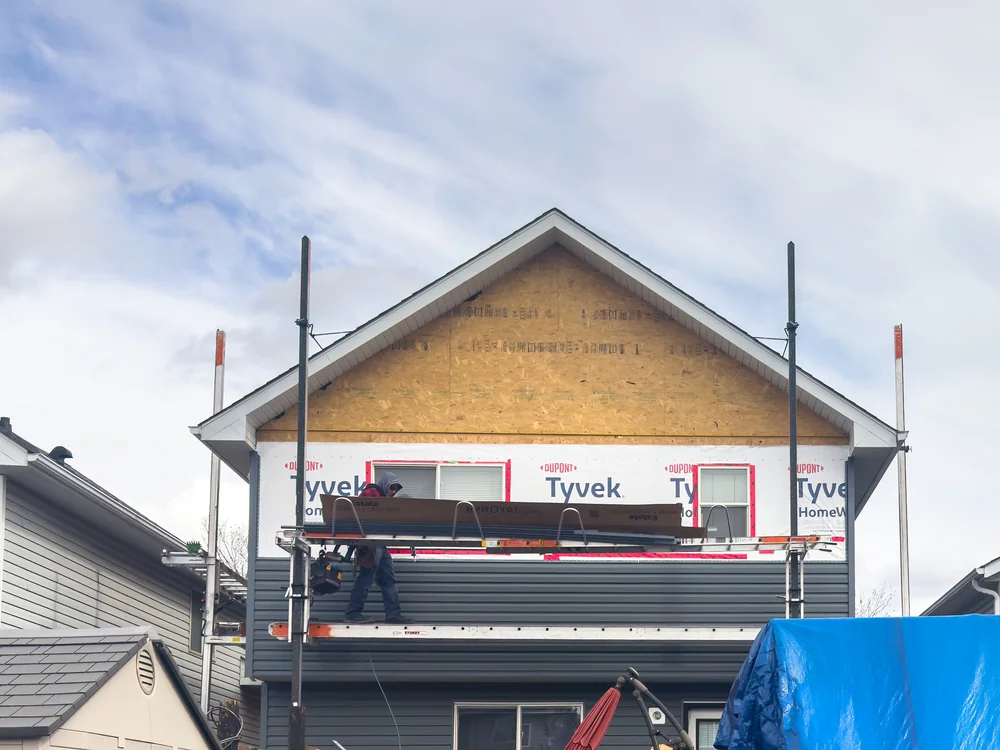
Next comes proper preparation. We install house wrapping and flashing to create a weather barrier behind your new siding. This step protects your walls from moisture that would otherwise cause mold and rot. We can also add a rain screen if your home would benefit from extra airflow between the sheathing and siding.
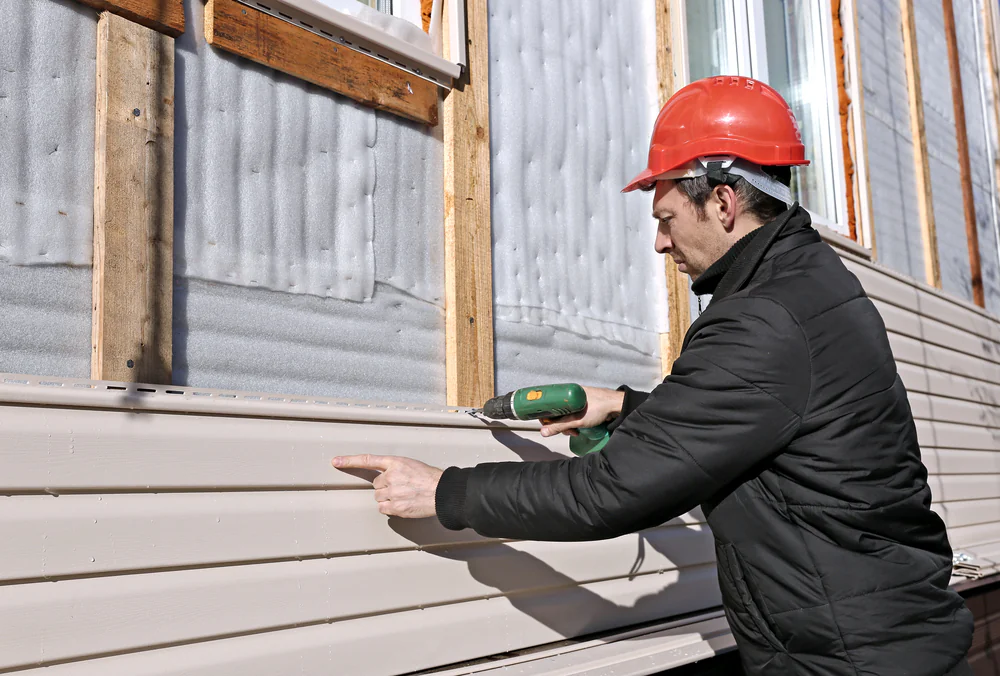
Then we install your chosen material—whether that’s vinyl, James Hardie fiber cement, or another option. Every panel gets secured correctly, with proper spacing for expansion and contraction. Corners, trim, and transitions get sealed right. The crew stays until the job is complete, then cleans up completely before leaving.
Ready to get started?
You get materials engineered for Massachusetts weather. James Hardie fiber cement comes from their HZ5 product line, specifically designed for climates with freezing temperatures, extreme seasonal swings, and snow loads. It won’t warp when temperatures drop or crack when they spike.
You get real energy efficiency. Up to 25% of your home’s energy escapes through old or poorly installed siding. Foam-backed options lock in warmth during Wakefield’s brutal winters and keep cool air inside during humid summers. Your HVAC system works less, and your bills reflect that.
You get warranties that mean something. James Hardie fiber cement includes a 30-year transferable warranty on materials and installation, plus a 15-year finish warranty covering cracking, peeling, and fading. Vinyl siding comes with strong manufacturer backing too. Either way, you’re covered if something goes wrong.
The ROI matters here. Vinyl siding replacement in this region costs around $16,348 with a 95% return on investment. Fiber cement runs about $19,361 with an 88% ROI. Both options pay you back when you sell, and both deliver immediate benefits while you’re living there.
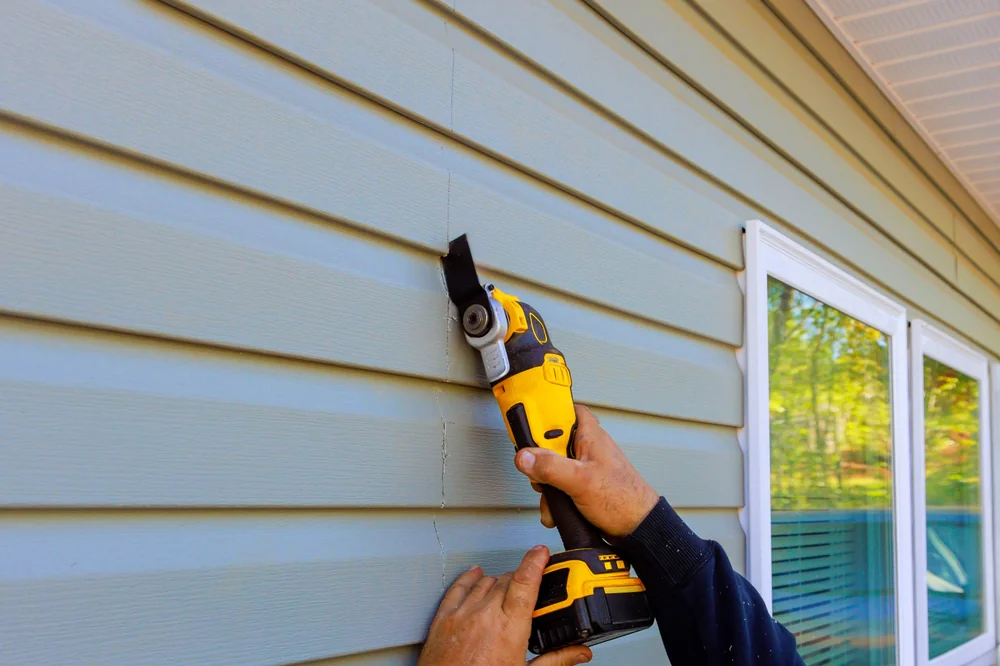
Most residential projects take one to two weeks depending on your home’s size and complexity. A standard 2,000 square foot house usually wraps up in about a week and a half with a full crew working consistently.
Weather can extend timelines since we won’t install in heavy rain or extreme cold. Wakefield’s unpredictable spring weather sometimes means we pause for a day or two. We’d rather wait than compromise the installation quality.
If we discover underlying damage during the prep phase, that adds time too. Rotted sheathing or structural issues need fixing before new siding goes up. We’ll tell you upfront if we find problems and give you a revised timeline before proceeding.
Vinyl costs less upfront and requires almost zero maintenance. It won’t rot, and it resists pests naturally. Modern vinyl doesn’t fade like older versions did, and it handles New England weather well. The downside is it can crack in extreme cold and won’t hold up to fire like other materials.
Fiber cement costs more initially but outlasts vinyl by years. James Hardie siding is 90% sand and cement, so it’s non-combustible and won’t melt, warp, or feed a fire. It resists woodpeckers, insects, and impact damage better than any other siding material. The ColorPlus finish is baked on in a factory, so it resists fading, chipping, and peeling far longer than paint.
Your choice depends on budget and priorities. If you want the lowest maintenance option with excellent durability, vinyl works. If you want maximum fire resistance, longevity, and the best warranties available, fiber cement makes sense despite the higher cost.
Look for visible cracks, holes, or warping. Even small gaps let moisture behind your walls, leading to mold and structural rot. If panels are buckling or pulling away from the house, that’s a clear sign the material has failed.
Check your energy bills. If they keep climbing despite no changes in your usage, your siding probably isn’t insulating properly anymore. Drafts near exterior walls confirm this. You’re paying to heat or cool the outdoors.
Interior damage tells the story too. Peeling wallpaper, bubbling paint, or mold inside your home often means siding failure is letting water penetrate. If you’re repainting constantly or your siding looks faded and dull, the material has likely reached the end of its lifespan. Most siding lasts 20-40 years depending on the type, so age matters.
Yes, and this step matters more than most homeowners realize. House wrapping creates a weather-resistant barrier between your sheathing and siding. Without it, wind-driven rain seeps behind your siding and soaks into your walls. That’s how you get mold, rot, and structural damage.
We install proper flashing around windows, doors, and corners to direct water away from vulnerable spots. This prevents the most common failure points in siding systems. We also make sure the wrap overlaps correctly and gets sealed at all seams.
For homes that would benefit from it, we recommend adding a rain screen. This creates an air gap between the sheathing and siding, allowing moisture to escape and preventing humidity buildup. It adds five to ten years to your siding’s lifespan. Not every home needs it, but in Wakefield’s climate, it’s often worth the investment.
Vinyl siding installation typically runs between $9,000 and $14,000 for a 2,000 square foot home in this area. Fiber cement siding costs more, usually between $15,000 and $25,000 for the same size house. Smaller projects or partial replacements start around $1,200 to $2,800.
Your actual cost depends on your home’s size, the material you choose, and how much prep work is needed. If we find rotted sheathing or structural damage, repairs add to the total. Complex architectural details, multiple stories, and difficult access increase labor costs too.
The ROI justifies the expense. You’ll recoup 88-95% of your investment when you sell, depending on the material. While you’re living there, you get lower energy bills, zero maintenance headaches, and real protection against weather damage. Most homeowners break even on energy savings alone within 10-15 years.
James Hardie engineers their products specifically for regional climates through their HardieZone system. Massachusetts falls under HZ5, which means the siding is formulated to handle freezing temperatures, extreme seasonal temperature swings, and snow loads. Other brands use one formula nationwide, which doesn’t perform as well here.
The ColorPlus finish gets applied in a controlled factory environment and baked on. It resists chipping, cracking, peeling, and fading better than field-applied paint or competitor finishes. You won’t need to repaint for 15 years minimum, and often much longer.
The warranties back up these claims. You get 30 years on materials and installation, 15 years on trim, and 15 years on the ColorPlus finish. Those are transferable if you sell your home. Most other fiber cement brands offer shorter coverage with more exclusions. James Hardie costs slightly more, but the performance and warranty protection justify the difference.