
Hear from Our Customers
Your siding takes a beating in Massachusetts. Between the humid summers that breed mold and mildew and the harsh winters that crack and warp neglected surfaces, your exterior is under constant attack. Most homeowners don’t think about their siding until green streaks show up or they’re getting quotes for a $20,000 replacement.
Regular siding maintenance in Wakefield, MA changes that equation completely. You’re looking at years added to your siding’s lifespan, which means delaying that massive replacement cost. Your home keeps its curb appeal instead of becoming the eyesore on the block with black streaks running down the sides.
The difference between a $300 annual cleaning and a $20,000 replacement isn’t subtle. When you catch mold early through routine inspection, you’re dealing with a simple wash. Wait too long, and you’re looking at remediation costs that make you wish you’d just paid attention earlier. Your property value stays strong because buyers see a well-maintained home, not a project they’ll need to fix.
We’ve been handling siding work across the North Shore since 2006, officially incorporated in 2012. We rank in the top 8% of over 139,000 licensed Massachusetts contractors according to BuildZoom, and we’re an Owens Corning Preferred Contractor, which means we meet standards most companies can’t.
Wakefield homes face specific challenges. You’re close enough to the coast to deal with salt air, you’ve got plenty of tree coverage in established neighborhoods that creates shade and moisture, and you get the full Massachusetts weather experience. We know what vinyl siding in Wakefield actually goes through because we’ve been cleaning, inspecting, and maintaining it for years.
You’re not hiring a national franchise that sends whoever’s available. You’re working with a local contractor who understands that your 1950s colonial needs different attention than new construction, and who knows that the homes near Lake Quannapowitt deal with extra humidity that accelerates mold growth.
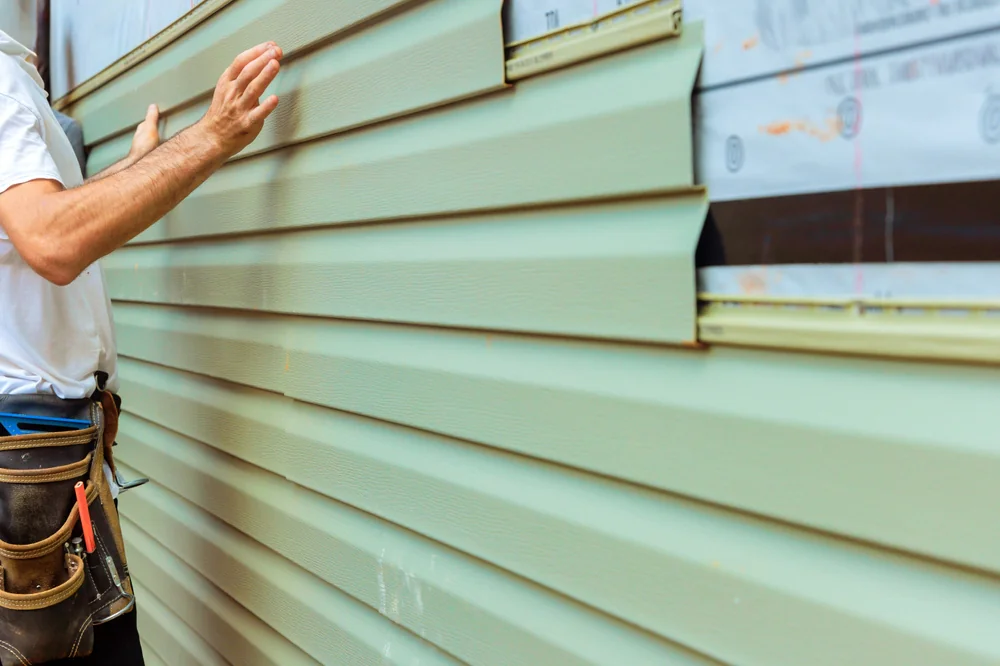
We start with a complete siding inspection checklist in Wakefield, MA. That means walking your property and looking for cracks, warping, loose panels, failed caulking, and any signs of moisture intrusion or pest damage. You need to know what’s actually wrong before you start spraying water at your house.
Next comes the cleaning decision: power washing vs soft washing. Most vinyl siding needs soft washing, which uses low-pressure water under 50 psi combined with biodegradable cleaning solutions. This method kills mold and mildew down to the spores without blasting holes in your siding or forcing water behind the panels where it causes rot.
The cleaning process covers your entire exterior, paying extra attention to north-facing walls and shaded areas where organic growth thrives. We’re not just removing surface dirt. We’re eliminating the organisms that eat away at your siding and create those black streaks that won’t come off with a garden hose.
After cleaning, we do a final inspection to catch anything that needs repair. Small fixes now prevent big problems later. You get a clear picture of your siding’s condition and recommendations for when you’ll need service again, typically once or twice a year depending on your property’s exposure and the amount of tree coverage you’re dealing with.
Ready to get started?
You’re getting a thorough exterior inspection that identifies problems before they become expensive. We check every accessible panel, all caulking and seams, corners, trim, and areas around windows and doors where water intrusion typically starts.
The cleaning process removes algae, mold, mildew, dirt, pollen, and organic staining that builds up on vinyl siding in Wakefield, MA. We’re using professional-grade equipment and solutions that actually work, not the hardware store pressure washer that damages more than it cleans. Massachusetts’ humid climate creates perfect conditions for organic growth, which is why homes here need more frequent attention than properties in drier states.
You also get mold and mildew removal that goes beyond surface cleaning. Our soft washing method kills growth at the spore level, which means your siding stays cleaner longer. This isn’t a quick spray-and-go job. We’re treating your exterior properly so you’re not calling us back in three months because the black streaks returned.
After service, you know exactly what condition your siding is in and what to watch for. If we spot areas that need repair or replacement, you hear about it while the problem is still manageable. Most homeowners in Wakefield benefit from annual maintenance, though properties with heavy tree coverage or high humidity exposure may need twice-yearly service to stay ahead of organic growth.
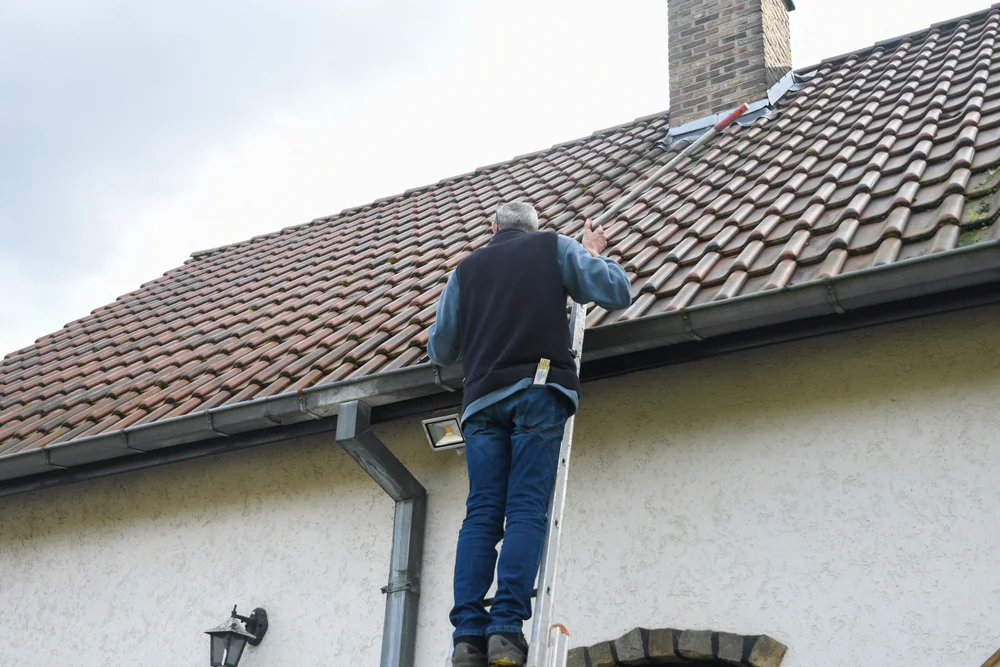
Most Wakefield homes need professional siding maintenance once a year, typically in spring after winter damage becomes visible. That’s the baseline for properties with average sun exposure and moderate tree coverage.
If your home sits in a heavily wooded area or on the shaded side of the street, you’re dealing with more moisture and less sunlight, which accelerates mold and mildew growth. Those conditions usually mean twice-yearly cleaning makes more sense. Same goes for homes near Lake Quannapowitt or other water features where humidity stays higher.
You’ll know you’ve waited too long when you see green or black streaks that won’t wash off with a garden hose, or when you notice your siding looks dingy even after rain. At that point, the organic growth has established itself and needs professional treatment. The goal is to clean before you see visible problems, which extends your siding’s lifespan and keeps maintenance costs low.
Power washing uses high-pressure water, typically 1,300 to 3,000 psi, which is way too aggressive for vinyl siding. That pressure can crack panels, force water behind your siding where it causes rot, and create dents or warping that you’ll be staring at for years. DIY power washing is one of the most common ways homeowners accidentally damage their exteriors.
Soft washing uses low-pressure water under 50 psi combined with specialized cleaning solutions that do the actual work. The solution kills mold, mildew, algae, and other organic growth at the spore level, then the gentle rinse removes everything without damaging your siding. This method cleans more thoroughly and the results last longer because you’re eliminating the organisms, not just blasting them loose.
For vinyl siding in Wakefield, MA, soft washing is the right choice almost every time. It’s what we use because it works without creating problems. You get a cleaner exterior that stays clean longer, and you’re not risking thousands in damage from excessive pressure. The only time high pressure makes sense is on concrete or brick, not vinyl.
You can clean your own siding if you have the right equipment, understand proper techniques, and you’re comfortable working on a ladder. The problem is most homeowners don’t have soft washing equipment, they rent a pressure washer that’s too powerful, and they end up causing damage that costs more to fix than professional cleaning would have cost in the first place.
Vinyl siding seems durable, but improper cleaning techniques create real problems. Too much pressure cracks panels or forces water into wall cavities. The wrong cleaning solution can discolor or degrade the vinyl. Missing spots during cleaning means mold continues growing in those areas. And if you’re not inspecting while you clean, you’re missing early warning signs of damage that will get worse.
Professional siding maintenance in Wakefield, MA costs around $300 for most homes, which is extremely affordable compared to the risk of DIY damage. You’re also getting a trained eye looking at your entire exterior, catching problems you wouldn’t notice, and using methods that actually extend your siding’s lifespan. If you’re confident in your abilities and you have proper equipment, you can handle basic cleaning. But for thorough maintenance that protects your investment, professional service makes more sense.
Any mold on your siding needs attention, but the severity depends on how established it is and whether it’s just surface growth or a sign of moisture problems behind the panels. Light green or black streaks that appeared recently are surface mold that responds well to professional cleaning. That’s the stage where treatment is simple and inexpensive.
Heavy mold coverage, especially if it’s spreading quickly or returning shortly after cleaning, suggests moisture is getting behind your siding. That’s a bigger problem because it means water intrusion is feeding the growth, and you’re likely dealing with rot or structural damage that won’t be visible until you remove panels. If you see mold concentrated around specific areas like windows, doors, or corners, that’s often where water is getting in.
The health concern is real but often overstated. Exterior mold isn’t usually affecting your indoor air quality unless it’s growing inside your walls. The bigger issue is what that mold is doing to your siding and the structure behind it. Massachusetts’ humid climate means mold and mildew removal in Wakefield, MA should happen as soon as you notice growth. Catching it early keeps the problem at the surface level where it’s easy to fix. Ignoring it means you’re eventually looking at siding replacement and possible structural repairs.
Start with obvious damage: cracks, holes, warping, or panels that are loose or pulling away from the house. Those are immediate problems that let water and pests into your walls. Check all caulking around windows, doors, corners, and trim. Failed caulk is one of the most common entry points for moisture.
Look for discoloration, fading, or chalky residue on your siding. Some fading is normal over time, but uneven fading or sudden changes can indicate manufacturing defects or improper installation. Check for mold, mildew, and algae growth, especially on north-facing walls and shaded areas. Green or black streaks mean organic growth has established itself and needs professional treatment.
Pay attention to areas where different materials meet, like where siding connects to brick, stone, or trim. Those transitions are vulnerable spots where water intrusion often starts. Inside your home, look for water stains on walls or ceilings near the exterior, which suggest your siding is failing to keep moisture out. A complete siding inspection checklist in Wakefield, MA should happen at least annually, ideally in spring when winter damage becomes apparent. If you’re not sure what you’re looking at, professional inspection catches problems you’d miss and gives you a clear picture of what needs attention now versus what can wait.
The math is straightforward. Professional cleaning vinyl siding in Wakefield, MA costs around $300 annually. Full siding replacement runs $20,000 or more depending on your home’s size and the materials you choose. If regular maintenance extends your siding’s lifespan by even three years, you’ve saved thousands compared to premature replacement.
Vinyl siding is built to last 20 to 40 years with proper care. Without maintenance, you’re looking at the lower end of that range or worse. Mold and mildew eat away at the material. Dirt and organic growth trap moisture against the surface, accelerating degradation. Small cracks that could have been repaired become major failures that require panel replacement. All of that happens faster when you’re not paying attention.
The real savings come from catching problems early. A $50 caulking repair now prevents water intrusion that causes hundreds or thousands in rot damage later. Annual cleaning removes the organic growth that would otherwise shorten your siding’s lifespan. Regular inspection means you’re replacing individual damaged panels instead of entire walls. Homeowners who maintain their siding properly get decades of service. Those who ignore it end up replacing everything far sooner than necessary. The choice is pretty clear when you look at actual costs.