Hear from Our Customers
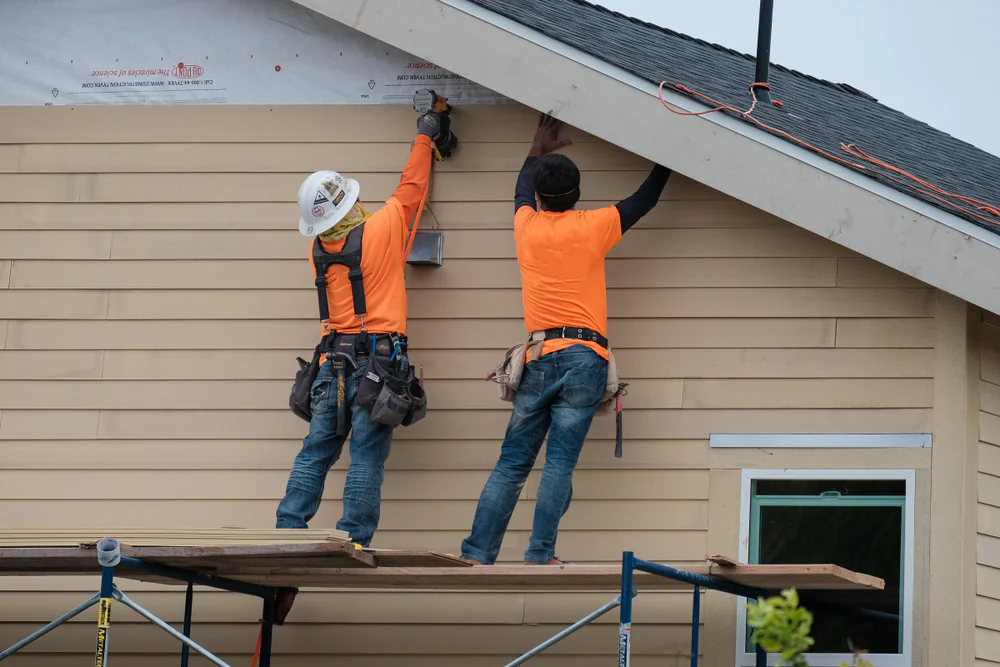
Your home stops leaking. The patched section blends in instead of sticking out like a sore thumb. And you’re not wondering if water’s been seeping behind the panels for months, rotting out your sheathing.
That’s what proper siding repair in Raymond, NH actually delivers. Not just cosmetic coverage, but real protection that keeps moisture out and your home’s structure intact. Whether you’re dealing with hail damage siding from last month’s storm or warped siding repair from years of sun exposure, the fix needs to address what’s underneath—not just what you see from the curb.
Most homeowners don’t realize how much damage can hide behind a small crack. Wind lifts edges. Water finds its way in. By the time you notice interior stains, you’re looking at insulation replacement and framing repairs on top of the siding work. Catching it early and fixing it right saves you thousands down the road.
We work throughout Raymond and the surrounding seacoast area, handling everything from small vinyl repairs to full storm damage restoration. We’re an Owens Corning Preferred Contractor, which means we’ve met strict standards for quality work and customer service—not just anyone gets that designation.
Raymond homes face the full range of New Hampshire weather. Brutal winters with ice buildup. Humid summers that warp cheaper materials. Spring storms that send hail through vinyl like it’s paper. We’ve repaired siding damage from all of it, and we know which products actually hold up in this climate.
When you call us, you’re getting someone who understands the difference between a quick patch and a lasting repair. We source matching materials, handle insurance paperwork, and make sure the job protects your home for years—not just until the next storm rolls through.
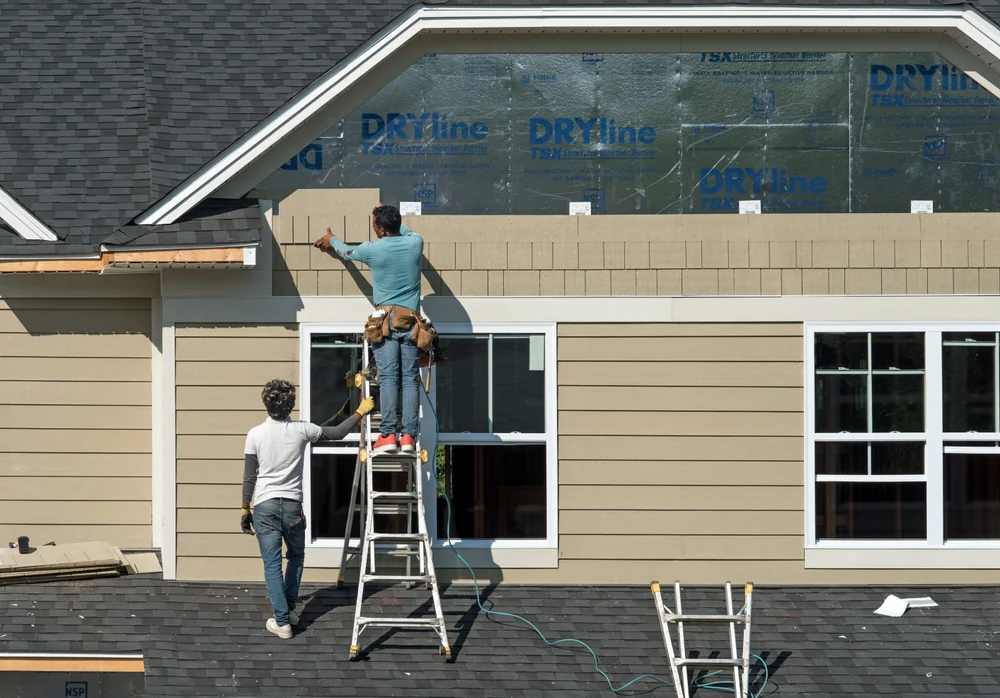
First, we inspect the damaged area and check what’s happening behind it. Most siding problems aren’t just surface-level. We need to know if moisture got in, if insulation’s compromised, or if the house wrap needs attention before we even talk about replacement panels.
Next comes matching. This is where most DIY jobs fall apart. Vinyl fading means your “same color” replacement looks completely different. We work with specialty suppliers to find panels that actually blend with your existing siding—or we help you understand when a full wall replacement makes more sense than a mismatched patch.
Then we handle the repair itself. Remove damaged sections, address any underlying issues, install new panels with proper overlap and fastening. If you’re filing an insurance claim for storm damage siding repair in Raymond, NH, we document everything and work directly with your adjuster. Most storm repairs are fully covered, and we know exactly what documentation they need to approve your claim fast.
Ready to get started?
Most siding repair projects in Raymond run between $250 and $2,000, depending on damage extent and material type. Small fixes like filling cracks or replacing a few vinyl panels sit on the lower end. Larger jobs—especially storm damage repairs on second stories or repairs requiring custom color matching—cost more.
Vinyl siding is the most budget-friendly material to repair, typically running around $10 per square foot for replacement sections. But the real cost comes from what you can’t see. If water’s been getting behind your siding, you might need sheathing repairs, insulation replacement, or house wrap fixes before new panels even go up.
Here’s what drives your final number: damage location (higher stories cost more), material availability (discontinued colors require specialty sourcing), and underlying damage (structural repairs add up fast). We give you a clear breakdown upfront so you know exactly what you’re paying for and why. No surprise charges, no vague “additional work needed” conversations halfway through the job.
Raymond homeowners also need to factor in New Hampshire’s weather when choosing repair materials. Cheap vinyl cracks in cold temps. Low-grade panels warp in summer heat. We use weather-resistant products that actually survive the seasonal extremes you deal with here—because fixing the same section twice defeats the whole purpose.
If the damage is isolated to one section and your siding’s less than 15 years old, repair usually makes sense. You’re looking at a few hundred dollars instead of thousands for a full replacement.
But if your siding’s fading everywhere, constantly cracking, or brittle when you touch it, replacement becomes the smarter move. At that point, you’re not just fixing damage—you’re fighting material that’s reached the end of its lifespan. Newer siding also means better insulation, lower energy bills, and no more emergency repair calls every time a storm rolls through.
We’ll tell you honestly which route makes financial sense. Sometimes a $500 repair buys you five more years. Other times, you’re better off investing in new siding now rather than patching failing material over and over.
Usually, yes—but it takes the right connections. Vinyl siding fades over time, so a “matching” panel from the hardware store often looks completely different once it’s installed next to your weathered siding.
We work with specialty suppliers who can source discontinued colors and older product lines that homeowners can’t access on their own. Sometimes we can even get panels from the original manufacturer if your siding’s still in production. When exact matching isn’t possible, we’ll show you options: replace the full wall section for uniform color, or choose strategic placement where slight color variation won’t be as noticeable.
The worst approach is slapping up whatever’s available and hoping it blends. It won’t. We’ve fixed too many bad DIY jobs where mismatched patches look worse than the original damage. Color matching takes extra time, but it’s the difference between a repair that disappears and one that screams “patch job” from the street.
Most homeowner policies cover storm damage—hail, wind, falling trees—as long as you file promptly and document everything correctly. The key is proving the damage came from a specific weather event, not gradual wear.
We help with that process. We document the damage with photos, provide detailed estimates, and work directly with your insurance adjuster. Most adjusters know us already, which speeds up approvals. We’ve seen claims go through in days when the paperwork’s done right, and drag on for months when it’s not.
Here’s what usually isn’t covered: damage from poor maintenance, old age, or gradual deterioration. If your siding was already failing and a storm just made it worse, insurance might only cover the storm-related portion. We’ll walk you through what’s likely covered before you file, so you’re not caught off guard by a partial denial.
Small repairs—a few cracked panels, minor storm damage—usually take a day once we have matching materials. Larger jobs might run two to three days, especially if we’re dealing with water damage behind the siding or repairs on multiple walls.
The timeline depends more on material sourcing than actual installation. If your siding’s a current product, we can often start within a few days. Discontinued colors or specialty materials might take a week or two to track down. We’re upfront about timing from the start, so you know when to expect us and when the job will wrap.
Emergency repairs after major storms get priority. If your siding’s compromised and weather’s coming, we can do temporary protection within hours to prevent further damage, then schedule the full repair once materials arrive. Leaving damaged siding exposed during New Hampshire’s wet seasons is asking for structural problems that cost way more than the original repair.
Warped siding usually comes from heat exposure or improper installation. Dark-colored vinyl absorbs heat, and if it was nailed too tight during installation, it can’t expand and contract naturally. The result is buckling, warping, or wavy sections that look terrible and don’t protect your home properly.
You can repair warped siding by replacing the affected panels—but only if the underlying cause gets fixed too. If heat reflection from a window is warping the vinyl, we need to address that or the new panels will warp just as fast. If the original installer nailed everything too tight, we make sure replacement panels have proper clearance.
Sometimes warping signals bigger problems. If moisture got behind the siding and warped the sheathing underneath, we’re looking at more extensive repairs. That’s why inspection comes first. We need to know what’s causing the warp before we can fix it permanently. Slapping new panels over a moisture problem just hides the issue until it gets worse.
Small cracks in vinyl siding can sometimes be filled for $100 to $300, depending on location and extent. But filling only works for minor surface cracks—and it’s usually a temporary fix. Most cracked vinyl needs panel replacement to actually solve the problem.
Replacing cracked panels typically runs $250 to $800 for a standard repair, covering materials, labor, and color matching. If the cracks are widespread or on hard-to-reach areas like gables or second stories, costs go up. Access difficulty can add 25% to 50% to your quote because of the extra equipment and labor time required.
Here’s the thing about cracked vinyl: it’s telling you something. Cracks mean the material’s getting brittle, usually from age or UV exposure. If you’re seeing multiple cracks across different walls, you’re probably looking at siding that’s near the end of its lifespan. At that point, we’ll have an honest conversation about whether ongoing repairs make sense or if replacement saves you money long-term.