Hear from Our Customers
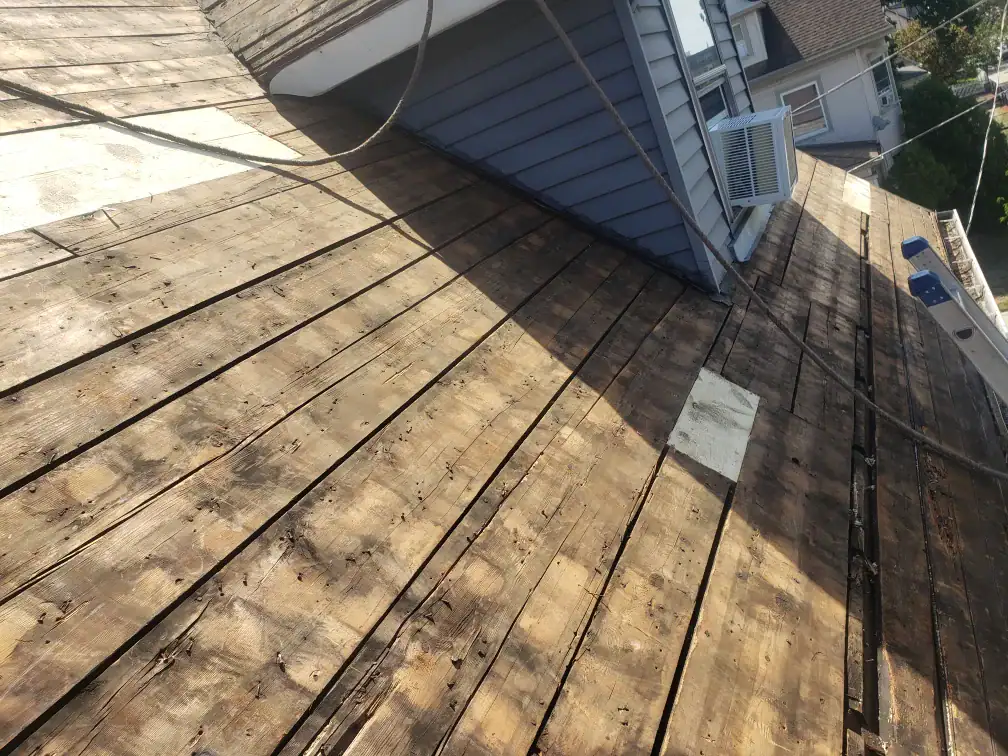
Your siding takes a beating. New Hampshire winters dump snow and ice on it. Spring brings pollen and moisture. Summer humidity creates the perfect environment for mold and mildew to take hold. And if you’re like most homeowners in Raymond, you’ve noticed the green streaks, the dark spots, or the dull film that makes your whole house look tired.
Here’s what changes when you handle siding maintenance the right way. The mold and mildew disappear—not just temporarily, but with methods that actually remove the root cause. Your curb appeal comes back without the risk of damage from improper pressure washing. And you stop wondering if that dark patch is just dirt or something worse eating away at your investment.
Clean siding isn’t just about looks. It’s about catching small issues before they turn into wood rot, moisture intrusion, or a full replacement bill. When your siding gets inspected and cleaned by someone who knows what to look for, you’re not just maintaining appearance—you’re protecting the structure underneath and keeping your home’s value intact.
We work throughout Raymond and the surrounding area, and we’ve seen what happens when siding maintenance gets ignored or done wrong. We’re an Owens Corning Preferred Contractor, which means we meet strict standards for quality and reliability—not because we need the badge, but because it reflects how we’ve always operated.
Raymond homes face specific challenges. The freeze-thaw cycles crack caulking. The humidity breeds mold faster than most homeowners expect. And the tree cover in many neighborhoods means constant exposure to moisture and organic growth. We’ve worked on enough homes here to know what vinyl siding in this area needs to last its full 20 to 30 years.
You’re not getting a crew that treats every house the same. You’re getting people who understand the difference between pressure washing and soft washing, who know how to inspect for hidden damage, and who won’t leave until the job actually protects your home.
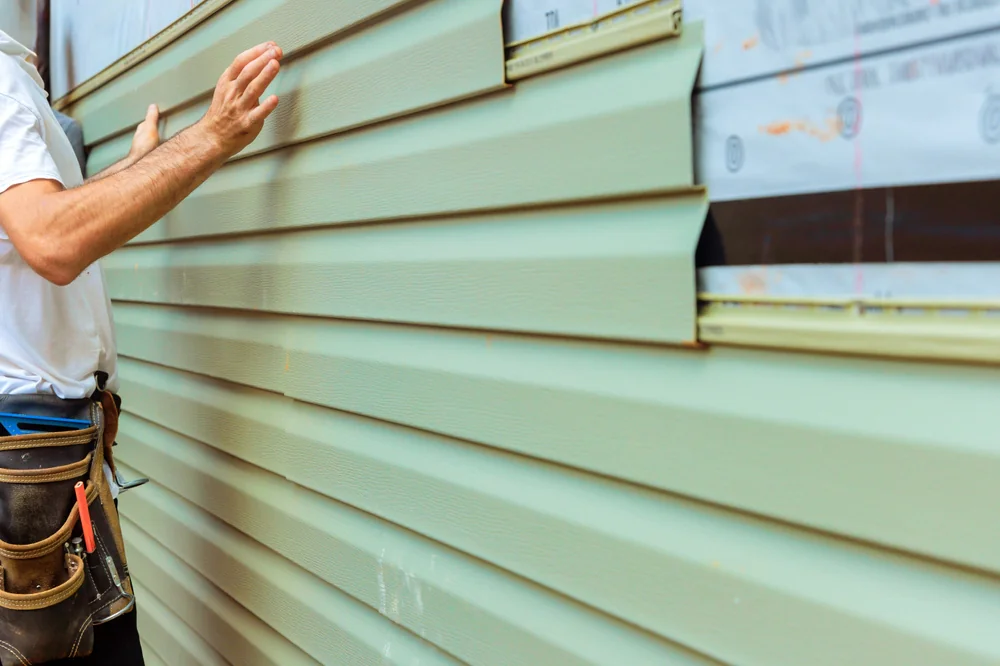
We start with a full siding inspection. That means walking your property and looking for cracks, loose panels, water stains, mold growth, and any signs that moisture is getting where it shouldn’t. Most homeowners miss this step entirely, which is why small problems turn into expensive ones.
Next comes the cleaning. We use soft washing—not high-pressure blasting that can crack vinyl or force water behind your siding. Soft washing uses low pressure and the right cleaning solutions to remove mold, mildew, dirt, and biofilm without damaging the material. It’s the difference between cleaning your siding and destroying it.
After cleaning, we check for any issues that need attention. Loose panels get secured. Damaged caulking gets noted. If there’s wood rot or pest damage underneath, you’ll know about it before it spreads. And if everything looks good, you’ll have documentation that your siding is in solid shape—which matters when it’s time to sell or file an insurance claim.
The whole process takes a few hours for most homes, and you end up with siding that looks better, lasts longer, and isn’t hiding problems that’ll cost you later.
Ready to get started?
Every siding maintenance visit includes a complete inspection using a proven checklist. We look for cracks, warping, loose or missing panels, failed caulking, water stains, mold and mildew growth, and any signs of pest intrusion. This isn’t a quick walk-around—it’s a systematic check of every section of your exterior.
The cleaning process uses soft washing methods specifically designed for vinyl siding. High-pressure washing might seem faster, but it causes more problems than it solves. Water gets forced behind panels, vinyl cracks under the pressure, and you end up with damage that wasn’t there before. Soft washing removes the same dirt, mold, and mildew without the risk.
Raymond’s climate makes mold and mildew removal especially important. The humidity here creates perfect conditions for growth, and once it takes hold, it spreads fast. We use commercial-grade solutions that kill mold at the root—not just surface cleaning that looks good for a few weeks before everything grows back.
You also get a clear assessment of what your siding needs going forward. If repairs are necessary, you’ll know exactly what and why. If everything’s in good shape, you’ll have peace of mind and documentation. Either way, you’re making decisions based on real information, not guesswork.
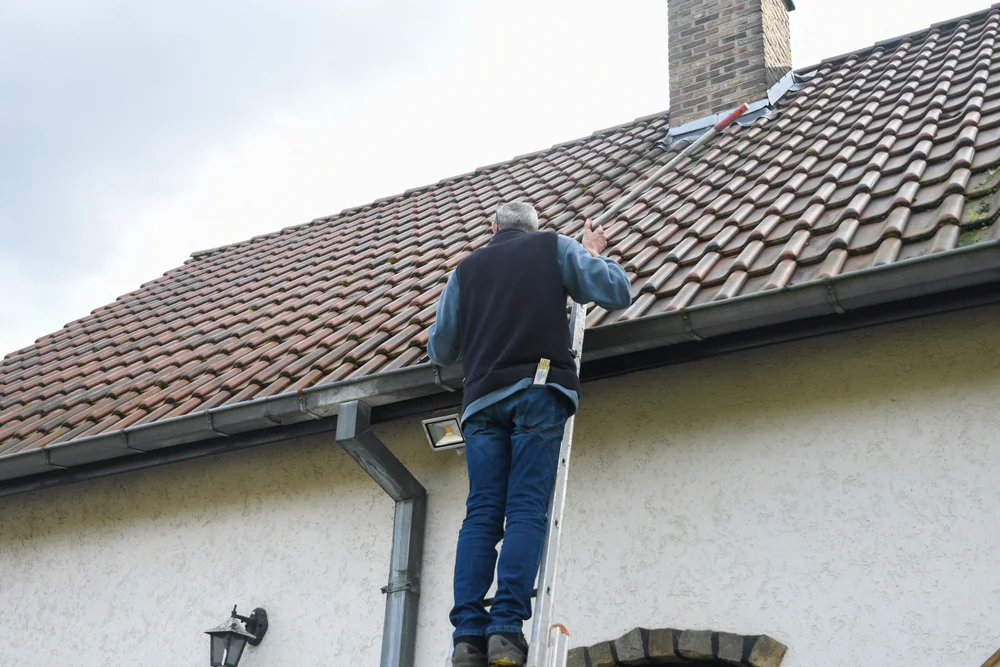
Soft washing is the right choice for vinyl siding, and here’s why. Power washing uses high pressure that can crack vinyl, force water behind your siding, and cause damage that leads to moisture problems inside your walls. It might look like it’s working, but you’re often creating problems you can’t see until it’s too late.
Soft washing uses high volume and low pressure combined with cleaning solutions that actually break down mold, mildew, and dirt. It’s safer for your siding material, more effective at removing organic growth, and doesn’t risk the kind of damage that turns a maintenance job into a repair project.
In Raymond’s climate, where humidity and moisture are constant factors, soft washing also does a better job of killing mold and mildew at the source. Power washing just blasts it off the surface, which means it grows back faster. If you want your siding actually clean—not just temporarily clean—soft washing is the method that works.
Most homes in Raymond benefit from professional siding maintenance every one to two years. The exact timing depends on your home’s exposure to moisture, tree cover, and how much organic growth you’re seeing. If your house is surrounded by trees or gets limited sun, you’ll probably need annual cleaning to stay ahead of mold and mildew.
New Hampshire’s freeze-thaw cycles also mean you should have your siding inspected at least once a year, ideally in spring after winter damage has occurred but before summer humidity makes small problems worse. An inspection catches issues like cracked caulking, loose panels, or early signs of water intrusion before they turn into expensive repairs.
Between professional visits, you can extend your siding’s life by keeping gutters clean, trimming back vegetation that holds moisture against your house, and rinsing off obvious dirt or pollen buildup. But the deep cleaning and thorough inspection should be handled by someone who knows what to look for and how to clean without causing damage.
Professional-grade cleaning solutions and soft washing are the most effective way to remove mold and mildew from siding. Home remedies like vinegar or bleach might work on small surface areas, but they don’t kill mold at the root, and they’re not practical for treating an entire house.
Commercial mold and mildew removers are formulated to break down organic growth without damaging vinyl siding. When combined with soft washing techniques, they penetrate the biofilm that mold creates and actually remove the problem instead of just making it look better temporarily. This is especially important in Raymond, where humidity means mold grows back fast if it’s not properly treated.
Trying to scrub mold off by hand is exhausting and often ineffective. Using a pressure washer is risky because you can damage your siding or force water into places it shouldn’t go. The right approach is low-pressure application of the right cleaning solution, proper dwell time to let it work, and a thorough rinse that removes everything without causing harm.
Yes, and the math is straightforward. A few hundred dollars in regular maintenance prevent thousands in repair or replacement costs. When you catch a cracked panel early, it’s a simple fix. When you ignore it and water gets behind your siding, you’re looking at wood rot, insulation damage, and potential mold inside your walls.
Vinyl siding repairs in Raymond typically cost between $250 and $2,000 depending on the extent of damage. Full siding replacement runs much higher. Regular maintenance catches the small stuff—loose panels, failed caulking, early mold growth—before it becomes the big stuff that hits your wallet hard.
There’s also the property value angle. Well-maintained siding can influence your home’s valuation by up to 10%, and it definitely affects buyer perception when you’re ready to sell. A house with clean, well-kept siding signals that the owners have taken care of the property. Stained, damaged, or neglected siding raises questions about what else has been ignored.
Start with obvious damage: cracks, warping, holes, or panels that are loose or pulling away from the house. Check the caulking around windows, doors, and corners—if it’s cracked or missing, water is getting in. Look for water stains, which indicate moisture problems that might be causing damage you can’t see yet.
Mold and mildew are major red flags, especially on north-facing walls or areas that don’t get much sun. Green or black streaks aren’t just cosmetic—they’re signs that organic growth is breaking down your siding material. If you see mold on the outside, there’s a good chance moisture is also affecting the structure behind it.
Also check for pest damage. Termites, carpenter ants, and other insects can get behind siding through small gaps and cause serious structural damage. If you see insect activity near your siding or notice soft spots when you press on panels, you need a professional inspection to find out how far the damage goes. Most homeowners don’t catch these issues until they’re extensive, which is why a trained eye makes a difference.
You’re probably dealing with biofilm, which is a layer of organic material that bonds to siding and doesn’t come off with regular cleaning methods. Biofilm makes siding look dull and faded even after you’ve scrubbed it or rinsed it with a hose. It requires specific cleaning solutions and techniques to actually remove.
Another common issue is using the wrong cleaning approach. If you’ve been using dish soap or general-purpose cleaners, you’re not breaking down the mold, mildew, and algae that cause discoloration. And if you’ve tried pressure washing, you might have etched the surface of your vinyl, which makes it look worse and causes it to collect dirt faster going forward.
Professional soft washing with the right cleaning solutions removes biofilm, kills mold and mildew at the source, and restores your siding’s original appearance without causing surface damage. It’s not about scrubbing harder—it’s about using the right products and methods that actually work on the specific problems vinyl siding faces in Raymond’s climate.