Hear from Our Customers
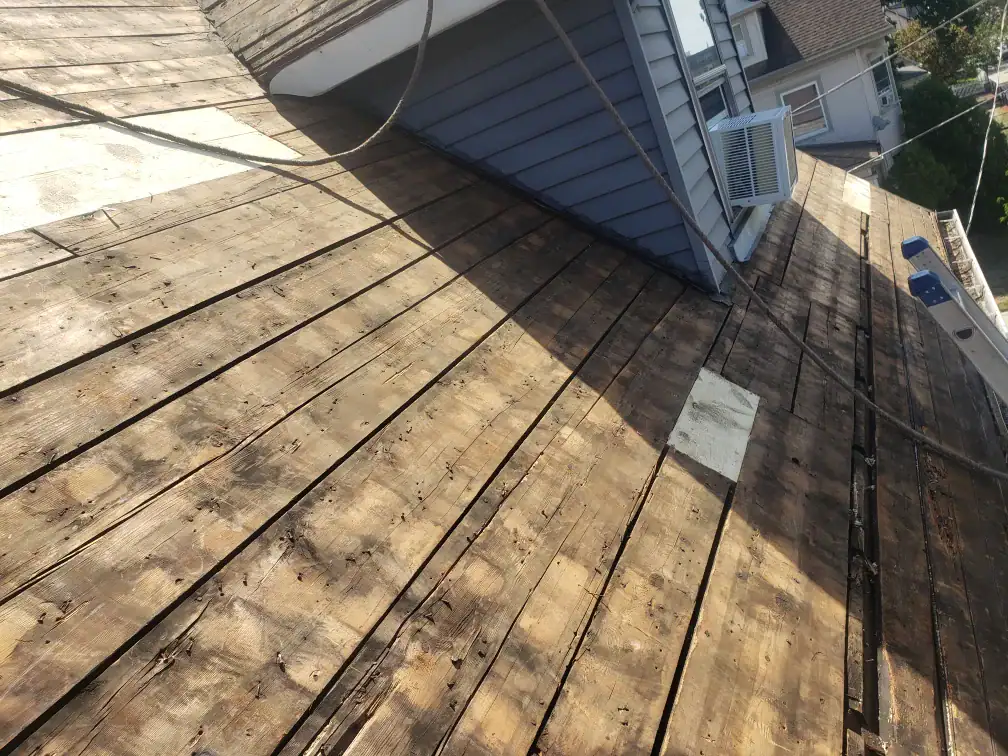
When your siding gets the right care, you’re not dealing with emergency repairs in February. You’re not watching mold creep up the north side of your house. You’re not losing heat through cracks that formed last winter and went unnoticed until your energy bill spiked.
Regular siding maintenance in Weare, NH means catching small problems while they’re still small. A crack that lets in moisture today becomes rot in your wall sheathing by next spring. Mildew that looks like a cosmetic issue is actually breaking down your siding’s protective layer.
The homes that look sharp year after year aren’t lucky. Their owners just understand that cleaning vinyl siding and running through a siding inspection checklist twice a year costs a fraction of what you’ll spend on repairs if you skip it. Your siding is designed to last decades, but only if it’s not fighting a losing battle against neglect and New England winters.
Paradise Remodeling Inc has spent over 50 years working on homes throughout southern New Hampshire. We’re not new to Weare, and we’re not new to what happens when siding doesn’t get proper attention before winter hits.
We’re an Owens Corning Preferred Contractor, which means we met their requirements for quality and reliability. Our BuildZoom score puts us in the top 8% of licensed contractors in the region. Those credentials matter, but what matters more is that we show up when we say we will and we don’t cut corners to save a few bucks on your job.
Weare homes deal with heavy snow loads, ice damming, and temperature swings that make siding expand and contract all season. We know what fails first and what warning signs mean you’re six months from a real problem.
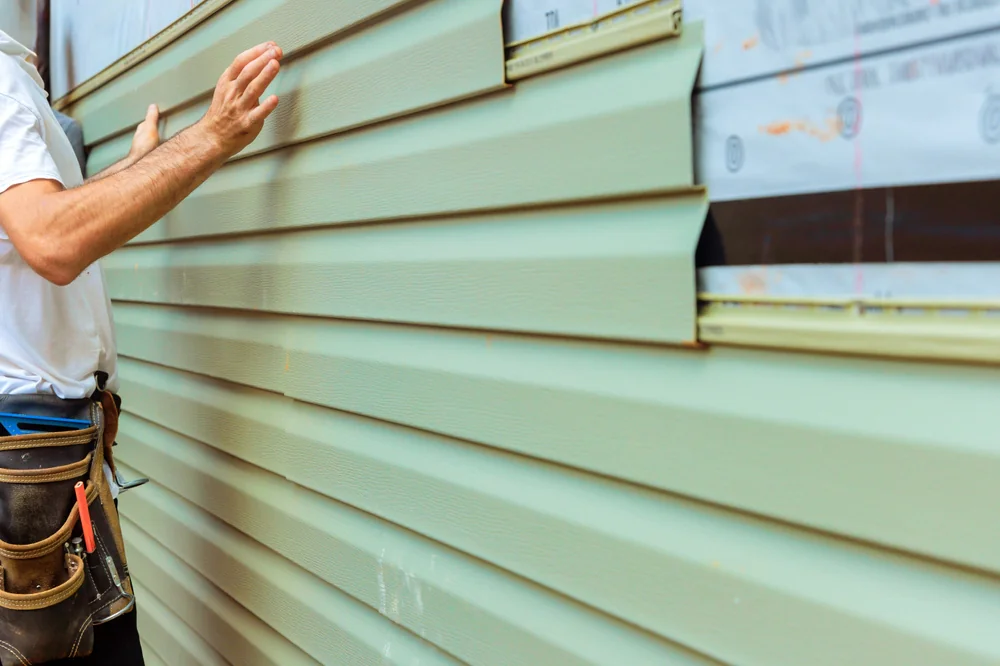
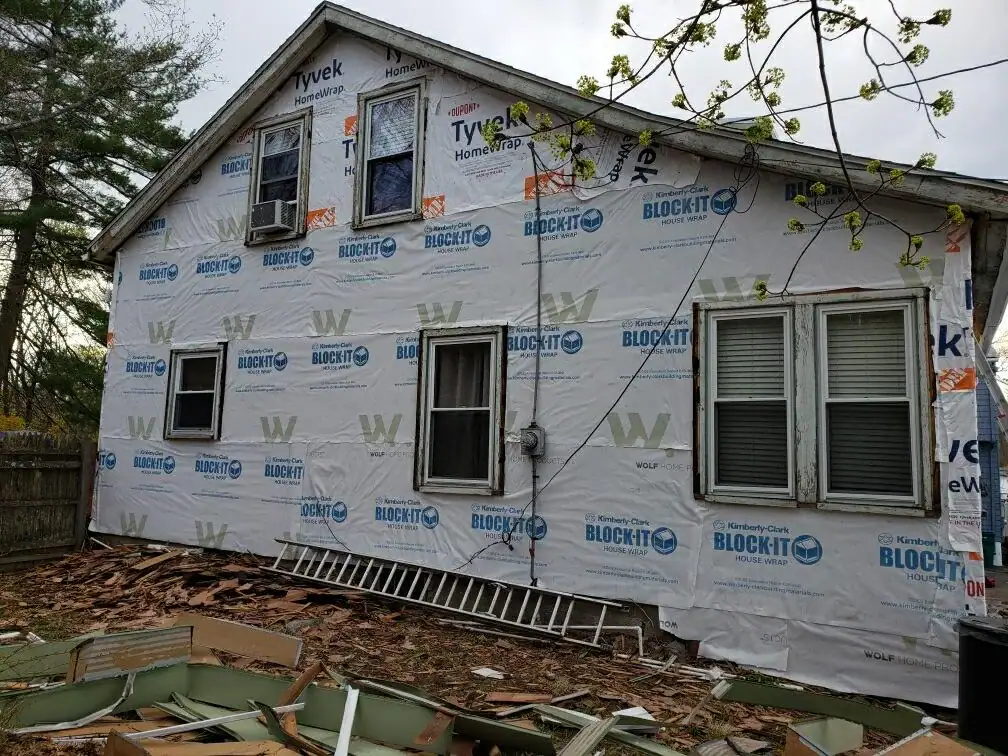
We start with a full inspection of your siding. We’re looking for cracks, loose panels, failing caulk around windows and doors, and any signs that moisture has gotten behind the siding. This is your siding inspection checklist in action—not a quick walk-around, but a real assessment of what needs attention.
Next comes cleaning. We use soft washing, not high-pressure blasting. Soft washing combines low pressure with cleaning solutions that kill mold and mildew at the root. Power washing vs soft washing isn’t even a debate for us—pressure washing can force water behind your siding or damage the surface. Soft washing gets it clean without creating new problems.
If we found issues during inspection, we handle those repairs before they get worse. That might mean replacing a few damaged panels, re-caulking seams, or fixing areas where water has already started causing damage. You get a clear explanation of what we found and what it’ll take to fix it. No surprises, no upselling services you don’t need.
Ready to get started?
You’re getting a complete inspection that covers every panel, seam, and transition point on your home’s exterior. We check for damage, but we’re also looking at how your siding is performing—whether it’s still doing its job of keeping moisture out and insulation in.
Mold and mildew removal is part of the cleaning process, not an add-on. Weare’s humidity and shade patterns mean the north and west sides of most homes grow mildew faster than you’d expect. Our cleaning solutions are designed to kill it completely, not just rinse it off so it comes back in three months.
Any repairs we recommend are based on what will fail soon if left alone. We’re not interested in replacing siding that has another ten years in it. But if we see a section that’s cracked, warped, or allowing moisture penetration, that’s a repair worth making now. Weare homes face freeze-thaw cycles that turn small cracks into big problems fast. The goal is to keep your siding doing its job for as long as possible, which means addressing issues before they spread.
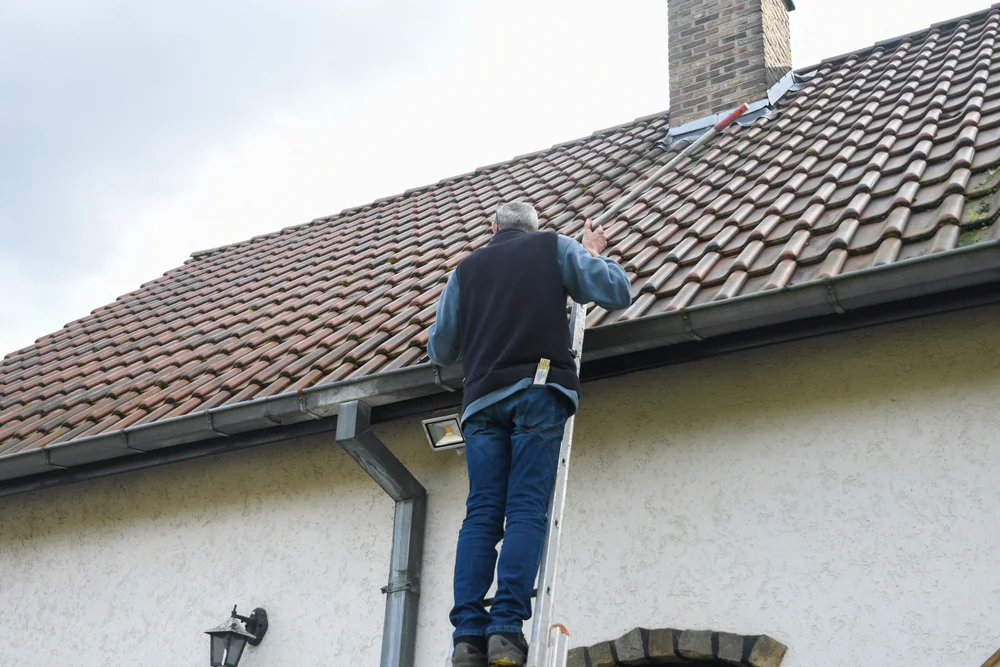
Twice a year is the standard—once in spring and once in fall. Spring inspections catch damage from winter, and fall inspections make sure your siding is ready for the cold months ahead.
Most homes benefit from a full cleaning every 4-6 months. If your house is surrounded by trees or sits in a shaded area, you might need cleaning more often because mold and mildew grow faster without direct sunlight.
The inspection is just as important as the cleaning. Small cracks or loose panels don’t announce themselves until they’ve already let water in. Catching them during a routine check means you’re spending a couple hundred dollars on a repair instead of a few thousand on water damage and mold remediation inside your walls.
Power washing uses high pressure—usually 1,300 PSI or more—to blast dirt and grime off surfaces. Soft washing uses low pressure, around 150-300 PSI, combined with specialized cleaning solutions that do the actual work of breaking down mold, mildew, and algae.
High pressure can damage siding. It can crack vinyl, strip paint off wood siding, and force water behind panels where it leads to rot and mold growth inside your walls. Soft washing avoids all of that while still getting your siding completely clean.
The cleaning solutions we use are biodegradable and safe for your landscaping. They kill mold and mildew at the source, which means your siding stays cleaner longer. Power washing just rinses off the surface layer—the growth comes back in a few weeks because the roots are still there.
If you see cracks, warping, or panels that look loose or uneven, that’s a repair issue. If your siding just looks dirty or has dark streaks, cleaning will likely take care of it.
Bubbling or peeling paint on the inside of your home is a red flag. That usually means moisture is getting through your siding and into your walls. Same with mold or mildew on interior walls—that’s not a cleaning problem, that’s a siding failure that needs immediate attention.
During an inspection, we check for soft spots, which indicate rot behind the siding. We also look at caulking around windows, doors, and seams. If the caulk is cracked or missing, water is getting in. Those are repairs that prevent much bigger problems down the road, especially in Weare where freeze-thaw cycles accelerate damage once water penetrates.
Yes. Mold and mildew removal is one of the main reasons homeowners call us, and it’s completely safe when done correctly. We use cleaning solutions specifically designed to kill mold and mildew without harming vinyl, wood, or fiber cement siding.
The key is using the right pressure and the right products. High-pressure washing can push mold spores deeper into porous surfaces or force water behind your siding. Our soft washing method applies the cleaning solution, lets it work for a few minutes to kill the growth at the root, then rinses it away gently.
If the mold or mildew has been there long enough to cause staining that won’t come out, that’s usually a sign the siding’s protective layer has been compromised. In those cases, cleaning helps but you might be looking at replacement for those sections. We’ll tell you honestly what’s salvageable and what’s not.
Start with visible damage—cracks, holes, warping, or panels that are loose or pulling away from the house. Check the caulking around windows, doors, and any seams where different materials meet. If it’s cracked or missing, moisture is getting in.
Look for mold, mildew, or algae growth, especially on north-facing walls or shaded areas. Dark streaks or green patches mean moisture is sitting on the surface longer than it should. That’s not just cosmetic—it breaks down your siding over time.
Check for signs of moisture damage inside your home too. Peeling paint, bubbling wallpaper, or water stains on interior walls near exterior walls are all signs your siding isn’t keeping water out. If you’re seeing any of those, you need a professional inspection right away. Weare’s winter weather makes these problems worse fast, so catching them early saves you serious money and hassle.
If you’re comparing the cost of maintenance to the cost of doing nothing, yes—it’s absolutely worth it. Regular cleaning and inspection costs a few hundred dollars. Replacing rotted sheathing, fixing mold inside your walls, or replacing entire sections of failed siding costs thousands.
New Hampshire’s climate is tough on siding. Heavy snow, ice, freeze-thaw cycles, and high humidity all work against your home’s exterior. Siding that doesn’t get regular maintenance fails faster, and when it fails, it doesn’t just look bad—it stops protecting your home.
Homes with well-maintained siding also hold their value better. Buyers notice peeling, warping, or mold-covered siding immediately, and it kills your negotiating position. Keeping your siding in good shape isn’t just about avoiding repairs—it’s about protecting what’s likely your biggest investment.