Hear from Our Customers
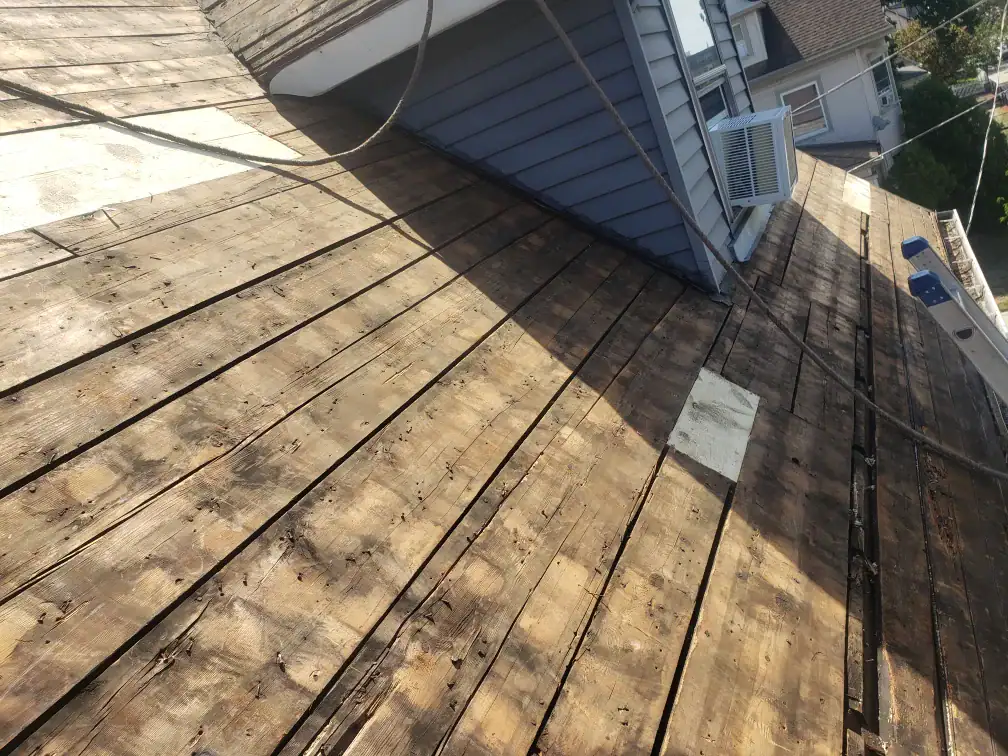
Your siding isn’t just for looks. It’s the barrier between your home’s structure and everything New Hampshire throws at it—freeze-thaw cycles, heavy snow, summer storms, and the kind of humidity that turns small cracks into expensive problems.
When you stay on top of siding maintenance in Stratham, NH, you’re not just cleaning off dirt. You’re catching issues before they spread. You’re removing mold and mildew that can work their way behind panels and into your walls. You’re sealing gaps that let moisture seep in during spring thaws.
Most homeowners don’t realize how much damage builds up quietly. A small crack from winter expansion lets water in. That water freezes again. The crack gets bigger. Before long, you’re dealing with rot, structural damage, and a repair bill that could’ve been avoided with a simple inspection and some caulk.
Regular maintenance extends the life of your siding by decades. Vinyl can last 30 to 50 years if you treat it right. But if you ignore it, you’ll be replacing panels—or worse, dealing with what’s happening behind them—in half that time.
Paradise Remodeling Inc has been serving homeowners across the North Shore of Massachusetts and Southern New Hampshire for years. We’re an Owens Corning Preferred Contractor, fully licensed and insured, and we rank in the top 8% of contractors in Massachusetts according to BuildZoom.
That’s not us bragging. It’s context. We’ve seen what happens when siding maintenance gets skipped or done wrong. We’ve repaired the damage left by contractors who pressure washed too hard, used the wrong cleaners, or missed obvious signs of deterioration during a so-called “inspection.”
Stratham homes face specific challenges. You get 48 inches of precipitation a year. Your winters are brutal, your springs are wet, and your summers are humid enough to grow mold on just about anything. We know how to wash house siding in Stratham, NH without damaging it, and we know what to look for when the damage isn’t obvious yet.
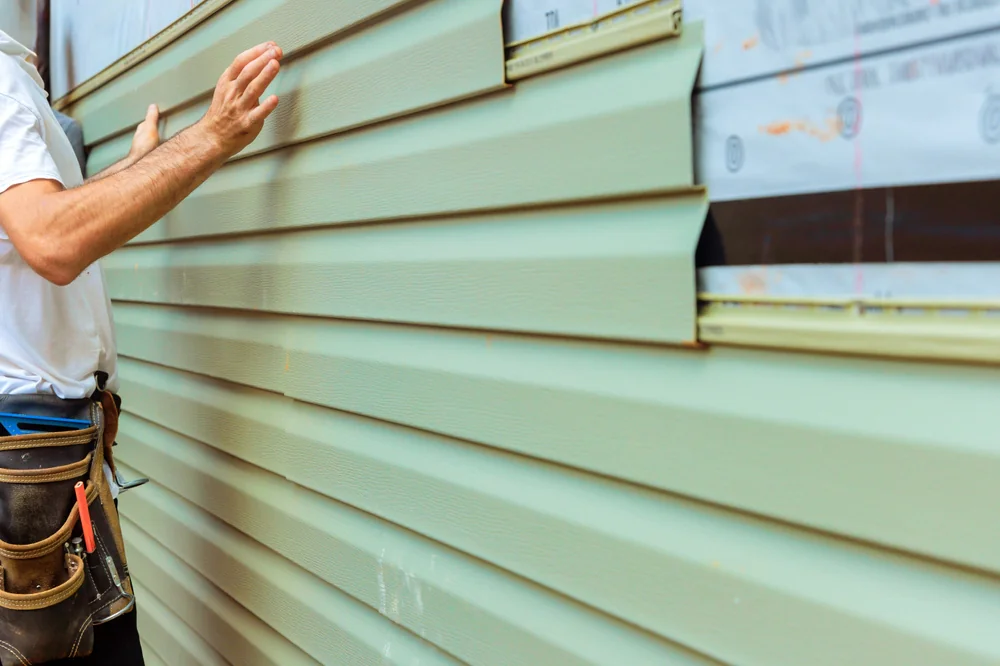
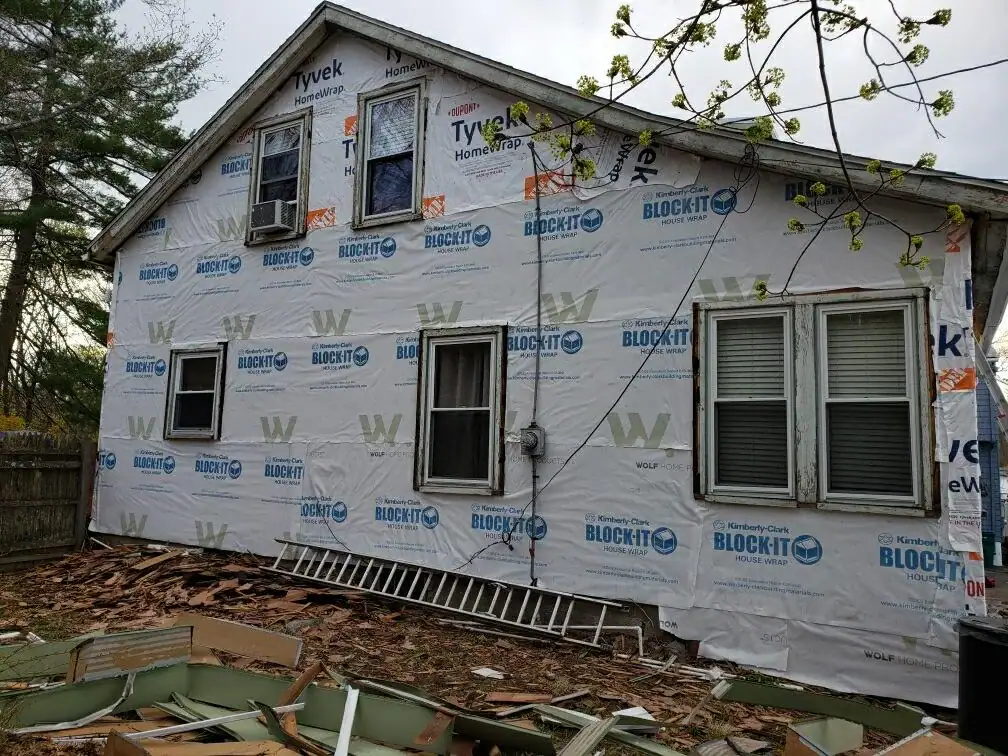
We start with a siding inspection checklist that covers the things most homeowners miss. We’re looking for cracks, warping, loose panels, failed caulking, and any signs that moisture has gotten behind your siding. We check around windows, doors, corners, and seams—the spots where problems start.
If we find mold and mildew, we don’t just spray it off. We use the right method for your material. That means understanding the difference between power washing vs soft washing. Vinyl siding can handle more pressure than wood or stucco, but even vinyl can crack if you’re careless. We adjust pressure settings and nozzles based on what’s on your house, not what’s fastest for us.
After cleaning vinyl siding in Stratham, NH, we handle repairs. That could mean replacing a cracked panel, re-caulking seams, or fixing flashing that’s letting water in. If your siding is past the point of maintenance, we’ll tell you. We’re not going to sell you a cleaning service when what you actually need is replacement.
Once everything’s cleaned and sealed, your siding does what it’s supposed to: protect your home, regulate temperature, and keep moisture out. You’ll see the difference in your energy bills and your curb appeal.
Ready to get started?
Every siding maintenance job we do in Stratham, NH includes a full exterior inspection. We’re checking for damage you can see and damage you can’t. That means looking at the siding itself, but also at what’s happening around it—gutters, downspouts, trim, and anywhere water could be getting in.
Cleaning is a big part of it. Dirt, pollen, algae, mold, and mildew all build up over time, especially in New Hampshire’s wet climate. Left alone, mold doesn’t just look bad—it eats away at your siding and can spread to the sheathing underneath. We remove it safely using methods that won’t harm your siding or your landscaping.
We also handle minor repairs during maintenance visits. Loose panels get reattached. Cracked caulk gets replaced. Small holes get patched. If something needs more attention, we’ll walk you through it and give you a straight answer about what it’ll cost and why it matters.
Stratham’s weather is tough on homes. Your siding expands and contracts with temperature swings, gets battered by wind-driven rain, and sits under heavy snow for months. Regular maintenance helps it handle all of that without failing early. It’s not glamorous work, but it’s the kind that saves you money.
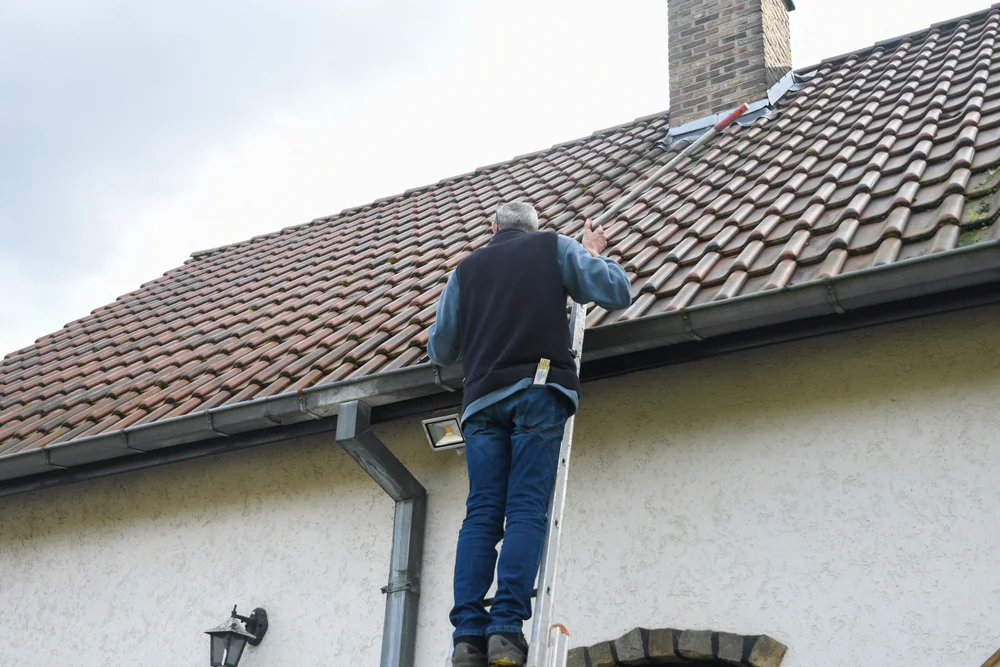
Most homes in Stratham benefit from professional siding maintenance once a year, ideally in late spring or early summer after the freeze-thaw cycle is done. That gives us a chance to catch any damage from winter and clean off the mold and mildew that start growing as soon as the weather warms up.
If your home is surrounded by trees, sits in a shaded area, or has had issues with mold before, you might need cleaning twice a year. Homes near the coast or in areas with heavy wind exposure may also need more frequent inspections to catch storm damage early.
The goal is to stay ahead of problems. A yearly inspection and cleaning cost a fraction of what you’d pay to replace rotted sheathing or repair structural damage caused by moisture that got in through a crack you didn’t know was there.
Power washing uses high-pressure water to blast away dirt, mold, and grime. Soft washing uses lower pressure combined with cleaning solutions to break down organic growth without damaging the surface. The right method depends on what type of siding you have and what condition it’s in.
Vinyl siding can usually handle power washing if the pressure is adjusted correctly and the nozzle is kept at the right angle. But if your vinyl is old, brittle, or already cracked, high pressure can make things worse. Wood, stucco, and fiber cement siding almost always need soft washing to avoid damage.
We don’t use the same approach on every house. We assess your siding material, its age, and its condition before we start. If it’s fragile, we use soft washing. If it can handle more pressure and needs it, we adjust accordingly. The point is to get it clean without causing new problems.
Yes, but only if it’s done right. Mold and mildew removal in Stratham, NH requires the right cleaning solution and the right technique. Bleach-based cleaners can discolor some siding materials and kill your landscaping if they’re not diluted and rinsed properly. High pressure can drive mold spores deeper into porous materials instead of removing them.
We use cleaning solutions designed for the specific type of siding on your home. For vinyl, we typically use a mild detergent or specialized mold remover applied at low pressure. For wood or fiber cement, we use soft washing techniques that break down the mold without forcing water behind the siding.
After cleaning, we inspect the area to make sure the mold was surface-level and hasn’t caused damage underneath. If we find signs that moisture has gotten behind your siding, we’ll let you know what needs to be done to prevent it from coming back.
A good siding inspection checklist in Stratham, NH should cover visible damage, hidden moisture issues, and anything that could let water into your walls. Start by walking around your house and looking for cracks, warping, loose panels, or areas where the siding has pulled away from the house.
Check the caulking around windows, doors, corners, and seams. If it’s cracked, peeling, or missing, water is getting in. Look for mold, mildew, or discoloration—especially on north-facing walls or shaded areas where moisture doesn’t dry as quickly.
Inside, check your attic and basement for signs of water damage, like stains on the sheathing or insulation. If you see any, the problem likely started outside with failed siding or flashing. Most homeowners miss these signs until the damage is expensive, which is why a professional inspection catches things early and saves you money in the long run.
If the damage is isolated—a few cracked panels, some failed caulking, or a small area of rot—repair is usually the right call. If the damage is widespread, if your siding is failing in multiple areas, or if you’re seeing moisture issues inside your walls, replacement might make more sense.
Age is a factor too. Vinyl siding lasts 30 to 50 years with proper maintenance, but if yours is already 25 years old and starting to crack or warp, you’re near the end of its lifespan. At that point, investing in repairs might just be delaying the inevitable.
We’ll give you an honest assessment. If your siding can be repaired and you’ll get another decade out of it, we’ll tell you that. If it’s time to replace it, we’ll explain why and what your options are. We’re not here to upsell you—we’re here to give you the information you need to make the right call for your home and your budget.
Skipping siding maintenance doesn’t cause immediate disaster, but it shortens the lifespan of your siding and increases the chance of expensive problems. Dirt and mold build up, trapping moisture against the surface. Small cracks grow into bigger ones. Caulking fails and lets water seep behind the panels.
In Stratham’s climate, that moisture freezes in winter, expands, and makes the damage worse. By the time you notice something’s wrong, the problem has usually spread to the sheathing or framing behind your siding. What could’ve been a simple cleaning and caulking job turns into a multi-thousand-dollar repair.
Regular maintenance catches these issues early when they’re cheap and easy to fix. It also keeps your siding looking good, which matters if you ever plan to sell. Buyers notice peeling paint, mold stains, and warped panels—and they’ll either walk away or use it to negotiate your price down.