
Hear from Our Customers
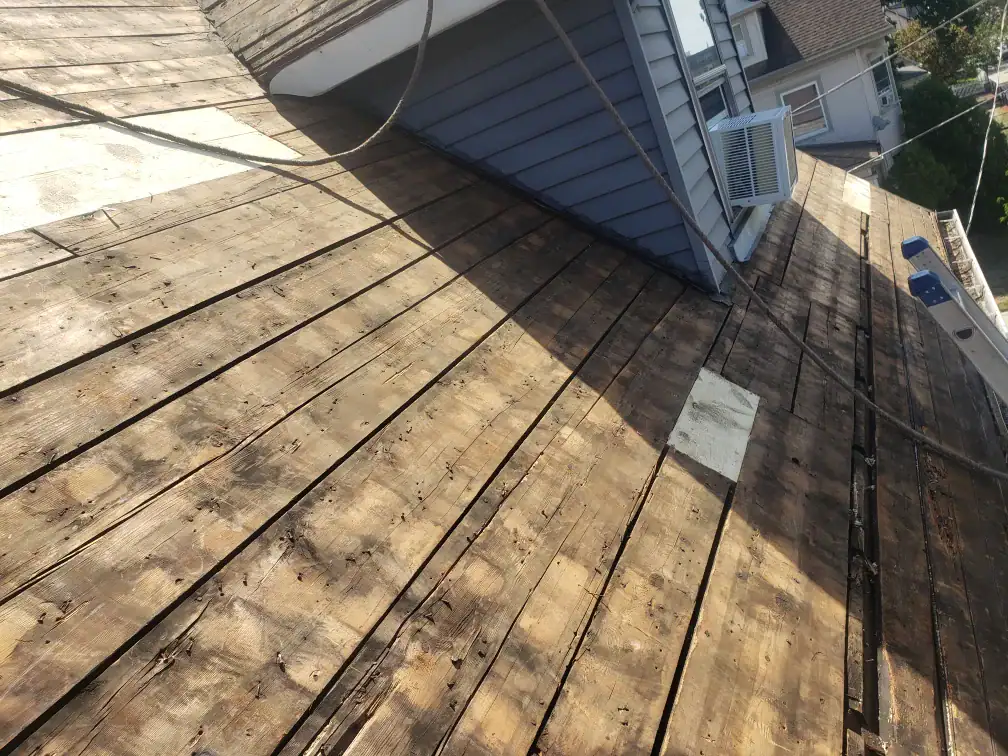
New Boston winters don’t mess around. When snow piles up against your siding and temperatures swing from 15 degrees to 45 and back again, moisture gets into every crack it can find. Then it freezes. Then it thaws. Then those gaps get wider.
That’s how small issues become structural problems. A loose panel lets water behind your siding. That water sits against your sheathing all winter. By spring, you’ve got rot, mold, or both.
Regular siding maintenance in New Boston, NH stops that cycle. You get a full inspection of every panel, proper cleaning to remove mold and mildew, resealing around windows and doors, and repairs before moisture finds its way in. Your siding lasts decades instead of needing replacement in fifteen years. Your energy bills stay lower because your home stays sealed. And you’re not dealing with emergency calls when a storm rips off damaged panels.
We’ve spent over a decade working on homes throughout New Boston and the surrounding New Hampshire communities. We’re an Owens Corning Preferred Contractor, which means we meet strict standards for quality and reliability—not just once, but consistently.
We know what New England weather does to siding. We’ve seen the damage from ice dams along the roofline, the mold that grows on north-facing walls that never see sun, and the way wind-driven rain finds every gap in your caulking. That’s why our siding inspection checklist covers more than just the obvious stuff.
Every maintenance visit includes a full exterior check, written reports on what we find, and a two-year workmanship warranty on any repairs we make. You’re not getting a quick once-over. You’re getting the kind of attention that keeps your home protected.
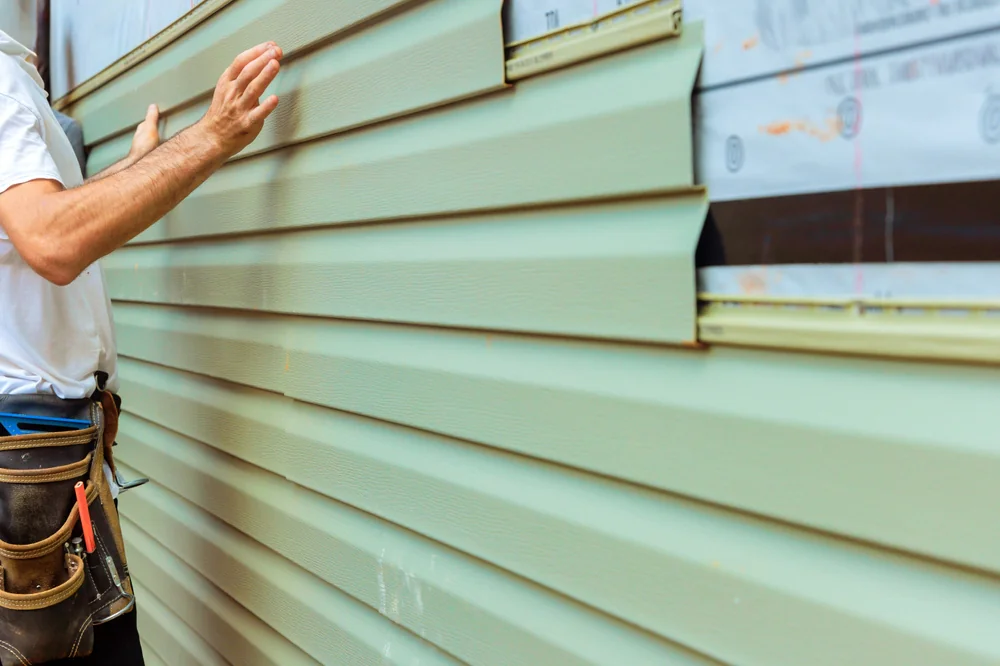
We start with a complete inspection. That means checking every wall, looking at the areas around windows and doors, examining your flashing, and identifying any spots where moisture could be getting in. You get a written report of what we find.
Next comes cleaning. Depending on your siding type and condition, we’ll use either soft washing or power washing. Soft washing uses lower pressure with specialized solutions to remove mold and mildew without damaging your siding. Power washing works for tougher buildup, but only when your siding can handle it. We don’t use the same approach on every house because every house is different.
After cleaning, we handle repairs. Loose panels get secured. Damaged caulking gets replaced. Any cracks or gaps get sealed before water finds them. If we spot something that needs more attention—like rot behind a panel or a structural issue—we’ll walk you through it and give you options.
You end up with siding that’s clean, sealed, and ready to handle another New England winter.
Ready to get started?
Most homeowners in New Boston, NH should have their siding professionally maintained at least once a year. Some homes need it twice—especially if you’ve got a lot of tree cover or your siding faces north where mold grows faster.
Our maintenance service covers a full exterior inspection, professional cleaning using either power washing or soft washing depending on your siding material, mold and mildew removal with solutions that actually kill the spores instead of just washing them away, caulking and sealing around all penetrations, and minor repairs to damaged or loose panels.
We also check for the things most people miss. That includes looking at how your gutters are directing water, checking for pest damage, examining the areas where different materials meet, and making sure your siding is still doing its job of keeping moisture out.
New Boston gets an average of 60 to 120 inches of snow every winter. Your siding is your home’s first line of defense against all that moisture. When it’s properly maintained, it keeps your walls dry, your insulation effective, and your heating bills reasonable. When it’s not, you’re looking at problems that cost ten to twenty times more to fix than prevention would have cost.
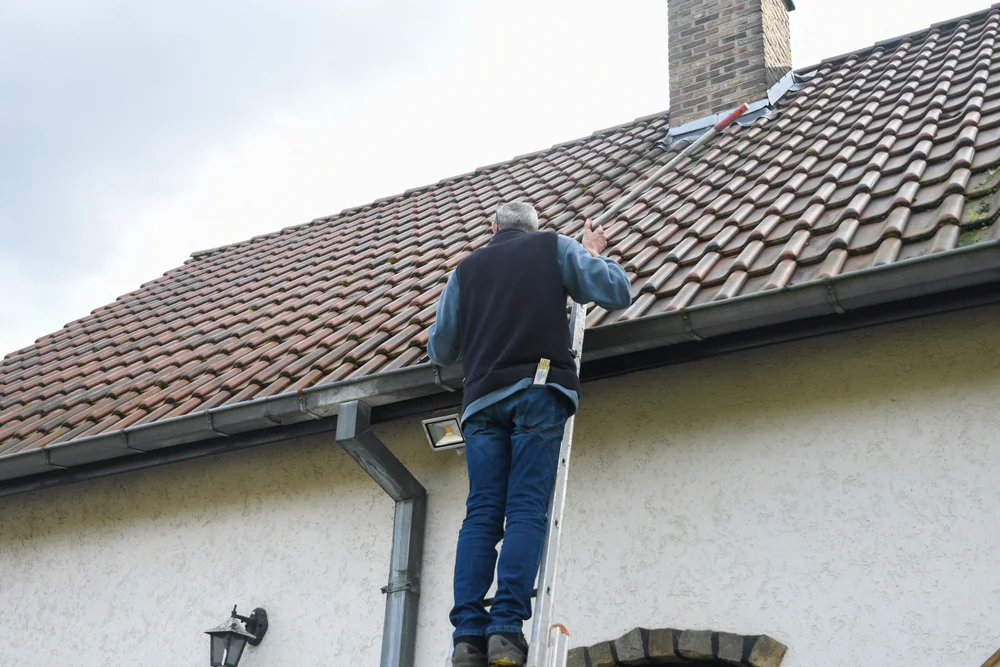
Most homes in New Boston, NH benefit from professional siding cleaning once a year, typically in late spring or early summer after winter damage becomes visible. Some situations call for twice-yearly service.
If your home is surrounded by trees, you’re dealing with more organic debris, pollen, and moisture that doesn’t dry quickly. That creates ideal conditions for mold and mildew, especially on north-facing walls. Homes in those conditions should be cleaned every six months.
The same goes for lighter-colored siding that shows dirt and algae growth more obviously, or if you’re planning to sell and need your curb appeal at its best. One cleaning might make your home look better, but it’s the regular maintenance that actually extends your siding’s lifespan and prevents the kind of damage that requires replacement.
Power washing uses high-pressure water to blast away dirt, mold, and buildup. It works well on vinyl siding and fiber cement that can handle the pressure, and it’s effective for heavy staining or years of neglect.
Soft washing uses low pressure combined with specialized cleaning solutions that break down mold, mildew, and organic stains. The solution does the work instead of the pressure. This approach is better for older siding, painted surfaces, or any material that could be damaged by high pressure.
We don’t use the same method on every house. Your siding material, its age, and its current condition all factor into which approach makes sense. Using too much pressure on the wrong siding can force water behind your panels or crack the material. Using too little pressure on tough stains means you’re not actually solving the problem. The right choice depends on what you’ve got and what it needs.
You can handle basic cleaning if you’ve got the right equipment and you know what you’re doing. The problem is that most homeowners either use too much pressure and damage their siding, or they don’t use enough and leave mold spores behind that come back in a few months.
There’s also the inspection piece. When you’re up on a ladder washing your siding, you’re focused on cleaning—not on checking for loose panels, examining your caulking, or spotting early signs of moisture damage. Those are the things that turn into expensive problems if they’re missed.
Professional siding maintenance in New Boston, NH includes the cleaning, but it also includes a full inspection with a written report, proper treatment for mold and mildew removal that kills the growth instead of just rinsing it off, and repairs to any damage we find. You’re not just getting your house washed. You’re getting a comprehensive service that catches problems early, which is worth a lot more than the cost of the service itself.
Start with the obvious stuff: cracks, holes, loose panels, or any areas where the siding is pulling away from the house. Those are entry points for water, and water is what causes the real damage.
Next, look at your caulking around windows, doors, and anywhere two different materials meet. If it’s cracked, shrinking, or missing, moisture is getting in. Check for mold or mildew growth, especially on walls that don’t get much sun. A little surface mold isn’t the end of the world, but heavy growth or mold that keeps coming back usually means there’s a moisture problem behind the siding.
Pay attention to areas where your siding meets the roofline, around vents and utility penetrations, and near the foundation. These are common spots for damage because they’re where water naturally runs or collects. If you see bubbling, warping, or soft spots, that’s a sign of water damage that needs immediate attention. Our siding inspection checklist in New Boston, NH covers all of these areas plus the structural issues most homeowners wouldn’t know to look for.
New England weather is tough on siding because of the extreme temperature swings and the amount of moisture your home deals with year-round. New Boston sees cold, snowy winters with 60 to 120 inches of snow, humid summers, and constant freeze-thaw cycles in spring and fall.
Every time water gets into a crack or gap and then freezes, it expands. That makes the gap bigger. When it thaws, more water gets in. This cycle repeats dozens of times every winter, which is why small problems become major issues so quickly here.
The moisture doesn’t just come from snow. You’ve got rain, humidity, morning dew, and ice dams that can force water up under your siding from the roofline. All of that means your siding takes more abuse in New England than it would in a drier or more temperate climate. Annual maintenance isn’t optional here—it’s what keeps your siding functional and your home protected. Most manufacturers actually require proof of regular maintenance to keep your warranty valid, which tells you how important it is.
Small problems become expensive ones. A loose panel that would take ten minutes to secure becomes an entry point for water. That water sits against your sheathing and insulation through a winter or two. Now you’re dealing with rot, mold growth inside your walls, and damaged insulation that’s killing your energy efficiency.
Mold and mildew that could have been cleaned off in one service become embedded in the siding material itself. Caulking that could have been touched up for minimal cost fails completely, allowing air and moisture infiltration that drives up your heating and cooling bills.
The math is straightforward: preventive maintenance costs about ten to twenty times less than emergency repairs. A yearly service might run a few hundred dollars. Replacing rotted sheathing, dealing with mold remediation, and repairing structural damage from water infiltration can easily hit five figures. Your siding is designed to last 20 to 40 years with proper care, or half that if you ignore it. The homes we see that need full replacement early are almost always the ones that never got regular maintenance.
Other Services we provide in New Boston