Hear from Our Customers

Your energy bills drop. That’s usually the first thing homeowners notice after vinyl siding installation in New Boston, NH—the furnace isn’t running constantly, and those cold spots near the windows disappear.
But the real benefit shows up over time. You’re not repainting every few years. You’re not dealing with rot behind the trim. You’re not watching moisture stains creep across the interior walls after a heavy snow.
New siding installation in New Boston, NH means your home can handle freeze-thaw cycles without cracking, heavy snow without moisture intrusion, and high winds without panels pulling loose. The right materials—whether that’s insulated vinyl or fiber cement siding—create a weather barrier that actually works in this climate. And when buyers eventually see your home, they notice. Updated siding signals that the house has been maintained, which directly impacts how fast it sells and what you get for it.
We’ve spent over a decade installing siding on homes that deal with the same weather yours does. We know what works in New England winters and what fails after the first freeze.
We’re not the cheapest option in New Boston, NH—and that’s intentional. You’re paying for proper house wrapping, correct flashing around windows, and installers who understand that moisture management matters more than speed. Our crews have handled everything from full vinyl siding installation on colonials to James Hardie fiber cement on newer builds.
The reviews mention two things consistently: we show up when we say we will, and the work holds up after we leave. That’s the standard.
We start with an on-site assessment of your home in New Boston, NH. That means checking the existing siding for rot, looking at how your home is currently wrapped, and measuring for material estimates. You’ll get a breakdown of what needs to happen and what your options are—vinyl, fiber cement, or composite—with actual costs for each.
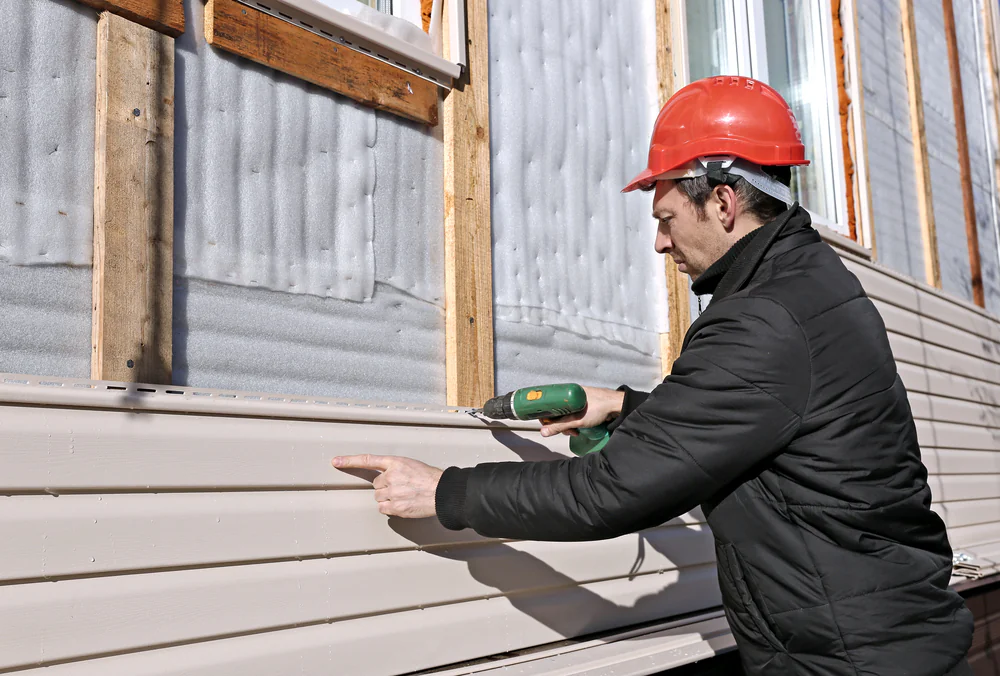
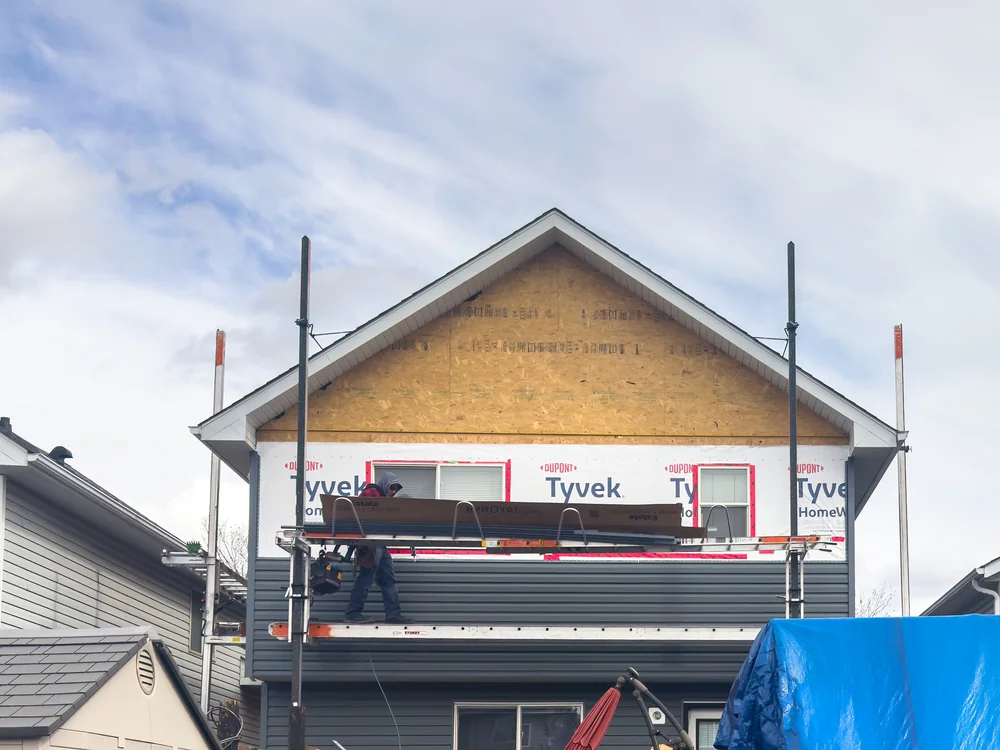
Once you approve the plan, we pull permits if needed and order materials. Installation starts with removing old siding and inspecting the sheathing underneath. If there’s rot or moisture damage, we address it before anything new goes up. Then comes house wrapping—this step matters more than most homeowners realize because it’s your primary defense against moisture intrusion.
After the wrap is sealed and flashed correctly, we install the siding. Panels get aligned, fastened at the right tension (not too tight, which causes buckling), and checked for level as we go. Trim, corners, and J-channels get caulked where necessary. The final walkthrough happens with you there—we point out what was done, answer any questions about maintenance, and make sure you’re clear on warranty coverage. Then we haul off the old material and leave your property clean.
Ready to get started?
You’re getting full removal of existing siding, disposal included. We don’t leave that mess for you to deal with. The new installation includes house wrapping with proper moisture barriers—critical in New Boston, NH where freeze-thaw cycles will find every weak point in your exterior.
Material options depend on what your home needs and what your budget allows. Vinyl siding installation in New Boston typically runs $8–$10 per square foot and gives you low maintenance and solid energy efficiency, especially with insulated backing. Fiber cement siding costs more—around $11–$13 per square foot—but it’s built specifically for New England’s climate. We use the James Hardie HardieZone system in New Boston, NH, which engineers the product for areas with freezing temps, extreme seasonal swings, and heavy snow loads.
Every installation includes flashing around windows and doors, sealed corners, and ventilation where your home needs it. We’re not just covering the outside—we’re creating a system that manages moisture, improves insulation, and holds up against wind and impact. Most vinyl siding comes with a manufacturer warranty. Fiber cement typically includes a 30-year limited warranty. Our labor warranty covers installation defects, so if something fails because of how it was installed, we handle it.
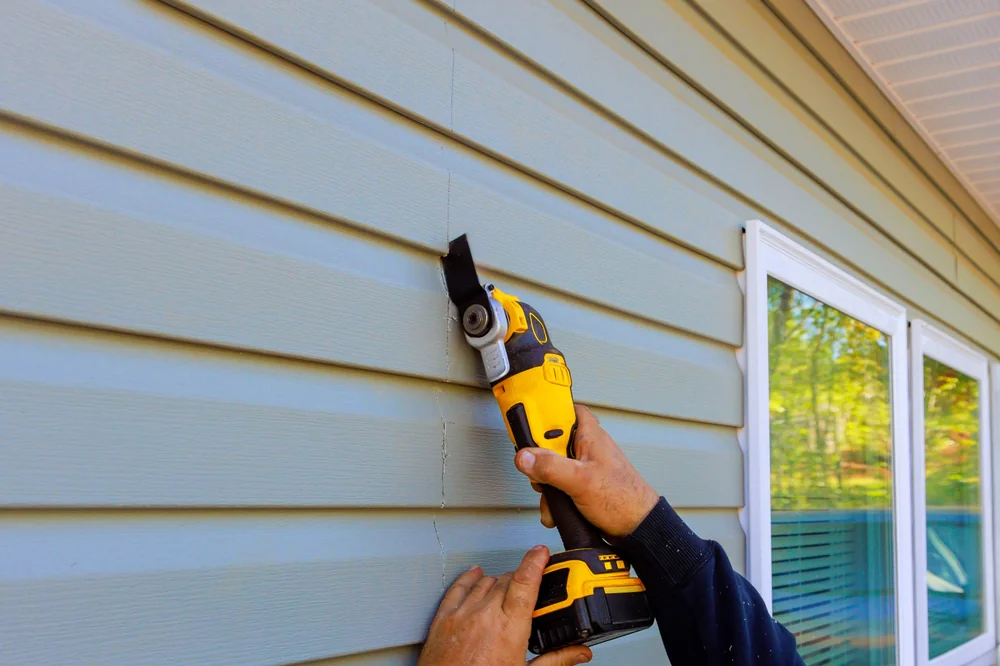
For a typical home in New Boston, vinyl siding installation runs between $14,400 and $18,000. That’s based on around 1,800 square feet of exterior surface at $8–$10 per square foot. Fiber cement siding costs more—expect $19,800 to $23,400 for the same size home, with material costs around $11–$13 per square foot.
Those numbers include removal of old siding, house wrapping, new material, trim, and labor. They don’t include repairs to underlying sheathing if we find rot, which happens more often than homeowners expect in New Boston’s climate. If your home has complex architecture—lots of corners, dormers, or multi-level sections—that adds to labor time and material waste, which increases cost.
The range also depends on what you choose. Insulated vinyl with full-back foam costs more than standard vinyl but cuts energy loss. James Hardie fiber cement is the most expensive option up front, but it’s engineered specifically for freeze-thaw cycles and returns 76–86% of the project cost at resale. We give you a fixed quote after measuring your home, so there’s no guessing.
Fiber cement and insulated vinyl both handle New Boston winters well, but for different reasons. Fiber cement—especially James Hardie products—is designed for the HardieZone that includes New Hampshire. It won’t crack during freeze-thaw cycles, won’t rot when moisture gets trapped, and holds up against ice and wind without warping.
Insulated vinyl siding installation in New Boston, NH gives you a different advantage: the foam backing adds an insulation layer that reduces thermal bridging and helps your heating system work less. It’s not as impact-resistant as fiber cement, but it’s significantly cheaper and requires almost no maintenance. You can pressure wash it without worrying about damage.
Wood siding looks great but it’s a maintenance burden in this climate. Cedar needs regular staining, it’s expensive to source right now, and it’s vulnerable to moisture and insects. Composite options exist, but they’re typically pricier than vinyl without offering the durability of fiber cement. Most homeowners in New Boston go with either quality vinyl for the low maintenance and energy savings, or fiber cement for the longevity and resale value.
Most siding installations in New Boston, NH take between five and ten days, depending on the size of your home and the complexity of the job. A straightforward ranch with minimal trim might be done in under a week. A two-story colonial with multiple gables, bay windows, and detailed corners takes longer.
Weather affects the timeline more than most people realize. We can’t install siding in heavy rain or when temperatures drop below the manufacturer’s minimum threshold, which varies by material. Vinyl becomes brittle in extreme cold, and fiber cement needs specific conditions for proper fastening and sealing.
The process breaks down like this: one to two days for removal and inspection, one day for house wrapping and flashing, then three to six days for siding installation depending on square footage and detail work. If we find rot or structural issues during removal, that adds time for repairs. We’ll give you a projected timeline before starting and update you if anything changes. Most of our crews work during daylight hours and clean up the site at the end of each day so your property isn’t left a mess overnight.
Yes. House wrapping is not optional in New Boston, NH—it’s the difference between siding that protects your home and siding that just covers it. The wrap creates a moisture barrier behind the siding that lets vapor escape from inside your home while blocking water from getting in.
New Hampshire’s freeze-thaw cycles are brutal on homes. Snow melts, water runs down your siding, and if there’s no proper barrier, it seeps behind the panels and into your sheathing. That’s how you end up with rot, mold, and structural damage that costs far more to fix than the siding itself.
Quality house wrapping—like HardieWrap if you’re installing fiber cement—also adds an insulation element. It reduces air infiltration, which means fewer drafts and lower energy bills. The wrap gets installed after old siding is removed and any sheathing damage is repaired. It’s taped at the seams, flashed around windows and doors, and sealed at penetrations. Skipping this step or doing it poorly is one of the main reasons siding fails early. We don’t cut corners here because the consequences show up fast in this climate.
It can, but it depends on what you’re replacing and what you’re installing. If your current siding is old, damaged, or poorly installed, you’re losing heat through gaps, cracks, and areas where the house wrap has failed. New siding installation in New Boston, NH with proper wrapping and insulated materials will reduce that loss.
Insulated vinyl siding makes the biggest difference for energy efficiency. The foam backing fills the gap between your sheathing and the siding, reducing thermal bridging and air leaks. Homeowners typically see a noticeable drop in heating costs during winter because the furnace isn’t compensating for drafts and cold spots.
Fiber cement doesn’t have built-in insulation, but when it’s installed over quality house wrapping, it still improves your home’s thermal performance by creating a tighter building envelope. The real savings come from stopping air infiltration and moisture intrusion—two things that make your HVAC system work overtime. If your energy bills have been climbing and you’ve noticed drafts near windows or cold walls during winter, new siding with proper installation will address that. Just don’t expect it to fix problems caused by poor attic insulation or leaky windows—those need separate attention.
Vinyl siding replacement returns between 82% and 86% of the project cost when you sell, according to recent remodeling data. Fiber cement siding sits in a similar range—76% to 86%—depending on the market and how well the installation was done. That’s one of the most consistent ROI figures for exterior improvements.
But the return isn’t just financial. New siding in New Boston, NH affects how fast your home sells and what kind of buyers it attracts. Homes with updated exteriors get more showings, spend less time on the market, and generate fewer inspection objections. Buyers notice curb appeal immediately, and siding is one of the first things they see.
The other return is what you get while you still live there: lower energy bills, no maintenance headaches, and no more worrying about what the next winter will do to your exterior. If you’re planning to stay in your home for several more years, those benefits add up. If you’re selling soon, new siding signals to buyers that the home has been maintained, which removes a major objection before they even make an offer. Either way, it’s one of the few home improvements that pays you back in multiple ways.
Other Services we provide in New Boston