Hear from Our Customers
Auburn winters aren’t gentle. Between the freeze-thaw cycles, 76+ inches of snow, and ice buildup, your siding goes through hell from November to April. Most homeowners don’t think about it until they spot a crack, see mold creeping up the north side, or notice their heating bills climbing.
Regular siding maintenance in Auburn, NH isn’t about making your house look pretty for the neighbors. It’s about stopping water from getting behind your siding where it rots out sheathing and breeds mold. It’s about spotting warped panels before winter wind gets underneath and rips them off entirely.
A proper inspection catches the gaps in your caulking, the loose sections near your roofline, and the early signs of moisture damage. Annual cleaning removes the mold and mildew that eat away at your siding’s protective layer. Both together? They add years to your siding’s life and keep your home’s envelope tight enough that you’re not heating the outdoors all winter.
We know what Auburn weather does to siding because we’ve been repairing the damage for over a decade. We’re an Owens Corning Preferred Contractor, which means we meet strict standards for quality work and customer service that most contractors can’t touch.
We’re not the cheapest option in Auburn, NH. But when you’re trying to protect a six-figure investment from New Hampshire’s climate, cheap usually means doing it twice. Our maintenance work gets done right the first time, on schedule, and without the surprises that come from contractors who don’t know what they’re looking at.
Auburn homeowners hire us because we show up when we say we will, we explain what’s actually wrong without the upsell nonsense, and we’ve built a reputation on work that holds up through multiple New England winters.
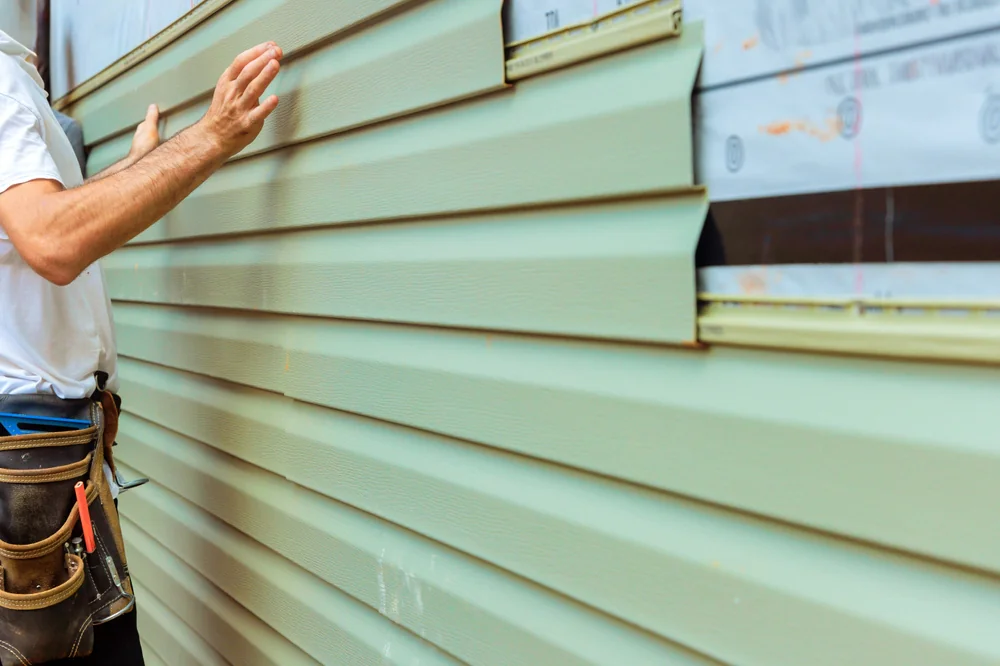
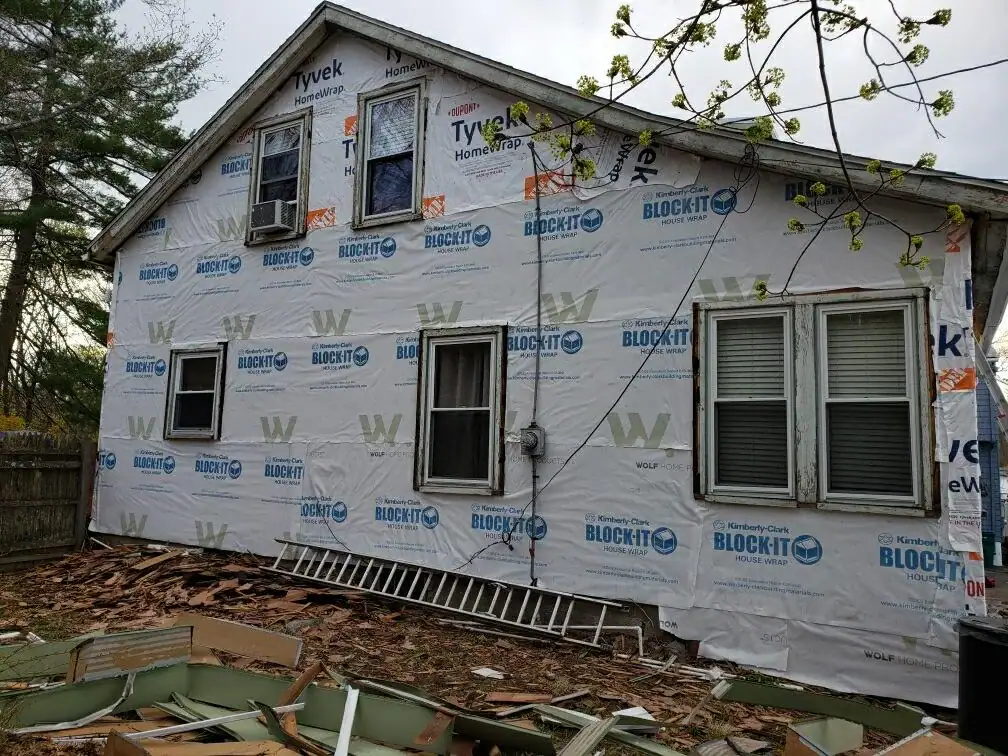
First, we inspect your siding from ground to roofline. We’re looking for cracks, warping, loose panels, failed caulking, and any signs that water’s getting where it shouldn’t. This isn’t a quick walk-around—we check every corner, seam, and transition point where problems typically start.
Next comes cleaning. For vinyl siding in Auburn, NH, we use the right pressure (1,300-1,500 PSI max) with a vinyl-safe cleaning solution that removes mold and mildew without damaging the material. Too much pressure cracks vinyl. Too little leaves the buildup that degrades your siding over time. We use wide-angle nozzles, keep the right distance, and work methodically so nothing gets missed.
After cleaning, we handle repairs. That means re-caulking gaps, replacing damaged sections, and fixing anything that could let moisture behind your siding. We document everything we find, explain what needs attention now versus what you can monitor, and give you a realistic timeline for when maintenance items will need addressing.
You get a home that’s protected, siding that lasts longer, and clarity on what’s actually happening with your exterior—no guessing, no panic when something fails unexpectedly.
Ready to get started?
Our siding maintenance in Auburn, NH covers the full scope of what your exterior needs to survive here. That includes a detailed inspection after winter when freeze-thaw damage shows up, and again before winter when you need to button everything up tight.
Cleaning vinyl siding means more than spraying it down with a hose. We’re removing the mold and mildew that thrives in Auburn’s humid summers, the dirt and pollen buildup that holds moisture against your siding, and the grime that makes your home look tired. The right cleaning method depends on your siding type—vinyl can handle more pressure than fiber cement, and we adjust accordingly.
Mold and mildew removal gets special attention on north-facing walls and shaded areas where moisture lingers. Left alone, that growth doesn’t just look bad—it breaks down your siding’s protective coating and creates entry points for water. We treat it properly so it doesn’t come back in three weeks.
You also get caulking maintenance around windows, doors, and trim. Those seals fail constantly in New England weather, and they’re your first line of defense against water intrusion and air leaks that kill your energy efficiency. We re-seal what needs it and flag what’s still holding up fine.
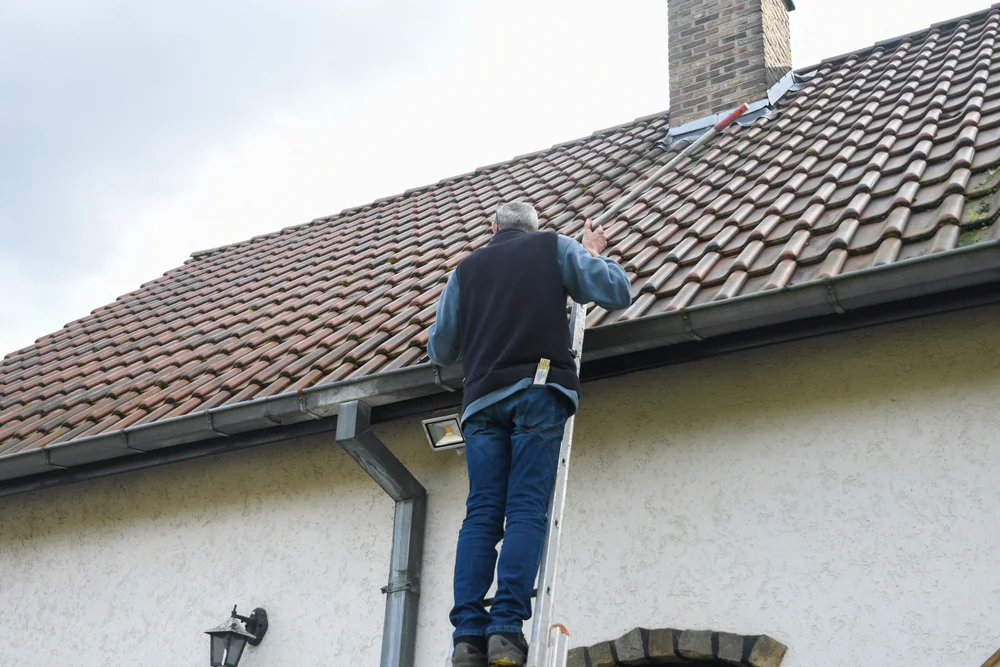
Once a year is the standard recommendation for Auburn, and timing matters. Most homeowners schedule cleaning in late spring or early summer after pollen season ends but before the humid weather really kicks in.
That said, if you’ve got mature trees near your house or your property doesn’t get much sun, you might need cleaning twice a year. Mold and mildew grow faster in shade and moisture, and waiting a full year means you’re letting that growth eat away at your siding’s protective layer for months.
The other time to clean is after major storms or before selling your home. Storm debris and dirt buildup kill curb appeal fast, and buyers notice. A professional cleaning before listing can genuinely impact your sale price because it makes your whole property look maintained instead of neglected.
Power washing uses higher pressure (usually 2,000-3,000 PSI) and is better for concrete, brick, and surfaces that can handle the force. Soft washing uses lower pressure (under 1,500 PSI) combined with cleaning solutions that do the heavy lifting instead of just blasting everything with water.
For vinyl siding in Auburn, NH, soft washing or low-pressure power washing is the right call. Vinyl can crack or warp under too much pressure, especially if it’s older or already stressed from years of freeze-thaw cycles. We typically stay in the 1,300-1,500 PSI range with wide-angle nozzles and keep the wand at least 12-18 inches from the surface.
The cleaning solution matters as much as the pressure. Vinyl-safe detergents break down mold, mildew, and dirt without damaging the material or killing your landscaping. Cheap contractors skip this step and just blast everything with high pressure, which is how you end up with cracked siding and water behind your walls.
You can clean your own siding if you’ve got the right equipment, know the safe pressure ranges for your material, and don’t mind spending a full day on a ladder. Most homeowners who try it either use too much pressure and crack their siding, or too little and don’t actually remove the mold.
The bigger risk is what you miss. Professional siding maintenance in Auburn, NH isn’t just about cleaning—it’s about spotting problems while we’re up there. Loose panels, failed caulking, early rot, pest damage, and moisture intrusion all show subtle signs before they become expensive emergencies. If you’re not trained to recognize them, you’re cleaning around problems that are actively getting worse.
There’s also the equipment factor. A quality pressure washer with adjustable PSI, the right nozzles, and proper cleaning solutions costs several hundred dollars. Add in ladder safety, the time investment, and the risk of doing it wrong, and most Auburn homeowners find that paying a professional once a year is cheaper than fixing DIY mistakes or replacing damaged siding.
Start with cracks and warping, especially on south and west-facing walls that take the most sun exposure and temperature swings. Vinyl expands and contracts with temperature changes, and after years of Auburn winters, that stress shows up as cracks near seams or warped panels that don’t sit flush anymore.
Check your caulking around windows, doors, corners, and anywhere two different materials meet. Failed caulk looks cracked, separated from the surface, or completely missing. Those gaps let water behind your siding where it rots out your sheathing and creates mold problems you won’t see until the damage is severe.
Look for mold and mildew growth, particularly on north-facing walls and shaded areas. A little surface mold is normal and comes off with cleaning, but heavy buildup or mold that keeps coming back quickly means you’ve got a moisture problem. That could be failed caulking, a roof leak above, or siding that’s not draining properly. Also check for loose or missing panels, especially after winter storms. Wind gets under loose siding and tears off entire sections, and the damage spreads fast once it starts.
Vinyl siding typically lasts 20-40 years, and fiber cement can go 30-50+ years, but only if you maintain it. Without maintenance, you’re looking at the low end of those ranges or worse. The difference is whether you’re preventing damage or letting it accumulate.
Regular cleaning removes mold and mildew that break down your siding’s protective coating. That coating is what keeps UV rays from making vinyl brittle and what stops moisture from penetrating fiber cement. Once it’s compromised, your siding ages faster and fails sooner. Annual cleaning keeps that protection intact.
Inspections catch small problems before they cascade. A $50 caulking repair now prevents a $5,000 water damage repair later. A loose panel that gets reattached today doesn’t become a missing panel and rotted sheathing next winter. Maintenance is about stopping the small failures that turn into big ones, and in Auburn’s climate where freeze-thaw cycles and heavy snow stress everything, those small failures happen constantly if you’re not watching for them.
Late spring through early fall is your window, with late spring being ideal for most Auburn homeowners. You want to clean and inspect after winter damage has revealed itself but before summer humidity kicks mold and mildew growth into high gear.
May and June are perfect because winter’s freeze-thaw damage is visible, pollen season is wrapping up, and you’ve got warm, dry weather that’s comfortable to work in. You also have time to make any repairs before next winter instead of discovering problems in November when contractors are booked solid and weather makes exterior work difficult.
Early fall works too, especially if you’re focused on pre-winter preparation. A September or early October inspection lets you seal up any gaps, replace damaged sections, and make sure your siding is tight before snow and ice start testing every weak point. Just don’t wait until late fall—once temperatures drop consistently below freezing, caulking doesn’t cure properly and some repairs become impossible until spring.