Hear from Our Customers
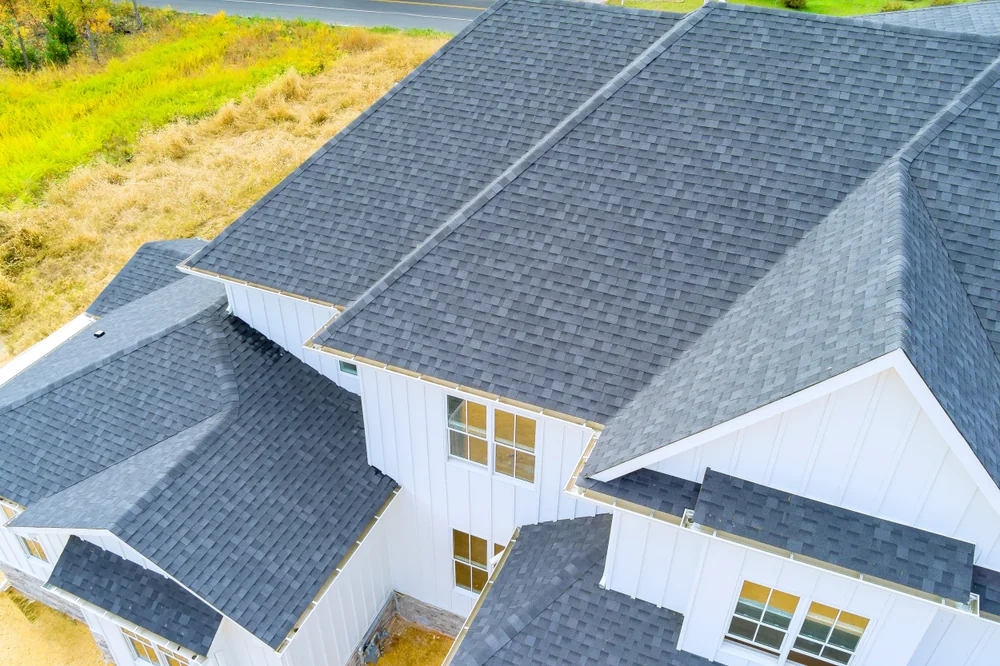
Your siding isn’t just about looks. It’s your first line of defense against moisture, drafts, and the kind of weather damage that turns into expensive repairs down the road.
When you upgrade to fiber cement or insulated vinyl, you’re cutting energy bills, eliminating the repaint cycle, and adding serious resale value. Fiber cement returns about 114% at resale. Vinyl replacement recoups up to 97% of your cost. That’s not marketing talk—that’s data from actual home sales.
You also get immediate curb appeal. Faded panels and peeling paint make your home look tired. New siding makes it look cared for, updated, and worth more. That matters whether you’re selling next year or staying put for twenty.
We’ve been handling exterior home remodeling in Brentwood, NH for over two decades. We’re BBB accredited, NARI members, and we’ve earned Best of Seacoast recognition because we show up, do the work right, and don’t disappear after the check clears.
Brentwood’s housing stock skews newer, but that doesn’t mean every install was done correctly. We’ve seen plenty of homes with moisture issues, poor flashing, and siding that wasn’t engineered for New England’s climate. We fix that. Our installs are built to handle the freeze-thaw punishment, the wind-driven rain, and the UV exposure that comes with living here.
You’re not getting a crew that learned siding last month. You’re getting installers who’ve done hundreds of jobs in this area and know what holds up.
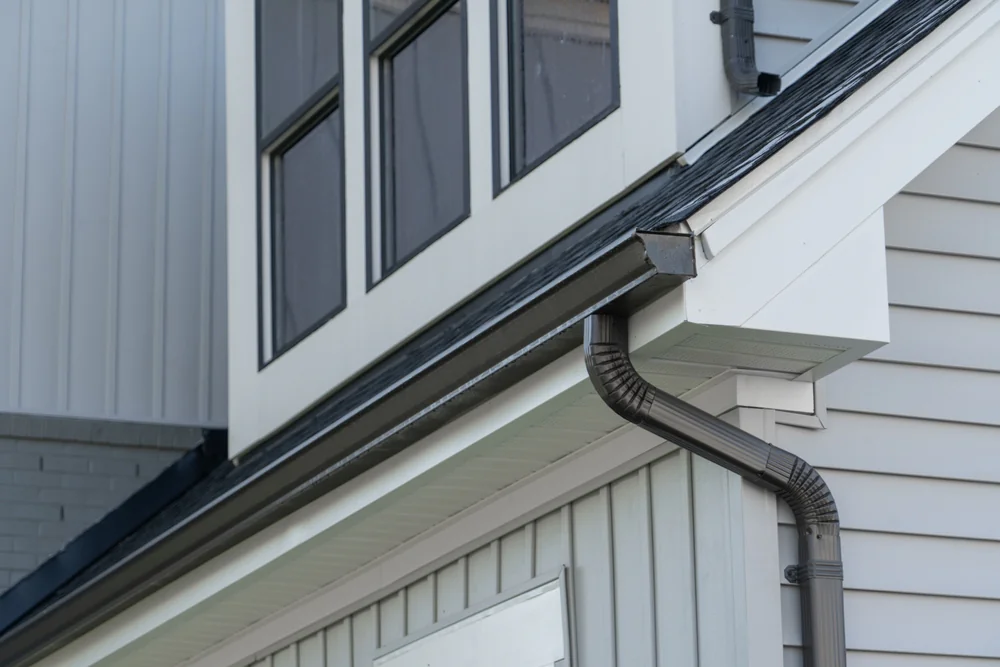
First, we come out and assess your current siding. We’re looking for damage, moisture intrusion, insulation gaps, and whether your sheathing is solid. If there’s rot or structural issues, we tell you before we quote the cosmetic work.
Next, we walk you through material options. Vinyl is low-maintenance and cost-effective. Fiber cement like James Hardie is engineered for New England weather and lasts 30 to 50 years. We’ll explain the ROI, the maintenance requirements, and what makes sense for your home and budget.
Once you choose, we order materials and schedule the install. Our crew removes old siding, inspects and repairs sheathing if needed, adds moisture barriers and insulation, then installs your new siding with proper flashing and sealing. We don’t rush. We don’t cut corners. When we’re done, your home is sealed tight and looks sharp.
Ready to get started?
You get a full assessment of your exterior, not just a quote based on square footage. We check for hidden damage, measure for material waste, and plan the install around your home’s specific challenges—roof lines, window trim, architectural details.
Material selection includes vinyl, fiber cement, wood, and composite options in multiple colors and textures. We’re a James Hardie partner, so if you want siding engineered specifically for New England’s climate with the HardieZone system, we can get you that.
Installation covers removal of old siding, sheathing repair, moisture barrier upgrades, insulation improvements, and full exterior sealing. We handle trim, flashing, and any carpentry work needed to make sure everything fits right and performs long-term. Brentwood’s newer homes often have builder-grade siding that wasn’t built to last—we upgrade that to materials designed for 30+ year lifespans.
You also get free siding estimates in Brentwood, NH with no pressure and no games. We tell you what it costs, what you’re getting, and why it’s priced that way.

Fiber cement siding lasts 30 to 50 years in New Hampshire when it’s installed correctly. That’s significantly longer than vinyl, which typically gives you 20 to 40 years, and way longer than wood, which needs constant maintenance and starts deteriorating after 15 to 20 years without repainting.
The reason fiber cement holds up is because it’s engineered to resist moisture, freeze-thaw cycles, and impact damage. James Hardie’s HardieZone system specifically designs products for regional climates, so the siding you get in New England is built to handle the temperature swings, snow load, and humidity we deal with here.
You won’t need to repaint it every decade like wood. You won’t see warping or cracking like you do with lower-grade vinyl. It’s a one-time investment that outlasts most other exterior materials and returns over 100% of its cost when you sell.
Insulated vinyl siding is the best option if energy efficiency is your top priority. It includes a foam backing that adds an extra R-value layer to your exterior walls, reducing heat loss in winter and heat gain in summer. You’ll see lower energy bills and more consistent indoor temperatures.
Fiber cement also performs well when paired with quality insulation during installation. It doesn’t conduct heat like metal, and it creates a tight seal that prevents drafts. The key is making sure your installer adds proper moisture barriers and insulation behind the siding—that’s where most energy loss happens.
Standard vinyl without insulation still outperforms old wood siding, but if you’re serious about cutting energy costs, go with insulated vinyl or fiber cement with upgraded wall insulation. Both options pay for themselves over time through lower utility bills, and they make your home more comfortable year-round.
Siding replacement in Brentwood, NH typically runs between $8,000 and $20,000 depending on your home’s size, the material you choose, and how much prep work is needed. Vinyl is the most affordable option. Fiber cement costs more upfront but lasts longer and returns more at resale.
If we find rotted sheathing or structural damage during the assessment, that adds to the cost because it has to be fixed before new siding goes on. Skipping that repair just traps the problem under new material, and it gets worse over time.
We give you a detailed estimate that breaks down material costs, labor, prep work, and any extras like new trim or insulation upgrades. No surprises, no hidden fees. You’ll know exactly what you’re paying for and why it’s priced that way before we start.
Yes, we can install siding in winter in New Hampshire, but there are limitations. Vinyl becomes brittle in freezing temperatures, so we avoid installing it when it’s below 40 degrees. Fiber cement can be installed in colder weather as long as we follow manufacturer guidelines and take precautions with adhesives and caulking.
The bigger issue in winter is moisture and ice. If your sheathing is wet or there’s ice buildup, we have to wait for it to dry out. Installing over moisture traps it behind the siding and leads to mold and rot. We won’t do that just to hit a deadline.
Spring and fall are ideal for siding work because temperatures are stable and conditions are dry. But if you need winter installation and the weather cooperates, we can make it happen. We just won’t compromise the quality of the install to rush it.
Not necessarily. If your siding is just faded but still structurally sound—no cracks, warping, or moisture damage—you might be able to paint it or clean it instead of replacing it. Vinyl can be painted with the right products, and fiber cement is designed to be repainted.
But if the fading comes with other issues like loose panels, gaps around windows, or visible water damage, replacement makes more sense. Faded siding often means the material is aging out, and you’re likely dealing with reduced weather protection and energy efficiency even if it looks okay from the street.
We’ll assess the condition during your free estimate and tell you whether repair, painting, or replacement is the smartest move. Sometimes a full replacement is the only way to fix underlying problems. Other times, you can extend the life of your current siding with maintenance. We’re not going to sell you a full tear-off if you don’t need it.
Siding replacement delivers one of the highest ROIs in home remodeling. Fiber cement siding returns about 114% of your cost at resale in this market. Vinyl siding replacement recoups around 97%. Those numbers come from actual resale data, not estimates.
Brentwood’s real estate market is strong, with high home values and educated buyers who notice exterior condition. Homes with new, low-maintenance siding sell faster and command higher prices than homes with faded or outdated exteriors. Curb appeal matters here.
Beyond resale value, you also get energy savings, lower maintenance costs, and better weather protection. If you’re planning to stay in your home, those benefits add up over time. If you’re selling soon, new siding is one of the few upgrades that pays for itself and then some.