Explore the window installation trends shaping 2026—from energy-saving tech to bold design choices that make your home more comfortable and beautiful. Because your house deserves a better view than a drafty frame.
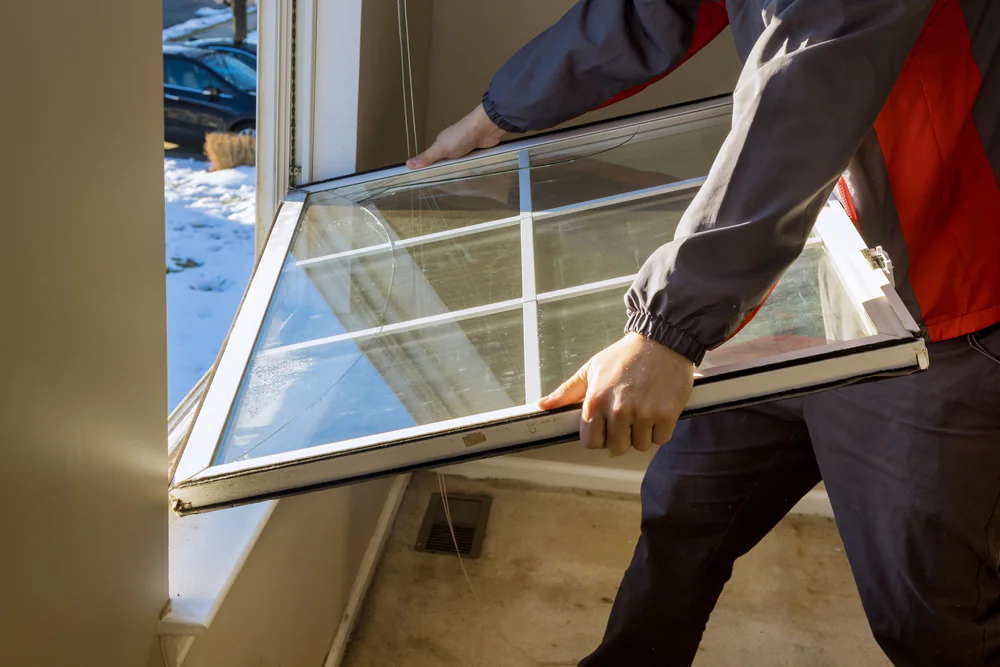
Energy efficiency used to be a nice-to-have feature. A checkbox on a spec sheet. Something salespeople mentioned if you asked. Now, it’s the legal equivalent of having brakes on your car—you really shouldn’t skip it.
Not anymore. In 2026, it’s the baseline. Homeowners expect it. Building codes are tightening around it. And your HVAC system is either benefiting from it or struggling because of its absence. Your furnace shouldn’t have to work harder than a mall Santa in December.
Here’s the reality: according to the U.S. Department of Energy, 25-30% of your home’s heating and cooling energy escapes through your windows. That’s not a small leak. That’s a constant drain on your wallet and your comfort. ENERGY STAR certified windows can cut that loss significantly—saving the average homeowner between $100 and $600 per year depending on what you’re replacing.
Energy efficiency isn’t just about having two panes of glass instead of one. It’s a system. And when you understand how that system works, you can make better decisions about what you need. It’s not magic; it’s just very smart science.
Low-E glass is one of the biggest players. It’s a microscopically thin metallic coating applied during manufacturing—invisible to the eye but incredibly effective at reflecting infrared heat. In winter, it keeps warmth inside. In summer, it blocks external heat from getting in. It’s basically SPF for your living room furniture.
Then there’s the space between the panes. Double-pane windows have one insulating chamber. Triple-pane windows have two. Those chambers are typically filled with argon or krypton gas—both denser than air and better at slowing heat transfer. No, we aren’t pumping Superman’s home planet into your house; it just works better than regular air.
Frame material matters more than most people realize. Vinyl and fiberglass frames insulate better than aluminum. Wood looks great but expands and contracts with temperature changes, which can lead to air leaks over time. Fiberglass offers strength and stability, especially for larger or heavier windows. Your climate, budget, and aesthetic preferences all factor into the right choice, but don’t overlook this part—it’s just as important as the glass.
You’ll also see terms like U-factor and Solar Heat Gain Coefficient (SHGC) on window labels. U-factor measures how well a window prevents heat from escaping—lower is better. SHGC measures how much solar heat passes through the glass. In cold climates like Massachusetts and New Hampshire, you want a low U-factor and a moderate SHGC to capture some winter sun. In hotter climates, you’d prioritize a lower SHGC to block heat. The National Fenestration Rating Council (NFRC) tests and certifies these ratings, so you’re not just taking a manufacturer’s word for it.
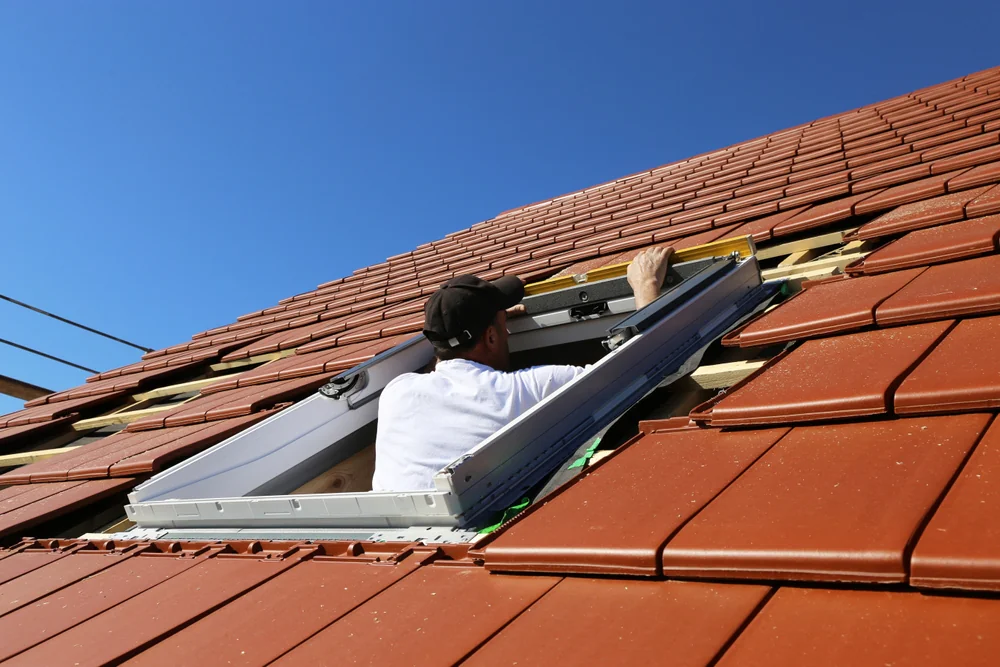
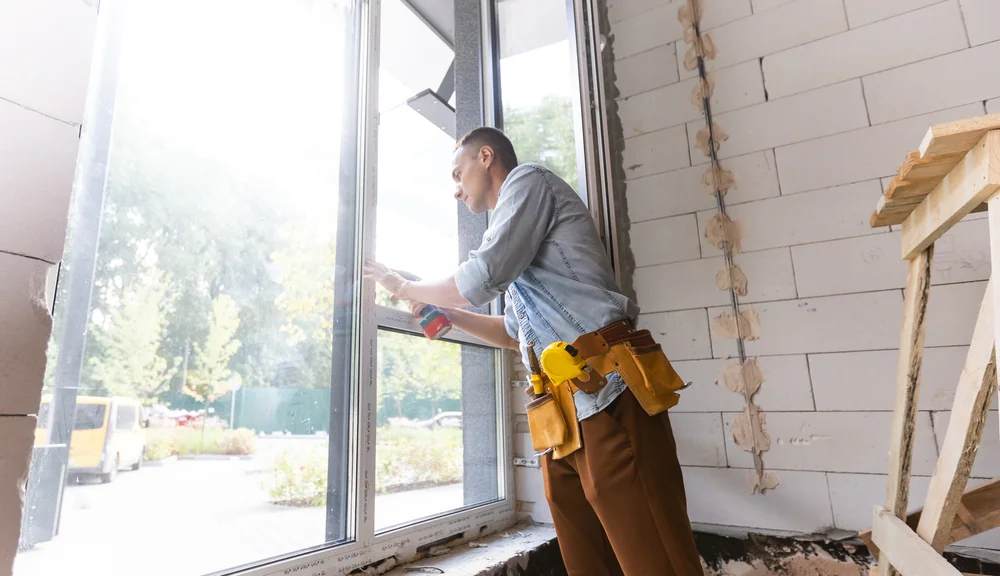
Professional installation is the final piece. Even the most advanced window loses efficiency if it’s installed poorly. Air leaks typically occur around the frame—not through the glass itself. Improper sealing, misalignment, or rushed installation can undermine the entire investment. A bad install is like wearing a designer tuxedo with flip-flops—it just doesn’t work. Product quality plus precision installation—not one or the other.
This is one of the most common questions homeowners face during window replacement, and the answer isn’t as simple as “more panes equals better.” It’s the “extra guac” of the window world—is it worth the upcharge?
Double-pane windows are the standard for good reason. They offer excellent energy efficiency, solid noise reduction, and a price point that makes sense for most homeowners. A quality double-pane window with Low-E glass and argon fill will reflect about 90% of energy, keeping heat out in summer and in during winter. That’s a massive improvement over single-pane windows and more than enough for moderate climates.
Triple-pane windows take it further. With three layers of glass and two insulating chambers, they reflect about 97% of energy. They’re quieter, warmer to the touch on the interior surface during winter, and better at preventing condensation. The R-value—a measure of thermal resistance—ranges from 3 to 3.8 for double-pane windows. Triple-pane windows can hit R-values of 7 to 8, making them significantly more effective at blocking heat flow. It’s the heavy winter parka of windows.
But triple-pane windows cost more—typically 10-15% to 25-50% more depending on the manufacturer and features. They’re also heavier, which means they require more robust frames and hardware. And they let in slightly less natural light due to the extra pane and coatings.
So when does triple-pane make sense? If you live in a region with harsh winters (hello, New England), if you’re planning to stay in your home long-term, if you live near a highway or airport and need serious noise reduction, or if you want the highest level of comfort and efficiency available. The payback period through energy savings can range from 10 to 20 years, so it’s not always a quick financial win—but the comfort improvement is immediate. If your neighbor’s leaf blower is your arch-nemesis, triple-pane might be your hero.
For most homeowners in Essex County, Hillsborough County, Rockingham County, and Middlesex County, high-quality double-pane windows offer an excellent balance of performance and affordability. But if you’re replacing windows in a forever home or dealing with particularly cold exposures, triple-pane is worth the conversation.
Want live answers?
Connect with a Paradise Remodeling Inc. expert for fast, friendly support.
Energy efficiency gets the headlines, but design is what you see every day. And in 2026, homeowners aren’t settling for builder-grade white vinyl anymore. White vinyl is the “unseasoned chicken” of the window world.
Windows are becoming architectural statements. Black frames are everywhere—crisp, bold, and surprisingly versatile. They work in contemporary homes and traditional ones, creating contrast that highlights views and adds definition to exteriors. High-quality powder-coated finishes keep the color rich even in harsh sun or coastal weather, which matters in New England. It’s like your house is wearing eyeliner, and it looks fantastic.
Expansive glass is another major trend. Large picture windows, tall fixed panels, and floor-to-ceiling glass walls maximize natural light and create seamless indoor-outdoor connections. These aren’t just aesthetic choices—natural light has been linked to improved mood, better sleep, and overall well-being. In regions with long winters and shorter daylight hours like Massachusetts and New Hampshire, maximizing natural light makes a noticeable difference in how your home feels year-round.
And then there’s the return of wood and natural textures. Stains that reveal grain patterns—pine, fir, redwood, mahogany—add character and warmth. Engineered treatments now help wood resist warping and moisture, making it a more practical option than it used to be. It’s not for everyone, but for homeowners who want that organic, high-end look, modern wood windows deliver.
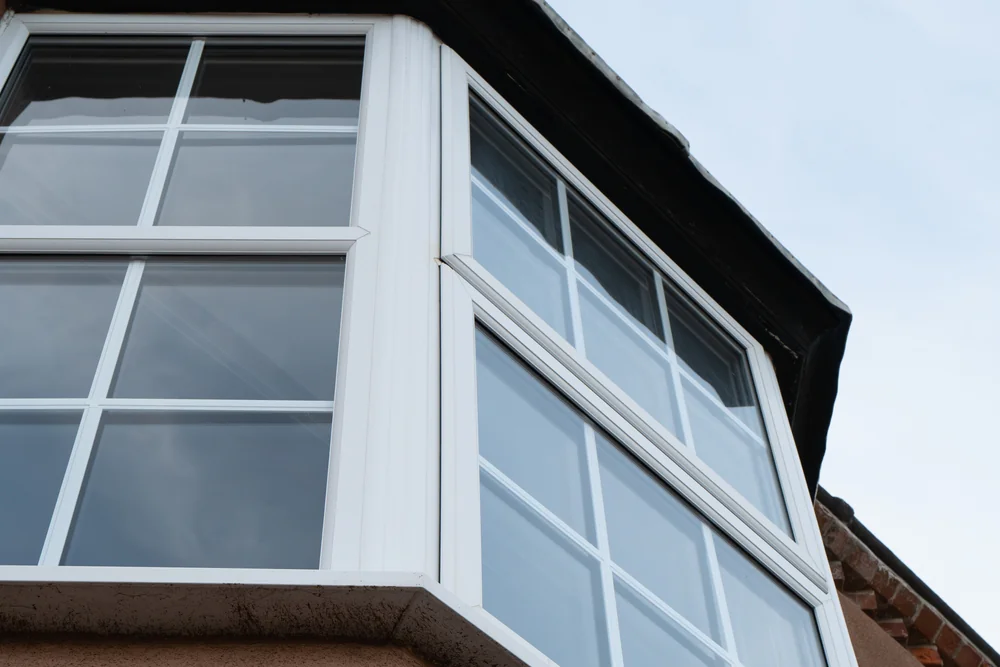
Smart glass is no longer science fiction. In 2026, electrochromic windows—glass that automatically adjusts its tint based on sunlight and temperature—are leading the window replacement sector. These windows darken when it’s bright and clear up when it’s overcast, reducing glare and heat gain without sacrificing your view. It’s like transition lenses, but for your house.
It’s still a premium option, but the technology is becoming more accessible. Homeowners who prioritize convenience, energy savings, and cutting-edge design are starting to adopt it, especially in new construction or high-end remodels.
Beyond smart glass, you’re seeing advancements in warm-edge spacer systems. Traditional aluminum spacers conduct heat and cold, creating a thermal bridge that reduces efficiency. Warm-edge spacers use non-conductive materials like structural foam, improving insulation around the glass edges and helping prevent seal failure. It’s a behind-the-scenes upgrade that extends the life of your windows and boosts performance.
Multi-chambered frames are also gaining traction. Vinyl and fiberglass frames with multiple internal chambers resist warping, moisture damage, and UV exposure. Fusion-welded corners create airtight seals, and multi-layer weatherstripping minimizes air infiltration. These features don’t make for flashy marketing, but they’re what separate windows that last 15 years from those that last 30. Because “leaky windows” is a very uncool vintage aesthetic.
The trend overall? Homeowners in 2026 want windows that work harder, last longer, and feel more personal than ever before. They’re moving away from short-lived design fads and choosing windows that feel timeless and purposeful. And they’re willing to invest in quality—especially when they understand the long-term value.
If you live in Essex County, Middlesex County, Hillsborough County, or Rockingham County, your window needs are specific. New England’s climate isn’t forgiving. You’re dealing with bitter winters, humid summers, coastal salt air in some areas, and temperature swings that test the durability of any building material. Our weather has a real personality, and it’s usually “angry.”
Low U-factors are critical here. You want windows that prevent heat from escaping during those long, cold months. A U-factor of 0.30 or lower is a good target for this region. Pair that with a moderate SHGC—around 0.35 to 0.50—so you’re capturing some passive solar heat in winter without overheating in summer.
Durability and weather resistance matter just as much as efficiency. Windows need to withstand wind-driven rain, snow accumulation, freeze-thaw cycles, and UV exposure. Vinyl and fiberglass frames hold up better than wood in these conditions. And proper installation with attention to flashing, sealing, and weatherproofing is non-negotiable. New England’s volatile weather changes require specialized installation knowledge, and that’s something we understand as experienced local contractors. We know that a Nor’easter is not just “a bit of wind.”
Noise reduction is another consideration, especially if you’re in a more urban area or near a highway. Double-pane windows reduce outside noise significantly. Triple-pane windows can reduce it by up to 20% more. If peace and quiet matter to you—or if you work from home—it’s worth factoring into your decision. Keep the traffic sounds on the street where they belong.
Condensation control is also relevant in this climate. Poorly insulated windows allow heat near them to escape, which makes them cool like the exterior. When warm, humid indoor air hits that cold surface, condensation forms. Over time, that moisture can lead to mold, water damage, and rot. Double-pane and especially triple-pane windows with proper Low-E coatings and gas fills keep the interior glass surface warmer, reducing condensation risk. Because your windows shouldn’t look like they’re crying.
Finally, think about maintenance. New England weather is tough on homes, and the last thing you want is windows that require constant upkeep. Modern vinyl and fiberglass windows don’t need painting, they resist rot and warping, and many feature tilt-in sashes for easy cleaning from inside your home. That’s a real quality-of-life upgrade, especially if you have second-story windows or limited mobility. Less time on a ladder, more time watching the game.
Windows are one of those investments that touch every part of your home life. Comfort. Energy bills. Curb appeal. Security. Noise levels. Maintenance. When you get them right, you stop thinking about them—and that’s exactly how it should be. A good window is like a good referee—you shouldn’t even notice it’s there.
The trends in 2026 point toward smarter, more effective, and more thoughtfully designed windows. Energy efficiency is the baseline. Advanced glass technology, durable frame materials, and professional installation are what separate good windows from great ones. And design options have expanded to the point where you don’t have to sacrifice aesthetics for performance.
If you’re in Massachusetts or New Hampshire and considering window replacement, focus on what matters most for this climate: low U-factors, quality frame materials, proper installation by certified professionals, and products that can handle New England’s weather extremes. Regardless of if you go with double-pane or triple-pane, vinyl or fiberglass, black frames or natural wood, make sure you’re working with a team that understands both the product and the region. The right windows will pay you back in comfort, savings, and assurance for decades. Because the only thing that should be transparent is the glass, not your heating bill.
We specialize in window installation across Essex County, Hillsborough County, Rockingham County, and Middlesex County, bringing quality craftsmanship and attention to detail to every project. If you’re ready to explore your options, reach out and start the conversation.
Summary:
Article details:
Share: