Your roof protects everything inside your home. When it needs repair or restoration, knowing what to expect makes the process smoother and less stressful. Because "indoor waterfall" is not a trending interior design choice.
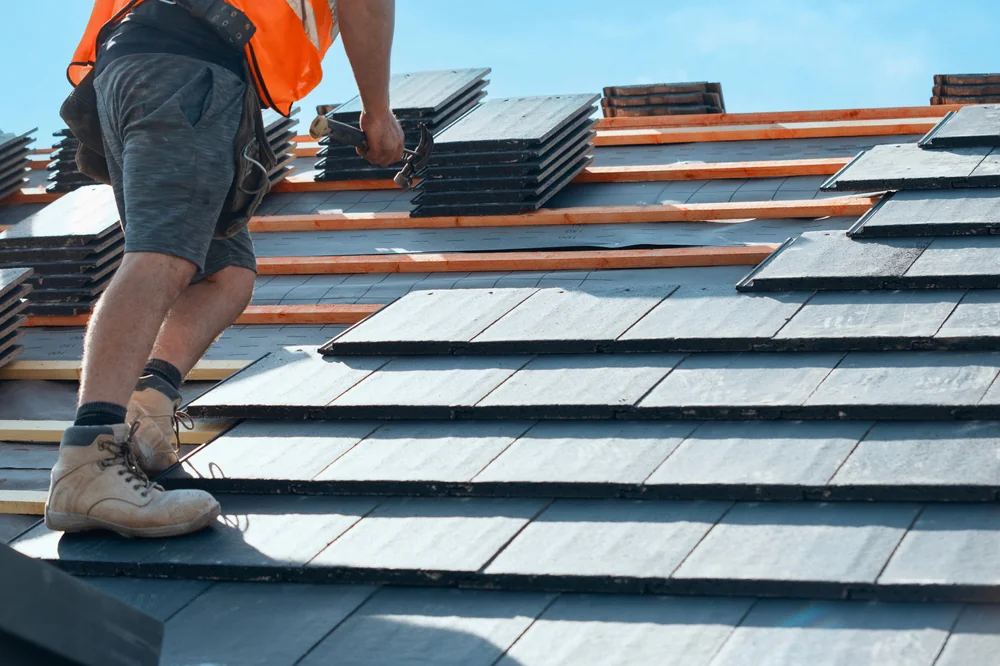
Not every roof problem screams for attention. Some are quiet. A small leak might show up as a ceiling stain weeks after the damage started. Missing shingles might go unnoticed until the next big storm decides to move your furniture around.
The key is knowing what to look for before small issues turn into an “I need a boat” level of expensive. Curled or cracked shingles mean your roof’s protective layer is compromised. If you’re finding granules in your gutters, it’s not “roof glitter”—it means your shingles are losing their shield. Sagging areas are serious—they often point to structural damage underneath. And if you can see daylight through your roof deck from the attic? That’s not a built-in sunroof; that’s an emergency.

New England weather doesn’t mess around. Your roof faces freeze-thaw cycles that crack shingles like peanut brittle and ice dams that force water under your roofline. Poor attic ventilation makes this worse. Basically, your attic is like a giant winter coat—if it doesn’t breathe, you’re going to have a bad time.
Flashing around chimneys and skylights is another weak spot. Over time it can corrode or pull loose. Age is the silent killer. Most asphalt roofs last 20 to 30 years. After that, they’re on borrowed time. Tree limbs scraping your roof wear down shingles, and moss/algae hold moisture against your roof like a damp towel. And poor installation from the start? That’s a ticking time bomb with a very wet fuse.
This is the question that stresses homeowners out the most. Repair feels cheaper, but replacement feels like the “nuclear option.” Making the wrong call is the difference between a minor tweak and a major financial face-palm.
Here’s a simple rule: if your roof is under 15 years old and damage is localized—a few missing shingles or an isolated leak—repair usually makes sense. Fix it, match it, and move on. But if your roof is over 20 years old, or more than 25% of it is compromised, replacement is the smarter move. Patching an old roof is like putting a Band-Aid on a broken bone. You might stop the immediate problem, but the rest of the roof is still aging, and the next leak is already planning its grand entrance.
Want live answers?
Connect with a Paradise Remodeling Inc. expert for fast, friendly support.
This is where most homeowners get burned. You want it done yesterday, so you call the first name that pops up or go with the lowest quote. Big mistake. Huge. Roofing contractors aren’t all created equal. Some are skilled pros; others are fly-by-night operators who’ll take your deposit and move to the Bahamas.
Start with credentials. Are they licensed and insured? Can they prove it without a magic trick? Look for certifications like Owens Corning Preferred Contractor status. It means the contractor has been vetted by the brands they install. It’s like the “Verified” checkmark on social media, but for people who actually do stuff.

Don’t just ask for a quote and sign. Dig deeper. Ask for references. Call them—don’t just assume they’re happy. Ask what materials they use. A good contractor will explain the difference between shingles and underlayment without putting you to sleep.
Get everything in writing. The estimate should break down materials, labor, and timeline. Vague estimates are the birthplace of “Wait, why is it costing $2,000 more?” Ask about cleanup. Roofing creates debris. If a contractor says “we’ll toss it in a dumpster and you deal with it,” that’s not a pro; that’s a liability. And finally, if they go silent for days, they aren’t “busy”—they’re unprofessional.
Let’s talk money. Roof repairs in 2026 run between $300 and $1,500. Full replacement in MA and NH averages $8,000 to $25,000. The cheapest quote isn’t always the best deal. A low-ball estimate often means subpar materials or skipping proper ventilation.
What are you actually paying for? Materials are part of it, but labor is a huge chunk. Skilled roofers aren’t just guys on a ladder; they’re precision installers who know how to keep gravity and moisture from ruining your life. Don’t forget hidden costs like removing the old roof or structural repairs if we find rot. Transparency is key. If the estimate just says “Roof stuff: $2k,” push back harder than a Nor’easter.
Your roof is one of your biggest investments. Know the warning signs. Understand repair vs. replacement. Choose a contractor based on credentials and trust—not just the lowest number on a napkin. Get it in writing, ask questions, and stop worrying about the next storm.
The homeowners who handle roof projects with the least stress are the ones who plan ahead and work with pros who treat their home with respect. If you’re in Essex County, Middlesex County, Hillsborough County, or Rockingham County and your roof needs a hand, we at Paradise Remodeling Inc bring the experience that takes the stress out of the sky.
Summary:
Article details:
Share: