Expert Door Maintenance Tips to Boost Your Home’s First Impression
Your doors face brutal New England weather daily. Learn simple maintenance steps that prevent costly repairs and keep your home comfortable year-round. Because "shoveling the living room" isn't a winter sport.
Your front door makes the first impression. But it also takes the biggest beating—New England winters that feel like a personal attack, humid summers that make everything “sticky,” and the occasional aggressive delivery driver.
Skip door maintenance, and you’re looking at drafts that spike your heating bill faster than a February nor’easter, or hinges that scream like a ghost in a low-budget horror movie. The good news? Most door problems start small. Catch them early with a simple routine, and you’ll save money, stay cozy, and keep your home looking sharp. Here’s how to keep your door from becoming a glorified wall.
Why Door Maintenance Matters for New England Homes
If you live in Essex County, MA, Middlesex County, MA, or across the border in New Hampshire, your doors are basically Olympic athletes. They have to survive temperature swings from “I can’t feel my face” to “why is it so sticky outside?”
Wood expands when it’s humid (it’s not “getting fat,” it’s just absorbing the atmosphere) and contracts when it’s cold. Weatherstripping cracks under constant freeze-thaw cycles. Regular door maintenance isn’t about being obsessed with your hinges; it’s about preventing a $2,000 replacement bill or a drafty entryway that lets enough cold air in to chill a six-pack in the foyer.
How Often Should You Inspect Your Exterior Doors?
Consistency beats intensity. You don’t need a PhD in Carpentry; you just need to show up.
Monthly: Do the “Five-Minute Jiggle.” Open and close the door. Look for light peeking through the edges—unless you’re trying to signal Batman, light shouldn’t be coming through your closed door.
Quarterly: Lubricate! Use a silicone-based spray on the hinges. Pro-tip: Don’t use cooking oil unless you want your entryway to smell like a deep fryer and attract the neighborhood squirrels.
Seasonally (Spring/Fall): Clean the threshold. New England salt and grit act like sandpaper on your door’s finish. Wipe it down before it eats through your protection.
What Happens When You Skip Door Maintenance?
Neglect is a silent budget killer. Drafty doors are the biggest culprit. When weatherstripping fails, your heating system has to work harder than a snowplow during a blizzard.
Then there’s the “shoulder-bump.” We’ve all seen that door that requires a football-style tackle just to open it because the wood has swollen or the hinges have sagged. If you have to body-slam your front door to get the mail, your maintenance schedule has officially failed. Ignoring small rot spots in the frame is even worse—by the time you see the mushroom growing out of the trim, you’re looking at a full structural renovation.
Want live answers?
Connect with a Paradise Remodeling Inc. expert for fast, friendly support.
Essential Door Maintenance Tasks You Can Do Yourself
Most door care requires nothing more than a screwdriver, a rag, and maybe a little elbow grease. Start with cleaning. A mix of mild detergent and warm water works wonders. Avoid using a pressure washer on your door unless you’re trying to turn your entryway into an indoor water park.
How to Check and Replace Weatherstripping
Weatherstripping is the “raincoat” for your door. Stand inside on a sunny day; if you see the sun shining through the cracks, it means the cold air has a VIP pass into your living room.
Replacement is easy: peel off the old, brittle stuff, clean the surface (so the new glue actually sticks), and press the new strip into place. It’s a $20 fix that can save you a fortune on your National Grid bill. If you can use a sticker, you can replace weatherstripping.
Maintaining Hardware and Preventing "The Sag"
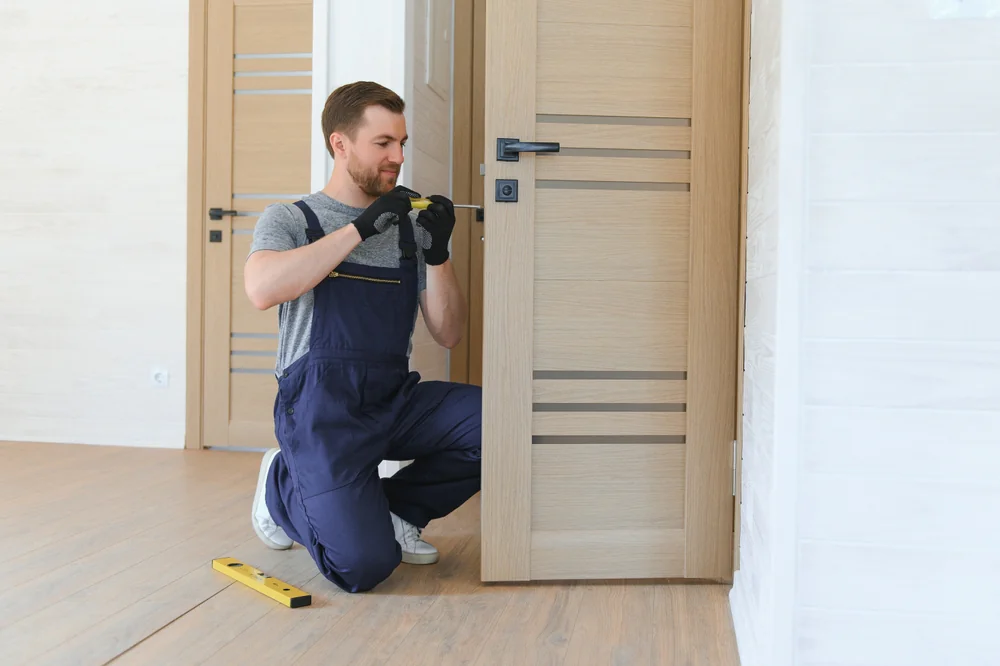
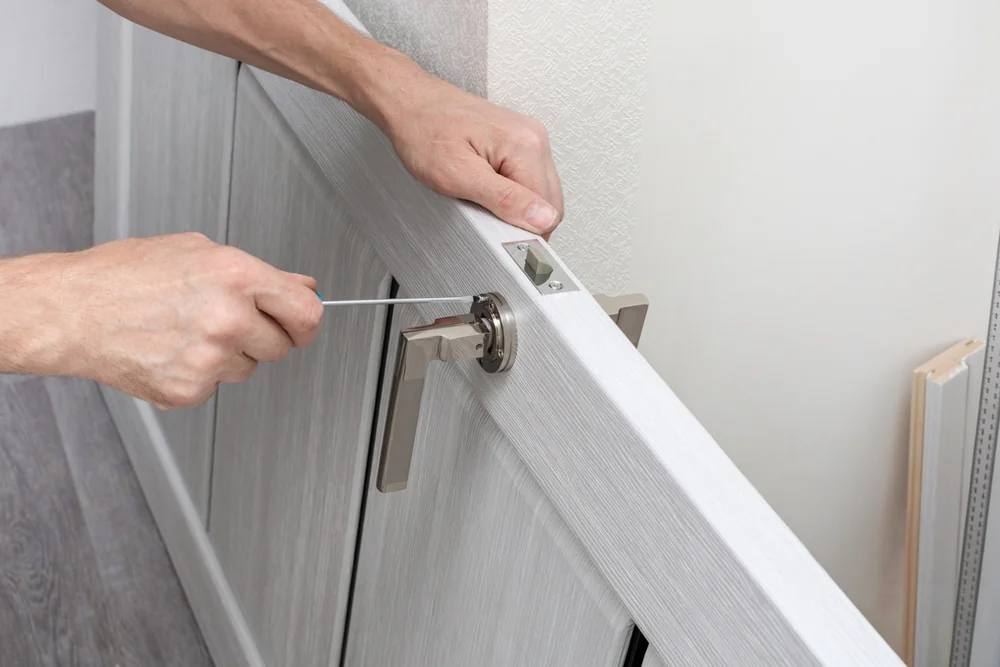
Hinges are the unsung heroes. Tighten the screws! Seasonal shifts can loosen them, causing the door to sag. A sagging door is like a pair of pants with one broken suspender—it just doesn’t sit right and creates all sorts of drag.
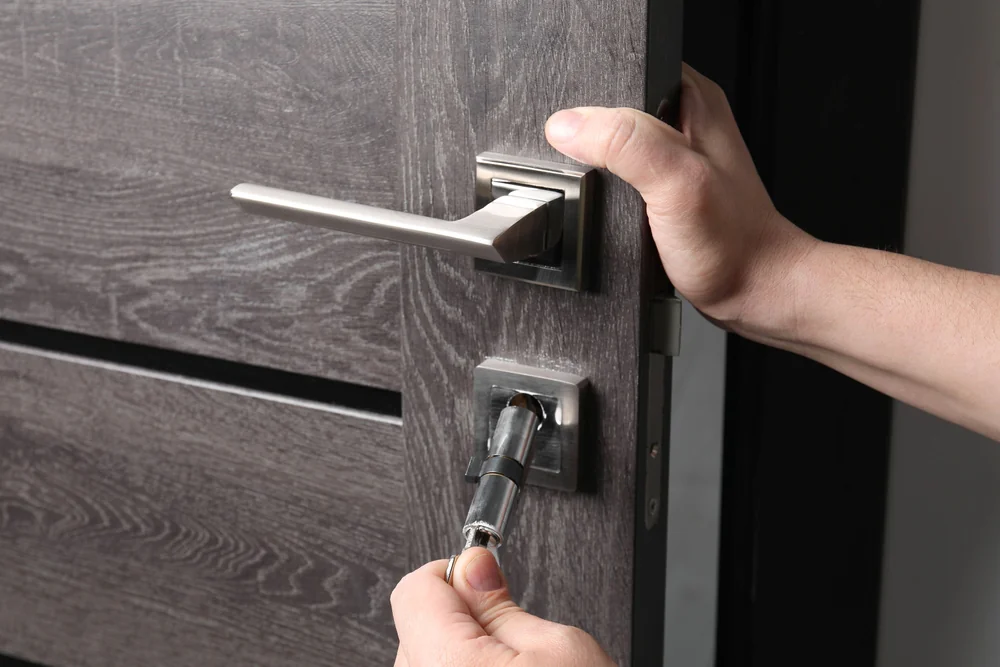
For locks, use graphite powder. If your key is getting stuck, don’t force it—breaking a key in a lock is a great way to spend $300 on a Saturday night locksmith. A little puff of graphite will have it turning smoother than a politician’s promise.
Protecting Your Doors and Your Home Investment
Your doors are more than just holes in the wall; they’re the gatekeepers of your comfort and style. A little attention now prevents a massive issue when the first snow flies.
Check them monthly, tighten them quarterly, and show them some love twice a year. If you find your door has officially “retired” and maintenance won’t save it, or if you’re ready for an upgrade that can actually handle a New Hampshire winter, we’re here to help.
Summary:
Doors endure more than you realize—snow, ice, humidity swings, and the daily “did I lock the door?” frantic handle jiggles. Without regular attention, small issues like drafts or sticking become expensive structural problems.
This guide walks you through practical door maintenance steps designed for Massachusetts and New Hampshire homeowners. You’ll learn what to check, when to check it, and how to protect your investment from the elements. Think of it as a spa day for your entryway.