Facing roof damage and unsure whether to repair or replace? Discover the critical factors that determine the smartest choice for your home and budget in Massachusetts and New Hampshire.
Before you decide between a patch and a total overhaul, you need to know if your roof is actually in crisis or just having a bad hair day. Some issues are 9-1-1 emergencies, while others are “I’ll get to it when the Patriots have a winning season” problems. The first step is a simple ground-level reconnaissance mission—no mountain climbing gear required.
Grab a pair of binoculars and look for the “shingle shuffle.” If you see shingles curling at the edges like a stale sandwich, or bald spots where the protective granules have bailed, those are red flags. Inside the house, if your ceiling looks like a topographical map of a swamp, or if you go into the attic and can see the stars without opening a window, your roof is officially calling for backup.
Age is the ultimate tattle-tale in the roofing world. Most asphalt shingle roofs are built to last about 20 years, but New England weather has a way of aging them faster than a president in office. If your roof was installed when “The Macarena” was a hit, you aren’t looking for a repair; you’re looking for a retirement plan.
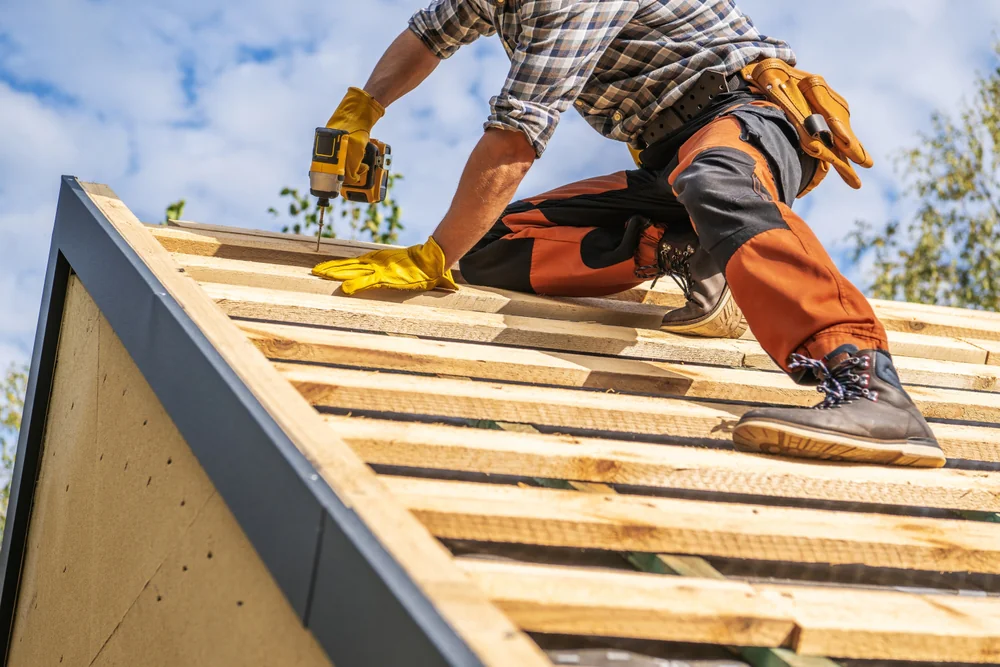
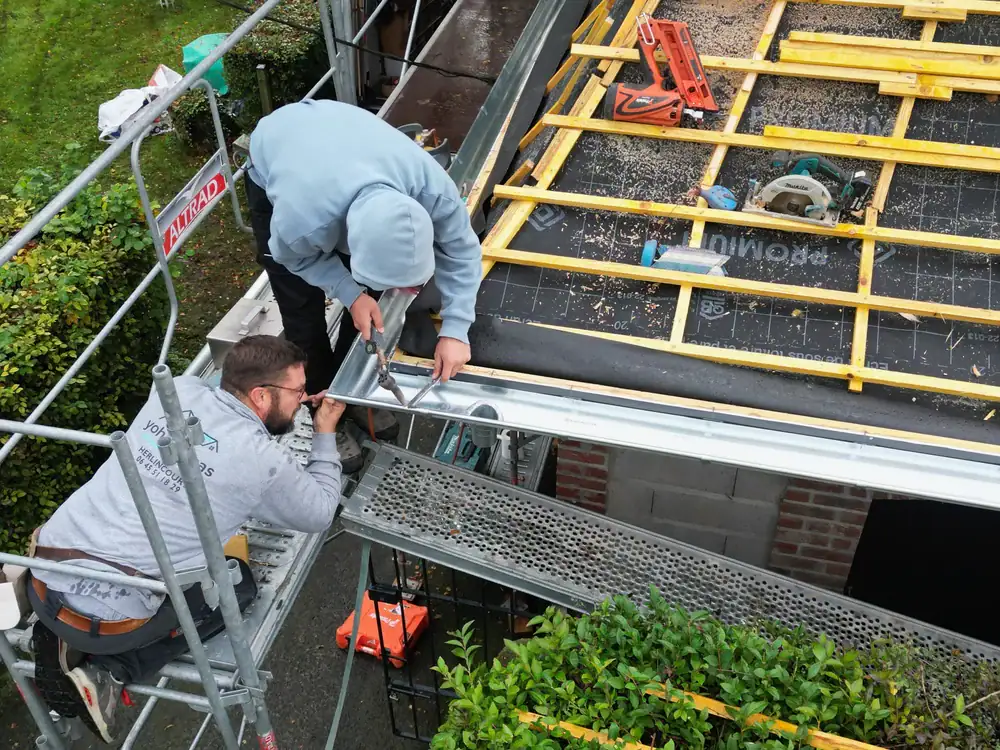
Repair is the right call when the problem is a “lone wolf” rather than a pack of issues. If a localized windstorm decided that three specific shingles needed to live in your neighbor’s yard, that’s a surgical fix. Cracked pipe boots or a chimney that’s leaking because the flashing got grumpy are also great candidates for a targeted strike rather than a total carpet bombing of your bank account.
The secret is isolation. If the rest of the roof is sitting pretty and the underlayment is still doing its job, we can swap out the bad parts and be out of your hair before lunch. It’s like replacing a flat tire instead of buying a whole new car. We restore the protection in that one vulnerable spot and buy you more years of dry ceilings.
Generally, if your roof is under 15 years old and has been a solid performer, repairs are your best friend. They usually run between $300 and $1,000, which is significantly easier to swallow than a full replacement. Just remember: a repair only works if the deck underneath isn’t as soft as a wet noodle. If we find rot, the “simple repair” conversation usually takes a dramatic turn.
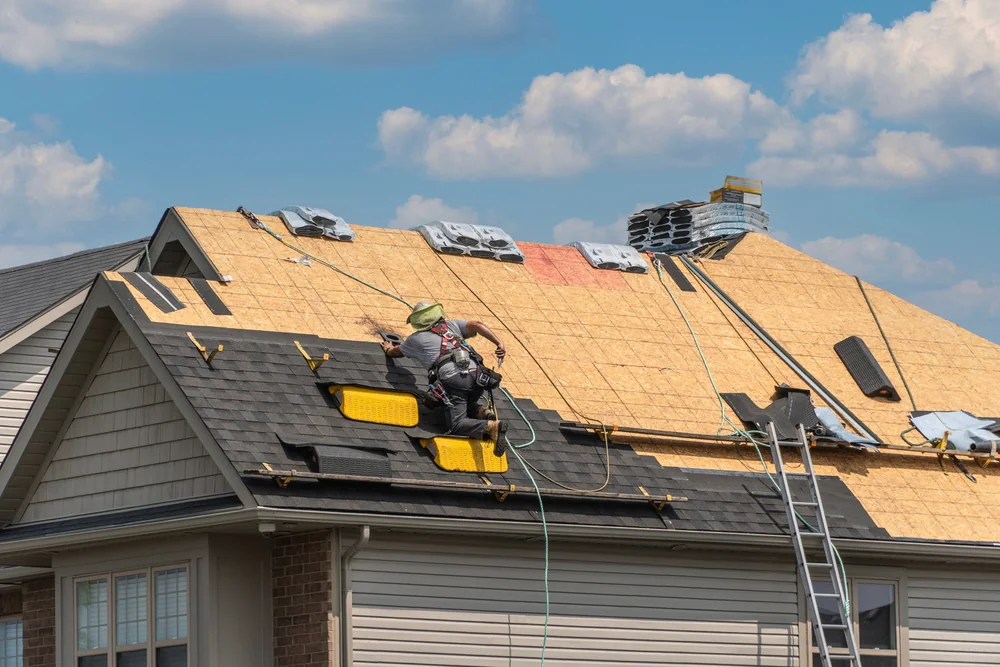
Replacement becomes the winner when your roof starts looking like a patchwork quilt of previous repairs. If you’ve got three different shades of gray shingles up there because you’ve been “patching” since 2018, the universe is trying to tell you something. Continuing to patch a dying roof is basically just paying for a roofer’s new boat one shingle at a time.
Structural integrity is the non-negotiable “stop” sign for repairs. If you see sagging along the ridgeline, it’s not just an aesthetic choice; it’s the roof deck waving a white flag. Water has likely moved past the shingles and is currently turning your plywood into mulch. At that point, a repair is like putting a fresh coat of paint on a house that’s currently on fire.
There’s also the “50% Rule.” If the cost of the repair is more than half the cost of a new roof, you should probably just pull the trigger on the replacement. You’ll get a fresh warranty, better energy efficiency, and you’ll stop having a mild panic attack every time a Nor’easter shows up on the weather map. Plus, a new roof is the only way to ensure those dreaded ice dams don’t turn your living room into an indoor skating rink next February.
Want live answers?
Connect with a Paradise Remodeling Inc. expert for fast, friendly support.
The final decision is a cocktail of age, damage, and your future plans. If you’re planning on moving in six months, a solid repair might be enough to satisfy a home inspector. But if this is your “forever home” (or at least your “until the kids move out” home), a replacement gives you the assurance that you won’t be dealing with a midnight leak during a blizzard.
Don’t forget about the “Granule Gutter Test.” Take a peek in your downspouts; if it looks like a black sand beach in there, your shingles are effectively “balding.” Without those granules, the sun bakes the asphalt until it’s as brittle as a stale cracker. You can’t repair a shingle that has lost its mojo—you can only replace it.
Ultimately, we look at the “Health Score” of the whole system. If the leaks are popping up in multiple rooms like a game of Whac-A-Mole, that’s not a series of unfortunate events—that’s a systemic failure. We want to be the guys who fix your problem, not the guys you have to call back every three months for a new leak.
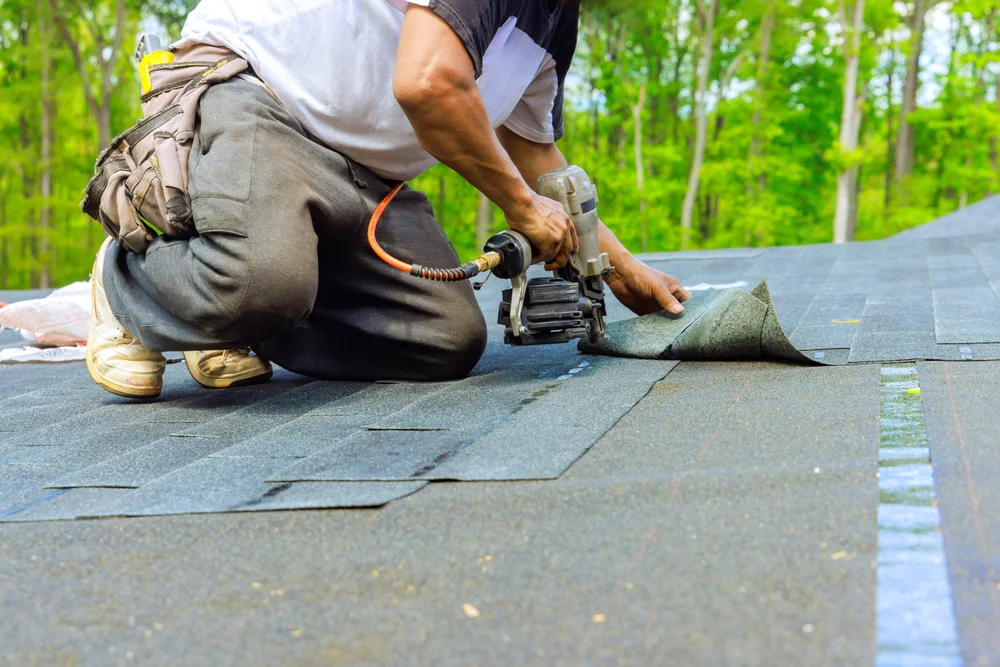
Procrastination is the most expensive way to manage a roof. That tiny $500 leak you ignored in the spring? By winter, it’s invited mold, rot, and a family of very confused squirrels into your attic. Suddenly, you aren’t just paying for a roof; you’re paying for mold remediation and enough drywall to rebuild a small village.
In New England, the “Winter Tax” is real. If you try to wait out a failing roof until spring, Mother Nature will almost certainly find a way to punish you with a massive ice dam. Dealing with a roof replacement in the middle of a January cold snap is possible, but it’s a lot more stressful (and usually more expensive) than doing it on a nice September afternoon.
Think of your roof as your home’s “hard drive”—if it crashes, you lose everything underneath it. Keeping up with maintenance and knowing when to call it quits on an old roof is just smart asset management. Plus, your insurance company is much more likely to play nice if you can prove you’ve been proactive rather than reactive.
Living in Essex, Middlesex, or the Granite State means your roof has a much tougher job description than one in, say, San Diego. Between the “Wintry Mix” that’s 90% ice and the summer humidity that grows moss faster than a rolling stone, your materials are under constant assault. This regional “abuse” means a 25-year shingle might only give you 18 good years before it decides it’s had enough.
Freeze-thaw cycles are the “silent killers” of New England roofs. Water gets into a tiny crack, freezes, expands, and turns that tiny crack into a gaping hole. If you’re seeing this kind of damage across multiple slopes, a repair is just a temporary bandage on a systemic problem. You need a system that includes proper ice and water shielding—stuff that wasn’t always standard on roofs built twenty years ago.
Local building codes have also changed. If you have multiple layers of shingles from “the old days,” you might find that you have to do a full tear-off and replacement to meet modern safety standards. We’re experts in the local rulebooks from Lawrence to Manchester, and we’ll make sure your decision doesn’t just keep you dry, but keeps you legal, too.
At the end of the day, your roof doesn’t care about your budget, but we do. The goal is to find the “Sweet Spot”—the choice that maximizes protection while minimizing wasted cash. Regardless of if that’s a quick afternoon repair or a week-long replacement, the most important thing is getting an honest opinion from someone who isn’t just trying to sell you the most expensive option.
If your roof is showing signs of age, or if you’re tired of playing “detective” with every rainstorm, it’s time for a professional set of eyes. We’ve been keeping homes in MA and NH dry for years, and we’ve seen everything from “that shingle just needs a hug” to “this roof needs an exorcism.”
If you’re ready to stop guessing and start knowing, reach out to Paradise Remodeling Inc. We provide straightforward, no-nonsense assessments that help you protect your biggest investment.
Summary:
Article details:
Share: