Before you hire a roofing contractor in Massachusetts, there are a few things most homeowners don't know — and some of them are expensive to find out the hard way.
Most homeowners start looking for a roofing contractor after something has already gone wrong — a leak after a nor’easter, shingles missing after a wind event, or an ice dam that finally did enough damage to force the issue. You’re not browsing casually. You need someone reliable, and you need them soon.
The problem is that the roofing industry makes it genuinely hard to tell the difference between a contractor who will protect your home for the next 25 years and one who will leave you with an unpermitted roof and a warranty that doesn’t actually apply. This guide is here to close that gap — so you know exactly what to look for, what to ask, and what to walk away from.
The single most important thing to understand about hiring a roofer in Essex County is that the contractor you vet and the crew that shows up on your roof are not always the same people. Many roofing companies subcontract the actual installation to separate crews — sometimes from out of state, sometimes with different insurance coverage, and sometimes without the licenses required to do the work legally in Massachusetts.
If that crew damages your property or cuts a corner in the installation, accountability gets murky fast. What you want is a contractor where the person you spoke with is accountable for the people doing the work. That means asking directly: will your own crew be on my roof, or will this be subcontracted? The answer tells you a lot about how seriously they stand behind their work.
Massachusetts is one of the stricter states when it comes to roofing contractor licensing, and it has a dual requirement that most homeowners have never heard of. To legally perform a roof replacement in Massachusetts, a contractor needs two separate credentials: a Home Improvement Contractor (HIC) registration, administered by the Office of Consumer Affairs and Business Regulation under MGL Chapter 142A, and a Construction Supervisor License (CSL), required under 780 CMR 110 whenever the work requires a building permit — which most roof replacements do.
This dual requirement has been in effect since July 1, 2008, and it applies specifically to roof replacement, siding, and window replacement. It’s not optional, and it’s not a technicality. The HIC registration is a consumer protection instrument — it gives you legal recourse if something goes wrong. The CSL is a baseline competency credential that demonstrates the contractor has met the state’s standards for supervising construction work.
Here’s what makes this matter in practice: a contractor might hold an HIC registration but not a CSL, or vice versa. Either way, they’re not fully licensed for the work. And if they pull a permit — or skip pulling one altogether — under the wrong credentials, you’re the homeowner left holding the liability.
Both licenses are independently verifiable. You can check HIC registration status through the Massachusetts Office of Consumer Affairs and Business Regulation website, and CSL status through the Board of Building Regulations and Standards — both are free, public searches. Any contractor worth hiring will hand you their license numbers without hesitation. If they’re reluctant, that’s your answer.
One more thing worth knowing: Massachusetts does not accept out-of-state roofing licenses. There is no reciprocity with New Hampshire or any other state. A contractor who is licensed to work in New Hampshire is not automatically licensed to work in Massachusetts. In a border region like Essex County — where towns like Methuen sit right at the state line — this matters more than it might elsewhere.
When a contractor mentions they’re “certified” or shows you a manufacturer logo, most homeowners assume it’s a marketing badge. In reality, the certification tier determines what warranty you can actually receive — and the difference between tiers is not small.
Manufacturers like Owens Corning, GAF, and CertainTeed each have a hierarchy of contractor certifications. Entry-level or uncertified contractors can install the same shingles as a top-tier certified contractor, but they cannot offer the same warranty. A non-certified installer might give you a 10-year workmanship warranty. A mid-tier certified contractor — like an Owens Corning Preferred Contractor — can unlock meaningfully stronger coverage. A top-tier certification, like GAF Master Elite or CertainTeed SELECT ShingleMaster, unlocks 25-year workmanship coverage, 50-year materials coverage, and warranties that are fully transferable to the next buyer if you sell your home.
Only about 3% of contractors that apply qualify as GAF Master Elite. Only around 1% hold CertainTeed’s SELECT ShingleMaster designation. Across all manufacturers, roughly 2–3% of roofing contractors nationwide hold any top-tier certification. These aren’t numbers manufacturers advertise loudly, but they’re real — and they explain why two contractors installing the same shingles on the same day can leave you with very different warranty outcomes.
What this means practically: when you’re comparing estimates, ask each contractor specifically what warranty tier their certification level unlocks — not just what shingles they’re installing. A mid-tier certification usually doesn’t cost meaningfully more than hiring an uncertified crew, and the warranty protection you get in return is substantially better. For Essex County homeowners, where median property values sit at $619,100 and a failed roof is a major financial event, the warranty isn’t a formality. It’s a real asset — and it transfers with the house.
We hold Owens Corning Preferred Contractor status and are actively pursuing additional certifications from GAF and CertainTeed. We’re transparent about where we are in that process because we think you deserve to know exactly what warranty coverage your project qualifies for before you commit to anything.
Want live answers?
Connect with a Paradise Remodeling Inc. expert for fast, friendly support.
Roofing costs in Essex County range from around $5,000 to over $30,000 depending on the size of the home, the material chosen, the pitch and accessibility of the roof, and what the contractor includes in their scope. For a 2,000 square foot home with standard asphalt shingles, the average replacement cost runs around $16,000–$20,000 in 2024. That’s a significant investment — and it’s exactly why understanding what’s in an estimate matters as much as the number itself.
The gap between a $12,000 quote and a $19,000 quote for the same roof often comes down to what’s been left out of the cheaper one. Permit fees, dumpster rental, full flashing replacement, ice-and-water shield, and proper underlayment are all line items that can quietly disappear from a low bid.
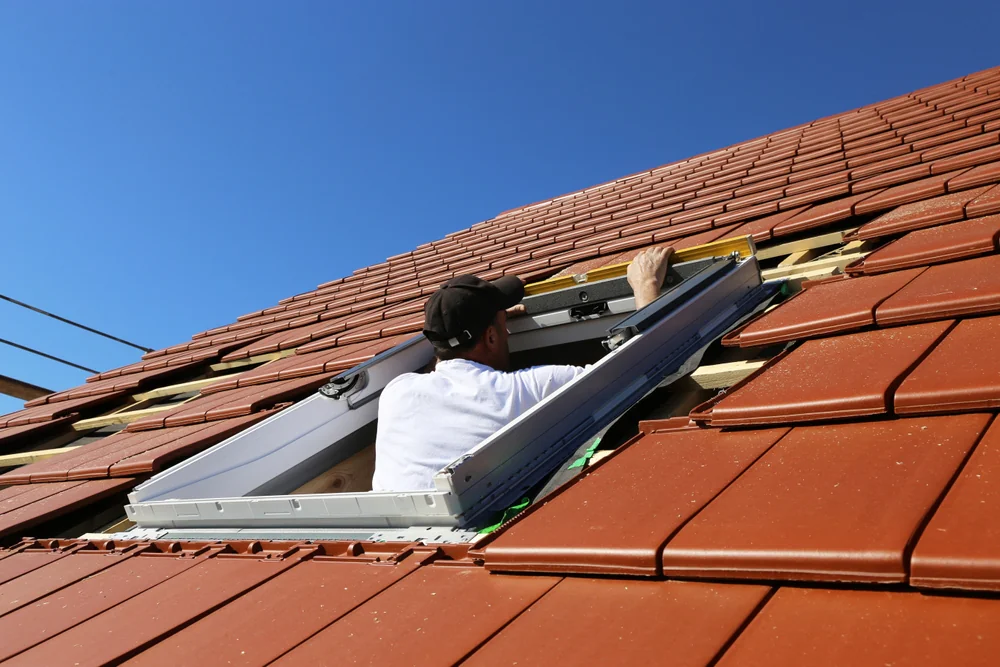
Asphalt shingles — the most common choice for residential roofing in Essex County — typically run $3–$5 per square foot installed. They’re the most cost-effective option and, when properly installed with the right underlayment and flashing, will hold up well against New England’s freeze-thaw cycles and coastal weather. Architectural (dimensional) shingles are the standard choice for most homes today; three-tab shingles are largely phased out except in budget applications.
Metal roofing runs $7–$12 per square foot installed and carries a lifespan of 40–70 years compared to 20–30 years for asphalt. For homeowners in coastal Essex County towns like Gloucester, Rockport, or Marblehead — where salt air accelerates corrosion of metal components and storm exposure is higher — metal roofing’s durability and wind resistance make it worth a serious look, even at the higher upfront cost. Tile and slate options extend lifespan to 50 years or more and carry a premium price to match.
The material cost is only part of the picture. The other part is the installation — specifically, whether the contractor is using the right underlayment for your climate, replacing flashing rather than resealing it, and installing ice-and-water shield in the valleys and eave lines where ice dams form. Essex County’s inland communities — Methuen, Lawrence, Haverhill, Andover — deal with serious freeze-thaw cycles every winter. A roof installed without proper ice-and-water shield protection will develop problems faster than the shingle manufacturer’s warranty will cover, because the failure mode is installation, not materials.
We use products from Mule Hide, GenFlex, and CertainTeed that are specifically engineered for New England weather — materials that handle freeze-thaw cycles and moisture better than standard options. That choice matters more in Essex County than it would in a milder climate.
If your roof was damaged by a storm, you may be entitled to an insurance-funded replacement — but the process is more complicated than most homeowners expect, and the first offer from your insurance company is rarely the full amount you’re owed.
Initial adjuster scopes underpay by roughly 20% on average. This isn’t necessarily bad faith — adjusters work quickly and often miss line items that a contractor reviewing the same damage would catch. The process of submitting additional line items after the first inspection is called supplementing, and it’s normal, expected, and how most claims reach their full value. Having your contractor present during the adjuster’s inspection significantly increases the likelihood that the scope is complete from the start.
The other thing most homeowners don’t realize is the difference between Replacement Cost Value (RCV) and Actual Cash Value (ACV) coverage. On a 15-year-old roof, the difference between these two coverage types can exceed $10,000. RCV pays to replace your roof with a comparable new one. ACV pays the depreciated value — meaning the insurance company factors in the age and condition of your existing roof and pays you significantly less. If you’re not sure which type of coverage you have, check your policy before a storm forces the question.
You also have a limited window to act. Massachusetts homeowners typically have one to two years from the date of storm damage to file an insurance claim. Beyond that window, claims are automatically denied regardless of the validity of the damage. If you’ve had a major weather event and you’re not sure whether your roof sustained damage, getting an inspection sooner rather than later protects your ability to file.
One more thing worth knowing: a roofing permit is almost always required for a full replacement in Massachusetts, and an unpermitted roof can create real problems at resale. When a buyer’s home inspector flags an open or missing permit, it can delay or derail a closing. Any contractor telling you a permit isn’t necessary for a full replacement is either uninformed or hoping you won’t ask. We pull permits on every applicable project — it protects you, not us.
The short version of everything above: the contractor matters as much as the materials. A great shingle installed incorrectly, without a permit, by a crew that isn’t covered under the contractor’s insurance, is not a great roof. It’s a liability.
What you’re looking for is a contractor who holds both a Massachusetts HIC registration and a CSL, carries current insurance, pulls permits, puts everything in writing before work begins, and can tell you exactly what warranty tier their manufacturer certification unlocks. Those aren’t unreasonable things to ask for. They’re the baseline.
We’ve been serving Essex County since 2006 — nearly two decades of working on colonials in North Andover, coastal homes in Beverly and Gloucester, and everything in between. If you’re ready to get a straight answer about what your roof actually needs, reach out to Paradise Remodeling Inc for a free quote. No pressure, no vague estimates — just a clear look at what the work involves and what it will cost.
Summary:
Article details:
Share: