Got a roof inspection report and not sure what to do with it? This guide walks you through what the findings mean and what your next move should be.
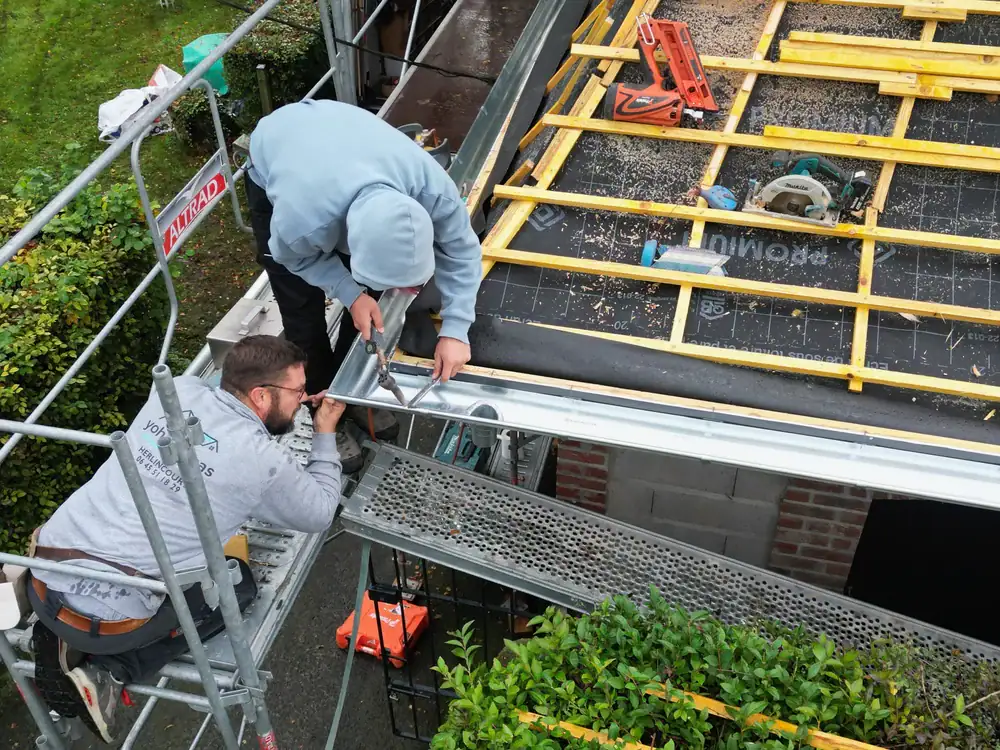
You got the inspection. Maybe a home inspector flagged something during a sale, or you noticed a water stain on the ceiling after a nor’easter, or you just figured it was time. Either way, you now have a report — and possibly a list of terms like “granule loss,” “failed flashing,” and “soffit deterioration” that don’t mean much without context.
That’s exactly where most homeowners get stuck. Not at the inspection itself, but at what comes after. This guide is written for that moment — to help you understand what was found, what it means for your home, and how to make a smart decision about what to do next.
A lot of homeowners assume a roof inspection is just someone walking around looking at shingles. It’s more involved than that — and understanding what was actually evaluated helps you make sense of the findings.
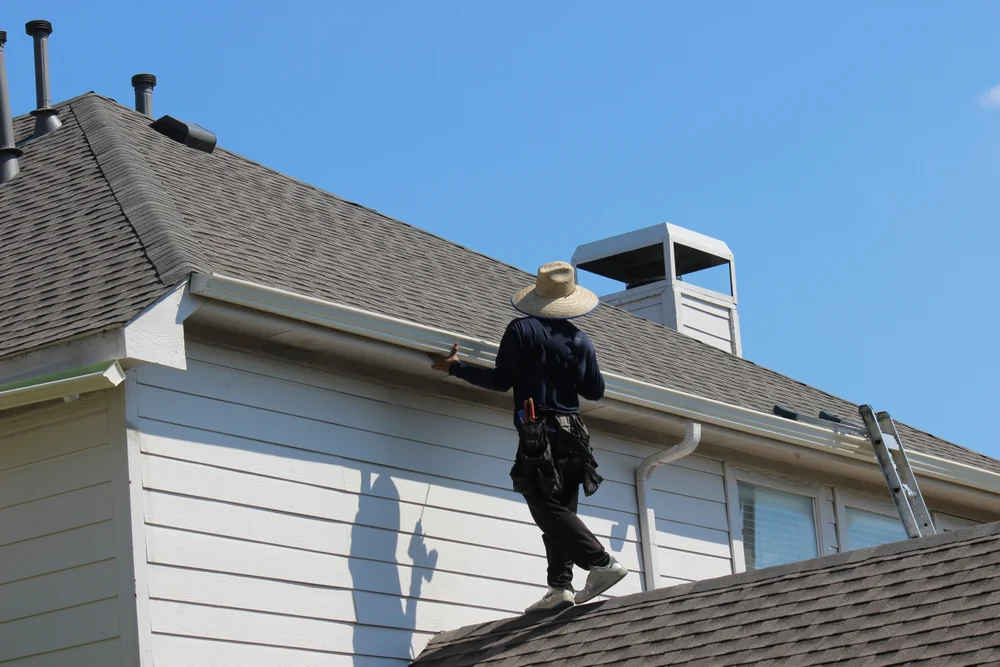
A thorough inspection covers the exterior first: shingles for cracking, curling, blistering, or granule loss; flashing around chimneys, skylights, and vents; gutters and downspouts; and the overall structural condition of the roofline. Then the inspector moves inside — typically to the attic — to check for water stains, mold, inadequate insulation, and poor ventilation. Pipe boots and roof penetrations get close attention too, since gaps or cracks around those areas are a common entry point for water.
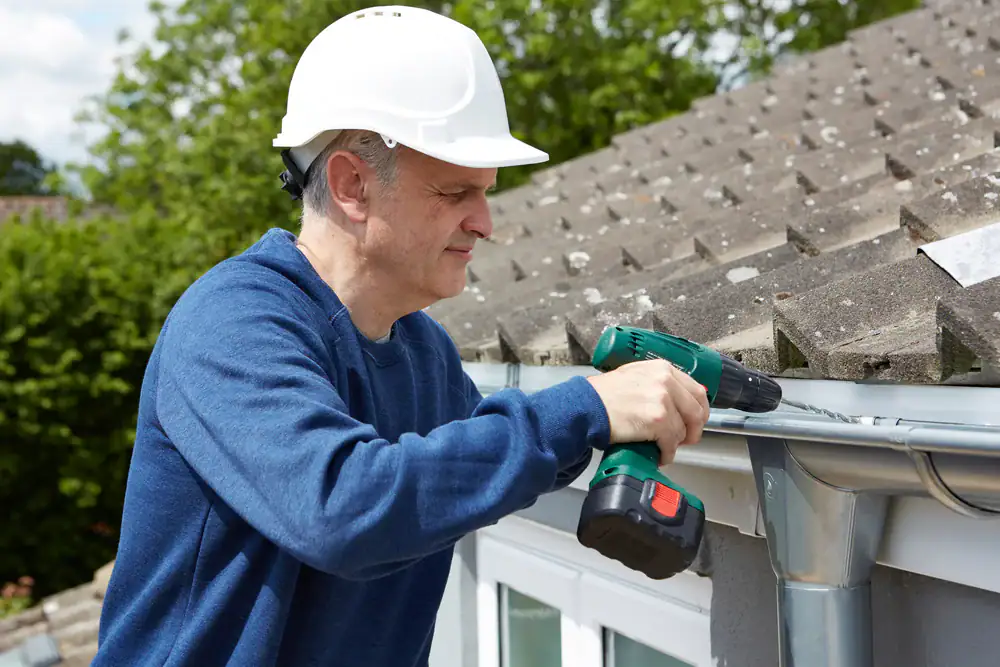
If you live in Essex County, your roof deals with conditions that don’t show up in national roofing guides. The region averages 44 inches of snow and 48 inches of rain annually — both significantly above U.S. averages. That sustained moisture load, combined with the freeze-thaw cycles that define New England winters, puts stress on roofing systems in ways that warm-climate homes simply don’t experience.
Ice dams are the most common result. When heat escapes through the roof deck, it melts snow from the underside, and that meltwater refreezes at the eaves. Over time, the ice forces its way under shingles and into the structure. By the time you see a water stain on the ceiling, the damage has usually been building for weeks or months.
Flashing failures around chimneys and valleys are another pattern we see constantly across Essex County — in the colonials and garrison colonials in North Andover, the older triple-deckers in Lawrence and Lynn, and the historic homes along the North Shore in Salem, Beverly, and Newburyport. The rooflines on these homes are complex, which means more penetrations, more seams, and more opportunities for water to find its way in.
Coastal proximity adds another layer. In Gloucester, Rockport, and Newburyport, salt air accelerates corrosion on flashing and metal components. A roof that looks fine from the street may have flashing that’s been quietly deteriorating for years.
All of this matters when you’re reading an inspection report. “Failed flashing” in Essex County isn’t a minor cosmetic issue — it’s typically the result of years of freeze-thaw stress, and it rarely travels alone. Damage in one system tends to signal stress in adjacent ones.
Here’s what surprises a lot of homeowners: a roof inspection rarely reveals just a roof problem. Ice dam damage affects attic insulation and ventilation. Flashing failures migrate to soffits and fascia. Gutter failures cause fascia rot. What starts as “you need some flashing repaired” can quickly expand into a list of interconnected issues across multiple systems.
This is where the post-inspection process gets frustrating for most people. A single-trade roofer will address the shingles and flashing and leave the soffit, fascia, and gutter damage for someone else. That means you’re now coordinating two or three separate contractors, managing separate schedules, and hoping they don’t contradict each other when something goes wrong.
We built our business around this exact problem. At Paradise Remodeling Inc, we handle roofing, siding, gutters, soffits, fascia, windows, doors, decks, and skylights — all under one contract. When an inspection reveals that your roof damage has cascaded into adjacent systems, we can assess and address everything in a single scope of work. No finger-pointing between trades, no gaps in responsibility, no wondering who to call when something doesn’t look right six months later.
That’s the practical reality of what exterior damage looks like in Essex County homes. The systems are connected. The contractor you hire should be too.
Want live answers?
Connect with a Paradise Remodeling Inc. expert for fast, friendly support.
Cost is usually the first question after an inspection confirms a problem. And it’s a fair one — a full roof replacement in Massachusetts is a significant expense, and you deserve a realistic picture before you start making decisions.
Most Essex County homeowners spend between $10,000 and $36,000 on a full replacement, with the average landing around $20,000 for a 2,000 square foot home using mid-grade architectural shingles. Labor typically accounts for 50 to 60 percent of that total, running roughly $3 to $7 per square foot depending on roof complexity and materials.
Complexity matters more in Essex County than in many regions. Older homes with multiple roof planes, dormers, and valleys cost more to replace than simple ranch-style roofs. Historic properties in Salem, Beverly, and Newburyport often have architectural details that require specialized installation and higher labor costs. Storm damage also affects pricing — if decking needs replacement or structural repairs are discovered during the job, costs can shift.
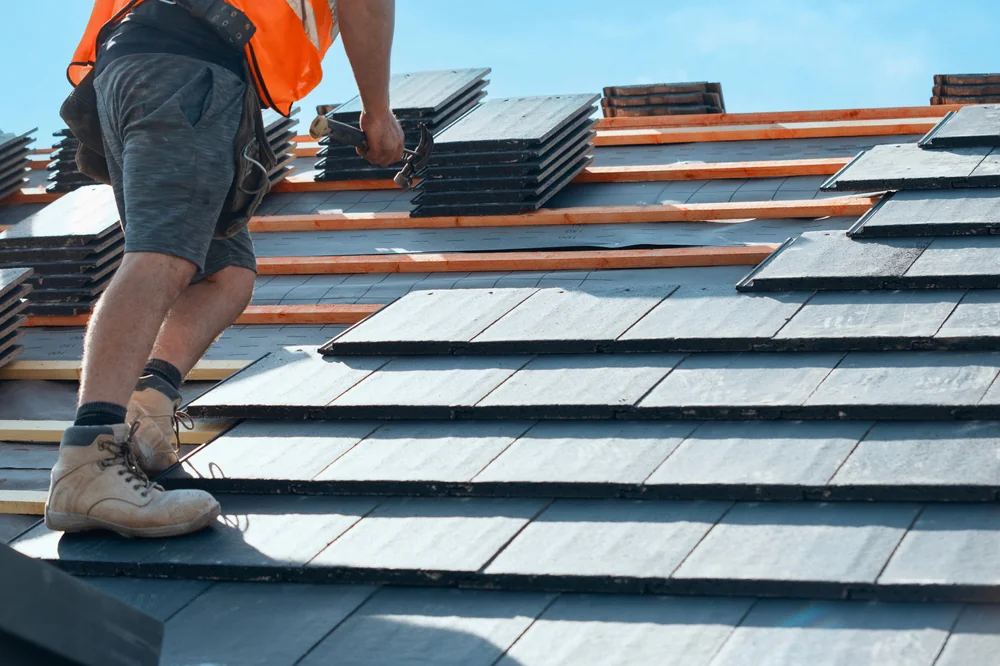
This is the decision most homeowners struggle with after an inspection, and it’s the one where bad advice costs the most money. The honest answer is that it depends on three things: the age of the roof, the extent of the damage, and the condition of the decking underneath.
If your roof is under 15 years old and the damage is isolated — a few failed pipe boots, a section of compromised flashing, some shingles lost in a storm — targeted repairs often make sense. You’re not throwing good money after bad; you’re extending the useful life of a system that still has years left in it.
If your roof is pushing 20 years or more, the math changes. Patching a roof with aging shingles, worn underlayment, and questionable decking is often a short-term fix that delays an inevitable replacement — and sometimes makes the eventual replacement more expensive by allowing water damage to spread into the deck and structure. Asphalt shingles typically last 15 to 25 years, and that lifespan shortens when they’ve been through New England winters.
There’s also an insurance angle worth knowing. Roofs older than 15 years can attract higher premiums, and some carriers will decline coverage altogether. If you’re planning to sell your home — and with Essex County median values near $654,500, the financial stakes are real — a roof in poor condition will show up in the buyer’s inspection and affect the negotiation.
The National Roofing Contractors Association has found that preventative maintenance, including regular inspections, can extend a roof’s lifespan by up to 50 percent. Catching a flashing failure early costs a fraction of what it costs after water has been infiltrating the deck for two winters.
Once an inspection confirms you need work done, you face a new problem: finding someone you can actually trust to do it. This is the moment when storm chasers and unqualified operators flood the market, especially after a major nor’easter or hail event across Essex County.
A few things to verify before you sign anything. First, confirm the contractor holds an active Massachusetts Home Improvement Contractor (HIC) license — it’s a state requirement, and it’s verifiable. Ours is #195972. Second, check for manufacturer certifications. We’re an Owens Corning Preferred Contractor, which means we’ve met strict standards for quality and customer service — not just once, but on an ongoing basis. That credential isn’t handed out freely, and it matters when something goes wrong and you need warranty support.
Ask for a written, itemized estimate before any work begins. Not a ballpark, not a verbal agreement — a written scope that tells you exactly what’s being done, what materials are being used, and what the workmanship warranty covers. If a contractor resists putting the details in writing, that tells you something.
We use materials from Owens Corning, CertainTeed, and Mule Hide — products specifically engineered for New England’s freeze-thaw cycles and moisture conditions. When we give you a quote, you know what you’re getting before we touch the roof. And because we’re based in Methuen and serve Essex County year-round, we’re not a crew that shows up after a storm and disappears. If something needs attention after the job is done, you call us and we take care of it.
Our BuildZoom score of 105 ranks us in the top 8% of 139,240 licensed Massachusetts contractors — an objective, third-party data point that reflects permit history, license status, and verified work quality.
A roof inspection is only as useful as what you do with it. If you walk away with a report full of findings and no clear path forward, the inspection hasn’t actually helped you yet.
The goal of this guide was to give you that path — to explain what inspectors are actually evaluating, why Essex County’s climate makes those findings matter more than they might elsewhere, how to think through the repair-versus-replace decision honestly, and what to look for in a contractor who won’t leave you with more questions than answers.
If you’ve had an inspection and you’re ready to understand what the findings mean for your specific home, we’re happy to take a look. Paradise Remodeling Inc serves homeowners across Essex County — from Lawrence and Haverhill to Salem, Beverly, and the North Shore. Reach out for a free quote and we’ll give you a straight answer.
Summary:
Article details:
Share: