Your property’s exterior is the first thing tenants notice. It’s also the first thing that fails when maintenance gets pushed to next quarter.
If you’re managing commercial buildings in Essex County, MA, Hillsborough County, NH, Rockingham County, NH, or Middlesex County, MA, you already know how fast things deteriorate here. Paint fades faster than it should. Roofs develop issues between inspections. And winter doesn’t care about your budget cycle.
The gap between properties that hold their value and ones that don’t often comes down to whether someone’s paying attention before problems become visible. You’ll walk away from this understanding what proactive exterior maintenance looks like, why it costs less than the alternative, and how to structure it so your operations never skip a beat.
Commercial exterior maintenance isn’t just painting when the building starts looking tired. It’s a structured approach to protecting the entire building envelope—the surfaces and systems that keep weather out and operations running inside.
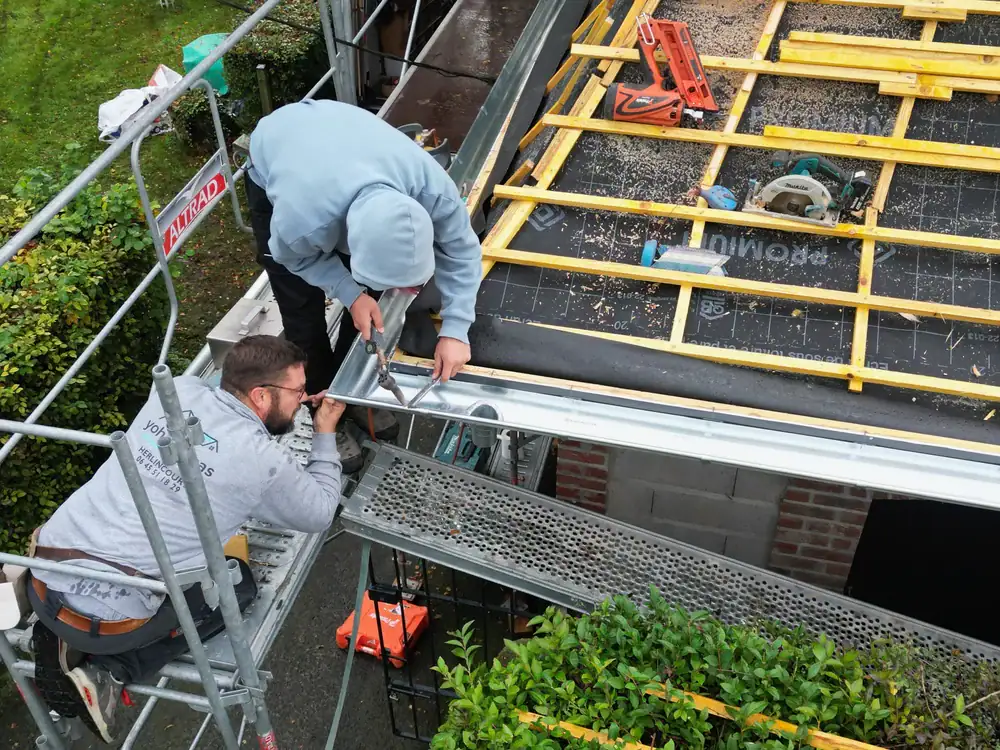
The scope includes commercial exterior painting and protective coatings that stand up to New England’s temperature swings. It covers roof maintenance, from inspection and minor repairs to gutter cleaning and drainage management. Siding services address damage before water gets behind your walls. And in this region, commercial snow removal isn’t optional—it’s liability protection that keeps your property accessible when storms hit.
What separates this from residential work is the operational requirement. Your building can’t shut down for maintenance. Tenants expect minimal disruption. And when something fails, the cost isn’t just the repair—it’s lost business, safety liability, and tenant frustration that surfaces during renewal conversations.

Properties in Essex County, MA, Hillsborough County, NH, Rockingham County, NH, and Middlesex County, MA face conditions that accelerate exterior wear faster than most building owners expect. Winter temperatures drop to 30°F and below. Snow accumulation creates weight loads and ice dams. Spring melt drives moisture into any crack or gap that developed over winter.
Then summer hits. UV exposure fades protective coatings while heat expansion stresses materials that just contracted for months. This cycle doesn’t give your building a break, which is exactly why maintenance has to match the calendar, not just your budget availability.
The buildings that last are the ones where someone’s checking drainage before the first freeze, inspecting roof membranes after winter, and addressing paint failure before it becomes substrate damage. Exterior finishes exposed to weather without maintenance typically last around 14 years. With proper attention, that same system can reach 34 years. That’s not a small difference when you’re managing capital expenditure planning.
Seasonal transitions are when most damage starts. A roof that survived summer might have developed weak spots that won’t show until spring melt finds them. Siding that looks fine in October can hide moisture intrusion that becomes a major problem by March. Year-round maintenance means catching these issues when they’re still small, cheap, and fixable during scheduled service rather than emergency calls.
The property managers who do this well aren’t reacting to problems. They’re running inspection schedules that align with weather patterns, addressing small issues during routine visits, and keeping documentation that satisfies warranty requirements while giving them actual data for budget planning. It’s less dramatic than emergency repairs. It’s also less expensive and far less disruptive to operations.
Most property managers inherit a reactive maintenance approach because that’s how the previous team operated. Something breaks, you fix it. The roof leaks, you call someone. Paint starts peeling, you get quotes. It feels like you’re being responsible by not spending money until you have to.
The numbers tell a different story. Reactive maintenance costs about 25 cents per square foot annually. Proactive maintenance—scheduled inspections and small repairs before they escalate—runs about 14 cents per square foot. That’s not a rounding error. On a 25,000 square foot building, you’re looking at $6,250 per year reactive versus $3,500 proactive. Over a decade, that’s $27,500 in avoided costs from maintenance approach alone.
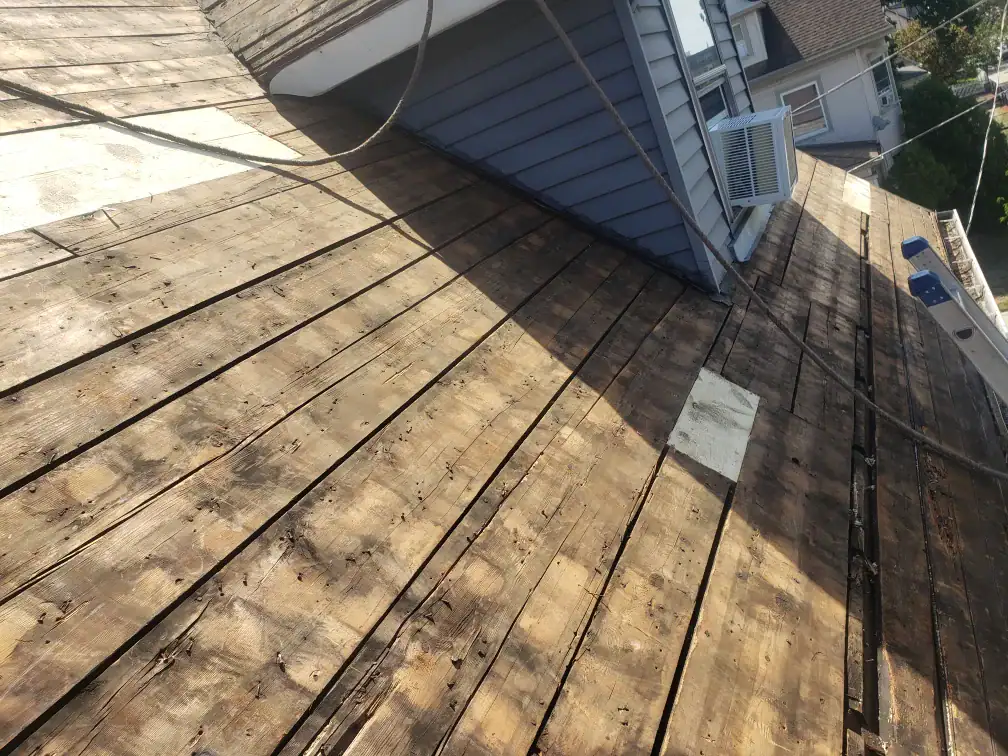
Roof maintenance shows this even more clearly. Regular maintenance extends roof life by up to 50 percent. A roof that would last 13 years with reactive repairs can reach 21 years with scheduled care. The cost difference isn’t just the annual maintenance—it’s delaying a $175,000 roof replacement by eight years. For every dollar spent on preventative maintenance, building owners save an average of four dollars in repairs.
Emergency repairs cost three to four times more than planned work. When your roof starts leaking during business hours, you’re paying premium rates for immediate response, dealing with interior damage and business disruption, and often making decisions under pressure that lead to temporary fixes rather than proper solutions. Proactive maintenance lets you schedule work during off-hours, get competitive pricing, and address root causes instead of symptoms.
The hidden costs run even deeper. A leaking roof doesn’t just damage the membrane—it compromises insulation, creates mold risk, damages interior finishes, and disrupts tenant operations. Water intrusion that could have been prevented with a $200 repair during routine maintenance becomes a $15,000 problem once it reaches the interior. And if that happens in a tenant space, you’re also dealing with business interruption claims and relationship damage that affects renewals.
Property value takes a hit too. Buildings with documented maintenance programs perform better financially. Lenders and investors see well-maintained properties as lower risk, which influences financing terms and insurance premiums. Visible neglect—fading paint, damaged siding, deferred repairs—signals poor management to prospective tenants and reduces the rates you can command.
Want live answers?
Connect with a Paradise Remodeling Inc. expert for fast, friendly support.
Commercial exterior painting does more than refresh appearance. It’s a protective barrier that prevents moisture intrusion, resists UV degradation, and extends the life of your substrate materials. When that barrier fails, you’re not just looking at cosmetic issues—you’re looking at wood rot, metal corrosion, and structural damage that costs exponentially more to address.
New England weather is particularly hard on exterior coatings. Temperature swings cause expansion and contraction that stresses paint films. Moisture from snow and rain tests adhesion. UV exposure breaks down binders and causes chalking. A coating that might last seven years in a milder climate might only give you four or five here before it starts failing.
The key is addressing failure before it reaches the substrate. Once moisture gets behind failed paint and into your siding or trim, you’re no longer doing maintenance—you’re doing repair. The window between “this needs paint” and “this needs replacement” is shorter than most property managers expect, especially on surfaces with direct weather exposure.
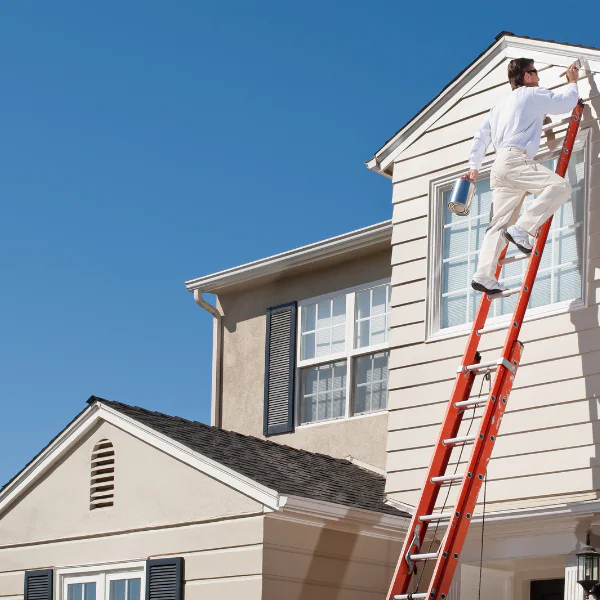
The best time to paint is before you think you need to. That sounds like contractor upsell, but the economics support it. Waiting until paint is visibly failing means you’re already past the point where the coating is protecting your building. You’re in the window where moisture intrusion is starting, even if you can’t see it yet.
Professional property managers schedule painting on a calendar, not based on appearance. Depending on exposure, quality of previous work, and specific climate factors in your location, that typically means repainting every 5-7 years for high-exposure surfaces and 7-10 years for protected areas. This prevents the failure cycle and keeps costs predictable.
Climate timing matters. Commercial exterior painting in Massachusetts and New Hampshire requires specific temperature and humidity windows. You need consistent temperatures above 50°F, low humidity, and no rain in the forecast. That typically means late spring through early fall, with summer being ideal for larger projects. But summer is also when every other property manager is trying to schedule work, which is why advance planning gets you better pricing and scheduling flexibility.
The scope of work affects timing. A full building repaint requires staging, surface preparation, and multiple coat applications. That might mean 2-3 weeks of work depending on building size. Smaller projects—entry areas, trim refresh, spot repairs—can often be completed in days and scheduled around tenant operations. Breaking larger projects into phases lets you spread costs across budget years while still maintaining protection.
Working with a general contractor who understands commercial operations makes a significant difference. Residential painters are used to working around homeowners. Commercial work requires coordination with property management, communication with tenants, protection of high-traffic areas, and flexibility to pause work if business needs require it. The painting itself might be similar, but the project management is entirely different.
Surface preparation is where quality separates from cheap. Proper prep means pressure washing to remove dirt and chalking, scraping and sanding failed coatings, priming bare wood or metal, and caulking gaps before any finish coat goes on. Cutting corners here—painting over dirt, skipping primer, rushing prep—means the new coating fails faster and you’re repainting sooner. It feels like you’re saving money until you’re repainting in three years instead of seven.
Commercial interior painting presents different challenges than exterior work. You’re working in occupied spaces where business continues during the project. Odor, dust, and access disruption all affect tenant satisfaction and operations. The contractors who do this well understand that their job isn’t just applying paint—it’s completing the work without impacting the businesses inside.
Scheduling becomes critical. Many commercial interior painting projects happen during off-hours, weekends, or planned closure periods. This costs more than standard scheduling, but it eliminates business disruption and tenant complaints. For spaces that can’t close, phased approaches let you complete work section by section while maintaining operations in other areas.
Low-VOC and zero-VOC paints have become standard for interior commercial work, not just for environmental reasons but because they reduce odor and allow faster reoccupancy. A space painted with traditional coatings might need 24-48 hours before normal use. Low-VOC options can often be reoccupied the same day once the paint dries.
Common areas—lobbies, hallways, restrooms—see heavy traffic and need durable finishes that can handle cleaning and wear. That means different product selection than residential work. You’re looking at scrubbable finishes, stain-resistant coatings, and products designed for commercial durability rather than just color.
Tenant improvement work is where interior painting often happens in commercial properties. When spaces turn over, that’s your opportunity to refresh without disrupting existing tenants. Smart property managers use turnover periods to address not just the vacant space but adjacent common areas, creating a cohesive appearance that makes the entire property more appealing to prospects.
Color selection in commercial spaces affects more than aesthetics. Lighter colors make spaces feel larger and reduce lighting costs. Neutral palettes appeal to broader tenant bases and make spaces easier to re-lease. Consistency across common areas creates a professional appearance that reflects well on property management.
The relationship between painting and other maintenance matters. If you’re addressing water stains, you need to fix the leak first. If you’re painting over patched drywall, the prep work determines whether those repairs stay invisible. Coordinating painting with other trades—HVAC work, electrical upgrades, flooring replacement—prevents duplicate staging costs and minimizes total disruption time.
Commercial properties in Essex County, MA, Hillsborough County, NH, Rockingham County, NH, and Middlesex County, MA need more than occasional attention. They need systematic care that matches the demands of New England weather, protects long-term value, and keeps operations running without disruption.
The difference between properties that perform well and ones that drain budgets often comes down to whether maintenance is planned or reactive. Scheduled inspections cost less than emergency repairs. Preventive work extends asset life. And having a general contractor who can handle multiple services—commercial exterior painting, commercial interior painting, roof maintenance, siding services, commercial snow removal—means fewer vendors to coordinate and more accountability when issues arise.
Your building’s exterior is working every day to protect what’s inside. The question is whether you’re working just as consistently to protect it. We understand what commercial properties in this region require and provide the year-round partnership that keeps maintenance predictable, costs manageable, and your property looking professional through every season.
Summary:
Article details:
Share: