Choosing between asphalt shingles and metal roofing isn't just about upfront cost. Discover how lifespan, maintenance, and Massachusetts weather impact which material actually wins for your home.
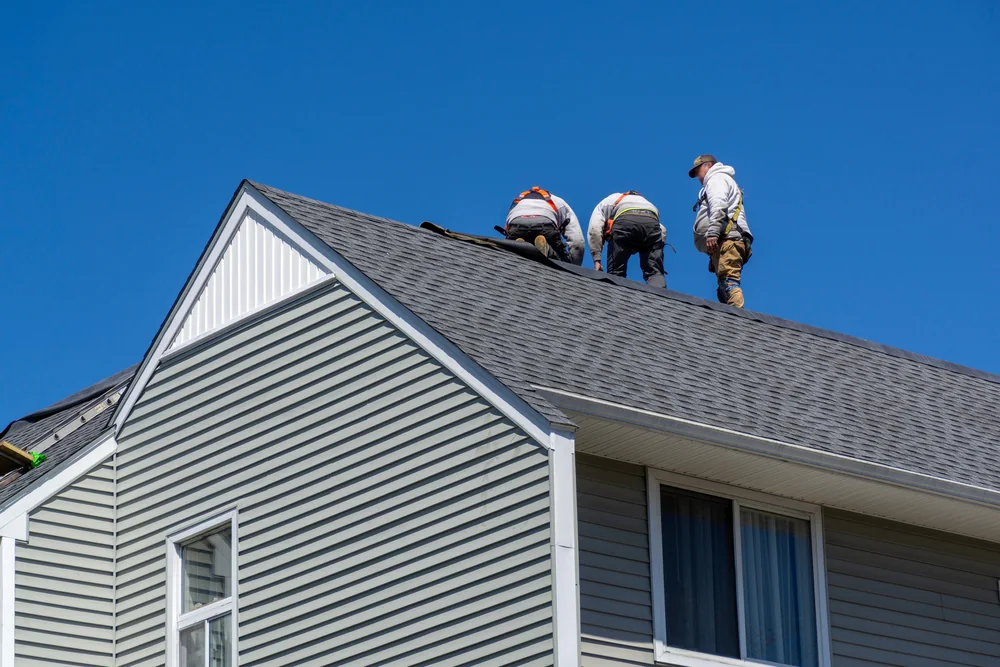
You’re staring at estimates that range from $8,000 to $25,000, and every contractor seems to have a different opinion on what belongs on your roof. One swears by asphalt shingles. Another pushes metal like it’s the only option that makes sense. Meanwhile, you’re just trying to figure out which material will actually protect your home without draining your savings account twice.
Here’s what matters: the roof over your head in Essex County, MA needs to handle heavy snow, ice dams, temperature swings that crack lesser materials, and potentially decades of New England weather. The choice between asphalt shingles and metal roofing isn’t about picking the “best” material—it’s about understanding which one fits your timeline, your budget, and what your specific home actually needs. Let’s break down what each material really offers.
Before you can compare asphalt to metal, you need to know that not all asphalt shingles are created equal. Walk into any roofing discussion and you’ll hear about three main types, each with different price points, lifespans, and performance characteristics.
3-tab shingles are the budget option. They’re flat, single-layer, and get their name from the three cutout tabs that create a uniform pattern. You’re looking at roughly 15-20 years of life in Massachusetts weather, sometimes less if your roof takes a beating from ice or wind. They cost less upfront—around $3.50-5 per square foot installed—but you’re trading longevity for that lower price.
Architectural shingles, also called dimensional or laminated shingles, are where most homeowners land. They’re thicker, made with multiple layers, and create that dimensional look that mimics wood shake or slate. These typically last 20-30 years and cost $4.50-7 per square foot. The extra thickness means better wind resistance and a warranty that actually means something. In Essex County, MA’s climate, this upgrade usually makes sense.
Luxury shingles sit at the top tier. They’re the thickest, most durable asphalt option, designed to mimic high-end materials like slate or cedar shake without the weight or maintenance headaches. You’re paying $8-15 per square foot, but you’re getting 30-50 year lifespan potential and the kind of curb appeal that makes neighbors ask questions. For homes where aesthetics matter and budget allows, luxury shingles bridge the gap between standard asphalt and premium materials.
Massachusetts weather doesn’t care about manufacturer warranties. Your roof deals with snow loads that can exceed 50 pounds per square foot, ice dams that form when heat escapes through your attic, and temperature swings from below zero to 90+ degrees that make materials expand and contract until something gives.
Asphalt shingles handle this through their fiberglass mat base coated with asphalt and topped with ceramic granules. Those granules do the heavy lifting—they protect against UV rays, add fire resistance, and create the color you see from the street. The problem is they wear off over time. In areas with harsh weather, you’ll see granule loss accelerate. Check your gutters after a few years. If you’re finding granules collecting there, your shingles are aging.
Moisture is the other challenge. Asphalt shingles are vulnerable to algae growth in humid conditions and can develop cracks when water freezes in small gaps. Massachusetts gets both humidity in summer and freeze-thaw cycles in winter. That’s why you’ll see dark streaks on older asphalt roofs—that’s algae, and while it’s mostly cosmetic, it signals that moisture is present.
The Massachusetts Building Code addresses some of this. Code 780 CMR requires ice barrier underlayment extending at least 24 inches inside your exterior walls. That’s not optional—it’s mandatory because ice dams are a real problem here. Your contractor should know this. If they don’t mention underlayment requirements, that’s a red flag.
Wind resistance matters too. Architectural shingles typically rate for 110-130 mph winds when properly installed. That covers most of what Essex County, MA throws at you, but coastal areas see higher wind loads. The code also limits you to two layers of asphalt shingles maximum. If your home already has two layers, the old roof comes off before anything new goes on. That tear-off adds $1-2 per square foot to your project cost.
Properly installed asphalt shingles with adequate attic ventilation can hit their warranty lifespan. Skip the ventilation, ignore ice dam prevention, or cheap out on installation, and you’re looking at replacement in 12-15 years instead of 20-25. The material works when the system works.
When you see “$5 per square foot” on an estimate, that number barely scratches the surface of what you’re actually paying for. Understanding the full cost breakdown helps you compare quotes and spot estimates that leave out critical items.
Material costs for asphalt shingles themselves run $0.70-2 per square foot depending on grade. That’s just the shingles. Add underlayment ($0.50-1/sq ft), starter strips, ridge caps, valleys, flashing around chimneys and vents, drip edge, and ice barrier where required. Suddenly your material cost is $2-4 per square foot before anyone picks up a hammer.
Labor accounts for roughly 60% of your total project cost. That’s the crew removing old shingles if needed ($1-2/sq ft for tear-off), inspecting and repairing roof decking ($50-300 per sheet if damaged sections need replacement), installing new underlayment and ice barrier, and then actually putting the shingles down. A typical installation runs $3-5 per square foot in labor for straightforward jobs.
Your roof’s complexity changes everything. A simple gable roof with no penetrations? Lower end of the cost range. Multiple dormers, valleys, skylights, chimneys, and a steep pitch that requires extra safety equipment? You’re climbing toward the higher end fast. Roof pitch matters—anything steeper than 6/12 increases labor time and cost because it’s harder and more dangerous to work on.
Don’t forget permits ($150-500 in most Massachusetts towns), disposal fees for old materials ($40-60 per ton), and potential ventilation upgrades if your attic needs better airflow. Some contractors include these in their base quote. Others list them separately. Ask specifically what’s included before you sign anything.
For a typical 2,000 square foot roof in Essex County, MA, you’re looking at $8,000-16,000 for architectural asphalt shingles installed, assuming one layer of old shingles to remove and no major decking repairs. That’s your realistic starting point. Get three written estimates that break down materials, labor, and additional costs separately. If one quote is dramatically lower, find out what they’re not including.
Want live answers?
Connect with a Paradise Remodeling Inc. expert for fast, friendly support.
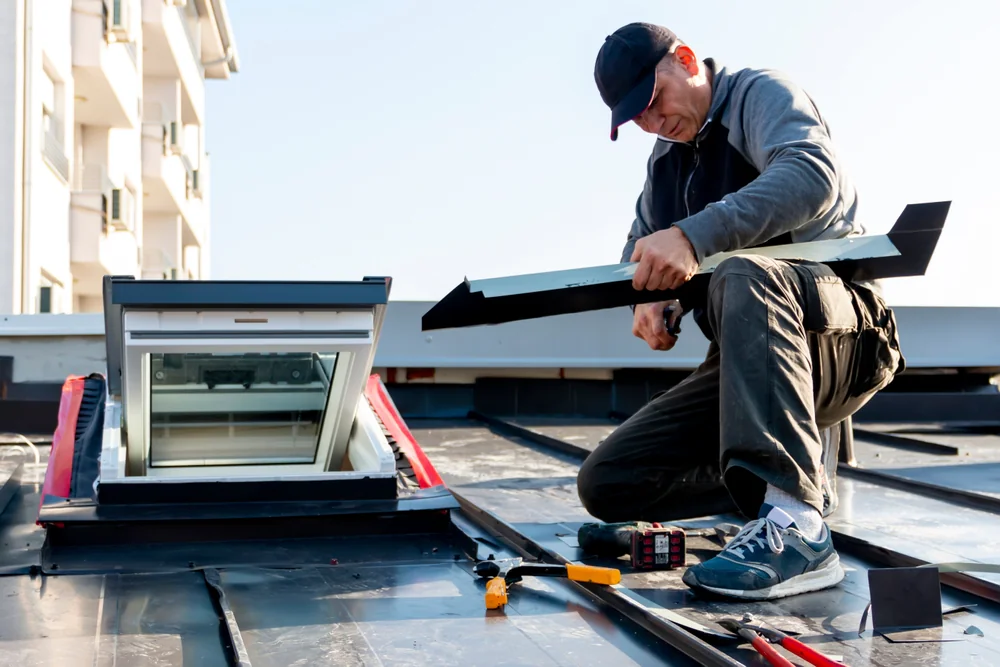
Metal roofing isn’t what your grandparents had on their barn. Modern metal roof shingles and standing seam systems come in styles that mimic traditional shingles, shake, and even slate. The question isn’t whether metal looks good—it’s whether the performance justifies the higher upfront cost.
Lifespan is where metal pulls ahead dramatically. A properly installed metal roof lasts 40-70 years. Some copper and high-grade steel systems exceed that. Compare that to asphalt’s 15-30 years and the math gets interesting. Over 60 years, you’ll replace an asphalt roof 2-3 times. You’ll replace a metal roof zero times. Factor in inflation and labor cost increases, and that gap widens.
Durability tells a similar story. Metal sheds snow and ice naturally—the smooth surface and heat conductivity mean less ice dam risk. Metal doesn’t absorb moisture, so you skip the algae, moss, and rot issues that plague asphalt in humid climates. Wind resistance goes up to 140 mph when properly installed. Fire resistance hits Class A ratings. Hail can dent softer metals like aluminum or copper, but steel holds up well, and most damage is cosmetic rather than structural.
Maintenance requirements drop significantly with metal. You’re looking at occasional inspections and keeping debris cleared. No granule loss to monitor. No shingles to replace after storms. No periodic cleaning to prevent algae growth. That ongoing maintenance cost difference adds up over decades.
Metal roofing costs more upfront. There’s no way around that fact. In the Capital Region and Essex County, MA area, you’re looking at $10-15 per square foot for quality steel or aluminum standing seam systems. Metal shingles run $7-22 per square foot depending on style and material. That’s roughly double what architectural asphalt shingles cost.
For that same 2,000 square foot roof, metal installation runs $14,000-30,000 depending on system type and complexity. Standing seam costs more than exposed fastener systems. Copper costs more than steel. Custom colors and profiles add to the price. The installation itself requires specialized skills—not every roofing crew knows how to properly install metal, and mistakes lead to leaks and failures.
But look at the 60-year cost comparison. Three asphalt roof replacements at $12,000 each equals $36,000 plus inflation. One metal roof at $20,000 stays at $20,000. Even accounting for potential fastener replacement on exposed fastener systems (which standing seam avoids), the long-term cost per year favors metal for homeowners staying in their homes long-term.
Energy efficiency adds another dimension. Metal reflects solar heat rather than absorbing it like asphalt. That can reduce cooling costs by 10-25% in summer months. Massachusetts sees hot summers, and that energy savings compounds over decades. Some insurance companies offer premium discounts for metal roofs due to their fire resistance and durability. Those savings aren’t huge—maybe 5-15% on your premium—but they’re real.
The timeline matters for this decision. Selling your home in 5-7 years? Asphalt makes more financial sense. Staying 20+ years? Metal’s higher upfront cost becomes competitive on a cost-per-year basis. Staying 40+ years? Metal wins clearly. Your personal situation determines which material offers better value.
One often-overlooked cost: metal roofing can sometimes be installed over existing asphalt shingles if the deck is sound and local code allows it. That saves tear-off and disposal costs, though you lose some of the ventilation benefits. Ask your contractor if this option makes sense for your specific situation.
Massachusetts throws everything at your roof. Heavy snow that sits for weeks. Ice that forms dams at your eaves. Summer heat that bakes shingles. Coastal salt air if you’re near the ocean. Temperature swings of 100+ degrees between winter lows and summer highs. Your material choice needs to handle all of it.
Asphalt shingles work well when properly installed with adequate ventilation and ice protection. They handle temperature swings through their flexibility—they expand and contract without cracking if they’re in good condition. The granule surface provides decent UV protection. In areas with moderate weather, asphalt performs reliably for its rated lifespan.
But Massachusetts isn’t moderate. Ice dams form when heat escapes your attic, melts snow on your roof, and that water refreezes at the eaves where it’s colder. Asphalt shingles can’t prevent this—only proper attic insulation, ventilation, and ice barrier installation help. Once water backs up under shingles, you’re looking at leaks and potential water damage. Metal’s smooth surface and better heat conductivity mean ice slides off before dams form in most cases.
Algae and moss growth happen in humid conditions, especially on north-facing slopes that stay shaded. Asphalt’s granular surface gives growth something to grab onto. You’ll need periodic cleaning or algae-resistant shingles (which cost more). Metal doesn’t support growth—the smooth, non-porous surface sheds moisture and gives organisms nowhere to establish.
Wind performance favors metal in coastal areas. While architectural asphalt shingles rate for 110-130 mph winds, metal systems can hit 140+ mph when properly installed with the right fastening system. If you’re in a high-wind zone, that difference matters. Asphalt shingles can lift or blow off in extreme winds, especially as they age and the adhesive seal weakens.
Maintenance time commitments differ significantly. Asphalt requires periodic inspection for damaged or missing shingles, granule loss monitoring, gutter cleaning to prevent backup, and potential repairs after severe weather. Budget a few hundred dollars every few years for maintenance and minor repairs. Metal needs occasional inspection and debris clearing. That’s it. No repairs unless you have impact damage from falling branches or severe hail.
The climate factor that most homeowners underweight is total lifespan in harsh conditions. Asphalt shingles rated for 30 years in moderate climates might only last 20-25 in Massachusetts due to the stress of freeze-thaw cycles and temperature extremes. Metal’s lifespan doesn’t degrade as much in harsh climates—50 years in Texas looks similar to 50 years in Massachusetts for quality metal systems.
The “winner” between asphalt shingles and metal roofing depends entirely on your situation. Asphalt offers lower upfront costs, easier contractor availability, and solid performance when properly installed. Metal delivers superior longevity, minimal maintenance, and better long-term value for homeowners staying put.
Your decision should factor in how long you’re staying in your home, your available budget, your tolerance for future maintenance and eventual replacement, and your specific climate challenges. A coastal home in a high-wind zone might justify metal’s premium. A home you’re selling in five years probably doesn’t. A steep roof that’s expensive to access might benefit from metal’s longer lifespan to avoid multiple future projects.
Both materials work when installed correctly by experienced contractors who understand Massachusetts building codes and climate requirements. The key is matching the material to your actual needs rather than choosing based on what sounds best or what a contractor happens to prefer installing. Get detailed estimates that break down all costs. Ask about warranties, maintenance requirements, and what happens when something needs repair. We serve both residential and commercial clients throughout Massachusetts and New Hampshire with expertise in asphalt shingle and metal roof installation, repair, and maintenance—reach out to discuss which option makes the most sense for your specific home, timeline, and budget.
Summary:
Article details:
Share: