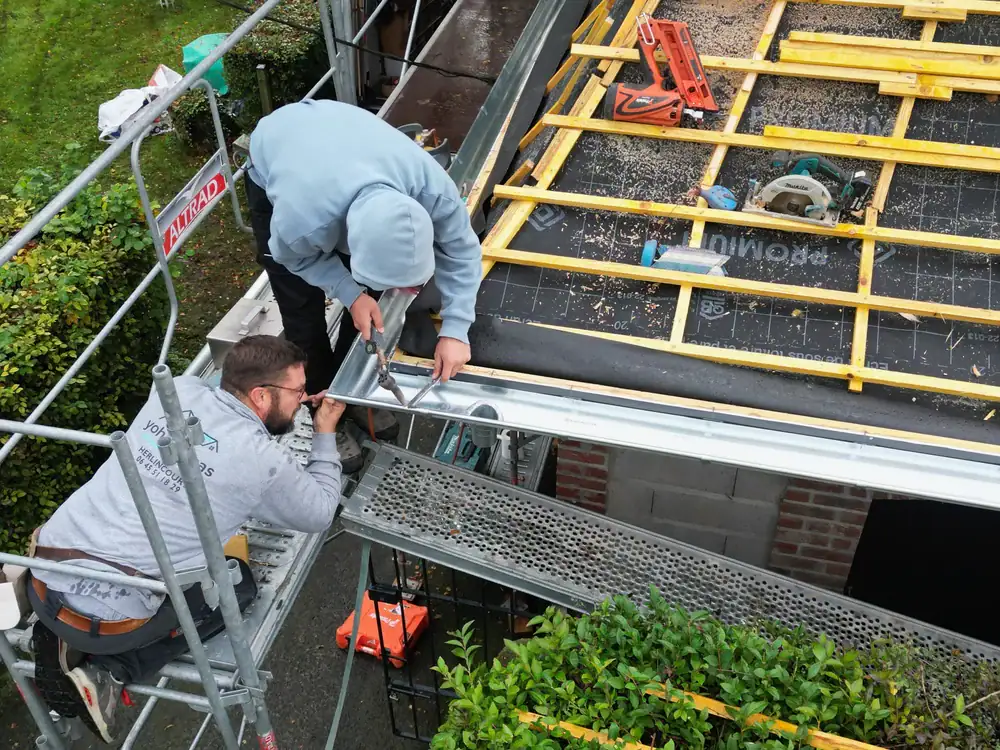
Your AC runs nonstop, but rooms stay warm. The problem isn't your cooling system—it's your windows and doors letting expensive conditioned air escape while hot air pours in.
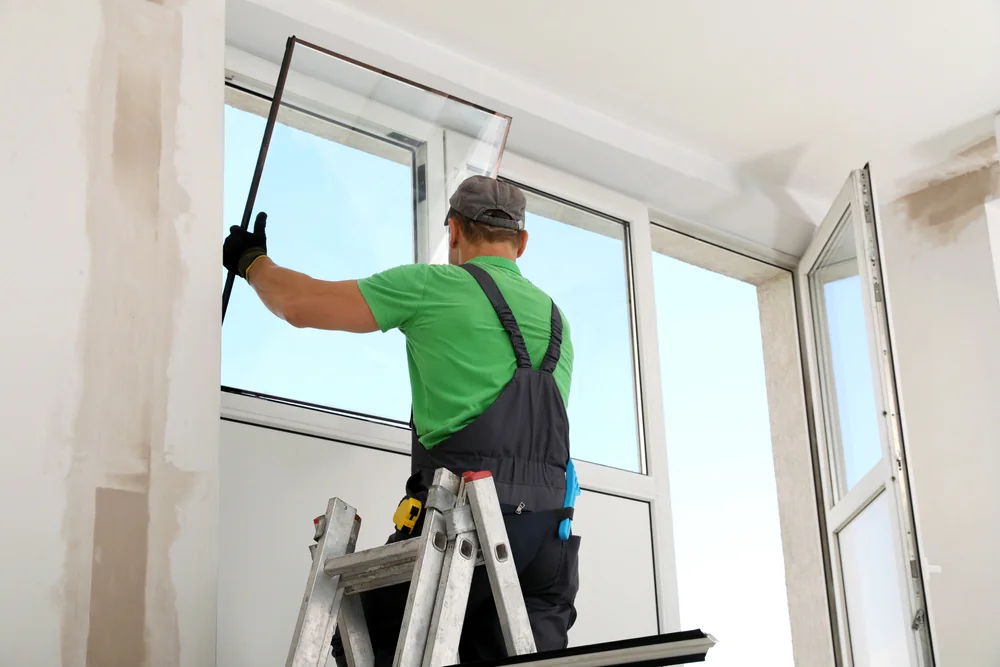
You crank the thermostat down another degree. The AC hums constantly. Your energy bill climbs higher every month. But some rooms never quite feel cool enough.
If this sounds familiar, your windows and doors are probably the problem. Old, drafty windows don’t just let winter cold seep in—they let your expensive summer air conditioning slip right out. And that leaking cool air costs you real money every single month. The good news? Upgrading to energy-efficient windows and doors stops the waste, drops your cooling costs, and actually makes your home comfortable. Here’s what you need to know about window installation and door replacement that pays you back.
Your windows are doing the exact opposite of what you need them to do in summer. Instead of keeping cool air inside where you paid for it, they’re letting it escape. At the same time, they’re inviting hot outdoor air to pour in.
The numbers tell the story. Windows account for 25 to 35 percent of your home’s heating and cooling loss. That means if your monthly summer electric bill is $300, you could be losing up to $105 directly through your windows. Every single month.
Old single-pane windows are the worst offenders, but even older double-pane windows lose efficiency as seals fail and gas fills dissipate. When your AC works harder to compensate for that constant energy loss, it doesn’t just cost more to run—it wears out faster, leading to expensive repairs or early replacement.
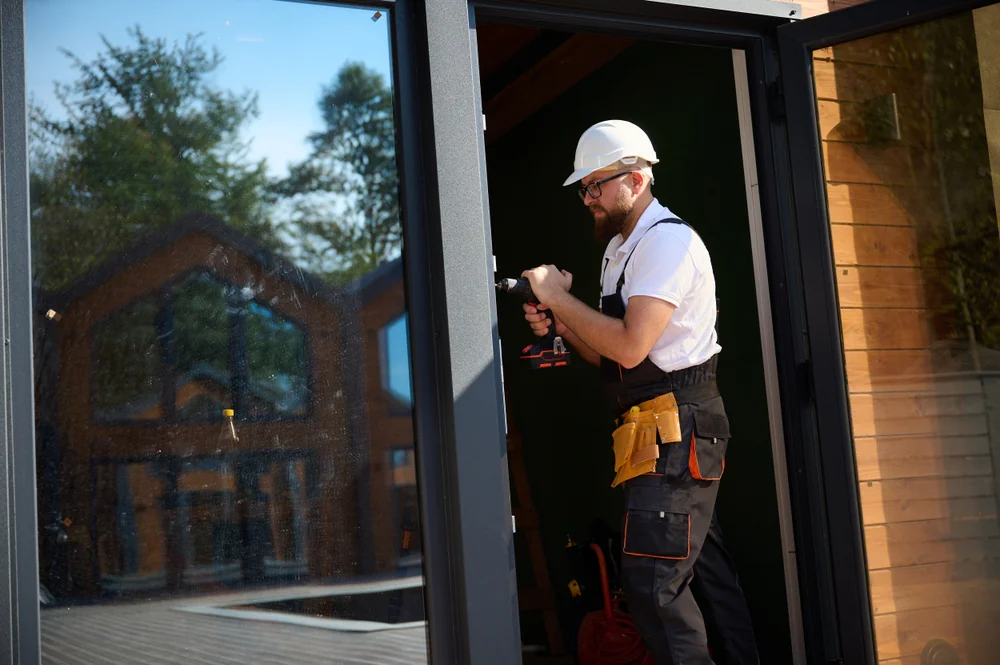
Not all windows handle summer heat the same way. The difference between an old window and a modern energy-efficient one comes down to a few key features that work together to keep cool air where it belongs.
Low-E coatings are thin metallic layers applied to window glass that reflect heat. In summer, they bounce solar heat back outside while still letting visible light through. Think of it like sunscreen for your house—you get the light without the uncomfortable heat. These coatings can be so effective that some experts say adding Low-E performs like adding another pane of glass.
Double-pane and triple-pane windows create insulating barriers that slow heat transfer. The space between panes gets filled with argon or krypton gas, which insulates better than regular air. Argon gas has about two-thirds the thermal conductivity of air, which means it’s significantly better at preventing heat from passing through your windows.
The frame material matters too. Vinyl and fiberglass frames insulate better than aluminum because they don’t conduct heat as easily. Wood offers good insulation but requires more maintenance. The frame needs to work with the glass, not against it.
Proper weatherstripping and sealing complete the picture. Even the most advanced window underperforms if gaps around the frame let air leak through. Professional installation ensures tight seals that actually hold, which is why the quality of installation matters as much as the window itself.
When you’re looking at replacement windows, check the NFRC label. It shows the U-Factor (how well the window prevents heat loss—lower is better) and the Solar Heat Gain Coefficient or SHGC (how much solar heat passes through—lower is better for hot climates). For New England summers, you want windows with a low SHGC to block heat and a low U-Factor for year-round efficiency.
Let’s talk real numbers. Drafty windows can add 10 to 25 percent to your energy bills every single month. For a home spending $200 monthly on summer cooling, that’s an extra $20 to $50 walking out the window—literally.
The U.S. Department of Energy confirms that as much as 30 percent of a home’s heating and cooling energy use can be lost through air leaks in windows and doors. When outdoor air leaks in and conditioned air escapes, your HVAC system runs longer and harder to maintain comfortable temperatures. That added strain translates directly into higher energy bills.
But the costs go beyond your monthly electric bill. Your air conditioning system experiences greater wear and tear when it has to compensate for constant energy loss. Systems that should last 15 to 20 years start needing repairs after 10. Replacing a central AC system costs thousands of dollars, and even window AC units running constantly to fight drafty windows will fail sooner than they should.
There’s also the hidden cost of discomfort. You’re paying for cooling that doesn’t actually make your home comfortable. Some rooms stay warm no matter how low you set the thermostat. You avoid certain spaces in your own house during summer afternoons. That’s not just annoying—it’s wasted money buying something you’re not even getting.
Moisture is another expensive problem. Drafty windows let humid outdoor air infiltrate your home, leading to condensation, water damage around frames, and potentially mold growth. Dealing with mold remediation and structural repairs costs far more than preventing the problem with proper windows in the first place.
The good news is that these costs are completely avoidable. ENERGY STAR certified windows lower household energy bills by an average of 13 percent nationwide when replacing single-pane windows. In New England specifically, homeowners save around $340 annually by upgrading to ENERGY STAR windows. Those savings add up year after year, and they start the moment your new windows are installed.
Want live answers?
Connect with a Paradise Remodeling Inc. expert for fast, friendly support.
Your patio door gets used constantly in summer—grilling, kids running in and out, enjoying your deck or yard. But old sliding glass doors are some of the biggest energy wasters in your home.
Single-pane glass patio doors lose far more heat than other types of doors because glass is a poor insulator. Even older double-pane doors with worn weatherstripping leak air constantly. It’s nearly impossible to completely seal a sliding door and still be able to use it, and after years of use, that weatherstripping wears down even more.
Modern energy-efficient patio doors solve these problems. They feature double or triple-pane glass with Low-E coatings and gas fills between the panes. The frames use insulated materials like fiberglass or vinyl that resist heat transfer. Quality weatherstripping creates tight seals that actually hold up over time.
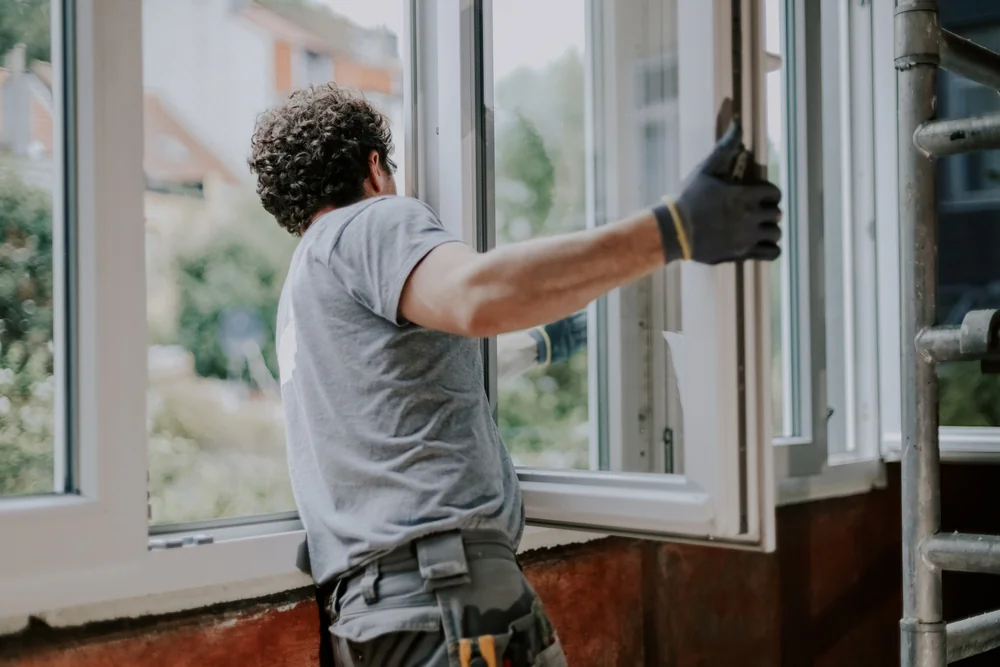
When it comes to patio door replacement, you have several options that balance energy efficiency with how you actually use the space.
Sliding glass doors remain popular because they don’t require clearance to swing open, making them perfect for tight spaces or furniture arrangements near the door. Modern sliding doors have come a long way from older models. Look for multi-chamber frames, insulated glass units with Low-E coatings, and high-quality rollers that glide smoothly while maintaining a tight seal. The key is finding doors with low air leakage ratings—swinging doors generally seal tighter than sliders, but well-made sliding doors can perform nearly as well.
French doors, whether hinged or sliding, offer a more traditional look with excellent energy performance. Hinged French doors typically provide the tightest seal when closed. They open wide for moving furniture or large items in and out, and they create an elegant transition between indoor and outdoor spaces. Sliding French doors give you the aesthetic of traditional French doors with the space-saving benefits of a slider.
The glass itself makes a huge difference. Double-pane glass with argon gas fill provides solid insulation for most climates. The argon gas between panes slows heat transfer significantly better than air alone. Triple-pane glass offers even better performance, though it costs more and adds weight to the door. For New England’s climate extremes, double-pane with Low-E coating and argon fill typically provides the best balance of performance and value.
Low-E coatings on patio doors work the same way they do on windows—reflecting heat back to where it came from. In summer, that means bouncing solar heat back outside before it enters your home. Some Low-E coatings are designed specifically for warm climates, blocking more solar heat while still allowing light through.
Frame materials affect both energy efficiency and durability. Fiberglass frames provide excellent insulation and expand and contract at nearly the same rate as glass, which maintains seal integrity through temperature swings. Vinyl offers good insulation at a lower price point and requires minimal maintenance. Wood frames insulate well and look beautiful but need regular upkeep. Aluminum conducts heat easily unless it includes a thermal break—an insulating barrier that separates inner and outer frame sections.
Door installation costs vary based on the type of door, materials, and installation complexity. Patio door replacement typically runs from $450 for a basic sliding door to $5,000 for premium French doors with all the upgrades. Most homeowners in Essex County, MA, Hillsborough County, NH, Rockingham County, NH, and Middlesex County, MA spend between $1,000 and $2,500 for a quality energy-efficient patio door professionally installed.
That might sound like a significant investment, but the savings start immediately. Energy-efficient patio doors prevent warm air from entering during summer months, which lowers demand on your air conditioning system. Homeowners often notice a real difference in comfort levels and energy bills right away.
The return on investment for patio door replacement can be substantial. According to industry data, installing an energy-efficient sliding patio door offers up to 65 percent return on investment. That ROI comes from both the energy savings and the increased home value. Buyers specifically look for energy-efficient features, and modern patio doors instantly update a home’s appearance while providing practical benefits.
Beyond the numbers, there’s the daily quality of life improvement. New patio doors operate smoothly instead of sticking or requiring force to open. They seal tightly, eliminating drafts and reducing outdoor noise. The improved insulation means rooms near the patio door stay comfortable instead of becoming the hottest spots in your house during summer.
Many patio doors also offer better security features than older models. Multi-point locking systems, stronger frames, and impact-resistant glass options provide peace of mind along with energy savings. If you live in an area with severe weather, impact-resistant glass can even qualify for insurance discounts while protecting your home.
Maintenance requirements drop significantly with modern doors too. Quality weatherstripping lasts longer and performs better. Durable frame materials resist warping, rotting, and deterioration. You spend less time and money on upkeep and more time actually enjoying your outdoor space.
The key to maximizing these benefits is professional installation. Even the best door performs poorly if it’s not installed correctly. Gaps in framing, improper weatherstripping, or threshold issues create air leaks that waste energy and compromise comfort. Professional installers ensure your door is level, properly sealed, and adjusted for smooth operation that lasts.
Your windows and doors control how much money you spend keeping your home comfortable. Old, inefficient ones cost you every single month through higher energy bills, HVAC strain, and rooms that never quite feel right no matter how hard your AC works.
Energy-efficient window installation and door replacement stop that waste. You get lower cooling costs, better comfort, protection for your HVAC system, and a home that actually holds the temperature you’re paying for. The upgrades pay for themselves through energy savings while increasing your property value and making your space more enjoyable.
If you’re ready to stop throwing money away on wasted cooling, we can help. We’ve been serving homeowners throughout Essex County, MA, Hillsborough County, NH, Rockingham County, NH, and Middlesex County, MA with professional window and door installation that delivers real results. Quality work, attention to detail, and products that perform—that’s how you turn an upgrade into an investment that keeps paying back.
Summary:
Article details:
Share: