That fresh coat of paint looks great—until it starts peeling six months later. Here's what most contractors won't tell you about siding prep.
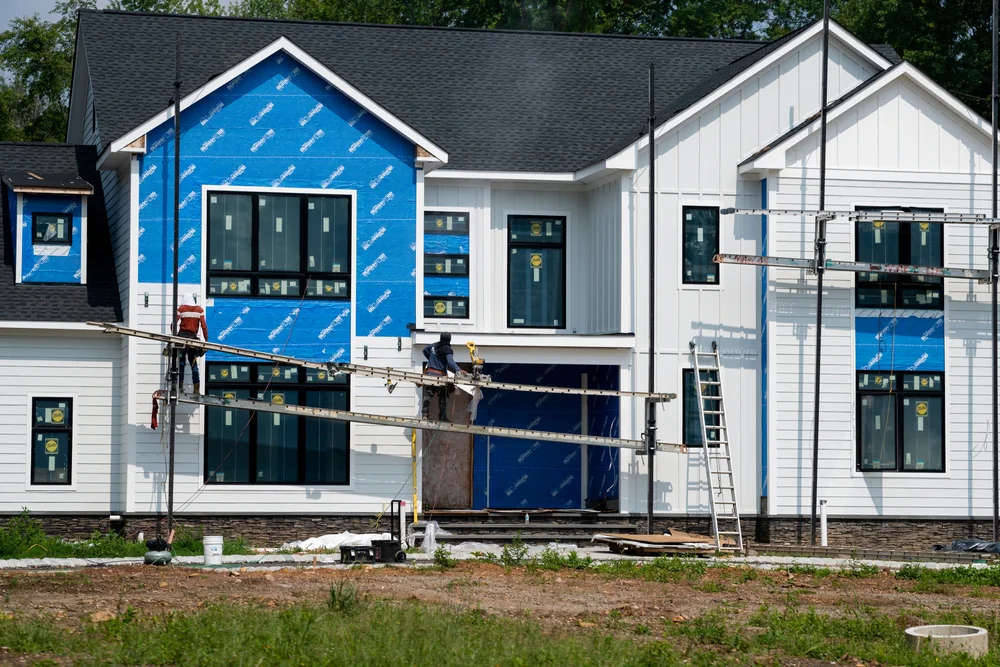
You’ve been staring at those faded, peeling sections of your home’s exterior for months. Maybe years. The paint’s chalking off when you run your hand across it, or you’ve spotted cracks in the siding that weren’t there last season. So you start thinking: time for a fresh coat of paint.
But here’s the thing most painting contractors won’t mention until they’re already on your property—slapping paint over damaged siding is like putting a bandage on a broken bone. It might look better temporarily, but the problem underneath keeps getting worse. And that “affordable” paint job? It’ll be peeling again before you know it, costing you more in the long run.
Let’s talk about what actually needs to happen before a single brush touches your house.
Walk up to any house with peeling exterior paint, and you’ll usually find the same story underneath: moisture damage, rotted wood, or cracked vinyl that was never addressed. The paint was applied over a compromised surface, and now both the paint and the siding are failing together.
Paint needs a stable, solid surface to bond to. When wood is soft from rot or vinyl is warped from heat exposure, there’s nothing for the paint to grip. You end up with adhesion failure—the paint literally can’t hold on.
This is especially common in Essex County, MA and throughout New Hampshire, where freeze-thaw cycles and coastal humidity accelerate siding deterioration. One winter of moisture getting behind damaged siding can turn a small repair into a full replacement project.
Rotted wood doesn’t just look bad—it acts like a sponge. Even after it appears dry on the surface, moisture stays trapped in the deteriorated fibers. When you paint over it, you’re sealing that moisture in.
Here’s what happens next. The trapped moisture tries to escape through the only path available: outward, through your fresh paint. This creates blistering and peeling, usually within the first year. Sometimes within months if the rot is severe enough.
But the bigger problem is what you can’t see. That rot keeps spreading under the paint. It moves along the board, into adjacent pieces, sometimes into the sheathing behind your siding. What started as a $200 board replacement becomes a $2,000 structural repair because it wasn’t caught early.
Professional house painters know this. We scrape away loose paint during prep and immediately spot the soft, punky texture of rotted wood. The question is whether we’ll tell you about it or just paint over it and move on to the next job.
The right approach? Remove the damaged section completely. Replace it with new wood that’s been primed on all six sides—front, back, ends, and edges. This prevents moisture from wicking into the raw wood later. Then, and only then, does paint have a fighting chance of lasting the 7-10 years it should.
If you’re seeing paint failure on wood siding in Middlesex County, MA or Rockingham County, NH, don’t assume it’s just old paint. Check the wood itself. Press on it with your thumb. If it gives, or if you can push a screwdriver in easily, you’re looking at rot that needs replacement, not just a fresh coat.
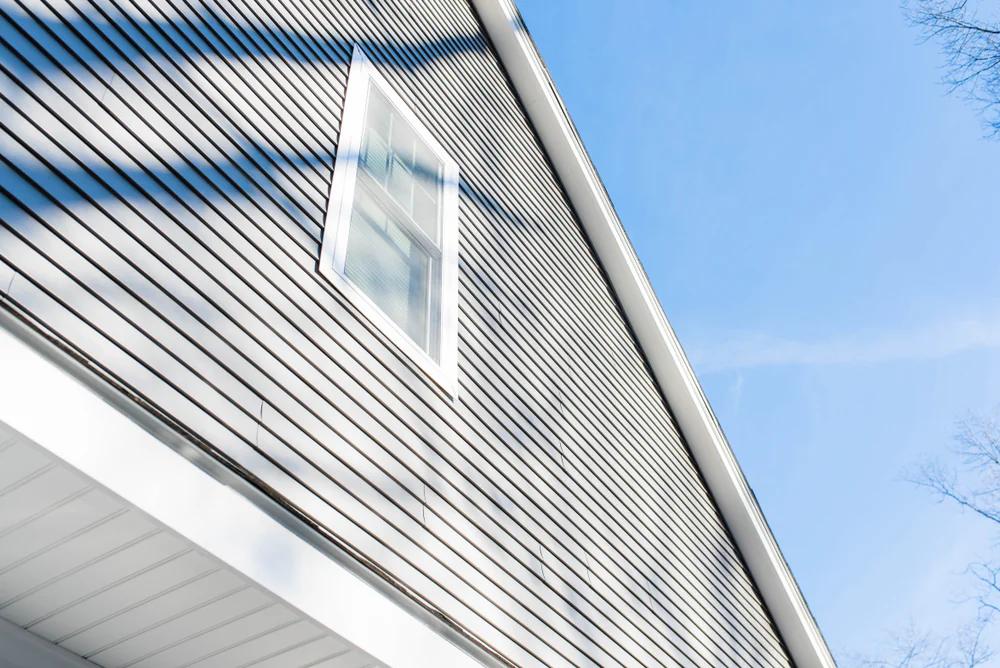
Vinyl siding was never designed to be painted. It’s manufactured with color mixed into the material, which is why it fades over time rather than peeling. When homeowners decide to paint it anyway, they’re fighting the material’s natural properties.
Vinyl expands and contracts with temperature changes—a lot. On a hot summer day in Hillsborough County, NH, vinyl siding can expand up to half an inch on a 12-foot section. In winter, it contracts back. Paint doesn’t move the same way. It cracks at the seams, peels at the edges, and generally looks terrible within a few years.
But here’s the part that costs people real money: if your vinyl is already cracked, warped, or pulling away from the house, paint won’t fix any of that. In fact, it makes future repairs harder because now you have to deal with painted vinyl instead of the original surface.
Cracks in vinyl siding let water behind the material. That water sits against your house wrap or, worse, directly against your sheathing if the house wrap is compromised. You end up with mold, rot, and insulation damage—all hidden behind siding that looks “fine” because you painted it.
The smarter move? Replace damaged vinyl sections before painting. If you’re going to invest in painting vinyl at all, make sure the material underneath is sound. Check for cracks, especially around windows and doors where impact damage is common. Look for warping on south-facing walls where sun exposure is highest.
And if you’re seeing widespread damage—multiple cracked panels, significant fading, or pieces that have pulled loose—consider whether painting is even the right solution. Vinyl siding installation typically costs between $7 and $13 per square foot. Sometimes replacement makes more financial sense than trying to paint over a failing system.
This is where working with a contractor who handles both siding services and painting pays off. We can give you an honest assessment of whether repair-then-paint or full replacement is the better investment for your specific situation.
Want live answers?
Connect with a Paradise Remodeling Inc. expert for fast, friendly support.
The difference between a paint job that lasts two years and one that lasts ten comes down to what happens before the first gallon of paint is opened. Professional siding repair isn’t just about making things look good—it’s about creating the right foundation for paint to actually do its job.
Proper repair starts with a real inspection. Not a quick walk-around, but a methodical check of every section of siding, especially areas that see the most weather exposure. South and west-facing walls take the brunt of sun and rain. Lower sections near the ground are prone to splash-back and moisture wicking.
Once damaged areas are identified, they need to be addressed based on what’s actually wrong. Rotted wood gets cut out and replaced. Cracked vinyl gets swapped for new panels. Loose boards get re-secured with proper fasteners, not just nailed back up with whatever’s handy.
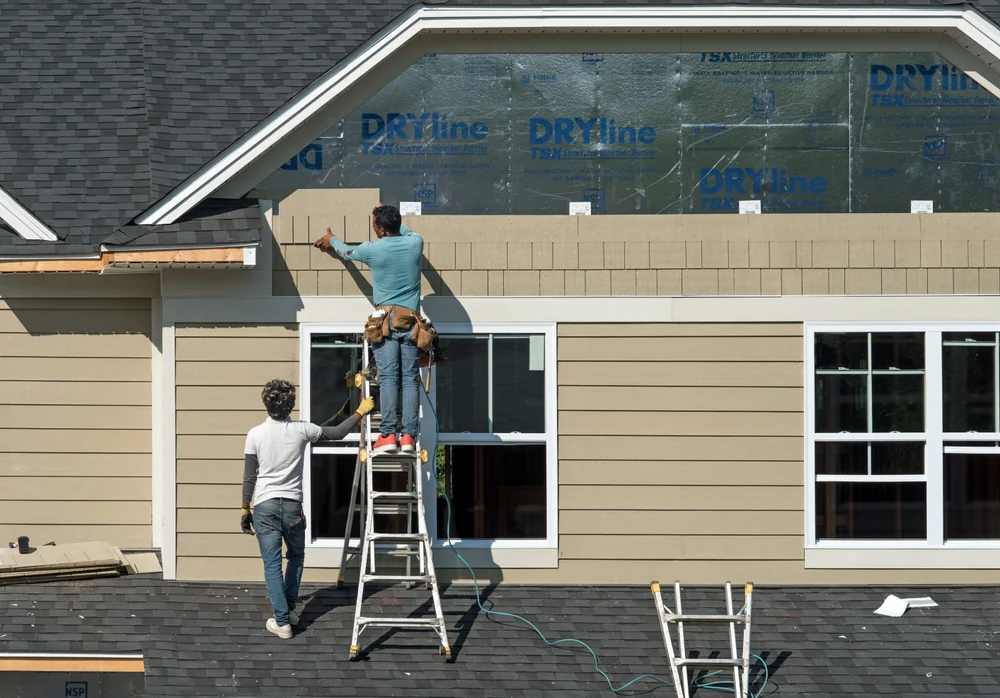
Surface preparation is where most residential exterior painting projects succeed or fail. You can use the most expensive paint on the market, but if it’s going onto a dirty, poorly prepped surface, it won’t last.
Start with cleaning. Not just a quick rinse, but actual removal of dirt, mildew, chalky oxidation, and any loose paint. Power washing works, but it has to be done carefully—too much pressure damages wood and forces water behind siding. The goal is clean and dry, not soaked and splintered.
After cleaning, everything needs to dry completely. Not just surface-dry, but actually dry. Wood can look and feel dry on the outside while still holding moisture inside. Painting over that trapped moisture leads to the same blistering and peeling problems as painting over rot. In humid summer conditions, this can mean waiting a full day or more after washing.
Next comes scraping and sanding. Any loose or peeling paint has to come off. You’re not trying to remove every speck of old paint—that’s overkill—but you need to get down to a sound surface. Edges where old paint meets bare wood should be feathered smooth so you don’t see ridges through the new paint.
Bare wood gets primed. Not painted—primed. Primer seals the wood, prevents tannin bleed-through, and gives the topcoat something to bond to. Skipping primer or using paint-and-primer-in-one on raw wood is asking for early failure. The few dollars saved on primer costs hundreds later in repainting.
Caulking comes next. Gaps around trim, between boards, at corner joints—anywhere water can sneak in. But not everywhere. Bottom edges of horizontal siding should not be caulked. Those gaps let moisture escape from behind the siding. Seal them up and you trap water, which leads right back to rot and paint failure.
Only after all of this—cleaning, repairing, scraping, priming, caulking—does it make sense to apply finish coats. And even then, weather matters. Temperature, humidity, and forecast all affect how paint cures. Too hot and it dries too fast, not bonding properly. Too cold and it doesn’t cure at all. Rain within 24 hours? You’re starting over.
This is why summer is the peak season for exterior painting work. Longer days, stable temperatures, and lower chance of rain give paint the best conditions to cure properly. Most exterior painting projects are started and completed between May and July for good reason—the weather cooperates. But even in summer, the prep work can’t be rushed.
Not every damaged piece of siding needs replacement. But not every damaged piece can be repaired, either. Knowing the difference saves money and prevents problems down the road.
For wood siding, the rule is simple: if it’s soft, it’s gone. Press on the suspect area with your thumb or tap it with a screwdriver handle. Solid wood sounds and feels firm. Rotted wood sounds dull and gives under pressure. There’s no fixing rot—the wood structure is compromised. Cut it out, replace it with new material, and move on.
Small cracks in wood siding can be filled with exterior-grade wood filler, but only if the surrounding wood is sound. If the crack is due to rot or if the wood is splitting in multiple places, replacement is the better call. Filler might look okay for a season, but it won’t hold up long-term.
Vinyl siding is less forgiving. A cracked panel can’t be repaired—it needs to be replaced. The good news is that vinyl replacement is relatively straightforward if you can match the profile and color. The bad news is that vinyl fades over time, so a new panel might not match perfectly even if it’s technically the same color.
For widespread damage—say, multiple rotted boards on one wall or several cracked vinyl panels—you’re approaching the point where full replacement makes more sense than piecemeal repair. This is especially true if the siding is more than 20-25 years old. At that point, you’re likely to keep finding more problems as you work.
Here’s where honest contractor advice matters. A painting contractor who only paints will tell you everything can be painted. A siding contractor who only does siding will tell you everything needs replacement. A contractor who does both can give you a straight answer about what actually makes sense for your situation and budget.
In areas like Essex County, MA and throughout New Hampshire, where weather is tough on exteriors, it’s not uncommon to need some siding replacement before painting. That doesn’t mean you’re being upsold—it means someone’s looking at the whole picture instead of just covering up problems with a fresh coat.
The investment in proper repair and replacement pays off in how long your paint lasts, how well your home is protected from weather, and how much you spend on maintenance over the next decade. Cutting corners on prep to save a few hundred dollars now often costs thousands in premature repainting and water damage repairs later. Professional exterior painting done right can increase your home’s value by 2 to 5 percent while protecting your investment for years to come.
Your home’s exterior isn’t just about appearance—it’s the first line of defense against everything New England weather throws at it. Rain, snow, sun, humidity, freeze-thaw cycles. When siding and paint are in good shape, they handle it. When they’re compromised, problems multiply fast.
The key takeaway: paint is only as good as what’s underneath it. Damaged siding needs repair or replacement before painting makes sense. Proper surface preparation isn’t optional—it’s what determines whether your paint job lasts three years or ten. Working with experienced house painters who understand siding repair means you get honest assessments and lasting results, not temporary fixes.
If you’re in Essex County, MA, Middlesex County, MA, Rockingham County, NH, or Hillsborough County, NH and you’re seeing signs that your exterior needs attention, get an honest assessment before you commit to painting. Look for contractors who can handle both siding repair and painting, so you’re not coordinating between multiple companies or getting conflicting advice.
We’ve been working on homes throughout Massachusetts and New Hampshire since 2012, handling everything from siding installation and repair to complete exterior painting projects. When you’re ready to do it right, reach out.
Summary:
Article details:
Share: