Hear from Our Customers
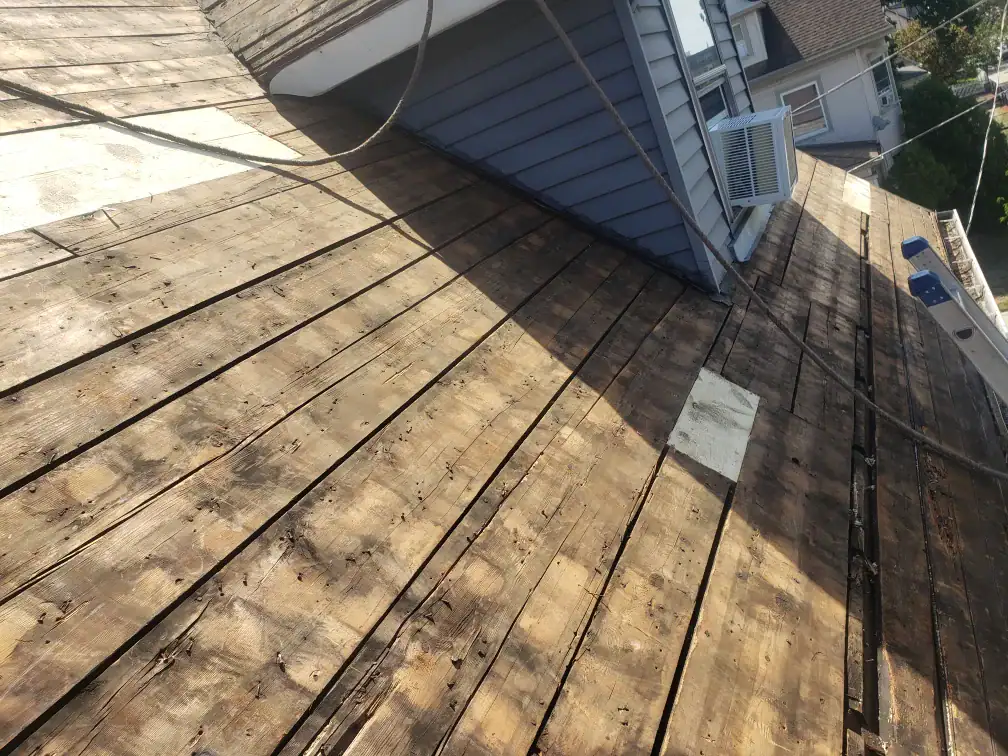
Your siding isn’t just there to look good. It’s the barrier between your home’s structure and everything New Hampshire weather throws at it—freezing rain, heavy snow, summer humidity, pollen, algae, and more.
When you stay on top of siding maintenance in Wilton, NH, you’re doing more than washing off dirt. You’re spotting cracks before water gets behind the boards. You’re catching warping before it leads to mold inside your walls. You’re removing mildew before it eats away at the material.
Regular cleaning and inspections mean your siding lasts longer, your energy bills stay lower, and your home value doesn’t take a hit. It’s not glamorous work, but it’s the kind that saves you thousands down the road.
Paradise Remodeling Inc is locally owned, and we’ve spent years working on homes right here in Wilton and the surrounding area. We’re an Owens Corning Preferred Contractor, which means we’ve met strict standards for quality and reliability—not just once, but consistently.
We’re not the cheapest option, and we won’t pretend to be. Our focus is on doing the work right, using quality materials like CertainTeed and Premium Pointe, and making sure you don’t have to call someone else to fix our mistakes.
Wilton homes deal with freeze-thaw cycles, heavy snow loads, and humid summers that create the perfect conditions for mold and mildew. We know what to look for because we’ve seen it all before.
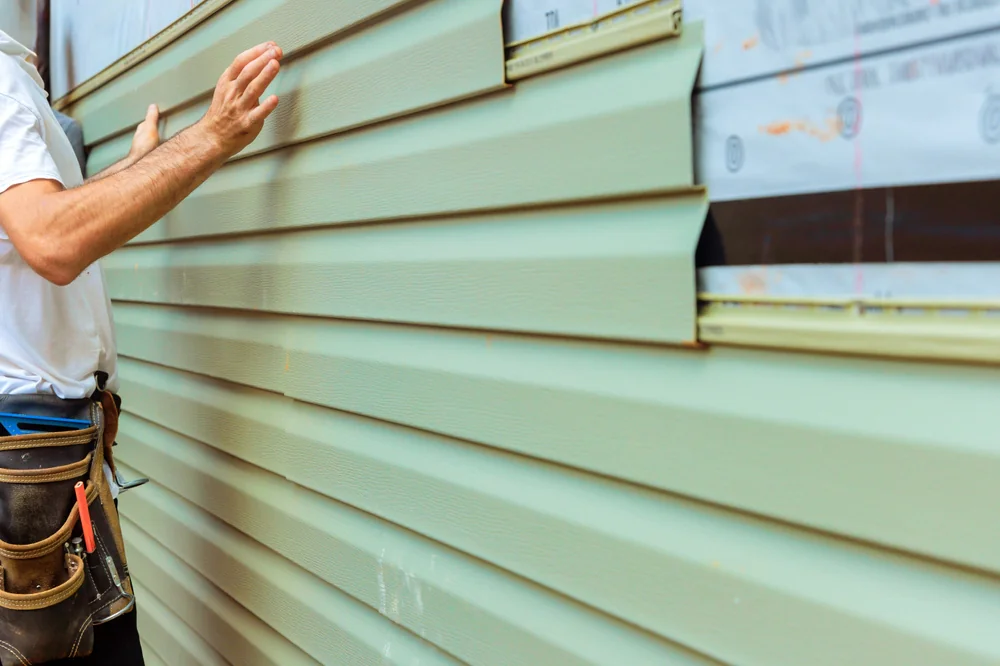
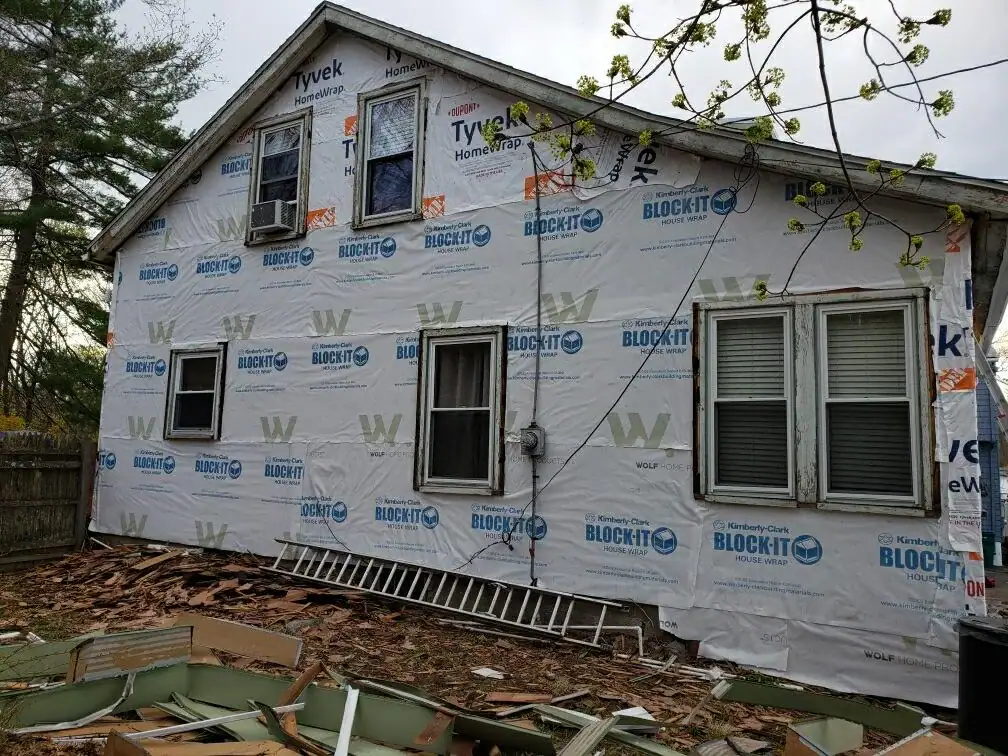
First, we inspect your siding from top to bottom. We’re looking for cracks, warping, loose boards, gaps around windows and doors, and any signs of moisture damage or mold growth. This is where most problems start, so we don’t skip it.
Next comes cleaning. We use soft washing, not high-pressure power washing. Why? Because commercial pressure washers can hit over 3,300 PSI—way more than vinyl siding can handle without damage. Soft washing uses low pressure and specialized cleaning solutions to remove dirt, grime, mold, and mildew without forcing water behind your siding or cracking the material.
After cleaning, we do a final check. If we found any issues during the inspection—loose panels, small cracks, areas where caulk has failed—we’ll walk you through what needs attention and why. Then you decide what makes sense to address now versus later. No pressure, just information.
Ready to get started?
You get a full inspection using a real siding inspection checklist—not just a quick walk-around. We check for physical damage, look for signs of moisture intrusion, test for loose or missing pieces, and identify any areas where mold and mildew removal in Wilton, NH is needed.
The cleaning process covers your entire exterior. We treat problem areas where algae and mildew tend to grow—usually the north side of your home or anywhere with limited sunlight and poor air circulation. These spots are common in Wilton because of our humidity levels and tree cover.
We also explain the difference between power washing vs soft washing, because it matters. High pressure might seem like it gets things cleaner, but it can crack vinyl, strip paint from wood siding, and force water into places it shouldn’t go. Soft washing is safer, just as effective, and won’t void your siding warranty.
If your siding is wood, fiber cement, or stucco, we adjust our approach. Each material has different tolerances and needs. Vinyl might be low maintenance, but it’s not no maintenance—and the same goes for every other type of siding.
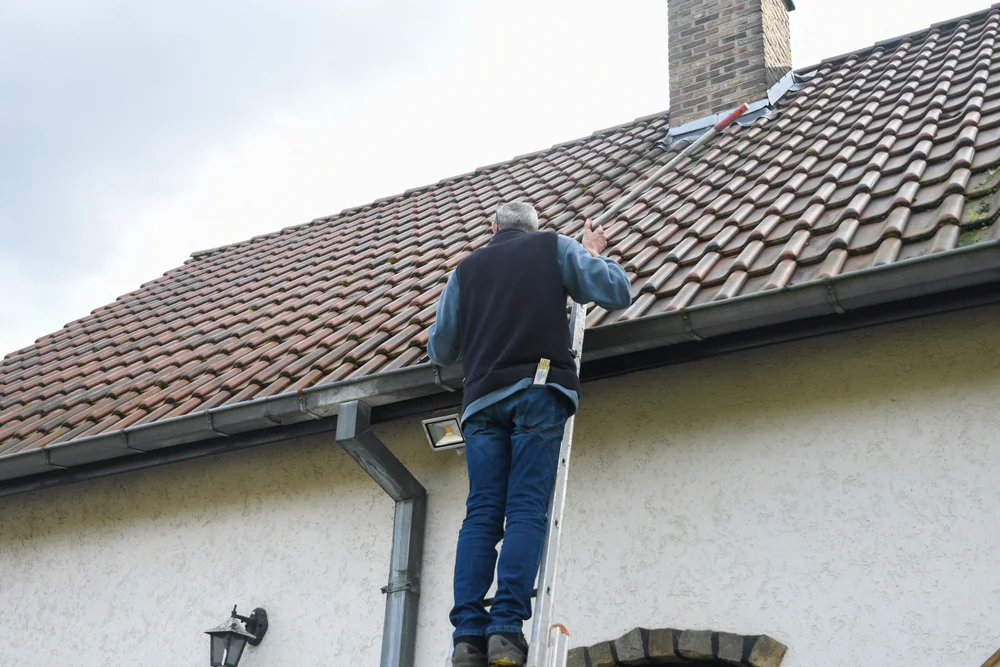
Once a year is the standard recommendation, and spring or fall are the best times to do it. Spring lets you catch any damage from winter’s freeze-thaw cycles, ice buildup, or heavy snow. Fall gives you a chance to spot issues caused by summer heat, humidity, and storm activity before winter hits again.
If you’ve had a particularly harsh winter or a summer with severe storms, it’s worth scheduling an extra inspection. Small problems don’t stay small for long when moisture is involved, and Wilton’s seasonal swings create plenty of opportunities for damage to develop quickly.
Even if your siding looks fine from the ground, an up-close inspection can reveal cracks, warping, or early signs of mold that you wouldn’t notice otherwise. Catching those early is the difference between a simple fix and a costly repair.
Power washing uses high pressure—often over 3,000 PSI—to blast away dirt and grime. Soft washing uses low pressure combined with cleaning solutions designed to break down mold, mildew, algae, and dirt without the force.
For vinyl siding, power washing is risky. Too much pressure can crack the material, force water behind the panels, or loosen pieces entirely. It might look clean afterward, but you could be creating problems you won’t see until later—like water damage or mold growing inside your walls.
Soft washing is safer for all siding types, including vinyl, wood, fiber cement, and stucco. It’s just as effective at removing buildup, but it protects the integrity of your siding and doesn’t void manufacturer warranties. If someone shows up with a commercial-grade pressure washer and no plan to adjust the pressure, that’s a red flag.
You can clean it yourself if you have the right equipment and know how to use it safely. A garden hose, a soft-bristle brush, and a mild cleaning solution will handle light dirt and grime. Work from the bottom up to avoid streaking, and rinse thoroughly.
Where it gets tricky is when you’re dealing with mold, mildew, or algae—or if you’re thinking about using a pressure washer. Most homeowners don’t have access to soft washing equipment, and using a standard pressure washer without experience increases the risk of damaging your siding or forcing water where it shouldn’t go.
If your siding hasn’t been cleaned in years, if you’re seeing dark streaks or green growth, or if you’re not comfortable working on a ladder, hiring a professional makes sense. We’ve seen plenty of DIY jobs that created more problems than they solved, and fixing those mistakes costs more than doing it right the first time.
Mold and mildew thrive in moisture, and Wilton’s climate gives them plenty of it. High humidity, morning dew, rain, and snow all contribute. Areas of your home that don’t get much sunlight—like the north side or spots shaded by trees—stay damp longer, which creates perfect conditions for growth.
Poor air circulation makes it worse. If your landscaping is too close to your siding, or if your gutters are clogged and overflowing onto your walls, you’re adding even more moisture to the problem. Mold and mildew aren’t just cosmetic issues—they can break down siding materials over time and lead to bigger problems.
Regular cleaning helps, but if you’re seeing the same spots come back quickly, there might be an underlying issue. We look for things like failed caulking, damaged flashing, or drainage problems that are keeping your siding wet. Fixing the root cause is the only way to stop the cycle.
Small cracks let water in. Once water gets behind your siding, it can damage the sheathing, insulation, and framing. In winter, that water freezes and expands, making the crack bigger. In summer, it creates conditions for mold and rot.
You might not see the damage right away because it’s happening inside your walls. By the time it’s visible—warping, staining, soft spots—the repair is a lot more involved and expensive than it would have been if you’d addressed the crack early.
Wilton’s freeze-thaw cycles are especially hard on siding. What starts as a hairline crack in the fall can turn into a serious problem by spring. We’ve seen cases where ignoring a small issue led to replacing entire sections of siding, plus fixing the water damage underneath. A quick repair now saves you from a major headache later.
Spring and early summer are ideal. Once the snow melts and temperatures stabilize, you can assess any damage from winter and get your siding cleaned before the heat and humidity of July and August set in.
Fall is also a good option, especially if you want to prepare your home for winter. You can address any issues caused by summer storms, remove built-up dirt and organic growth, and make sure your siding is sealed and ready to handle freezing temperatures.
Avoid scheduling during extreme cold or when heavy rain is forecasted. Cleaning solutions work best within certain temperature ranges, and wet conditions make it harder to spot damage during inspections. If you’re flexible on timing, aim for a stretch of dry, mild weather—it makes the process smoother and more effective.