Hear from Our Customers
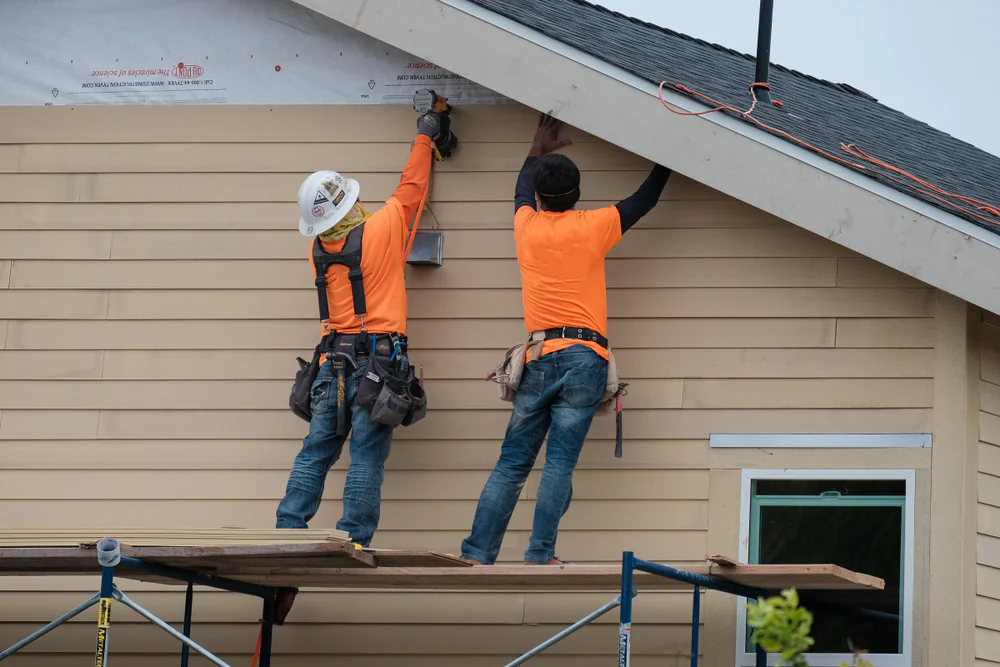
That crack in your siding isn’t just ugly. It’s a direct line for water to get behind your walls, and once that starts, you’re looking at mold, rot, and structural damage that makes the original repair cost look like pocket change.
Fixing cracked vinyl siding in Wilton, NH means sealing your home back up before New Hampshire’s weather turns a small problem into a full exterior replacement. We’re talking about preventing the kind of damage that shows up months later as stains on your ceiling or soft spots in your floor.
You don’t need a lecture on what could happen. You need someone who can assess the damage, match your existing siding, and get it fixed before the next storm rolls through. That’s what we do—and we do it without the runaround or the upsell.
Paradise Remodeling Inc isn’t new to this. We’ve been handling siding repairs across Wilton, NH and surrounding communities long enough to know exactly what happens when vinyl gets hit by hail, when wood starts warping from moisture, and when homeowners get stuck dealing with insurance adjusters who don’t want to pay.
We’re locally owned, which means we’re not disappearing after the job. We know the weather patterns here—the summer storms that crack panels and the freeze-thaw cycles that warp siding over time. We also know which materials hold up and which ones you’ll be replacing again in five years.
You’re not getting a sales pitch. You’re getting someone who shows up, tells you what’s actually wrong, and fixes it with materials that match.
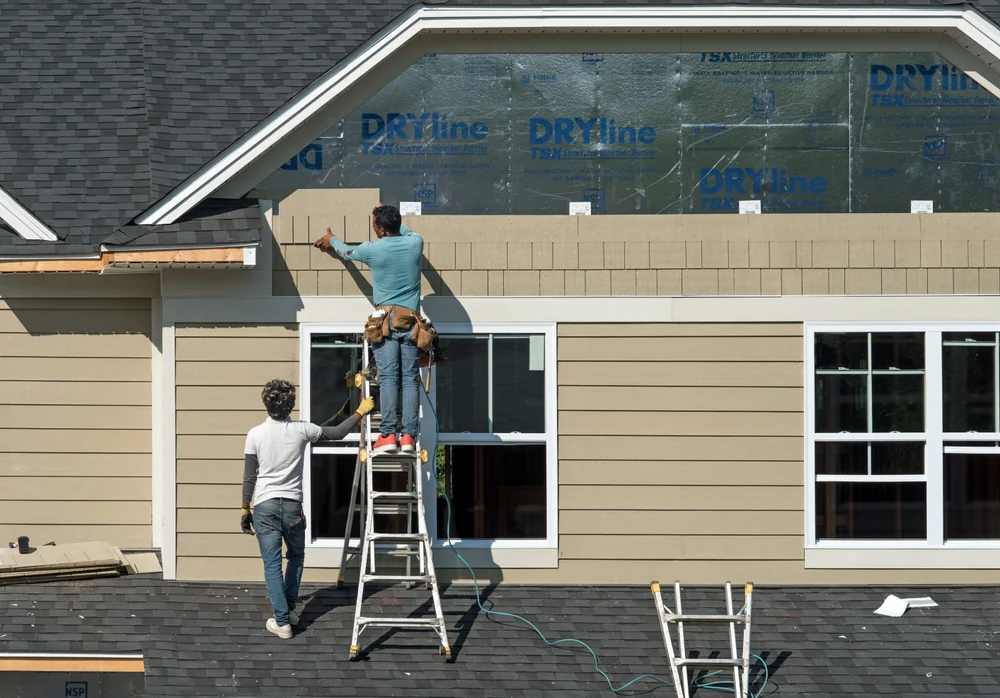
First, we come out and look at the damage. Not over the phone, not from photos—we show up. We check for cracks, warping, loose panels, and any signs that water’s already getting in. If there’s hail damage or storm damage, we document it properly, especially if you’re filing an insurance claim.
Next, we figure out what needs replacing and what doesn’t. A lot of contractors will try to sell you on replacing entire sections when a targeted repair will do the job. We’re not interested in that. We match your existing siding—color, texture, profile—so the repair blends in instead of sticking out like a patch job.
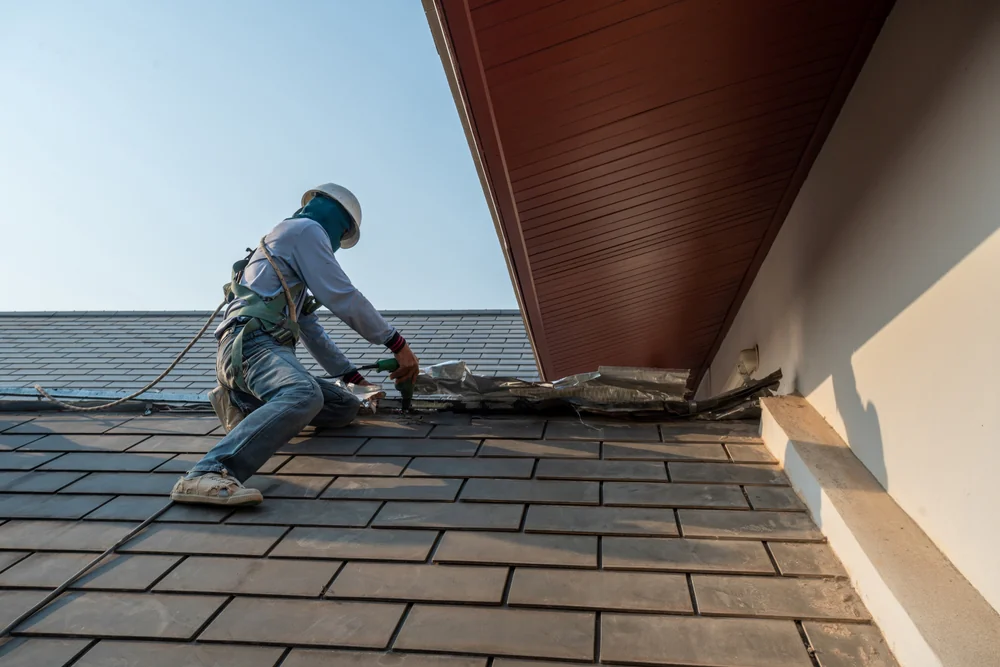
Then we fix it. We pull the damaged sections, check the underlayment and flashing, replace anything that’s compromised, and install the new siding with proper weatherproofing. Most repairs in Wilton, NH are done in a day, sometimes the same day you call if it’s urgent.
You get a finished job that looks right and holds up. No mismatched panels, no gaps, no callbacks six months later because it wasn’t done correctly the first time.
Ready to get started?
Every siding repair in Wilton, NH starts with matching your existing material. We keep inventories of current and discontinued siding, and if we can’t find an exact match, we find something close enough that it blends naturally. That’s not always easy—vinyl fades over time, and what looked bright ten years ago doesn’t look the same today.
We handle all types: vinyl, fiber cement, wood, composite. If it’s on your house, we’ve worked with it. That includes fixing cracked vinyl siding, replacing warped wood panels, and repairing hail damage on fiber cement. Each material has its own installation requirements, and cutting corners shows up fast in New Hampshire weather.
You also get proper flashing and weatherproofing. A lot of siding problems aren’t actually siding problems—they’re water intrusion issues caused by bad flashing or missing house wrap. We check all of that during the repair, because fixing the panel without fixing the cause just means you’re calling someone again next year.
If you’re dealing with storm damage and need help with an insurance claim, we document everything and provide the paperwork your adjuster needs. We’ve done this enough times to know what they’re looking for.
Most siding repairs in Wilton, NH run between $4 and $12 per square foot, depending on the material and how much damage there is. Small repairs—a few cracked panels, a section of warped siding—are usually on the lower end. Extensive storm damage that requires replacing large sections or dealing with water intrusion underneath pushes the cost higher.
Vinyl is generally the least expensive to repair. Fiber cement and wood cost more because the materials are pricier and the labor takes longer. If we’re matching discontinued siding or custom colors, that can add to the cost too, but it’s worth it to avoid a patchwork look.
The real cost isn’t always the repair itself—it’s what happens if you don’t fix it. Water damage behind siding leads to mold, rot, and structural issues that can run into the thousands. Fixing it early keeps it manageable.
It depends on your policy and how the damage happened. Most homeowners insurance covers sudden, accidental damage—hail, wind, falling trees. What they don’t cover is gradual wear: fading, warping over time, sealant failure. That gets labeled as maintenance, and you’re paying out of pocket.
If you’ve got storm damage, document it immediately. Take photos, note the date, and call your insurance company before you call us. We can help with the claim by providing detailed assessments, matching the damage to the storm event, and giving your adjuster the documentation they need to approve it.
The tricky part is proving the damage is new and not pre-existing. Insurance adjusters look for that, especially if your siding is older. We’ve worked with enough claims in Wilton, NH to know what they’re looking for, and we can walk you through the process so you’re not doing it blind.
Usually, yes. We keep a large inventory of current and discontinued siding materials, and we’ve gotten pretty good at finding matches—or close enough that you won’t notice unless you’re standing two feet away looking for it.
The challenge is that siding fades. What started as bright white or deep blue ten years ago has been sitting in the sun, and it doesn’t look the same anymore. If we install brand-new siding next to faded panels, it’s going to stand out. Sometimes we can blend it by placing the new section in a less visible area, or by using a complementary shade that looks intentional instead of mismatched.
If we can’t find a match and the mismatch is going to bother you, we’ll tell you upfront. In some cases, replacing a full side of the house makes more sense than a repair that looks like a patch job. We’re not going to sell you on that if it’s not necessary, but we’re also not going to leave you with siding that looks worse than when we started.
Most siding repairs are done in a day. If it’s a small section—a few cracked panels or a warped board—we can usually knock it out in a few hours. Larger jobs, especially if there’s water damage underneath or we’re waiting on materials, might take two or three days.
Storm damage repairs in Wilton, NH often get prioritized, especially if the siding is actively letting water in. We’ll get out there fast, assess what needs to happen, and get it sealed up before more damage occurs. If we’re dealing with an insurance claim, that can slow things down while we wait for approval, but the actual repair work moves quickly once we’re cleared to start.
Weather plays a role too. We’re not installing siding in a downpour or when it’s below freezing, because the materials won’t seal properly and you’ll end up with problems down the road. If conditions aren’t right, we’ll tell you when we can start and stick to that timeline.
Warped siding in Wilton, NH usually comes from heat, moisture, or poor installation. Vinyl expands and contracts with temperature changes, and if it wasn’t installed with enough room to move, it buckles. Dark-colored siding is especially prone to this because it absorbs more heat.
Moisture is the other big cause. If water gets behind the siding—through bad flashing, missing house wrap, or cracks—it soaks into the underlayment and pushes the siding outward as it expands. Wood siding warps when it gets wet and dries repeatedly, which is common in New Hampshire’s climate.
Warped siding can be repaired if the underlying structure is still solid. We remove the warped panels, check for water damage or rot underneath, fix whatever caused the problem, and install new siding with proper spacing and weatherproofing. If the warp is minor and not letting water in, sometimes it can be left alone, but that’s a judgment call based on how bad it is and whether it’s going to get worse.
In most cases, you can just fix the damaged sections. If a few panels cracked in a storm or you’ve got some warping in one area, there’s no reason to replace the whole house. Targeted repairs save you money and get the job done faster.
The exception is when the damage is widespread or the siding is old enough that it’s failing in multiple spots. If we’re out there every year patching new problems, or if the material is so faded and brittle that it’s going to keep cracking, a full replacement starts making more sense. We’ll tell you if that’s the case, but we’re not pushing you toward a bigger job if a repair will hold up.
Matching is the other factor. If your siding is discontinued and we can’t find a good match, you might be looking at replacing a full side of the house to keep it looking consistent. That’s a cosmetic call more than a structural one, and it depends on how much the mismatch bothers you. We’ll show you what the repair will look like and let you decide.