
Hear from Our Customers
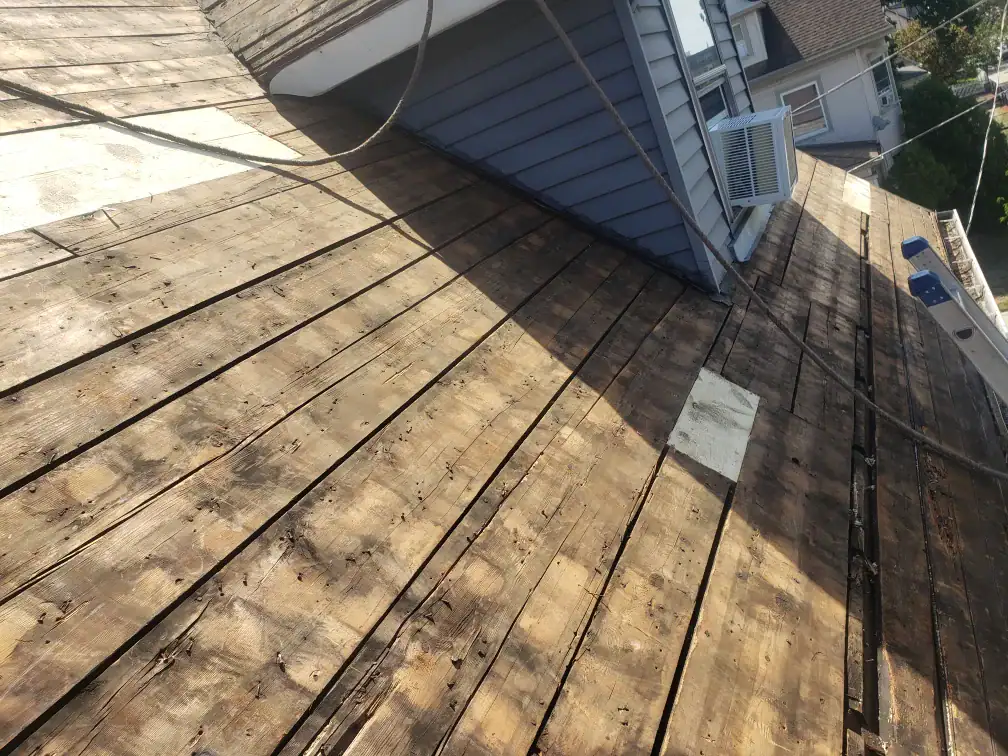
Your siding isn’t just decoration. It’s protecting your home from freeze-thaw cycles, wind-driven rain, and the kind of moisture that leads to mold growth you can’t see until it’s expensive.
Regular cleaning vinyl siding in Plaistow, NH means you’re removing the dirt, mildew, and algae that break down your siding’s protective surface. Those black streaks near seams? That’s not just ugly – it’s often a sign water’s getting where it shouldn’t.
Most vinyl siding lasts 20-30 years when maintained right. Skip the maintenance, and you’re looking at problems in half that time. We use soft washing methods that clean without forcing water behind your panels – because the goal is protection, not just making it look good for a week.
Paradise Remodeling Inc has been serving Plaistow, NH homeowners who want the job done right the first time. We’re an Owens Corning Preferred Contractor, licensed in Massachusetts (HIC #195972), and fully insured.
Here’s what matters: we focus on quality over speed. If that means your maintenance takes longer or costs a bit more than the cheapest quote, that’s the trade-off. You get thorough work, honest assessments, and a one-year guarantee on workmanship.
Plaistow sits right on the Massachusetts border, which means your home deals with the full force of New England weather. We’ve seen what happens when maintenance gets skipped or done wrong, and we’d rather prevent that than profit from fixing it later.
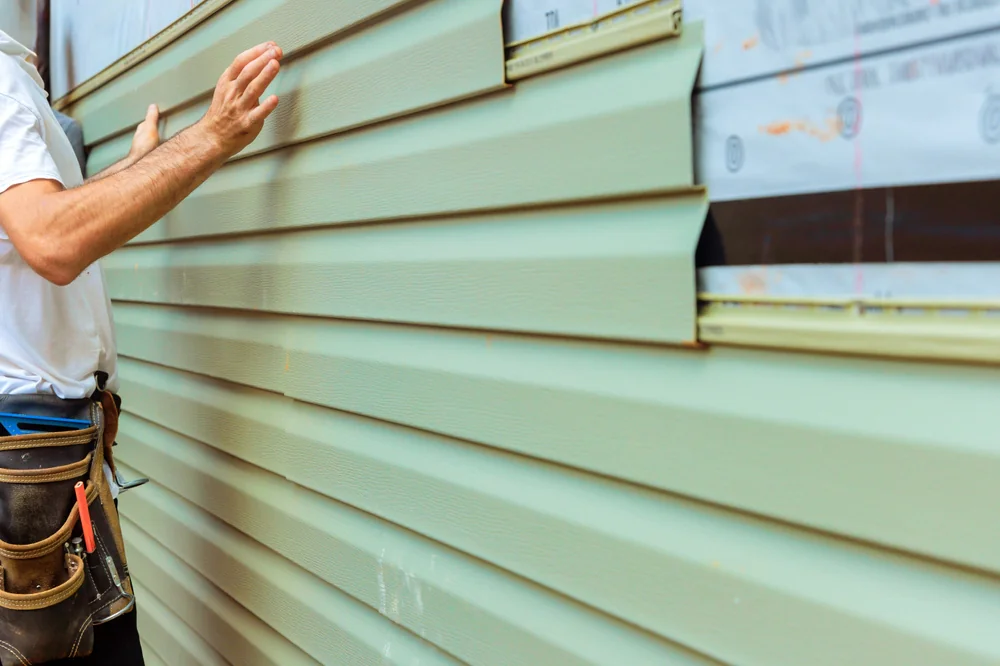
We start with a full inspection of your siding – checking for cracks, loose panels, signs of water intrusion, and areas where mold and mildew removal in Plaistow, NH will be needed. This isn’t a quick walk-around. We’re looking for the problems you can’t see from the ground.
Then comes the cleaning. We use soft washing, not high-pressure power washing. Lower pressure with specialized cleaning solutions gets your siding clean without forcing water underneath panels. We work bottom to top, then rinse with clear water to avoid streaking.
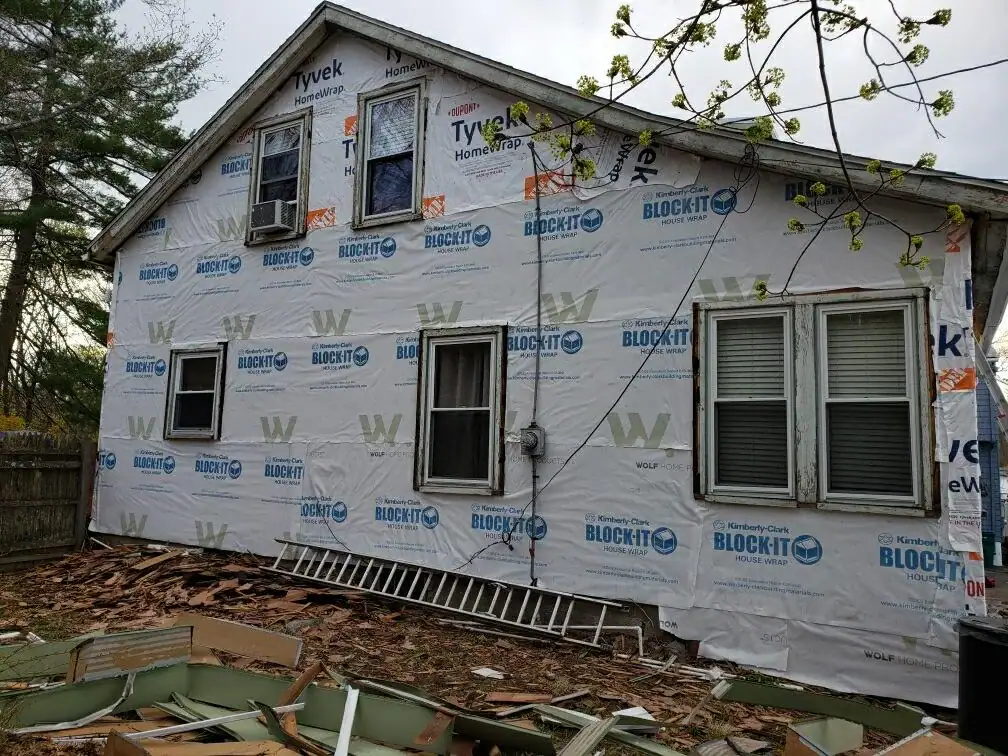
If we find damage during inspection – cracked panels, failing caulk, areas where water’s getting behind your siding – we’ll show you exactly what’s wrong and what it’ll take to fix it. No surprises, no upselling. Just honest assessment of what your home needs.
Ready to get started?
Every siding maintenance service in Plaistow, NH includes a complete inspection checklist: we examine panel condition, check seams and joints, look for signs of moisture damage, identify mold or mildew growth, and assess caulking around windows and doors.
The cleaning process uses professional-grade solutions designed specifically for house siding. We’re removing dirt, grime, algae, and mildew that can eat away at your siding’s surface over time. For homes near wooded areas in Plaistow, this buildup happens faster – especially on north-facing walls that don’t get direct sun.
New Hampshire’s climate is tough on homes. You’re dealing with heavy snow loads in winter, spring thaw cycles that can crack compromised siding, and humid summers that promote mold growth. Annual maintenance catches these issues early, when they’re cheap to fix instead of expensive to replace.
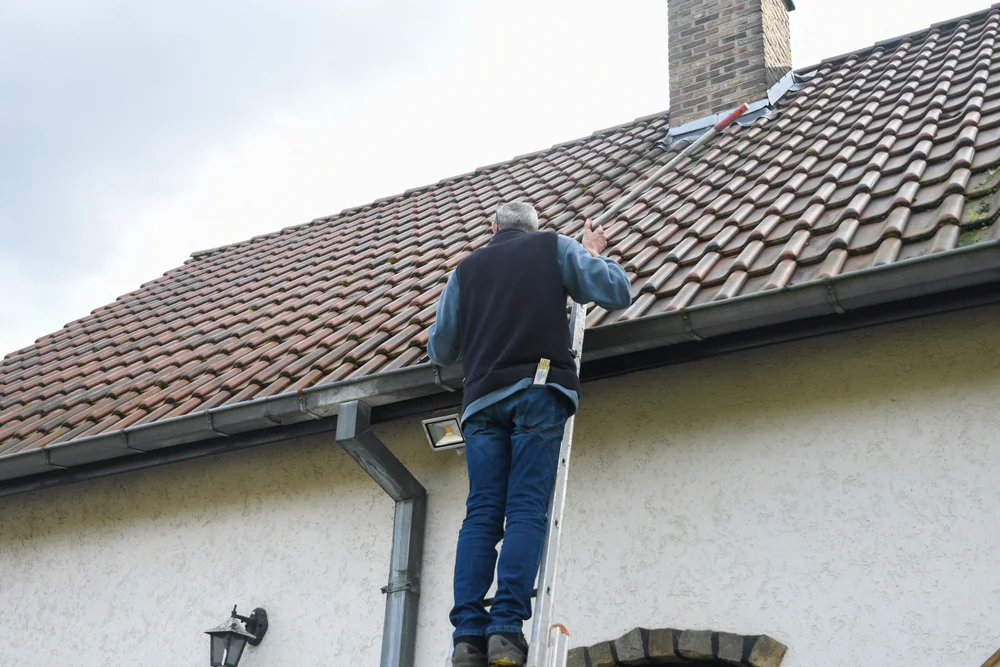
Power washing uses high pressure that can force water behind your siding panels. Once water gets back there, you’re dealing with moisture problems, potential mold growth, and damage to your home’s structure that you won’t see until it’s serious.
Soft washing uses lower water pressure – usually about a third of what power washers put out – combined with cleaning solutions that do the actual work of breaking down dirt, mildew, and algae. The solution sits on your siding for a few minutes, loosens everything up, then rinses away clean.
For vinyl siding especially, soft washing is the safer choice. You get the same clean appearance without the risk of water intrusion. It takes a bit longer, but that’s because we’re being careful with your home. Most contractors who damage siding during cleaning do it with too much pressure, not too little.
Once a year is the standard recommendation for most homes in Plaistow, NH. If your house is near trees, in a shaded area, or you’re seeing mold and mildew growth, twice a year makes more sense.
The best time is late spring or early summer, after pollen season but before the humid months when mildew grows fastest. Some homeowners add a second cleaning in fall to remove debris before winter.
Annual maintenance isn’t just about appearance. Regular cleaning removes the organic material that holds moisture against your siding. That moisture is what causes the real damage over time – cracking in winter, mold growth in summer, and gradual breakdown of your siding’s protective surface.
You can clean your own siding if you’re comfortable on a ladder, understand how to wash house siding without causing damage, and have the right equipment. The risk is in the details most homeowners don’t know.
Using too much pressure forces water behind panels. Scrubbing too hard creates glossy spots where you’ve worn down the surface. Using the wrong cleaning solution can discolor or damage certain siding materials. And if you miss early signs of damage during cleaning, small problems become expensive ones.
Professional maintenance costs more upfront, but you’re paying for experience that prevents damage. We’ve seen plenty of homes where DIY cleaning led to water intrusion, mold growth behind siding, or panels that needed replacement because they were cleaned wrong. If your siding is older, already showing wear, or you’re not confident in the process, professional service is the safer investment.
Black streaks are usually algae, mildew, or mold growth – especially common on north-facing walls or shaded areas that stay damp. The streaks themselves aren’t the damage, but they’re a sign that moisture is present and your siding isn’t drying properly.
When you see black or green patches near seams or at panel edges, that often indicates water is getting behind your siding. The fungus grows where there’s consistent moisture, and if water’s penetrating your exterior envelope, you’ve got bigger problems than appearance.
Mold and mildew removal in Plaistow, NH requires proper cleaning solutions and technique. Just rinsing won’t kill the spores – they’ll grow back within weeks. Professional treatment removes the growth, treats the area to prevent immediate return, and includes inspection to find out why moisture is accumulating there in the first place.
Professional siding maintenance in Plaistow, NH typically runs a few hundred dollars annually, depending on your home’s size and condition. Full siding replacement starts around $8,000-$15,000 for an average home.
Here’s the math that matters: vinyl siding should last 20-30 years with proper care. Without maintenance, you’re looking at 10-15 years before problems force replacement. Annual cleaning costs maybe $300-500. Early replacement because you skipped maintenance costs $10,000+.
The bigger cost is the damage you don’t see. When siding fails early because of neglected maintenance, water intrusion often damages sheathing, insulation, and interior walls before you notice. We’ve seen cases where skipped maintenance led to $20,000+ in repairs – not just siding replacement, but fixing everything the water damaged behind it.
A thorough siding inspection checklist in Plaistow, NH covers panel condition (cracks, warping, holes), seam integrity, caulking around windows and doors, signs of water intrusion, mold or mildew growth, and proper panel attachment.
Pay attention to areas where different materials meet – where siding connects to trim, around utility penetrations, at roof lines. These transition points are where water intrusion usually starts. Look for caulk that’s cracked, missing, or pulling away. Check that panels are secure and haven’t come loose from wind or impact.
The inspection should also note any fading, discoloration, or surface damage that might indicate your siding is nearing the end of its useful life. Not everything needs immediate attention, but you should know what’s developing so you can plan for repairs before they become emergencies. We’ll show you what we’re seeing and explain which issues are urgent versus which ones you can monitor.