Hear from Our Customers

Your siding takes a beating every season. Winter freeze-thaw cycles crack weak materials. Summer humidity causes warping. And every storm tests whether your installation was done right the first time.
When your exterior fails, you’re not just looking at cosmetic issues. You’re dealing with moisture getting behind the surface, mold growing where you can’t see it, and energy bills climbing because your home can’t hold temperature. That’s expensive.
Proper siding installation in Plaistow, NH means you stop patching problems and start preventing them. You get materials engineered for this climate—fiber cement that won’t crack in cold, vinyl that won’t warp in heat, James Hardie that resists both. Your heating and cooling costs drop because your home actually holds its temperature. And you’re not repainting every few years or worrying about what’s happening behind the surface.
We specialize in exterior work that holds up to New England weather. We’re VSI-certified installers and James Hardie Elite Preferred contractors—which means we’ve proven we know how to install fiber cement siding correctly, not just quickly.
Plaistow homeowners need siding contractors who understand local climate challenges. Your home faces temperature swings most of the country never sees. We’ve been handling these conditions long enough to know which materials work here and which ones fail in five years.
You’re making a significant investment. We make sure it’s installed right so you actually get the 30-50 year lifespan these materials promise.
First, we assess your current exterior. We’re looking for hidden moisture damage, structural issues, and whether your sheathing is solid enough for new siding. If there’s rot or water damage, you need to know before new material goes up.
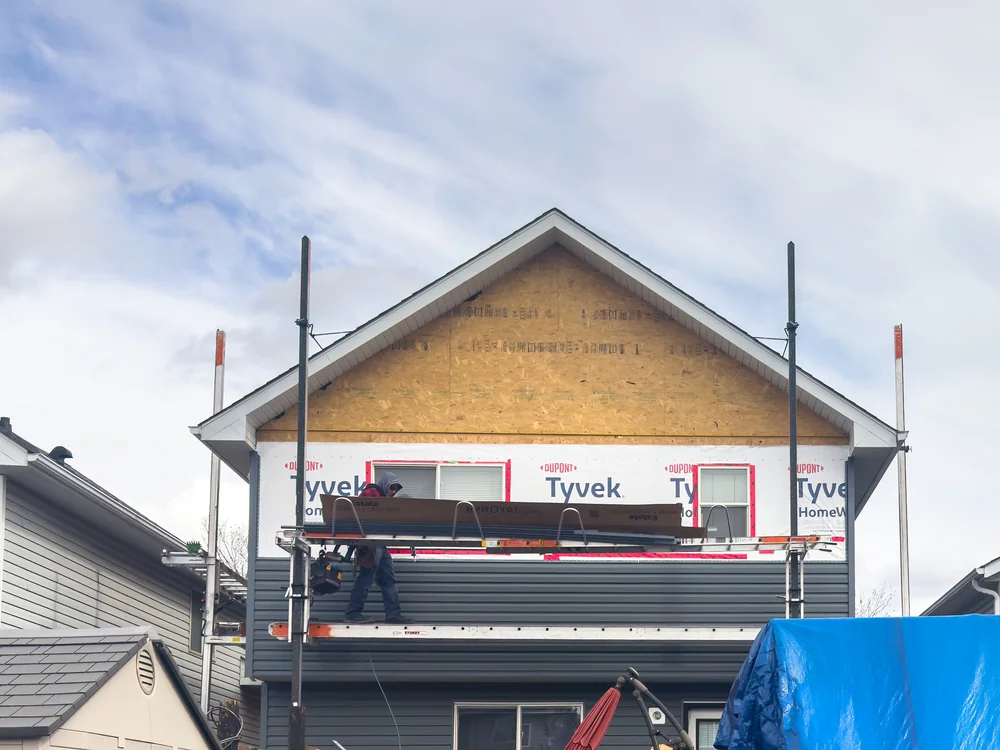
Next comes proper house wrapping. This moisture barrier is critical in Plaistow, NH—it’s what keeps water from getting behind your siding when wind-driven rain hits your home. We install it correctly, with proper overlap and sealing, because this layer determines whether your walls stay dry for decades.
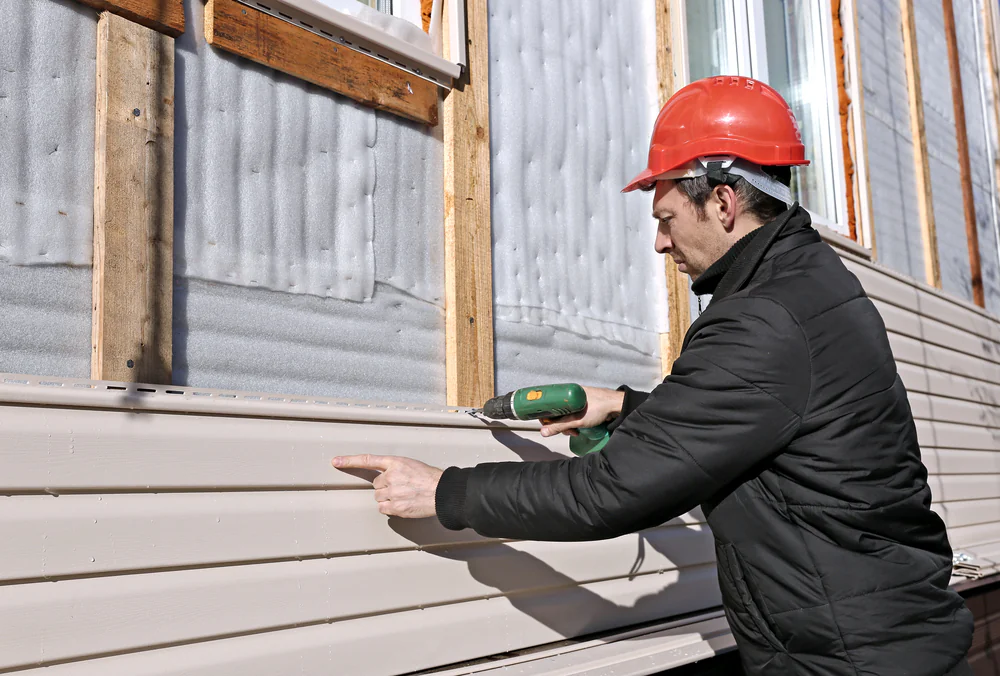
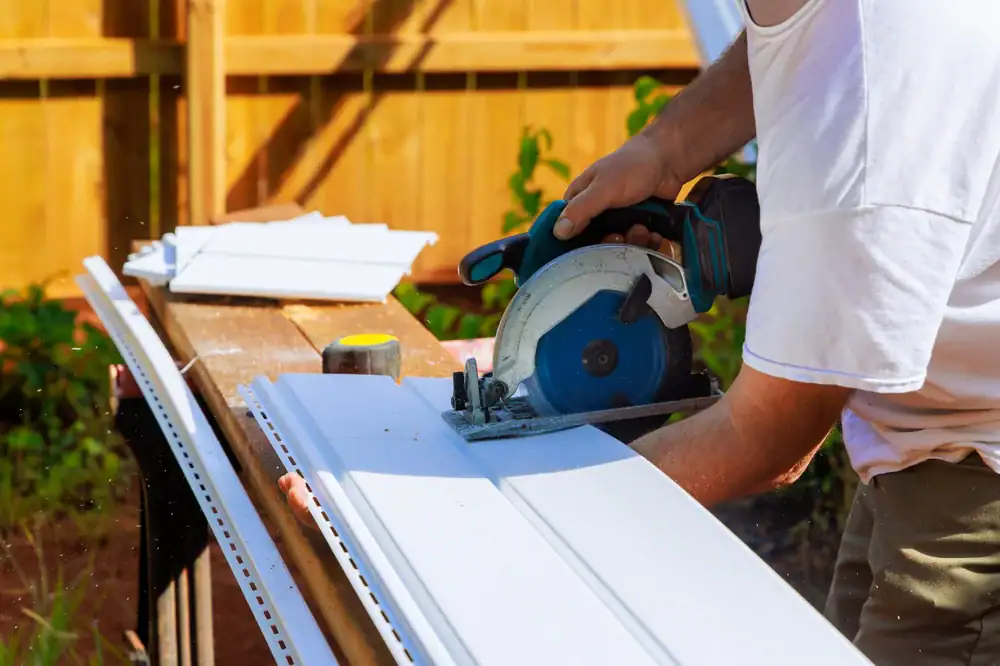
Then we install your chosen material—whether that’s vinyl siding installation, fiber cement, or James Hardie. Every piece gets aligned, secured, and sealed according to manufacturer specs. This isn’t just about appearance. Proper installation maintains your warranty and ensures the material performs the way it’s designed to.
Finally, we handle trim, corners, and finishing details. These transition points are where most water intrusion happens, so we seal them right. When we’re done, you get a walkthrough showing you exactly what we did and what to expect going forward.
Ready to get started?
You’re not just buying siding—you’re buying protection, efficiency, and years without maintenance headaches. Here’s what that includes.
Material selection matters in Plaistow, NH. Fiber cement siding costs more upfront but lasts 50 years and won’t need repainting for 15. Vinyl siding installation costs less and still gives you 30+ years with almost zero maintenance. We can show you James Hardie options that resist fire, won’t rot, and come with industry-leading warranties. We walk you through the actual costs and what you’re getting for each.
Proper installation includes complete house wrapping, moisture barriers, and sealing at every transition point. This is what keeps water out and energy in. Most siding failures happen because this step was rushed or skipped entirely.
You also get new siding benefits that go beyond appearance. Energy efficiency improves because your home’s envelope is tighter. Your heating and cooling systems don’t work as hard. And if you ever sell, you’re looking at roughly 80% return on investment—one of the best ROIs for any exterior upgrade.
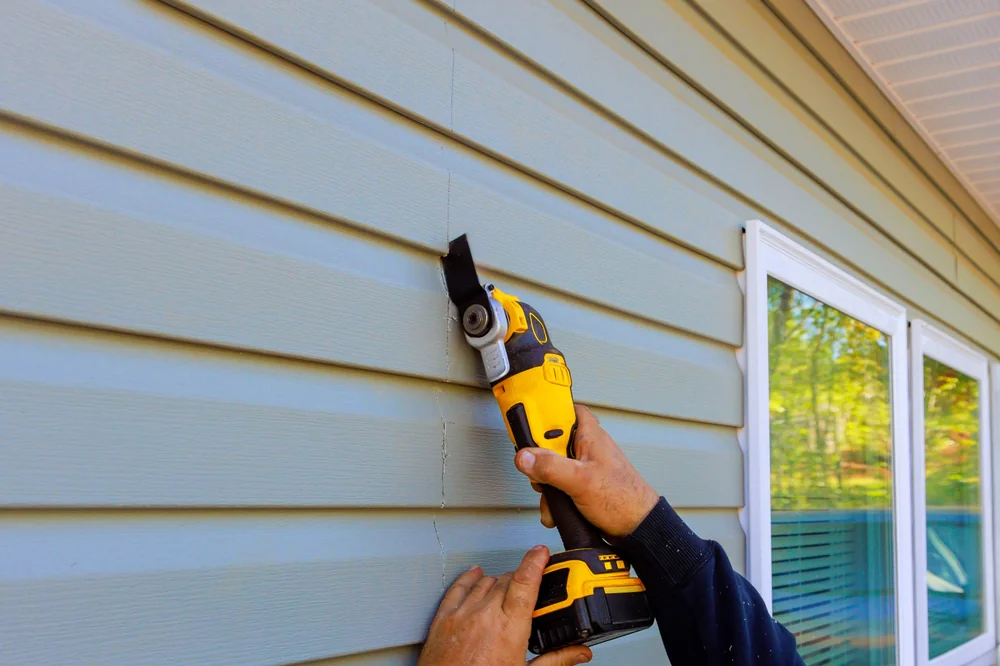
Vinyl siding installation in Plaistow, NH typically runs $8,000-$15,000 for an average home, depending on size and material choice. Fiber cement siding costs more—usually $15,000-$25,000—but lasts significantly longer and needs less maintenance over its lifetime.
We charge premium rates for James Hardie installation because the material and installation requirements are more demanding. But you’re getting fiber cement that won’t crack in New England winters, won’t rot from moisture, and includes a 15-year warranty on the finish. That’s 15 years before you even think about repainting.
The actual cost depends on your home’s square footage, how much trim and detail work is involved, and whether we find any underlying damage that needs repair first. We give you a detailed estimate upfront so you know exactly what you’re paying for and why.
Fiber cement and quality vinyl both handle New England’s climate well, but for different reasons. Fiber cement siding in Plaistow, NH performs best if you want maximum durability—it won’t crack in extreme cold, won’t warp in summer heat, and resists moisture damage that destroys wood siding.
Vinyl siding installation works if you want low maintenance and solid performance at a lower cost. Modern vinyl is engineered to expand and contract with temperature changes without cracking. It won’t rot, doesn’t need painting, and holds up to our humid summers and frozen winters.
James Hardie fiber cement is the top choice if you’re staying in your home long-term. It’s non-combustible, resists pests, and maintains its appearance longer than any other material. The upfront cost is higher, but you’re looking at 50 years of protection with minimal maintenance. For most Plaistow, NH homeowners, that math works out better than replacing cheaper materials twice.
Most siding installation projects in Plaistow, NH take 5-10 days for an average-sized home. That includes removing old siding, installing house wrapping and moisture barriers, putting up new material, and finishing all trim and detail work.
Larger homes or complex architectural details add time. So does weather—we don’t install in heavy rain or extreme cold because moisture and temperature affect how materials set and seal. If we find rot or structural damage when we remove old siding, that needs repair before new material goes up, which adds a few days.
We give you a realistic timeline upfront and keep you updated if anything changes. The goal isn’t to rush through your project. It’s to install everything correctly so your siding actually lasts the 30-50 years it’s supposed to.
If you’re seeing cracks, warping, or moisture stains in multiple areas, you’re usually better off replacing than patching. Widespread damage means the material has reached the end of its lifespan, and repairs just buy you a year or two before the next section fails.
Localized damage from a specific impact or storm might be repairable if the surrounding material is still in good condition. But here’s what most homeowners don’t realize—if your siding is over 20 years old and showing any signs of failure, the rest will start failing soon. You end up paying for repairs now and full replacement in two years anyway.
We assess your current condition honestly. If repairs make sense, we’ll tell you. If you’re throwing money at a system that’s failing, we’ll explain why replacement is the smarter move. The new siding benefits—better energy efficiency, improved protection, decades without maintenance—usually make replacement worth it if you’re already looking at significant repair costs.
You get two warranties—one on materials from the manufacturer, and one on our installation workmanship. Material warranties vary by product. James Hardie offers 30 years on their fiber cement siding and 15 years on ColorPlus finishes. Quality vinyl typically comes with 25-30 year warranties covering defects and fading.
Our installation warranty covers workmanship issues—anything related to how we installed your siding, house wrapping, and trim. If something fails because of installation error, we fix it. This matters because even the best materials fail if they’re not installed correctly.
What voids warranties? DIY modifications, pressure washing at too high PSI, or impact damage from things like hail or falling branches. We walk you through proper maintenance when we finish your project so you know exactly how to care for your new siding without voiding coverage. Most maintenance is simple—annual pressure washing at the right PSI and checking caulk around windows and doors every few years.
Yes, but only when temperatures are above freezing and conditions are dry. Most siding materials can be installed in cold weather, but the installation process requires specific temperature ranges for adhesives, caulks, and sealants to cure properly.
Fiber cement siding installation in Plaistow, NH during winter requires extra attention to manufacturer temperature guidelines. James Hardie specifies minimum temperatures for installation and requires certain products for cold-weather sealing. If we install below those thresholds, your warranty is void and the materials won’t perform correctly.
Vinyl siding installation is more flexible in cold weather, but the material becomes brittle below certain temperatures and can crack during cutting or nailing. We don’t install when it’s too cold because we’re not willing to risk your investment or our reputation on an installation that might fail in a few years. If you need winter installation, we watch weather forecasts closely and work during temperature windows that allow proper installation. Sometimes that means the project takes longer, but it’s installed right.